Roses by Colour in Russia: What You Are Really Saying with Each Shade
Choosing a rose colour in Russia is not a small decision. Russians read flowers closely, and a shade that feels neutral to you can land as a bold declaration — or an accidental slight — to the person opening the door. If you are sending from abroad, or simply want to get it right for someone who grew up here, this colour-by-colour breakdown will tell you exactly what each hue communicates before you place your order.
Red Roses: Passion That Needs No Translation — and When to Use It Carefully
Red roses carry the same weight in Russia that they do almost everywhere: romantic love, desire, deep admiration. But Russian culture leans into that meaning more literally than Western European culture tends to. A bouquet of red roses sent to a female colleague, for example, can genuinely confuse the situation. Russians do not typically treat red as a casual friendship colour the way some other cultures do.
For a partner or someone you are courting, red is exactly right. Classic varieties like Explorer or Grand Prix hold their shape well in transit and open slowly over three to four days, which matters when you are sending across a city in winter and the hallway is cold. Pair them with dark greenery — eucalyptus or ruscus — rather than baby's breath, which can make a red bouquet feel dated to a younger Russian recipient.
Odd numbers are the rule in Russia for living recipients: seven, nine, eleven roses rather than ten or twelve. Even numbers are associated with mourning, and a Russian recipient will notice immediately. This is one of the most common mistakes made by people ordering from outside the country. If you are unsure of the count, ask your florist to build to the nearest odd number for the budget you have in mind.
Red roses in late autumn and winter benefit from being kept in water within two hours of delivery. In Saint Petersburg, where indoor heating is intense and dry, vase life drops noticeably if the stems sit in a warm entrance hall without water.
Bouquets we can deliver


White Roses: Purity, New Beginnings and the Occasions Where They Shine
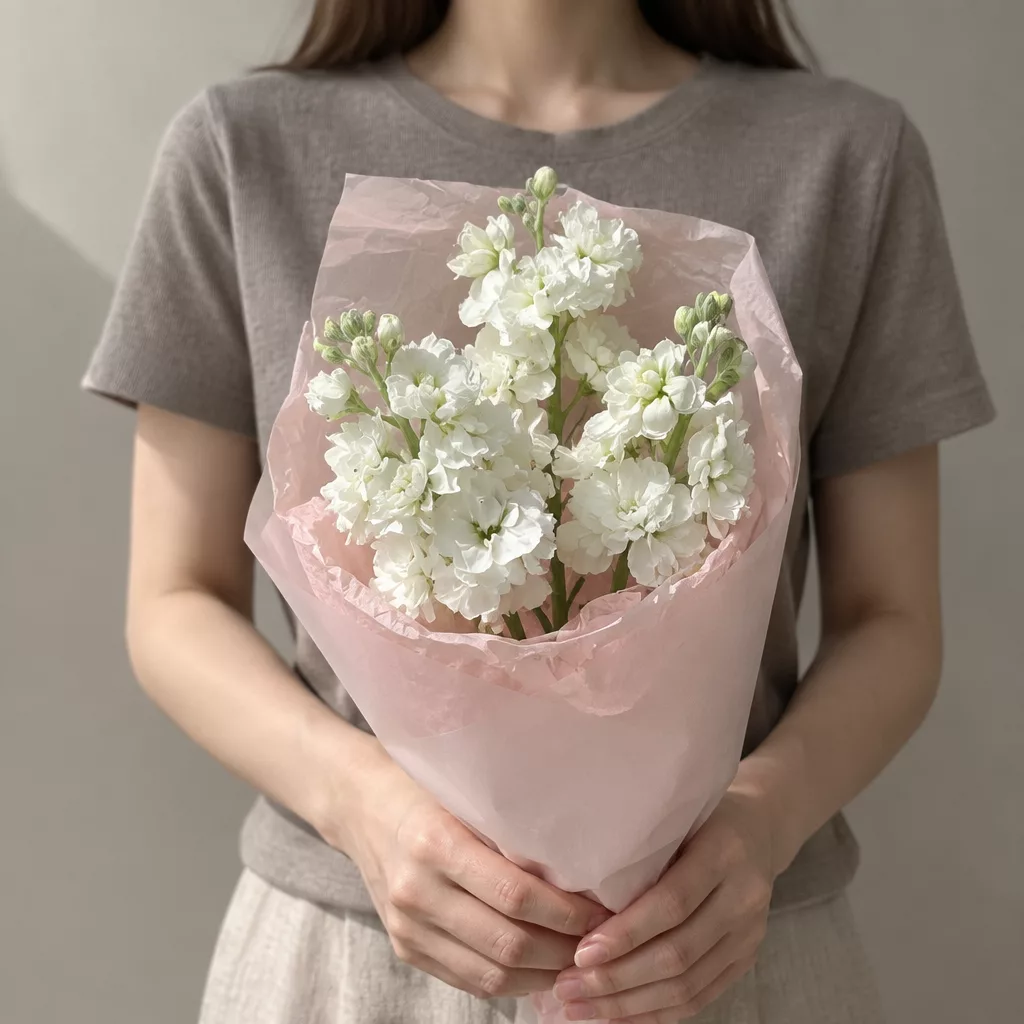
White roses in Russia are strongly associated with purity and new beginnings rather than with any single emotion. They are the most common choice for weddings, graduations and the birth of a child, and they communicate respect and sincerity in a way that feels elevated without being overwhelming. A white bouquet says: I thought about this, and I mean it.
For a young woman receiving her diploma, for a bride on the morning of her wedding, or for a mother who has just come home from the hospital, white roses are almost always the right call. Varieties like Avalanche and White O'Hara have become standard in Russian flower shops because they open beautifully at room temperature and last well — typically six to eight days with a clean cut every two days and fresh water.
One thing to know: white roses are not considered cold or distant in Russian culture the way they sometimes are in other traditions. They are warm and celebratory when the occasion fits. The mistake is sending them for a birthday when the recipient is over forty and expects something more colourful — in that context, an all-white bouquet can feel slightly formal.
White mixes beautifully with pale pink or soft lavender to add warmth without losing the clean aesthetic. If you are building a larger arrangement, mixing White Avalanche with a few stems of pale peony-style roses creates a sense of abundance that Russian recipients tend to appreciate. Keep white roses away from direct sunlight and fruit bowls, which release ethylene gas and shorten their life significantly.
Yellow Roses: The Myth of Bad Luck and What Russians Actually Think Today
Yellow roses have a complicated reputation in Russia, and it is worth addressing directly. An older generation — roughly those over fifty-five — may still associate yellow flowers with separation, jealousy or the end of a relationship. This belief was widespread in Soviet times and persists in some families. If you are sending to someone in that age group, especially a romantic partner, it is worth knowing.
Among younger Russians, however, yellow roses have largely shed that association. They are now read as cheerful, warm and energetic — a good choice for a friend's birthday, a thank-you gesture or a congratulations bouquet. The shift happened gradually through the 2000s and 2010s as Russian flower culture opened up to global trends. Today, a bright yellow bouquet in Saint Petersburg reads much the same as it would in Amsterdam or London to anyone under forty.
Yellow roses photograph exceptionally well, which has made them popular for gifting in an era when the recipient will almost certainly share the bouquet on social media. Varieties like Penny Lane and Sunmaster have a warm golden tone rather than a sharp lemon yellow, which makes them feel more luxurious and less institutional.
If you are uncertain about the recipient's age or sensibility, mixing yellow with white or soft orange reduces any ambiguity while keeping the brightness. A combined bouquet reads as celebratory to almost everyone. Yellow roses prefer cool water and a temperature between fifteen and eighteen degrees — they open quickly in a warm apartment, so a slightly tighter bud on delivery is actually ideal.
Pink Roses: The Safest Colour and How to Make It Feel Personal
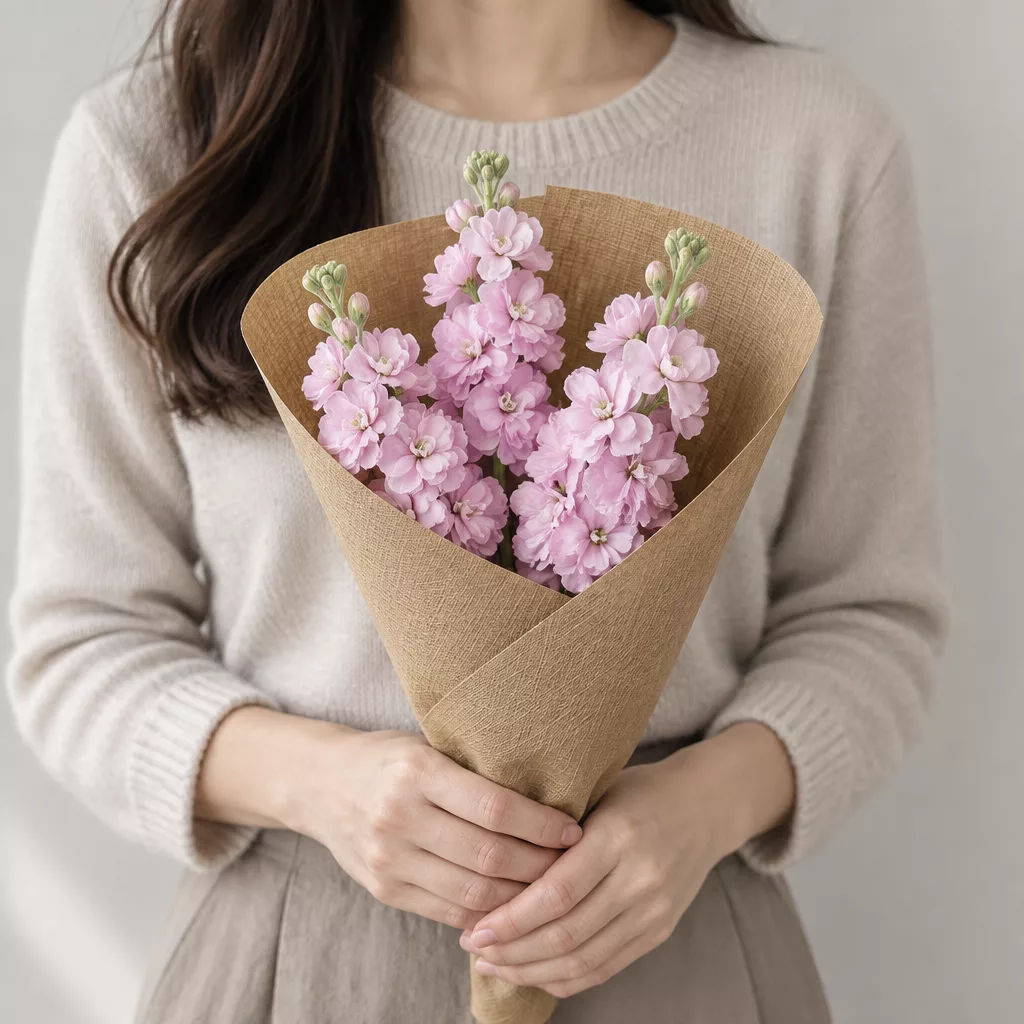
Pink is the most universally safe rose colour in Russia. It communicates affection, tenderness and care without the romantic intensity of red or the formality of white. This makes it the go-to choice when you are not sure exactly where you stand with the recipient — a new friendship, a professional relationship with warmth behind it, or a family member you want to honour without making a grand gesture.
Light pink says gentle admiration. Deep pink — closer to fuchsia or hot pink — says enthusiasm and joy. The distinction matters more than people expect. A pale blush bouquet for a grandmother feels entirely different from a saturated magenta arrangement for a friend turning thirty, even though both are technically pink roses.
For Mother's Day, Women's Day on the eighth of March, and teacher appreciation, pink roses dominate Russian gifting for good reason: they work for almost every relationship and every age. Varieties like Sweet Avalanche and Aqua are widely used because they have a classic cupped shape that Russians associate with quality, and they hold their form for seven or more days with proper care.
To make a pink bouquet feel less generic, think about texture and proportion rather than switching colours. Adding garden roses with a higher petal count alongside standard hybrid teas creates a layered, romantic effect. Wrapping in kraft paper rather than cellophane gives a more considered, artisan feel that elevates a simple pink bouquet considerably. Change the water every two days and re-cut the stems at an angle to keep them drinking well.
Orange and Coral Roses: Energy, Warmth and the Occasions That Call for Them
Orange and coral roses occupy an interesting middle ground in Russian flower culture. They are not as symbolically loaded as red or white, which gives them a kind of freedom. They read as energetic, warm and optimistic — a colour that says congratulations with genuine enthusiasm rather than formal respect. For a promotion, a successful project, a sports achievement or a creative milestone, orange roses often land better than the more traditional choices.
Coral, which sits between pink and orange, has a particularly flattering quality in bouquets: it looks warm in photographs, pairs well with greenery, and suits a wide range of recipient ages. It is popular in Saint Petersburg's flower scene for exactly this versatility. Varieties like Coral Reef and Terracotta have a slightly antique, muted tone that feels sophisticated rather than garish.
Orange roses are also a strong choice when you want to acknowledge a close friendship between men — a context where red would be misread and pink might feel too soft. In Russian culture, male friendships are celebrated with gifts, and a striking orange or amber bouquet communicates respect and warmth without any romantic undertone.
One practical note: orange pigments in roses can be sensitive to temperature. In summer, keep them in the coolest part of the room and away from south-facing windows. In winter, avoid placing them near radiators, which are powerful in Russian apartments and will cause petals to dry at the edges within a day. A simple misting of the petals every morning extends their appearance noticeably.
Burgundy, Lilac and Bi-Colour Roses: Depth, Rarity and How to Use Them Well
Burgundy and deep wine-coloured roses communicate something that red does not quite manage: depth, maturity and a kind of serious admiration. In Russian culture, they are often chosen for accomplished women — a respected professor, a business leader, a mother marking a significant birthday. The message is: I see you, and I am impressed. They pair naturally with dark foliage and minimal filler, where the colour itself does all the work.
Lilac and lavender roses are rarer in Russian bouquets, which is part of their appeal. They suggest enchantment and something slightly out of the ordinary — a good choice when you want to signal that you put genuine thought into the selection. Varieties like Ocean Song have a true lavender tone that holds well after cutting. These roses are particularly effective for creative or artistic recipients who might find a conventional red or pink bouquet too predictable.
Bi-colour roses — varieties with a different tone at the petal edge than at the centre — have grown steadily in popularity in Russia over the past decade. They photograph beautifully and create a sense of movement in a bouquet that single-colour arrangements cannot always achieve. Varieties like Tess and Double Delight offer a cream-to-crimson gradient that catches the eye without requiring elaborate arrangement work.
When working with darker rose varieties, be aware that burgundy petals show bruising more visibly than lighter colours. Handle them minimally and ensure the delivery box is not overpacked. Vase life for dark varieties is typically five to seven days; changing the water daily rather than every two days makes a meaningful difference with these shades.
Getting the colour right is one of the most considerate things you can do when sending flowers to a Russian recipient. It shows that you thought beyond the gesture itself and considered how it would land — what the person would feel when they unwrapped the paper and saw what you chose. Whether you are working with a classic red for someone you love, a warm coral for a friend's achievement, or a lilac rose to tell someone they are one of a kind, the colour carries the message before a single word is spoken. When in doubt, call and describe the recipient and the occasion: a good florist will always point you in the right direction.
Frequently asked questions
Is it really true that yellow roses mean bad luck in Russia?
It depends on the recipient's age and background. Older Russians, particularly those over fifty-five, may still associate yellow flowers with separation or jealousy — a belief rooted in Soviet-era folk tradition. Younger recipients generally do not share this association and read yellow roses as cheerful and celebratory. When in doubt, mix yellow with white or orange to soften any ambiguity.
Why do Russians give an odd number of roses?
In Russian tradition, even numbers of flowers are reserved for mourning and are placed at graves or given at funerals. Giving an even number to a living recipient is considered deeply unlucky. Always order seven, nine, eleven or another odd count. This rule applies regardless of the colour you choose and is one of the most important customs to follow when sending flowers in Russia.
What rose colour works best for a Russian woman's birthday if I am not sure of the relationship tone?
Pink is the safest and most versatile choice. Light pink communicates gentle affection and care; deeper pink reads as enthusiastic and joyful. It suits friends, colleagues, family members and romantic partners without sending an unintended signal. If you want to add personality, combine two shades of pink or mix in a few coral stems to make the bouquet feel more considered and individual.
How long will roses last after delivery in a Russian apartment in winter?
Russian apartments are heated intensely in winter, often reaching twenty-two to twenty-four degrees indoors. This accelerates opening and shortens vase life. Expect five to seven days for most varieties with proper care: re-cut stems at an angle every two days, change the water daily, and keep the vase away from radiators and direct heat sources. White and pink varieties generally last longer than dark burgundy or bi-colour roses.
Can I send white roses for a birthday, or are they only for weddings?
White roses are perfectly appropriate for birthdays, especially for milestone ages or for recipients who appreciate an elegant, understated aesthetic. They are strongly associated with new beginnings and sincere respect in Russian culture. The only context where they might feel slightly formal is a casual, fun birthday for a younger recipient — in that case, mixing white with pink or coral warms the bouquet considerably.
Ready to send flowers?
Pick the city, choose the bouquet, and a local florist takes it from there.
Choose a city →