Sending Flowers in Russia? Here Is How Many to Choose
You have picked the occasion, chosen the person, and now you are staring at the order form wondering whether five roses will feel stingy or whether twenty-five will seem overwhelming. In Russia, bouquet size carries meaning that goes well beyond aesthetics. It signals how seriously you take the relationship, how well you understand local custom, and how much thought you put into the moment. Get it right, and the flowers do half the emotional work for you.
Why Odd Numbers Matter So Much Here
If you have heard one thing about Russian flower customs, it is probably this: always give an odd number of flowers. The rule is real, widely observed, and worth understanding rather than simply following blindly. Even numbers of flowers are associated with mourning in Russian tradition, and presenting someone with a dozen roses at a birthday or graduation can feel jarring to a Russian recipient even if they say nothing about it.
The practical effect is that bouquets of 3, 5, 7, 9, 11, 15, 19, 25, and 51 are the standard counts you will encounter in any Saint Petersburg or Moscow flower shop. These numbers are not arbitrary — they reflect price tiers, stem availability, and social convention all at once. A bouquet of seven medium-sized spray roses, for example, fills a hand beautifully and reads as a considered, warm gesture without crossing into grand-occasion territory.
There is one widely accepted exception: very large round numbers like 101 roses are considered celebratory and romantic precisely because of their extravagance, and the even-number rule is quietly set aside at that scale. But for everyday gifting — the teacher, the colleague, the grandmother — stay odd. It is one of those customs where following the convention shows respect for the recipient's culture, and florists here will always arrange your stems accordingly.
Bouquets we can deliver

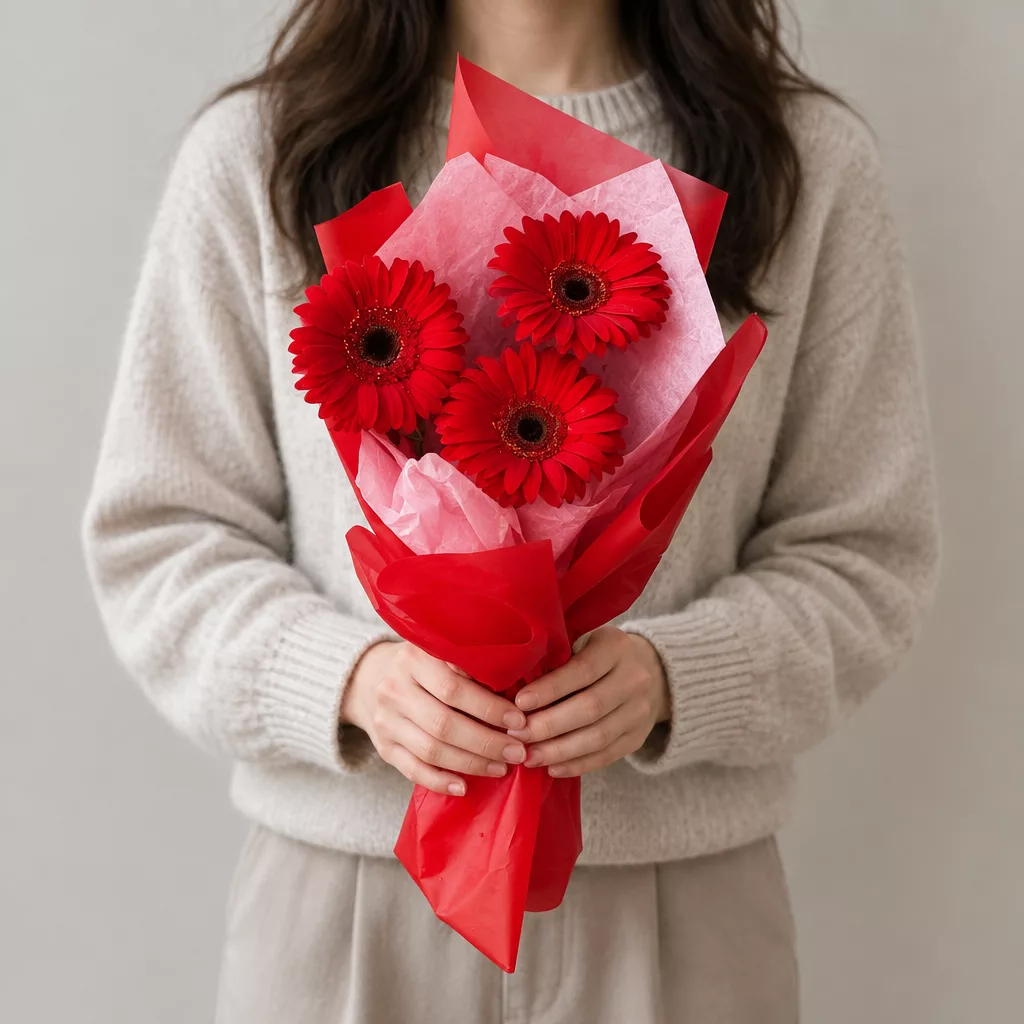
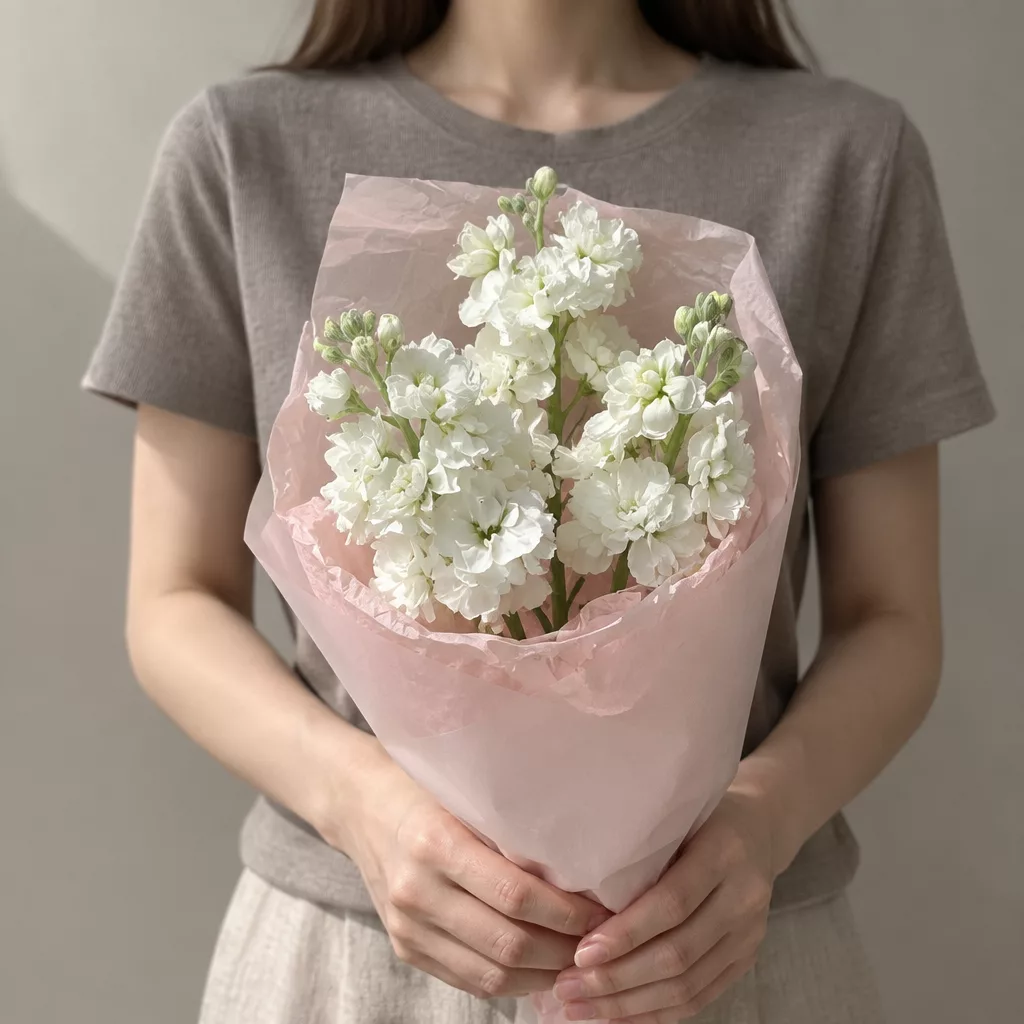
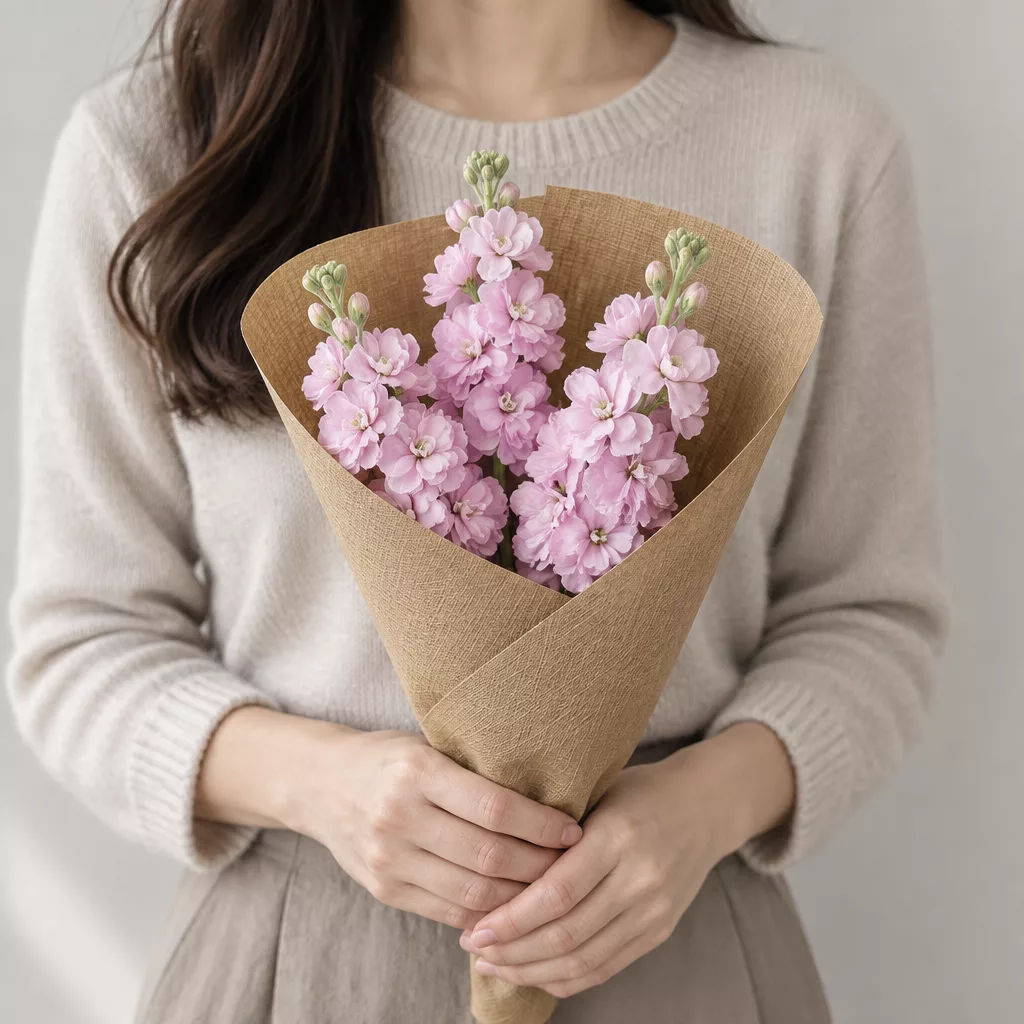
Flowers for a Teacher: Modest, Sincere, and Seasonal
Teachers in Russia receive flowers constantly, particularly on Knowledge Day at the start of September and on Teacher's Day in October. Because of this, a teacher's bouquet carries a specific social expectation: it should be thoughtful and seasonal, never extravagant. Overly large bouquets can actually feel awkward in a classroom setting where a teacher may receive gifts from thirty students on the same morning.
A bouquet of five to seven stems is the sweet spot for a teacher. Chrysanthemums are a classic choice in autumn, and their long vase life means the teacher can enjoy them through a busy school week. Alstroemeria mixed with eucalyptus is another option that looks generous without requiring a large stem count. The combination reads as considered rather than expensive, which is exactly the tone you want.
Presentation matters here more than volume. A neatly wrapped bouquet with clean paper and a simple ribbon communicates care. If you are sending flowers to a teacher on behalf of a child, keep the colours bright and cheerful — sunflowers, orange gerberas, or yellow spray roses all work well and photograph beautifully if the family wants to mark the moment. Avoid all-white arrangements for teachers, as white alone can feel formal and cold in this context. Five well-chosen stems will always outperform fifteen stems thrown together without a colour story or structural logic.
Colleagues and Professional Occasions: Reading the Room
A bouquet for a colleague sits in interesting social territory. It needs to acknowledge the person warmly without implying a closeness that does not exist, and it should not overshadow the professional setting. Russian workplace culture tends to celebrate birthdays, promotions, and retirements with flowers, and the expected size scales with seniority and the nature of the relationship.
For a peer colleague — someone you work alongside daily — seven to nine stems is appropriate. Roses in a single colour, or a mixed bouquet of lisianthus and spray roses, strikes the right note: polished, warm, and easy to carry home on public transport. This last point is genuinely practical. A bouquet that cannot fit into a tote bag or be held comfortably on a metro ride is an unintentional burden.
For a manager or a senior figure you want to honour, eleven to fifteen stems is a more fitting gesture. Here you can introduce structure and a bit of drama — think garden roses with veronica or matthiola for scent. Scented bouquets are particularly appreciated in office environments because they transform a desk for days.
Avoid sending flowers to a colleague of the opposite sex if the workplace culture is conservative, unless it is a widely shared celebration like a department birthday. In those cases, a single shared arrangement for the whole team is far more comfortable than individual bouquets that could be misread.
Close Friends and Extended Family: Room for Personality
When the recipient knows you well, the bouquet can finally reflect personality — theirs and yours. This is the category where you can move away from convention and toward genuine preference. A close friend who loves garden-style arrangements will appreciate a loose bouquet of ranunculus, sweet peas, and foliage far more than a formal dozen roses, even if the rose bouquet is technically larger.
For close friends celebrating a birthday or a life milestone, fifteen to nineteen stems gives you real creative range. You can mix textures, introduce unusual colours, and let the arrangement breathe. Peonies in late spring, dahlias in late summer, and tulips in early spring are all flowers that feel celebratory and personal rather than obligatory. Pairing them with complementary foliage — eucalyptus, ruscus, or pittosporum — adds volume without inflating stem count unnecessarily.
Extended family members like aunts, cousins, or in-laws often occupy a similar tier. The bouquet should feel warm and a little special, but it does not need to announce itself from across the room. Eleven to fifteen stems, arranged with care and wrapped in kraft paper with a satin ribbon, reads as genuinely affectionate. If you know the recipient keeps flowers at home regularly, ask your florist to prioritise long-lasting varieties. Alstroemeria can hold for ten to fourteen days in a cool room, making it an excellent choice for someone who will truly enjoy the bouquet over time.
Parents and Grandparents: Scale Up the Warmth
Flowers for a parent or grandparent carry a different emotional weight entirely. These are the bouquets that get photographed, placed in the best vase, and mentioned to neighbours. In Russian family culture, honouring a parent with flowers is a meaningful act, and the size of the bouquet reflects the depth of that respect and love.
For a mother's birthday, anniversary, or special celebration, nineteen to twenty-five stems is a genuinely appropriate range. This is where you can introduce roses in full bloom, or a lush mixed arrangement with peonies or hydrangeas as the focal flower. Hydrangea heads are particularly effective at creating visual abundance — a bouquet of eleven stems with three hydrangea heads and complementary roses can look twice as large as its stem count suggests.
For a grandmother, consider her home and her preferences. Many older Russian women have strong feelings about flowers and keep very particular vases. A tightly packed bouquet of twenty-five small-headed roses in a classic colour like cream or pale pink will feel luxurious and traditional. If she has a favourite flower — and many grandmothers do — centre the bouquet around that and build outward.
Fathers are less often given flowers in Russian tradition, but the custom is growing. A structured bouquet of nine to eleven stems in deep, rich colours — burgundy roses, dark purple lisianthus, or blue irises — suits the occasion well and feels contemporary without being awkward.
Romantic Gestures and Grand Occasions: When More Means More
There are moments when restraint is not a virtue. A marriage proposal, a significant anniversary, a reunion after a long separation — these are occasions where a large, unapologetic bouquet is not just acceptable but expected. Russian romantic culture has always embraced the grand gesture with flowers, and a single-stem rose handed over apologetically will rarely land the way you intend.
Twenty-five roses is considered a classic romantic statement in Russia and is one of the most ordered counts for Valentine's Day and anniversaries. Fifty-one roses steps into genuinely extravagant territory and signals that this moment matters enormously. The odd-number rule holds here too — fifty-one rather than fifty, twenty-five rather than twenty-four.
Beyond rose count, presentation elevates a romantic bouquet dramatically. Long-stemmed roses wrapped in matte black paper with a velvet ribbon read very differently from the same roses in cellophane. If you are sending flowers for delivery, consider the temperature: roses delivered in summer need to travel in a cool environment to arrive in perfect condition, with petals firm and heads held high. A bouquet that arrives wilted loses its impact entirely, regardless of how many stems it contains.
For truly significant milestones — a thirtieth wedding anniversary, a fiftieth birthday — consider a mixed grand arrangement rather than a single variety. Garden roses, peonies, ranunculus, and trailing amaranthus together create something that feels curated and exceptional rather than simply large.
Bouquet size in Russia is not about showing off or spending more than necessary — it is about demonstrating that you understood the occasion and the person well enough to choose accordingly. A five-stem bouquet for a teacher and a twenty-five-stem bouquet for a mother are both correct answers in their own context. The florists at Turboflora work with these customs every day, and when you place your order, you can always ask for guidance on stem count and composition for your specific situation. We deliver across Russia within one to two hours, which means the flowers arrive looking exactly as they should — fresh, structured, and ready to say what you need them to say.
Frequently asked questions
Is it really a problem to give an even number of flowers in Russia?
Yes, it is a genuinely observed custom. Even numbers of flowers are associated with mourning in Russian tradition, so a bouquet of ten or twelve can feel uncomfortable to a Russian recipient at a celebration. Sticking to odd numbers — seven, nine, fifteen, twenty-five — is a simple way to show cultural awareness and ensure the gesture lands as intended.
What is the minimum bouquet size that still feels like a proper gift?
Three stems is the absolute minimum, and it works only for very small, spontaneous gestures — a single thank-you, a quick visit. For any named occasion like a birthday, graduation, or professional milestone, five to seven stems is the realistic floor. Below that, the bouquet risks reading as an afterthought rather than a considered gift, regardless of how beautiful the flowers are.
Can I send a large bouquet to someone I do not know very well?
A very large bouquet sent to a near-stranger can feel overwhelming or even inappropriate, as it implies a closeness that does not yet exist. For new acquaintances or professional contacts, seven to eleven stems is a safer range. It is warm and generous without creating social pressure. Let the relationship grow first, then let the bouquets grow with it.
Do the same size rules apply when flowers are delivered rather than handed over in person?
The social expectations are the same whether you hand over the bouquet yourself or arrange delivery. If anything, a delivered bouquet benefits from being slightly more generous in size, because it arrives without the personal presence that adds warmth to a smaller gift. The packaging and a handwritten card become especially important when you cannot be there in person.
Which flowers last longest so the recipient can enjoy a larger bouquet over time?
Alstroemeria, chrysanthemums, and lisianthus are among the longest-lasting cut flowers, often holding seven to fourteen days in a cool room with fresh water. Roses and tulips are shorter-lived but can be extended significantly by cutting stems at an angle every two days and keeping them away from direct sunlight and fruit bowls, which release ethylene gas and accelerate wilting.
Ready to send flowers?
Pick the city, choose the bouquet, and a local florist takes it from there.
Choose a city →