Odd, Even, Red, Yellow: What Russian Flower Rules Mean for Your Bouquet
You have chosen beautiful flowers, picked a reliable delivery window, and typed in the address — and then a small but important question stops you cold: how many stems should the bouquet have? In Russia, that number is not a detail. It carries meaning that every recipient will notice immediately, even if they never say a word about it. Whether you are sending peonies to a colleague in Moscow or roses to a friend in Saint Petersburg, understanding the logic behind Russian flower etiquette will make your gift land exactly the way you intend it to.
The Golden Rule: Odd Numbers for the Living
The single most important rule in Russian flower culture is straightforward once you know it: bouquets given to living people must contain an odd number of stems. One, three, five, seven, nine, eleven — any of these counts is correct. Even numbers — two, four, six, eight, ten — are traditionally reserved for funeral tributes and are associated with mourning. This is not a superstition that older generations quietly hold while younger people ignore it. Walk into any office in Saint Petersburg on International Women's Day and count the bouquets on the desks. You will find threes, fives, and sevens everywhere.
The rule applies regardless of flower variety. A trio of garden roses, five stems of white freesia, seven branches of lilac fresh from cold storage — all of these follow the convention correctly. The type of flower matters for other reasons, but the count overrides everything else.
Where does this tradition come from? Historians point to pre-Christian Slavic customs, later reinforced through the Orthodox calendar, where even numbers carried associations with endings and completeness, while odd numbers suggested growth, life, and continuation. The practical result today is that Russian florists think in odd numbers automatically. When a customer orders without specifying a quantity, a professional will always default to an odd count.
For anyone ordering from outside Russia or simply unfamiliar with the custom, the easiest approach is to choose a bouquet where the stem count is already decided by a florist who knows the rules. That way the number is correct before the bouquet even leaves the cooler.
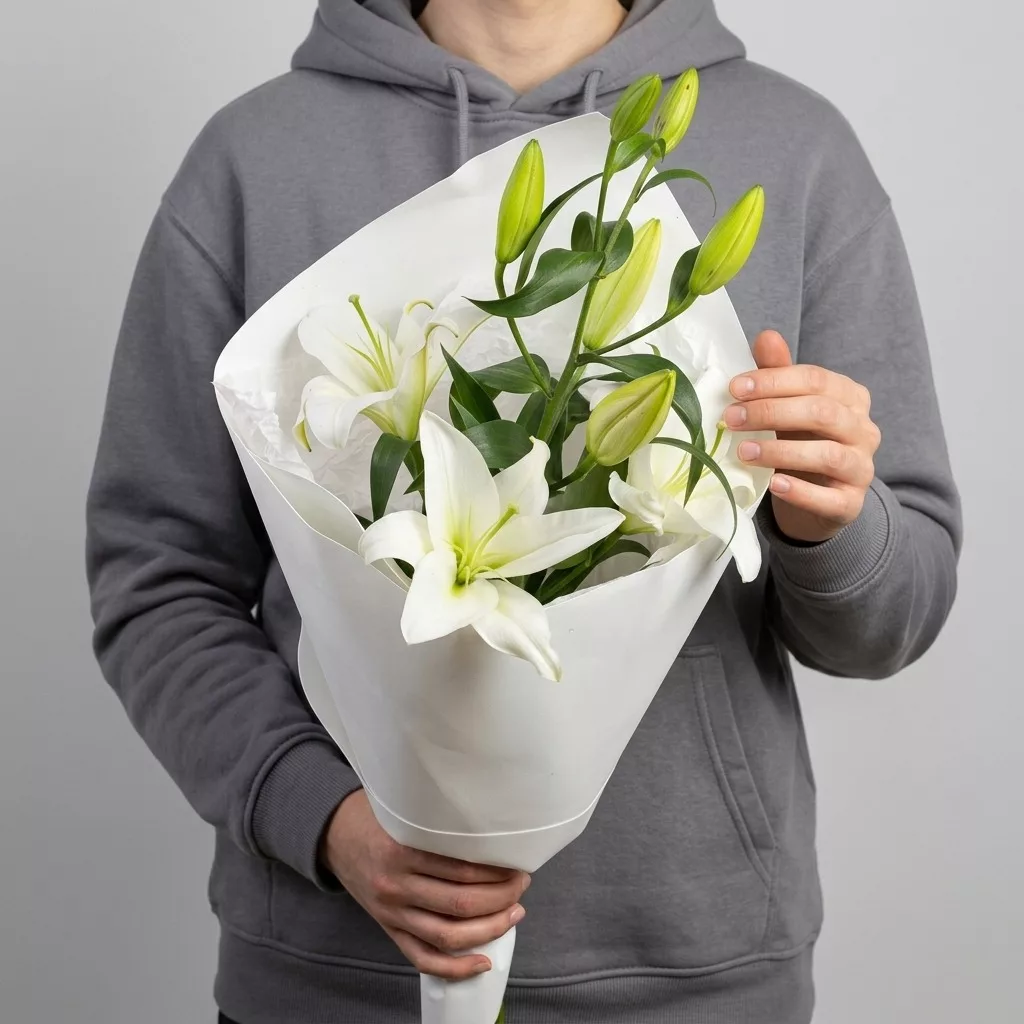
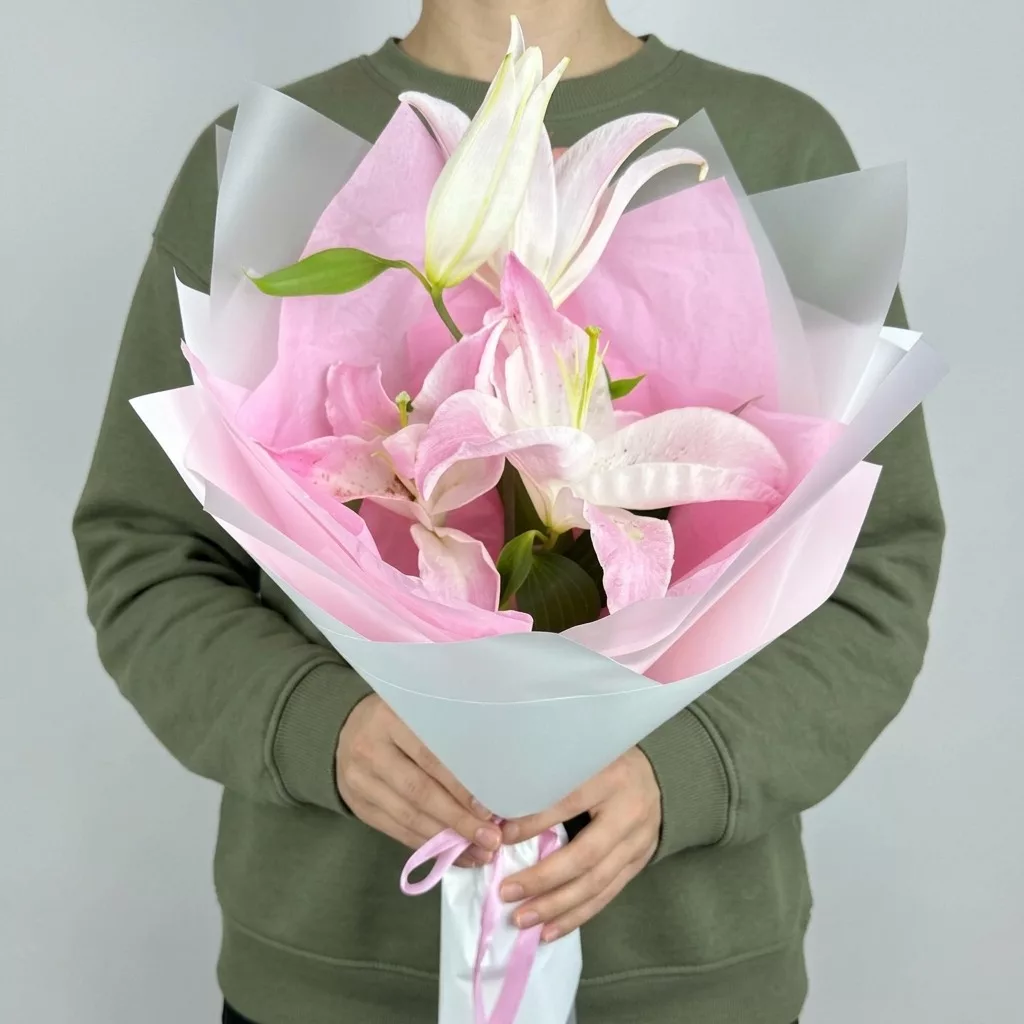
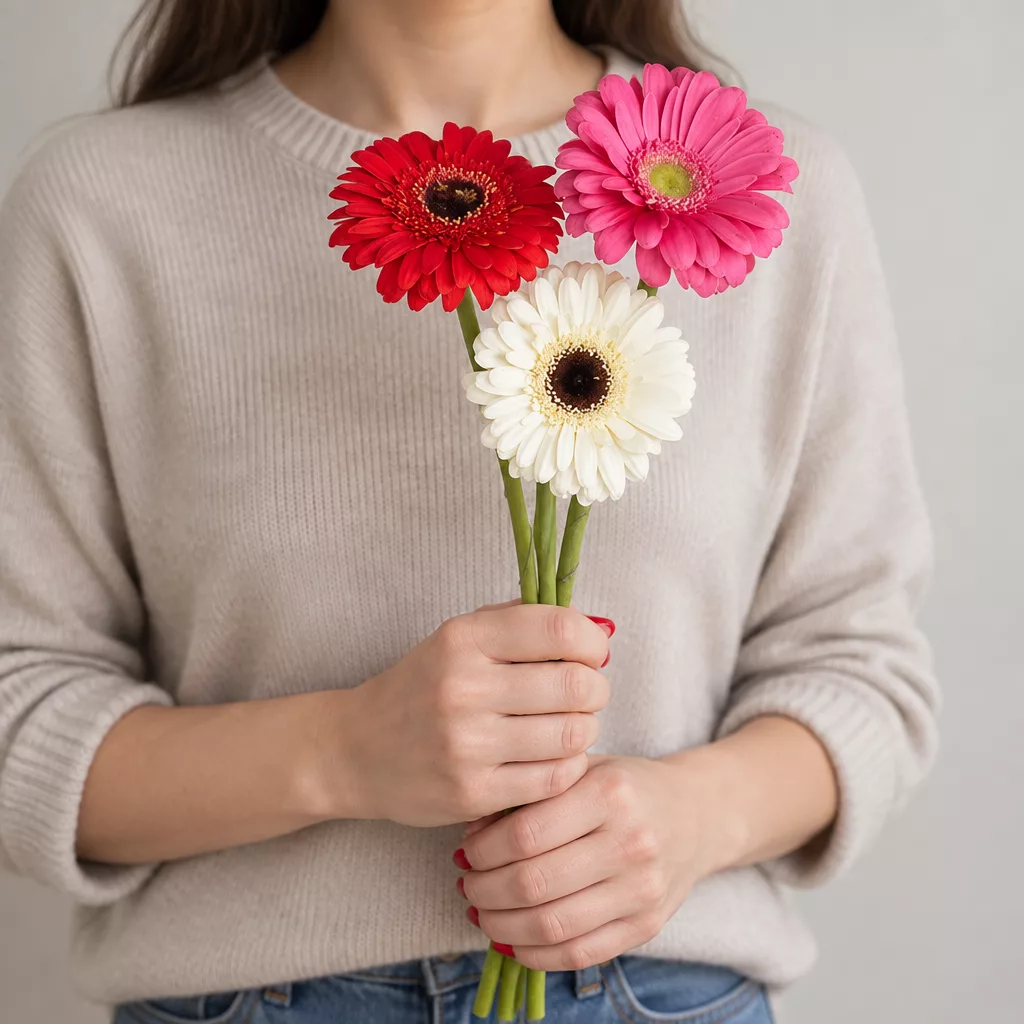
Bouquets we can deliver

Does the Exact Number Carry Extra Meaning?
Beyond simply being odd, specific numbers do carry additional weight in Russian gift-giving culture, though the rules here are softer and more about social context than strict taboo.
One single stem — a lone tulip, a single garden rose — is considered romantic and intentional, a gesture that says the flower was chosen with complete focus on the recipient. It works beautifully for a first date or an intimate anniversary. Three stems read as warm and personal without being extravagant, ideal for a teacher, a neighbour, or a colleague you appreciate. Five and seven are the workhorses of everyday celebration: birthday bouquets, graduation gifts, and welcome-home arrangements almost always land in this range.
Nine stems signal a more generous occasion. Eleven is a number associated with strong romantic feeling in modern Russian culture — the asymmetry of eleven roses, for instance, is seen as passionate rather than calculated. As numbers climb into the twenties, fifties, and hundreds, they become statements of wealth, devotion, or grand public celebration. A bouquet of one hundred and one roses is a classic Russian romantic gesture, and the odd count is preserved even at that scale.
For seasonal varieties like tulips in March or peonies in late May and early June, five or seven stems at peak freshness will always outshine a larger bouquet of flowers past their prime. Temperature matters enormously here: tulips, for example, should be stored and transported at two to four degrees Celsius to keep them upright and vibrant. A perfectly counted bouquet of limp flowers still misses the point.
Colour Codes: What Russian Recipients Actually Read into Your Choice
Colour in Russian flower culture is a language of its own, and the vocabulary is specific enough that a wrong choice can send a message you never intended.
Red roses are the most universally understood: romantic love, passion, deep admiration. They are appropriate for partners and spouses and feel out of place in a professional context unless the relationship is explicitly romantic. Sending a bouquet of red roses to a female colleague for a work anniversary will almost certainly create an awkward moment.
White flowers — white roses, white chrysanthemums, white orchids — carry a dual meaning in Russia that visitors sometimes find confusing. In a celebratory context, white signals purity, elegance, and sincerity. White roses are popular for weddings and for congratulating new mothers. However, white chrysanthemums in particular are strongly associated with grief in Russian culture and should be avoided as a gift entirely.
Yellow flowers occupy complicated territory. A generation ago, yellow roses were widely considered a sign of separation or infidelity — a belief so strong that many people still hold it today. Younger urban recipients in cities like Saint Petersburg and Moscow are increasingly relaxed about yellow, especially with varieties like yellow spray roses or yellow ranunculus, but the safest approach when you are unsure of the recipient's age and background is to avoid a purely yellow bouquet.
Pink is universally safe: warm, celebratory, and appropriate across ages, genders, and occasions. Coral peonies, blush-toned garden roses, and pink lisianthus are among the most reliably well-received choices a florist can recommend. Purple and lilac tones read as refined and thoughtful, particularly with varieties like lavender roses or violet eustoma.
Common Mistakes Visitors and Newcomers Make
Even people who have heard about the odd-number rule make predictable errors when they actually order flowers in Russia. Understanding where things go wrong is just as useful as knowing the rules themselves.
The most common mistake is ordering a dozen. Twelve is a perfectly normal quantity in many Western countries — a dozen roses is a classic gift. In Russia, twelve is even and immediately registers as wrong to any Russian recipient. Thirteen, while an unlucky number in other cultural contexts, is at least odd and therefore acceptable by Russian floral standards, though eleven or fifteen are more natural choices.
The second frequent mistake involves mixed-colour bouquets that accidentally incorporate too many white chrysanthemums. A florist building a white-and-green arrangement might reach for chrysanthemums as a natural filler. This is fine in small quantities as a supporting bloom, but a bouquet dominated by white chrysanthemums will unsettle many Russian recipients regardless of the occasion.
Third: wrapping. In Russia, flowers are almost always presented with some kind of decorative wrapping or packaging — kraft paper, cellophane, fabric ribbon, or a combination. Handing someone bare, unwrapped stems feels incomplete and slightly careless. The wrapping is part of the gift's presentation and signals that care went into the whole gesture, not just the flower selection.
Fourth: timing and freshness. Flowers ordered for a morning delivery should have been cut and stored correctly the night before. Roses and peonies need cool temperatures during transport. A bouquet that arrives wilted because it sat in a warm van for two hours has failed regardless of how thoughtfully the stems were counted and the colours were chosen.
Seasonal Flowers and How They Change the Etiquette
Russian flower culture is deeply seasonal, and the etiquette around specific flowers shifts depending on what time of year you are ordering. Understanding the seasonal calendar makes your bouquet feel more considered and ensures the flowers themselves are at their best.
March is dominated by tulips, mimosa, and hyacinths, all connected to International Women's Day on the eighth of March — one of the biggest flower-giving occasions in Russia. Tulips are typically sold in fives or sevens for everyday gifts and in larger odd quantities for significant gestures. Because demand spikes enormously in the days around the eighth, quality-conscious florists receive fresh shipments daily and keep stems at low temperatures to prevent premature opening.
Late spring brings peonies, and in Saint Petersburg the peony season is treated almost like a local event. Coral charm, Sarah Bernhardt, and bowl of cream are among the varieties Russian customers ask for by name. Peonies should be purchased in tight bud and will open fully over two to three days at room temperature. Five stems of fresh peonies in tight bud will outlast seven stems of fully open flowers bought at the end of the season.
Summer opens up the range considerably: garden roses, lisianthus, eustoma, and sunflowers all become available at their peak. Sunflowers are cheerful and informal — they work well for housewarming gifts and friendly gestures but feel too casual for formal congratulations.
Autumn and winter bring a greater reliance on roses, orchids, and imported varieties. Phalaenopsis orchids are a popular choice for corporate gifts and formal occasions in colder months, and they carry no negative colour associations in Russian culture regardless of their shade.
How to Order Confidently When You Know the Rules
Armed with an understanding of odd numbers, colour meanings, and seasonal availability, ordering flowers for a Russian recipient becomes much less stressful. A few practical habits will make every order feel intentional rather than accidental.
Start with the occasion and the relationship. A romantic partner gets red or deep pink, an odd number that feels generous for your budget, and classic varieties like roses or peonies. A colleague or professional contact gets something neutral and elegant — white or cream roses, pale pink lisianthus, or a mixed arrangement built around a single accent colour. A family member celebrating a birthday can receive something more personal and playful, including seasonal varieties and bolder colour combinations.
Always specify the stem count when you order, or choose a pre-designed bouquet from a florist whose arrangements are already built around correct Russian etiquette. At Turboflora, every arrangement is assembled by florists who work within these conventions as a matter of professional habit, so you do not need to audit the count yourself.
Consider the delivery window carefully. Flowers ordered for a morning celebration should arrive before the event begins, not during it. Our one-to-two hour delivery window across Saint Petersburg means you can time an order to land just as a birthday breakfast is finishing or just before guests arrive for an evening party.
Finally, include a handwritten message. In Russian gift culture, a personal note transforms a beautiful object into a meaningful gesture. Even three or four sentences in a card slot elevate the bouquet from a purchase into a memory. The flowers carry the visual impact; the words carry the feeling that makes a recipient keep the card long after the petals have dried.
Russian flower etiquette is not complicated once you see the logic behind it. Odd numbers signal life and celebration. Colour carries specific social meaning that recipients read instinctively. Seasonal freshness determines whether a bouquet arrives as a joy or a disappointment. And the small details — the wrapping, the timing, the card — are what transform a correct bouquet into a genuinely memorable one. Whether you are new to sending flowers in Russia or simply want to make sure your next gift lands exactly right, keeping these principles in mind will ensure that your gesture is received exactly the way you intend it.
Frequently asked questions
Is it really a big deal if I send an even number of flowers in Russia?
Yes, most Russian recipients will notice immediately. Even numbers are culturally linked to mourning and funeral tributes, so a bouquet of ten roses can genuinely unsettle someone who was expecting a joyful gift. It is one of those conventions where the intention behind the gesture and the received message can diverge sharply. Sticking to odd numbers is a simple way to ensure your gift reads exactly as intended.
Are yellow flowers really considered bad luck in Russia?
The association between yellow flowers and separation or unfaithfulness is real and still held by a significant portion of the Russian population, particularly among people over forty. Younger urban recipients are generally more relaxed about yellow, especially in mixed arrangements. If you are unsure of the recipient's background or preferences, a safer choice is to substitute warm coral, peach, or orange tones, which carry none of the same associations and are widely appreciated.
What is the best flower choice for a professional or corporate gift in Russia?
White or cream roses, pale pink lisianthus, and phalaenopsis orchids are consistently well-received in professional contexts. They read as elegant and thoughtful without implying personal romantic feeling. Avoid red roses for professional recipients and steer clear of white chrysanthemums regardless of context. An arrangement built around neutral tones with a single accent colour is almost always appropriate across industries and age groups.
How far in advance should I order flowers for a major occasion like a birthday or anniversary?
For everyday gifting, same-day ordering within our delivery window works perfectly. For major occasions — especially around International Women's Day on March 8th or Valentine's Day — ordering at least one to two days ahead is wise. Demand for specific varieties like tulips and peonies spikes dramatically around key dates, and ordering early ensures you get the freshest stems rather than whatever remains at the end of a high-volume day.
Can I send a single flower as a gift, or does that seem too minimal?
A single stem is entirely acceptable in Russian culture and can actually be one of the most striking gestures when chosen thoughtfully. One perfect garden rose or a single stem of an exotic orchid reads as deliberate and romantic rather than stingy. The key is presentation: a single flower should be wrapped beautifully and accompanied by a personal note. Without those elements, it risks feeling like an afterthought rather than an intentional choice.
Ready to send flowers?
Pick the city, choose the bouquet, and a local florist takes it from there.
Choose a city →