Russian Flower Etiquette: What Every Foreigner Must Know Before Sending Flowers
Flowers speak a universal language, but in Russia they follow a very particular grammar. Get one rule wrong — an even number of stems, a bunch of yellow roses, or a bouquet handed over at the wrong moment — and a heartfelt gesture can send a message you never intended. After years of arranging deliveries across Saint Petersburg and beyond, our florists have watched well-meaning senders stumble on the same handful of customs again and again. This guide walks you through everything you need to know, from the arithmetic of petals to the politics of colour, so your flowers arrive exactly as warm as you meant them to be.
The Odd-Number Rule: Why Counting Stems Matters More Than You Think
The single most important rule in Russian flower-giving is this: always choose an odd number of stems. One, three, five, seven, nine — any odd count is perfectly appropriate for a living recipient. Even numbers — two, four, six, ten, twelve — are reserved for funerals and carry a weight of sorrow that no cheerful ribbon can undo. This is not a vague superstition quietly fading from modern life; it is a firmly held social norm observed by grandmothers and teenagers alike, in small towns and in Saint Petersburg's most fashionable neighbourhoods.
Where does this come from? The tradition is rooted in old Slavic ritual, where even numbers symbolised completeness and finality — the closing of a life. Odd numbers, by contrast, suggest something ongoing, open, still growing. When you give three stems of garden peony or seven long-stemmed red roses, you are implicitly saying that the relationship, the celebration, or the affection is very much alive.
For foreigners, the practical takeaway is simple: before you confirm your order, count. If you have been browsing a selection and landed on a dozen tulips because that is what you would buy at home, add one more or drop to eleven. Eleven white tulips in late spring, when Dutch-grown varieties are at their most vivid, make a far more elegant statement than a dozen — and they will be received with genuine pleasure rather than quiet unease. Our florists automatically compose bouquets in odd numbers, but if you are specifying a custom count, keep this rule front of mind.
Bouquets we can deliver

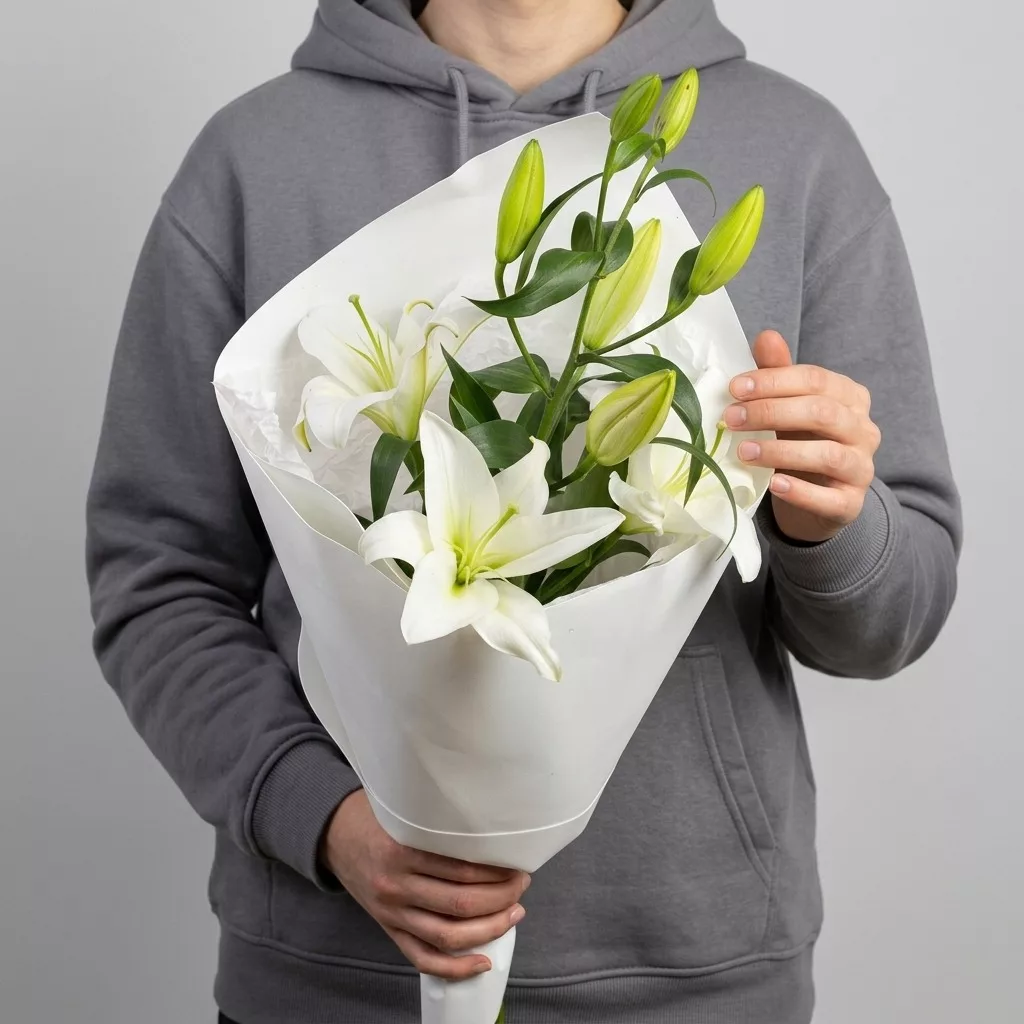
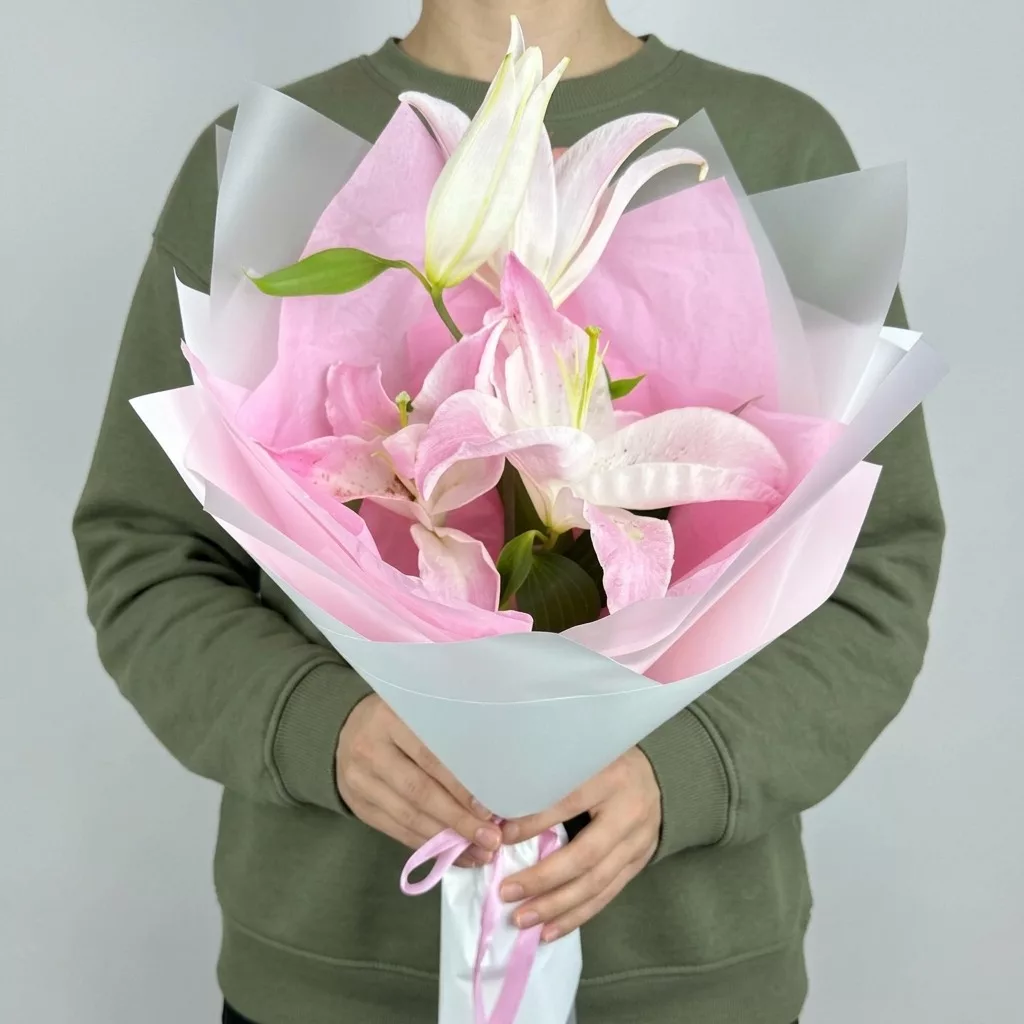
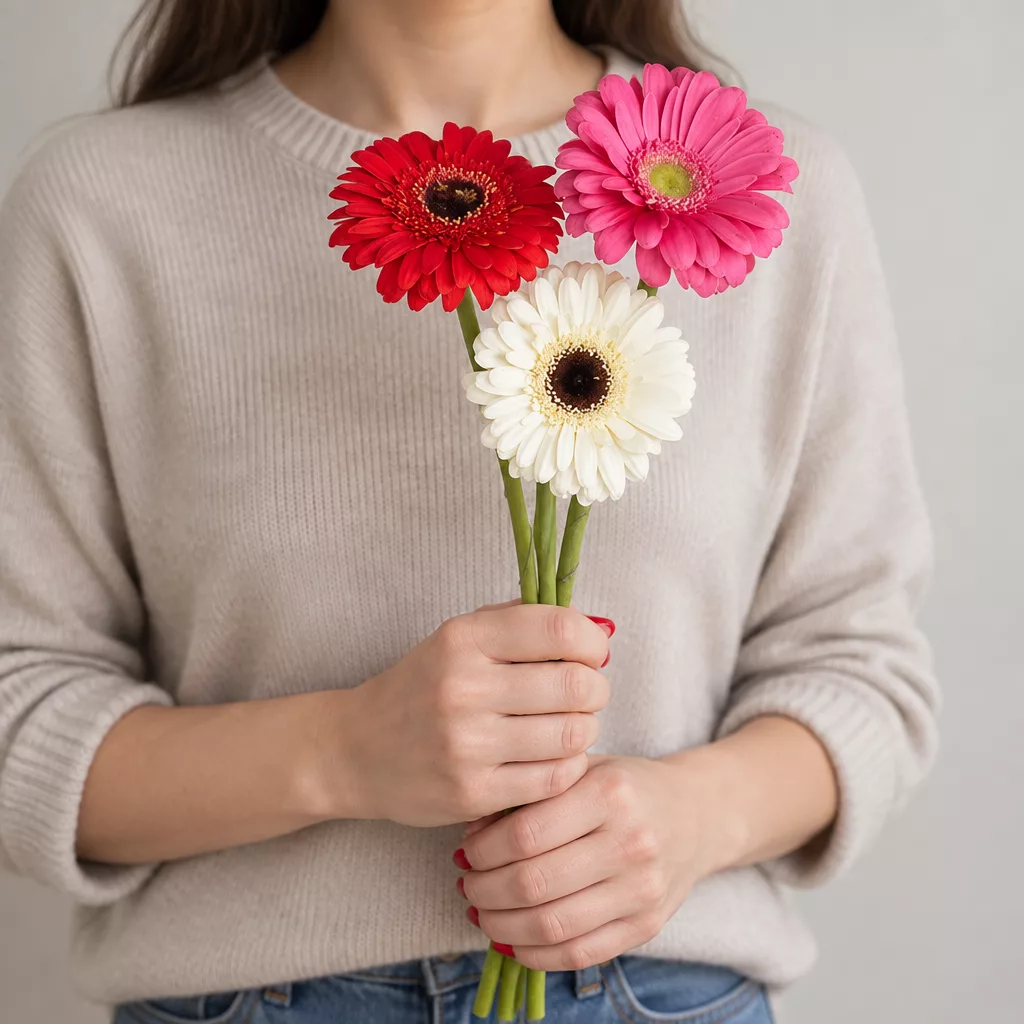
Colour Codes: What Each Shade Communicates to a Russian Recipient
Colour carries specific social weight in Russia, and some combinations that feel neutral or cheerful in other cultures read quite differently here. Yellow flowers deserve the most attention. In Russian tradition, yellow blooms — whether mimosa, yellow chrysanthemums, or golden freesia — are strongly associated with separation, jealousy, and the end of a relationship. Sending a bouquet of yellow roses to a romantic partner or a close friend can genuinely cause distress, even if the flowers themselves are beautiful.
That said, context matters. Yellow mimosa on International Women's Day on the eighth of March is a beloved and accepted tradition — those small, fragrant clusters are practically the national flower of that holiday. Outside of that specific occasion, however, it is safer to steer away from solid yellow arrangements unless you know the recipient well enough to have discussed it.
White flowers are associated with purity and sincerity rather than mourning, so white roses, white lilies, and white eustoma are all excellent choices for a wide range of occasions. Red is the colour of passion and deep respect — red roses remain the most popular romantic gift in Russia by a considerable margin. Pink signals tenderness and admiration, making blush-toned peonies and spray roses ideal for birthdays and thank-you gestures. Purple and violet shades, particularly in lisianthus and lavender, suggest sophistication and are well received in professional or formal contexts. Mixed bouquets with thoughtfully balanced colours are always a safe and generous choice when you are uncertain about the recipient's preferences.
Occasion Timing: When Russians Give Flowers and When They Do Not
Russians give flowers far more frequently than many Western Europeans or North Americans might expect. A bouquet is an appropriate gift for a first meeting with someone important, for a teacher at the end of a school term, for a colleague on their birthday, for a host when you are invited to dinner, and of course for romantic occasions. Arriving at a Russian home empty-handed when you have been formally invited is considered noticeably impolite, and flowers are one of the most graceful solutions.
The calendar also matters. International Women's Day on the eighth of March is the single largest flower-giving event of the year in Russia. Demand surges dramatically in the days leading up to it, and florists across the country work around the clock. If you are planning to send flowers for this date, order at least two to three days in advance. February fourteenth exists and is celebrated, particularly among younger Russians in cities, but it is a much smaller occasion than Women's Day.
Birthdays are another key moment. Russians typically expect flowers to arrive on the day itself — not the day before, which can feel presumptuous, and not the day after, which reads as forgetfulness. If you are sending from abroad and working across time zones, factor in the delivery window carefully. Our team delivers across Russia within one to two hours of order confirmation, which makes same-day birthday deliveries entirely achievable even when you remember at the last minute. Timing a delivery to arrive just before a party begins is considered particularly thoughtful.
Flower Varieties That Russians Love and How to Choose Wisely
Knowing which flowers resonate culturally can elevate your gift from a generic gesture to something genuinely memorable. Roses are the undisputed favourite across all age groups and occasions, with long-stemmed Ecuadorian varieties prized for their large heads and exceptional vase life of up to ten days when kept in fresh water at a cool room temperature of around eighteen degrees Celsius. Red, white, and deep burgundy are the most requested colours year-round.
Peonies hold a special place in Russian hearts, particularly from late May through July when domestic and Dutch-grown varieties are at their peak. Their lush, layered blooms and soft fragrance make them the go-to choice for birthdays and romantic gestures during warmer months. Outside of peony season, garden roses with similarly full heads serve as an excellent substitute.
Tulips are strongly associated with spring and with Women's Day, so a generous bunch of parrot tulips or French tulips in early March feels perfectly seasonal and celebratory. Chrysanthemums, despite their association with autumn and solemnity in some European countries, are widely used in Russia for everyday gifting and are not considered inappropriate for joyful occasions — though it is worth avoiding them for romantic gestures, where roses or peonies feel warmer.
Lilies are popular and fragrant but require a practical note: Oriental lilies produce a heavy pollen that stains fabric and can trigger allergies. If you are unsure about the recipient's sensitivities, ask for the stamens to be removed before delivery, or choose spray roses and eustoma instead for a similarly lush effect without the risk.
Presentation and Packaging: The Details Russians Actually Notice
In Russia, how a bouquet is wrapped and presented is taken seriously. A beautifully composed arrangement handed over in a plastic sleeve from a petrol station reads as careless, while a thoughtfully packaged bouquet in kraft paper or a structured box signals genuine effort. When ordering for delivery, the packaging is part of the gift — recipients often keep wrapping paper or ribbon as part of the memory of the occasion.
Round bouquets, where flowers are arranged in a dome shape with a spiral stem technique, are the classic Russian format and remain the most popular choice for personal gifts. Hand-tied bouquets with trailing greenery and exposed stems are increasingly fashionable in Saint Petersburg and Moscow, particularly among younger recipients who follow European floral trends. Both styles work well; the key is that the arrangement should look intentional and full rather than sparse.
A personal note or card matters enormously. Russians are expressive in written sentiment, and a short handwritten message — even just a sentence — transforms a bouquet into something personal. If you are ordering remotely, most florists will include a printed card with your message. Take the time to write something specific rather than a generic greeting.
On the practical side, flowers delivered in cold weather — and Saint Petersburg winters regularly drop to minus fifteen or colder — should be wrapped in insulating paper to protect petals during transit. Our drivers use insulated packaging on all cold-weather deliveries, but if you are hand-carrying flowers in winter, keep them covered until you step indoors and allow them to acclimatise gradually rather than placing them immediately near a radiator.
Common Mistakes Foreigners Make and How to Avoid Every One
The even-number error is the most frequent mistake, but it is far from the only one. Here are the slip-ups our florists see most often, and the straightforward fixes for each.
Giving potted plants instead of cut flowers. In many countries, a potted orchid or succulent is considered a thoughtful, long-lasting gift. In Russia, potted plants given as a personal gift can be interpreted as a suggestion that the relationship itself needs to be planted and cultivated — in other words, that it does not yet fully exist. Cut flowers are always the safer choice for personal occasions.
Choosing flowers based on your own country's associations. White lilies are a sophisticated gift in Russia; in some Asian cultures they carry mourning associations. Yellow sunflowers are a cheerful staple in Western Europe; in Russia they can veer into the same uncertain territory as other yellow flowers depending on context. When in doubt, red or pink roses sidestep almost every cultural ambiguity.
Ordering too far in advance and expecting freshness. Cut flowers have a finite life. Roses and tulips ordered three days early and left in a warm apartment will not look their best by the time the occasion arrives. Order for same-day or next-day delivery and let the freshness be part of the gift.
Forgetting to account for building access. Russian apartment buildings often have entry codes or intercoms. When placing a delivery order, always include the entrance number, floor, and any door code alongside the street address. A courier with a beautiful bouquet standing outside a locked door at minus ten degrees is a situation everyone wants to avoid.
Russian flower culture is rich, specific, and genuinely warm at its core. The rules around numbers, colours, and timing are not obstacles — they are the vocabulary of a tradition that takes the act of giving flowers seriously. Once you understand them, you are not just sending a bouquet; you are participating in something meaningful. Whether you are congratulating a colleague in Novosibirsk, celebrating a friend's birthday in Saint Petersburg, or thanking a business partner in Moscow, getting the details right transforms a simple purchase into a gesture that will be remembered. Our team at Turboflora is here to help you get every detail exactly right, from the first stem to the final ribbon.
Frequently asked questions
Is it really a big deal if I send an even number of flowers in Russia?
Yes, it genuinely matters. Even numbers of flowers are strongly associated with mourning in Russian culture, and most recipients will notice immediately. It will not cause a dramatic scene, but it will create an uncomfortable moment. Always confirm your bouquet has an odd number of stems — one, three, five, seven, or any odd count works perfectly.
Can I send yellow flowers to a Russian friend for their birthday?
It is risky unless you know the person well and are certain they are not superstitious about it. Yellow flowers traditionally signal separation or jealousy in Russia. For a birthday, blush pink roses, white peonies, or a mixed bouquet with warm coral tones are far safer choices that carry no negative associations and will be received with genuine delight.
What is the best flower to send a Russian woman I want to impress romantically?
Long-stemmed red roses remain the gold standard for romantic gestures in Russia and are unlikely to ever feel wrong. If you want something less conventional but equally impactful, deep burgundy roses or a full bouquet of blush peonies in season signal sophistication and genuine effort. Choose an odd number — eleven or fifteen stems — and include a personal handwritten note.
How early should I order flowers for International Women's Day on March 8th?
Order at least two to three days before the eighth of March. Demand across Russia spikes dramatically in the final week of February and the first days of March. Florists are working at full capacity, and delivery slots fill up quickly. Placing your order early guarantees both the variety you want and an on-time arrival on the day itself.
Do Russians expect flowers to be delivered to the door, or is it acceptable to leave them with a neighbour or building concierge?
Door delivery is strongly preferred and expected. Leaving flowers with a neighbour or concierge is considered impersonal and can feel careless, especially for a significant occasion. When ordering, provide the full address including entrance number, apartment number, and any entry code so the courier can deliver directly to the recipient without delays or substitutions.
Ready to send flowers?
Pick the city, choose the bouquet, and a local florist takes it from there.
Choose a city →