The Russian Flower Rule: Odd Stems, Even Stems and What They Mean
The Russian flower rule is simple: a bouquet for a living person should have an odd number of stems - 1, 3, 5, 7 and so on - while even numbers are reserved for funerals, graves and remembrance. Giving someone an even-numbered bouquet for a birthday is, for many Russians, an uncomfortable mistake.
The rule is not superstition alone; it is etiquette that most people in Russia learned as children, and older relatives in particular notice it. Below I explain where it comes from, when it stops mattering, how it applies to colours and occasions, and how to order a bouquet to Russia that respects it.
Odd for joy, even for mourning
In Russian tradition, odd numbers are associated with life and movement, and even numbers with completion and the end of a life. That is why people bring two, four or six carnations or roses to a funeral or a grave, and three, five or seven to a birthday, a date or a celebration. The custom is shared across Russia, Ukraine, Belarus and much of the post-Soviet space.
The rule is taken seriously. A grandmother who receives four roses may smile politely and quietly remove one before putting them in a vase. A young couple may laugh about it, but many will still notice. When you are not sure how traditional the recipient is, the odd number is always the safe choice.
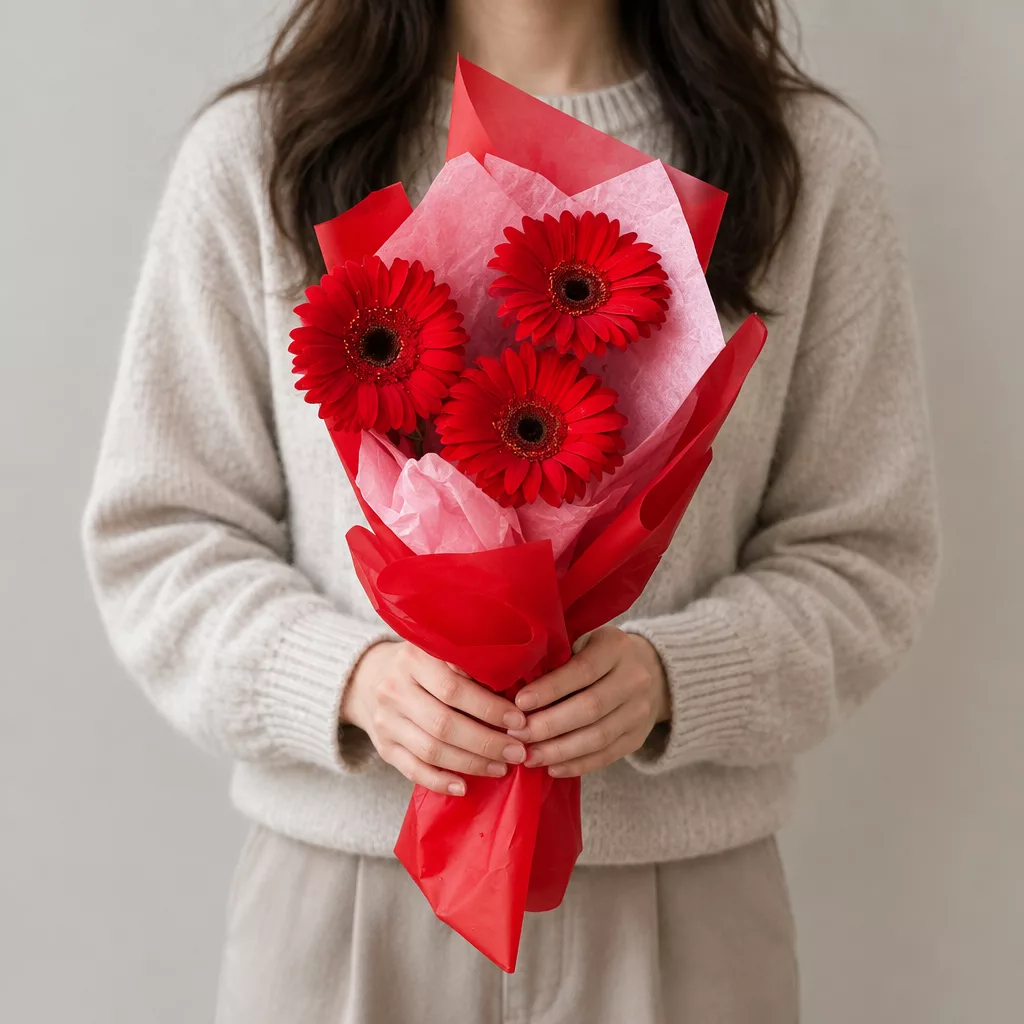
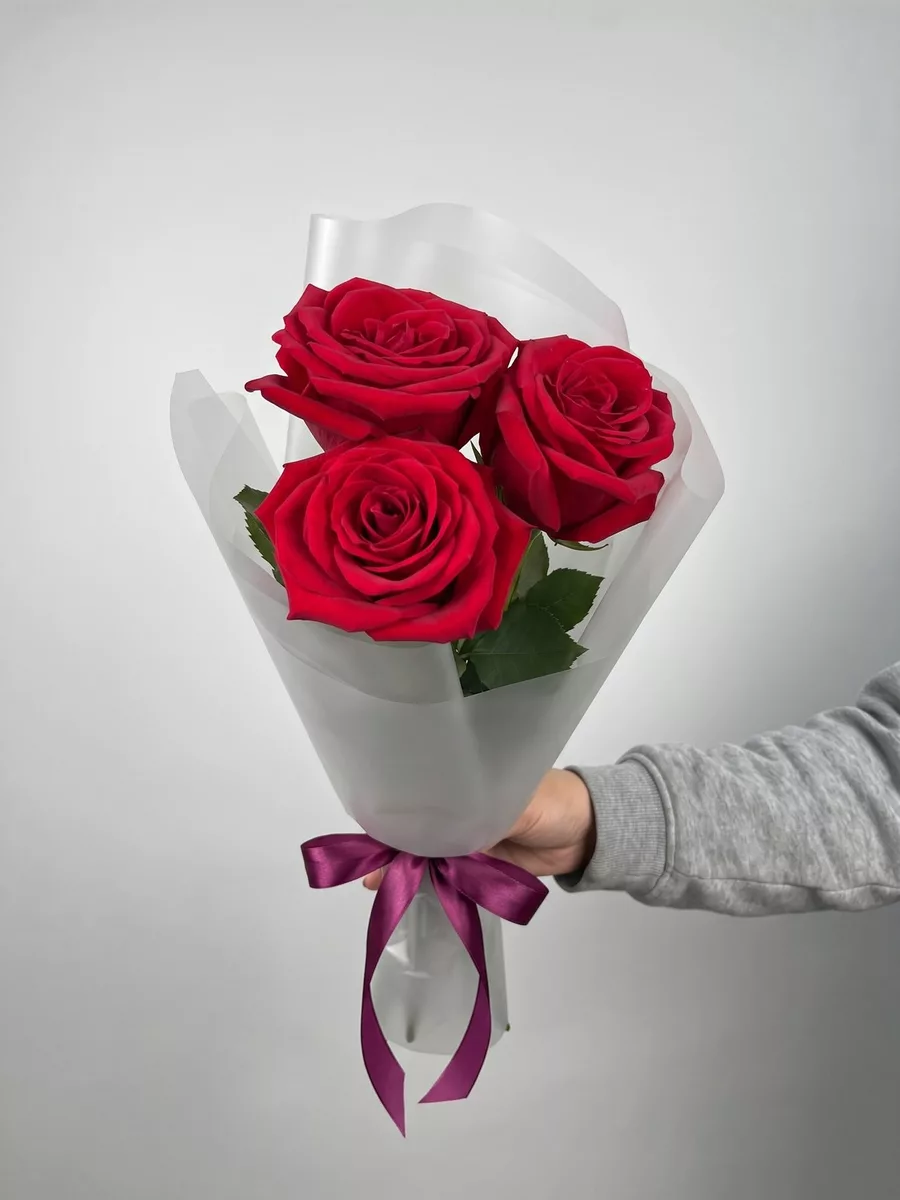
A single flower is perfectly acceptable as a gift: one rose on a date is a classic. Three stems feel modest and personal, five to eleven make a proper gift bouquet, and larger odd counts such as 15, 25 or 51 roses are popular for anniversaries and grand romantic gestures. We have a separate, more detailed guide on the odd-number stem-count rule.
When nobody counts the stems
The rule applies mainly to mono-bouquets and small bouquets where the stems are easy to count: roses, tulips, carnations, chrysanthemums. Once a bouquet passes roughly a dozen stems, especially a mixed arrangement with greenery and several kinds of flowers, the count stops being visible and the rule effectively stops applying.
Spray roses, chrysanthemum sprays and other branched flowers are counted by stem, not by bloom, so a single spray rose stem with five heads is still one flower. Box arrangements, baskets and flower compositions in foam are not counted at all - they are seen as one gift.
Many florists still keep large mono-bouquets odd out of habit: 101 roses rather than 100, 25 rather than 24. It costs nothing and removes any doubt, especially if the bouquet is going to an older relative who may count.
If you are buying flowers in person in Russia, the florist will often ask, "Is it for a celebration?" - this is a polite way of checking the count. Answer yes, and they will make sure the bouquet is odd without you needing to mention it.
Bouquets we can deliver


Colours and flowers with their own rules
Numbers are not the only thing Russians read in a bouquet. Red carnations are strongly linked to Victory Day, war memorials and official ceremonies, so they rarely appear in romantic or birthday bouquets. White chrysanthemums and white lilies can feel funereal to older people when given in an even number or in a sombre arrangement.
Yellow flowers once symbolised separation and betrayal, a meaning that survives in songs and among the older generation. Younger people mostly see yellow as sunny and cheerful, and yellow tulips are a favourite on 8 March. If the recipient is over sixty and the occasion is romantic, though, choose pink, peach, white or mixed colours instead.
Red roses are a clear declaration of love; give them to a partner, not a colleague or a friend's mother. For teachers, doctors and colleagues, mixed seasonal bouquets, pastel roses or chrysanthemums are the usual polite choice.
Potted plants are a different story: they are not counted, and a flowering plant in a pot is a welcome gift for older relatives who prefer something that lasts. Just avoid giving one to a hospital patient, as soil is often not allowed on wards.
A quick counting guide for common occasions
For a first date or a small thank-you, one, three or five stems are ideal: personal, not overwhelming. For a birthday, seven, nine or eleven roses or tulips make a balanced bouquet. Some people like to match the number of roses to the recipient's age when it is odd; when the age is even, florists usually add or remove one stem rather than break the rule.
For anniversaries and proposals, generous odd counts such as 15, 25, 51 or 101 roses are the classic grand gesture. For 8 March and colleagues, small bouquets of three to seven tulips or spray roses are common, since several people are often congratulated at once.
For funerals and remembrance days, bring two, four or six flowers - usually carnations, roses or chrysanthemums in dark red or white. If you are unsure, ask someone in the family; it is a respectful question and nobody will find it strange.
Other Russian flower etiquette worth knowing
Traditionally a man unwraps the bouquet before handing it over, as decorative paper was once considered packaging rather than part of the gift. Modern designer wrapping is now part of the look, so this matters less, but in a restaurant or at a formal event you will still see men removing plain wrapping.
Flowers are given on far more occasions in Russia than in many Western countries. 1 September, the first day of school, means bouquets for teachers; 8 March, International Women's Day, is one of the biggest flower days of the year; birthdays, name days, graduations, premieres and hospital discharges all call for flowers. Arriving at someone's home for the first time with a small bouquet for the hostess is a gracious touch.
Wedding anniversaries have their own traditions too - for example, silver and golden anniversaries are often marked with large, elegant bouquets in matching tones. You can read more in our article on silver and golden wedding flower traditions.
Ordering a bouquet to Russia that follows the rule
If you are abroad and want to send flowers to family or friends in Russia, start with our catalogue and check the stem count in the bouquet description. If you want a specific number, or a bouquet that matches the recipient's age or a meaningful date, agree the details with a manager on WhatsApp - you can also ask for a photo of the bouquet before delivery.
We deliver across Russia. City delivery costs 500 RUB; for remote districts and suburbs the operator confirms the price when confirming the order. In large cities express delivery takes 1-2 hours after confirmation, or you can choose an exact time (plus or minus 30 minutes), a window of 09-12, 12-15, 15-18 or 18-21, or a pre-order 1-30 days ahead. Payment is online on the site by bank card, SBP or Yandex Pay.
Add a card with your text - it is free - and write it in Russian if the recipient does not read English. The courier calls about 15 minutes before arrival; if nobody is home, we agree a second delivery the same day or, with your consent, leave the bouquet with a neighbour or concierge. We deliver bouquets across Russia in 1–2 hours.
Frequently asked questions
What is the Russian flower rule?
Give an odd number of flowers to living people and an even number only at funerals and graves. The rule matters most for small bouquets where stems are easy to count.
Is it rude to give 12 roses in Russia?
Many people would read 12 roses as a funeral number, especially older recipients. Give 11 or 13 instead, or choose a larger mixed bouquet where stems are not counted.
Does the rule apply to large bouquets?
Above roughly a dozen stems, and in mixed bouquets or box arrangements, nobody counts. Many florists still keep large mono-bouquets odd, such as 25 or 101 roses.
Are yellow flowers bad luck in Russia?
Older generations may associate yellow with separation, but younger people mostly see it as cheerful. For a romantic gift to an older recipient, pink, white or peach are safer.
Can I send a bouquet to Russia that follows the rule from abroad?
Yes. Choose a bouquet on turboflora.com, check the number of stems, pay online and add a free card. If you need a particular odd number, agree it with a manager before delivery.
Ready to send flowers?
Pick the city, choose the bouquet, and a local florist takes it from there.
Choose a city →