Wrapped or Unwrapped? What Russians Really Expect When Flowers Arrive
If you have ever ordered flowers for someone in Russia without knowing quite what to expect at the door, you are not alone. The bouquet itself is only half the story. In Russia, the way flowers are presented — the paper, the wrap, the ribbon, the little flourishes of craft and colour — carries its own message before a single petal is even seen. Get it right and the recipient feels genuinely celebrated. Get it wrong and even the most beautiful roses can feel oddly bare.
Why Presentation Is Taken Seriously in Russian Flower Culture
In Russia, giving flowers is a deeply embedded social ritual, and presentation is understood as a direct reflection of how much thought and care you put into the gesture. A bouquet handed over loose, without any wrapping at all, reads as hasty or unfinished — not because the flowers are less beautiful, but because the effort of dressing them properly is missing. This matters whether you are sending roses to a colleague on her birthday, peonies to a mother on the first day of spring, or a mixed bouquet to a friend who just moved into a new flat.
The wrapping is not decorative padding. It signals that someone took time to consider not just what to give but how to give it. Russian florists treat the outer layer of a bouquet as part of the composition itself, choosing colours and textures that complement rather than clash with the flowers inside. A bunch of pale-pink ranunculus wrapped in dusty-rose kraft paper and tied with a velvet ribbon tells a story before the recipient even lifts the flowers out of the courier's hands.
For anyone ordering from outside Russia, or simply unfamiliar with local expectations, understanding this culture of presentation removes a lot of guesswork. You do not need to specify every detail — a good florist reads the occasion and chooses accordingly — but knowing what the conventions are helps you communicate what you want and understand why certain choices are made.
Bouquets we can deliver

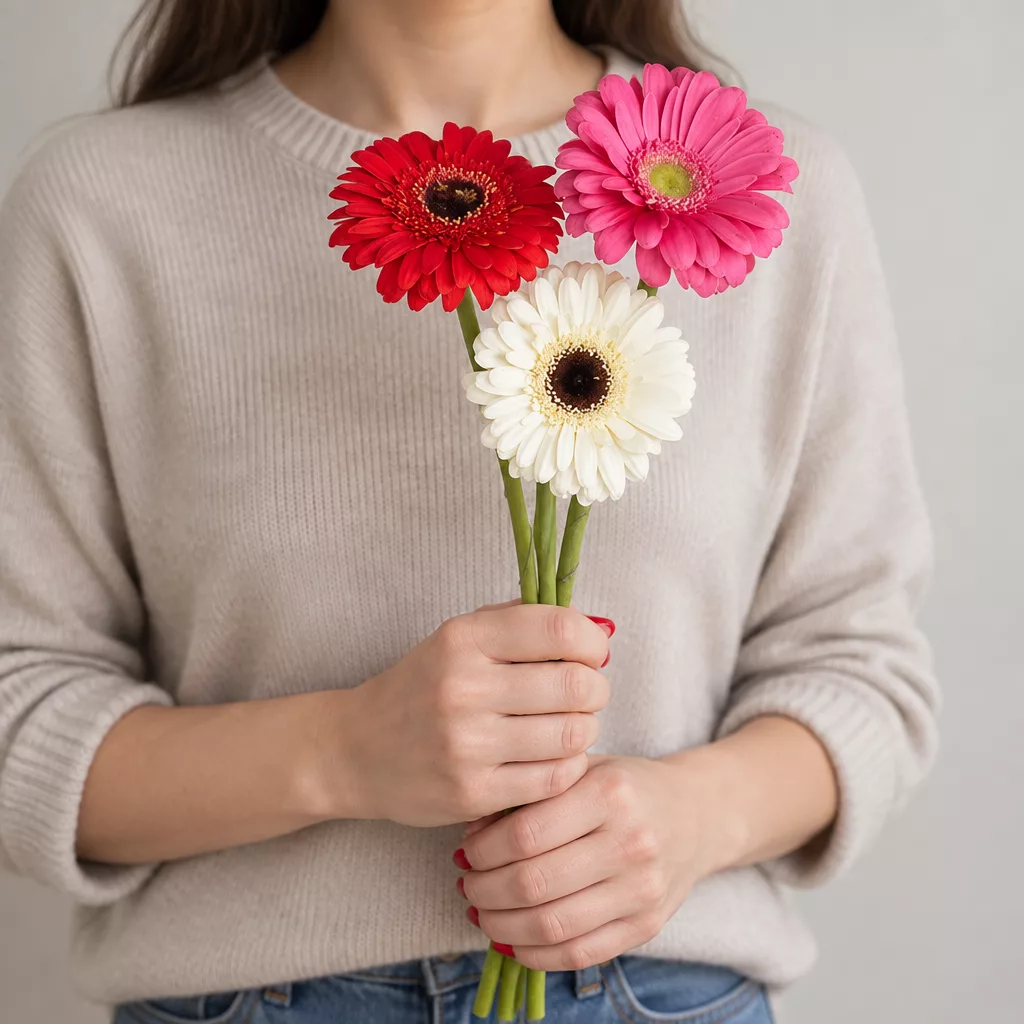

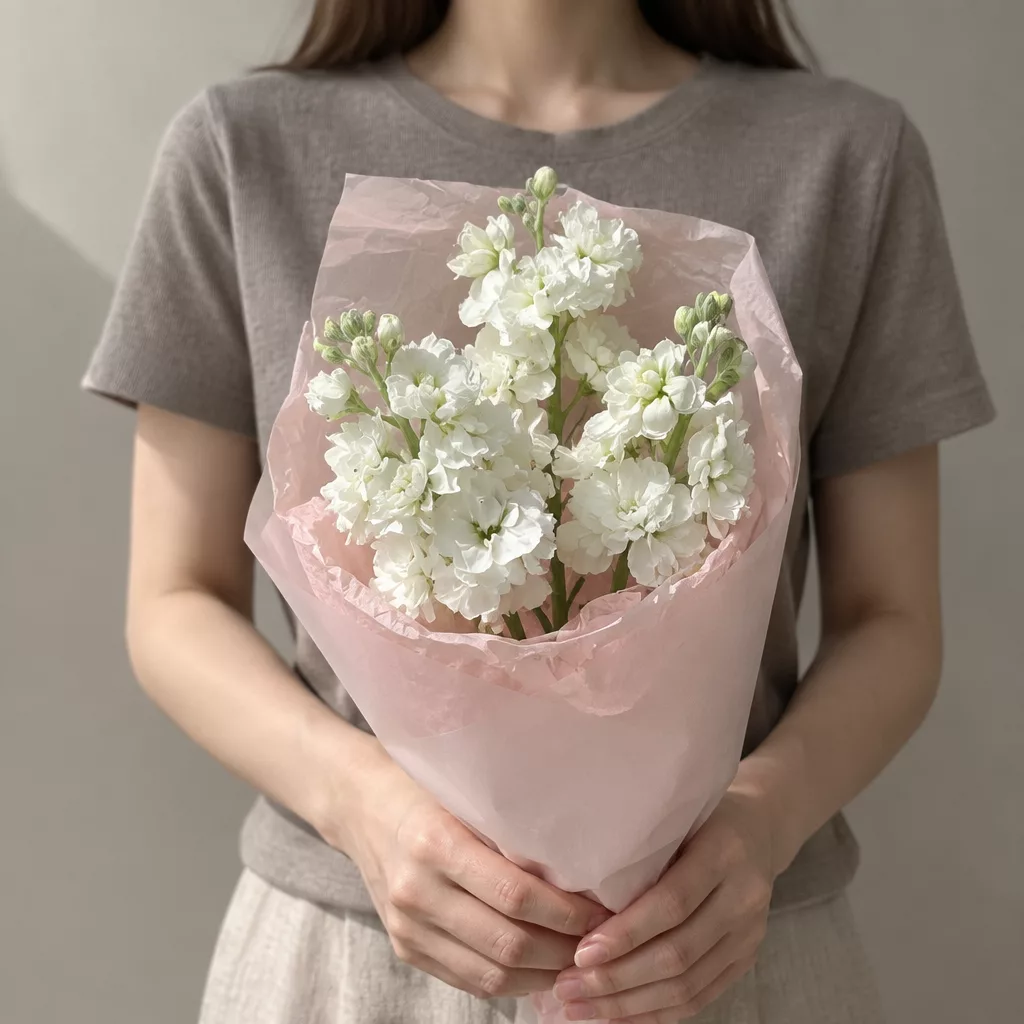
Cellophane, Kraft Paper or Fabric — Which Wrapping Is Used When
The three most common wrapping materials in Russian flower shops each carry a slightly different tone, and experienced florists choose between them based on the occasion, the recipient and the flowers themselves.
Cellophane — the clear or lightly tinted film — was the dominant wrapping style through the 1990s and 2000s and remains widely used today. It protects the flowers well during transport and allows the blooms to be fully visible, which matters when the flowers themselves are the centrepiece: think a tight arrangement of red roses or a bold sunflower bouquet. Cellophane is practical in cold weather because it holds moisture close to the stems and shields petals from frost on the journey between the shop and the door.
Kraft paper, the natural brown or coloured uncoated paper, became popular as Russian floristry moved toward a more European aesthetic in the 2010s. It gives a bouquet a warm, artisan quality that suits garden-style arrangements — loose clusters of lisianthus, eucalyptus, spray roses and seasonal greenery. Kraft paper is often layered: a sheet of coloured tissue or Korean wrapping paper inside, kraft on the outside, so opening the bouquet becomes a small ceremony in itself.
Fabric wraps — burlap, muslin, soft linen — appear less frequently but are used for premium bouquets where texture and weight add to the sense of occasion. They are more common in curated gift arrangements than in everyday delivery. Each material is a choice, not a default, and a florist who knows their craft will match the wrap to the mood of the flowers.
The Role of Ribbon, Twine and Finishing Touches
Once the paper is chosen, the way a bouquet is tied is the next decision — and it is not an afterthought. In Russian floristry, the binding at the base of a bouquet is almost always visible and intentional. Satin ribbon in a complementary colour, velvet ribbon for a richer feel, natural twine for a rustic arrangement, or a simple raffia tie for something minimal and modern — each sends a different signal about the mood of the gift.
A wide satin bow at the base of a bouquet of white calla lilies, for example, makes the arrangement feel formal and celebratory, appropriate for a graduation or an anniversary. The same lilies tied with raw twine would feel considerably more relaxed, better suited to a casual thank-you or a spontaneous gesture. Recipients in Russia notice these details because they have grown up in a culture where florists are expected to think about them.
Beyond the ribbon, small finishing touches matter: a sprig of wax flower tucked into the kraft paper, a dried cotton stem added for texture, a loop of decorative wire holding the wrap in place. These elements do not add significantly to the cost but they do add significantly to the impression. A bouquet that arrives looking composed and considered feels like a proper gift. One that looks as though it was wrapped in a hurry feels like an obligation fulfilled rather than a moment created.
For the person receiving the flowers, these details are the first thing they see and touch, often before they have even registered which blooms are inside.
Seasonal Wrapping Choices and What Changes in Winter
Russia's climate shapes flower presentation in ways that are easy to overlook if you are ordering from a warmer part of the world. In winter — and in Saint Petersburg that means temperatures well below freezing from November through March — protecting the flowers on the journey to the recipient is not just an aesthetic concern, it is a practical one.
Cellophane wrapping becomes particularly important in cold months because it forms a barrier against frost damage. Roses, tulips and ranunculus are especially sensitive to sudden temperature drops: a few minutes of exposure to minus ten degrees without protection can bruise petals or cause them to droop within hours of delivery. A well-wrapped bouquet travels inside a thermal sleeve or a closed box, and the outer wrapping holds warmth close to the stems during the final moments of handover at the door.
In summer, when temperatures in Saint Petersburg can rise into the high twenties, the concern shifts. Heavy cellophane wrapping traps heat and humidity, which accelerates bacterial growth in the water at the base of the stems. Florists adapt by using more open wrapping styles — loose kraft paper, wide-topped designs — and conditioning the flowers carefully before they are packed. Hydrangeas and garden roses, which are particularly popular in summer arrangements, need good airflow to stay fresh during delivery.
Spring is the season of tulips, and tulip bouquets in Russia are almost always wrapped tightly in cellophane or paper that keeps the stems straight, because tulips continue to grow after cutting and will bend toward light if left loose. The wrapping holds the shape of the arrangement until it reaches the recipient.
Odd Numbers, Colours and Presentation Etiquette That Still Applies
Wrapping does not exist in isolation from other Russian flower conventions, and understanding the full picture helps when you are choosing or describing what you want. The most well-known custom is the odd-number rule: bouquets given as gifts in Russia traditionally contain an odd number of stems — five, seven, nine, eleven. Even numbers are associated with mourning and are not given on celebratory occasions. Most Russian florists apply this automatically, but if you are ordering with a specific stem count in mind, it is worth knowing why the number matters.
Colour choices interact with wrapping in interesting ways. White flowers — white roses, white chrysanthemums, white lilies — are perfectly appropriate as gifts in Russia, despite occasional misconceptions. They are frequently given for birthdays, International Women's Day on the eighth of March, and Teacher's Day. White blooms wrapped in deep green kraft paper or forest-coloured tissue create a striking contrast that reads as elegant rather than plain.
Red roses remain the most popular choice for romantic occasions, and their presentation tends to be the most formal: cellophane or deep-toned paper, a satin ribbon, sometimes a small card holder built into the wrapping. Yellow flowers — sunflowers, mimosa, yellow tulips — are cheerful and widely given in spring, often wrapped in bright tissue or natural kraft to reinforce the warm, sunny mood.
The presentation reinforces the meaning of the colour choice. A florist who understands both the flowers and the cultural context will wrap them in a way that amplifies rather than contradicts what you are trying to say with the gift.
What Happens When the Bouquet Arrives — Unwrapping Etiquette
Receiving flowers in Russia comes with its own small set of conventions that are worth knowing, especially if you are sending flowers to someone on your behalf. The recipient typically does not immediately strip the wrapping off in front of the delivery person. The bouquet is received, admired in its wrapped state, and then the unwrapping happens privately or in the company of close friends and family — almost like opening a gift.
This is why the inside of the wrapping matters as much as the outside. When someone unfolds the kraft paper or peels back the tissue, the inner layer should be as considered as the outer one. A sheet of soft Korean wrapping paper in a contrasting colour, a small sachet of flower food tucked beside the stems, a handwritten card slipped between the layers — these are the details that make unwrapping feel like a discovery rather than a formality.
The stems are checked once the bouquet is open. In Russian flower culture, the recipient expects the stems to be fresh-cut and clean, without excess leaves below the waterline and without any sign of browning at the base. A good florist prepares the stems properly before wrapping so that the flowers are ready to go directly into a vase with minimal fuss. Including a sachet of flower food is standard practice and recipients know to use it.
For the sender, knowing that the unwrapping moment is a small ceremony in itself is useful context. It means the care you put into the presentation — or the care your florist puts in — will be noticed, appreciated and remembered long after the flowers themselves have faded.
Choosing the Right Presentation for the Person and the Moment
The best way to think about wrapping is to start from the recipient rather than from the flowers. A young woman who loves colour and texture will appreciate a bouquet wrapped in layers — bright tissue inside, kraft outside, a wide velvet ribbon — that feels playful and abundant. An older recipient who values elegance might prefer a cleaner presentation: white or ivory paper, a simple satin ribbon, no excess. A colleague receiving flowers for a professional milestone might feel most comfortable with something polished and restrained rather than dramatically romantic.
The occasion shapes the presentation just as much as the person. A birthday calls for something celebratory — bold wrapping, a flourish of ribbon, perhaps a decorative element like a dried orange slice or a cinnamon stick tucked into the paper for texture and scent. A thank-you bouquet reads better when it is warm and personal rather than grand: loose kraft paper, natural twine, garden-style flowers like sweet peas, lisianthus or spray roses.
When ordering for delivery, describing the recipient briefly helps the florist make the right choices. Saying that the recipient is a creative person who appreciates unusual combinations is more useful than specifying every element. A florist who is paying attention will translate that description into a presentation — a mix of anemones, thistle and eucalyptus wrapped in dark green paper with raw twine — that feels specific and considered rather than generic.
Presentation, ultimately, is the part of the bouquet that communicates the sender's intention. The flowers say what you feel. The wrapping says how much you thought about it.
In Russia, a bouquet without wrapping is a little like a letter without an envelope — technically complete, but missing something that signals care and intention. Whether it is the choice between cellophane and kraft paper, the width of the ribbon, or the small sheet of tissue tucked inside, every element of presentation is read by the recipient as part of the gift itself. For anyone sending flowers in Russia, understanding this is not about following rules for their own sake. It is about knowing that the moment your flowers arrive at someone's door, the first thing they will see, touch and remember is the way those flowers were dressed. Make that moment count. We deliver bouquets across Russia in 1–2 hours.
Frequently asked questions
Is it rude to give unwrapped flowers in Russia?
It is not considered rude in the way that a direct insult would be, but an unwrapped bouquet does feel unfinished to most Russian recipients. The wrapping signals effort and thought. A bare bunch of flowers, however beautiful, tends to read as hasty. If you are sending flowers for any meaningful occasion, wrapping is simply expected as part of the gift.
Does the colour of the wrapping paper carry meaning?
There are no strict rules, but experienced florists choose wrapping colours to complement the flowers and reinforce the mood. Warm tones like terracotta or burgundy paper suit rich, romantic arrangements. Soft neutrals work with pastel flowers. Dark green or forest tones make white blooms look striking. The wrapping should feel like a deliberate choice, not a leftover roll of whatever was available.
Should I include flower food with a delivered bouquet in Russia?
Yes, and most professional florists include a sachet of flower food as standard. Russian recipients are generally familiar with how to use it — dissolving it in the vase water extends the life of the flowers noticeably. Roses and tulips in particular benefit from it. It is a small practical detail that shows the florist has thought about what happens after the flowers arrive.
Why do Russian bouquets often have so many layers of wrapping?
The layered approach — tissue inside, kraft paper outside, ribbon at the base — turns the bouquet into something closer to a wrapped gift. Unwrapping it becomes a small ceremony. Each layer also serves a purpose: the inner tissue protects delicate petals, the outer paper holds the shape, and the ribbon keeps everything together. The layers are practical and ceremonial at the same time.
Does wrapping style change depending on the type of flowers?
Absolutely. Tight, structured bouquets of roses or calla lilies suit formal wrapping with clean folds and satin ribbon. Loose, garden-style arrangements of ranunculus, lisianthus or seasonal greenery look better in relaxed kraft paper with natural twine. Tulips are almost always wrapped firmly to keep the stems straight during transit, since they continue to grow and bend toward light after cutting.
Ready to send flowers?
Pick the city, choose the bouquet, and a local florist takes it from there.
Choose a city →