Russian Wedding Flowers: Bridal Bouquet Traditions Explained
You are planning a Russian wedding — or attending one for the first time — and you want to get the flowers exactly right. The bridal bouquet in Russia is not simply a decoration; it carries meaning that guests and family will read instantly. The flowers a bride holds, the way a guest arrives with a bouquet, even the moment a bouquet is tossed — each step follows a logic shaped by decades of Soviet-era floristry, older folk belief, and a very modern appetite for beauty. This guide walks you through all of it, from the first bloom chosen to the last petal saved.
What the Russian Bridal Bouquet Looks Like Today
The contemporary Russian bridal bouquet has moved far from the tight, round posies that dominated the 1990s. Today's brides lean toward loose, garden-gathered shapes — asymmetrical arrangements that look as though the flowers were just cut from a country estate. Peonies, garden roses, ranunculus, and lisianthus appear most often, chosen for their layered petals and the sense of abundance they create in photographs and in person.
That said, the bouquet is almost always white or very pale. Ivory, blush, and the softest champagne tones remain the dominant palette. A Russian bride who carries a vivid red bouquet is making a deliberate, fashion-forward statement — it is not the default. Greenery is used generously: eucalyptus, ruscus, and soft fern fronds add depth without competing with the blooms.
Size matters here more than in many Western traditions. Russian bridal bouquets tend to be substantial — not so heavy that the bride's arms tire, but full enough to photograph beautifully and feel like a proper gift from the groom. A cascade style, where stems and trailing greenery fall below the hand, has seen a revival among brides who want something more dramatic. The florist's job is to balance that drama with practicality, because a Russian wedding day is long — ceremonies, outdoor photographs, a restaurant banquet — and the bouquet must hold its shape through all of it.
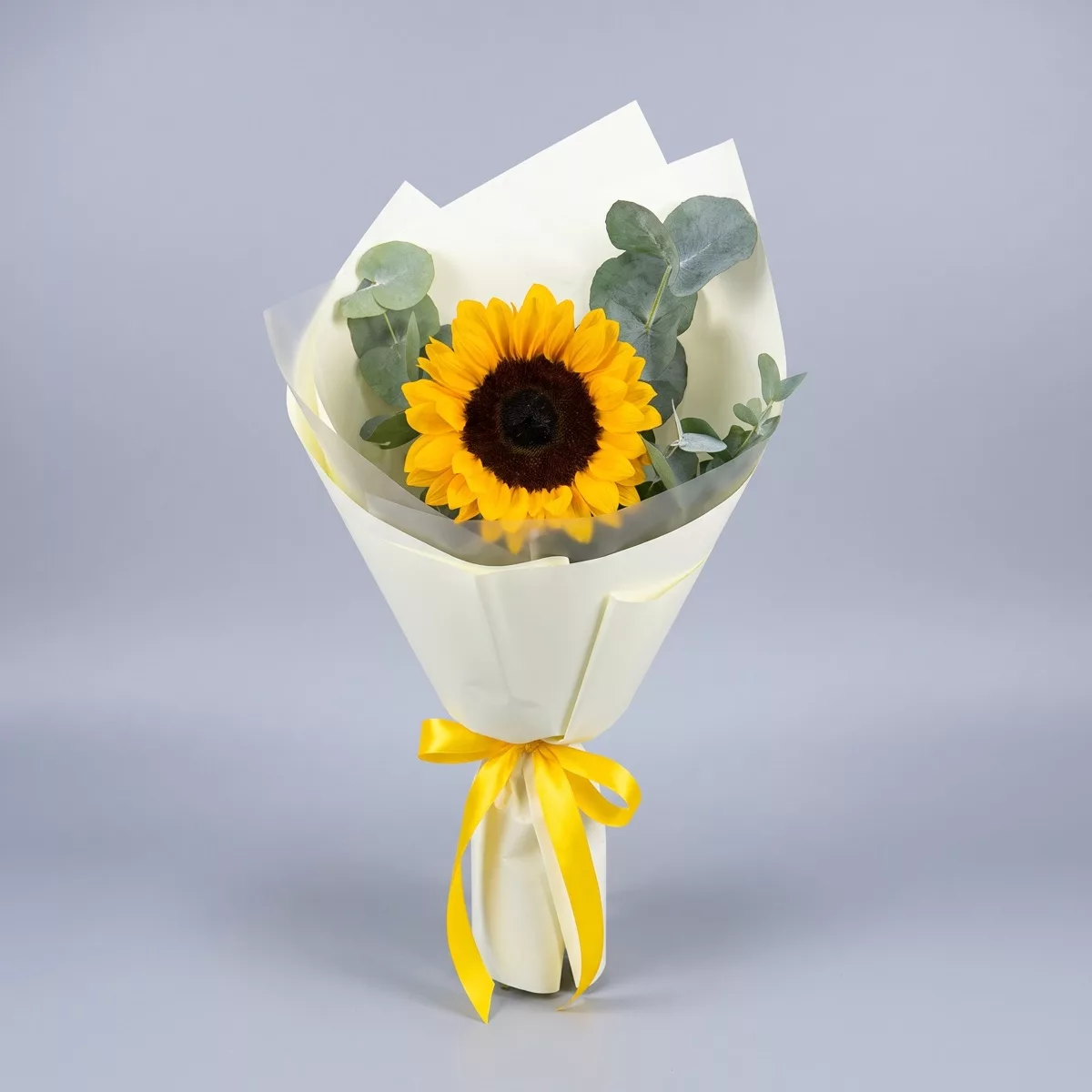
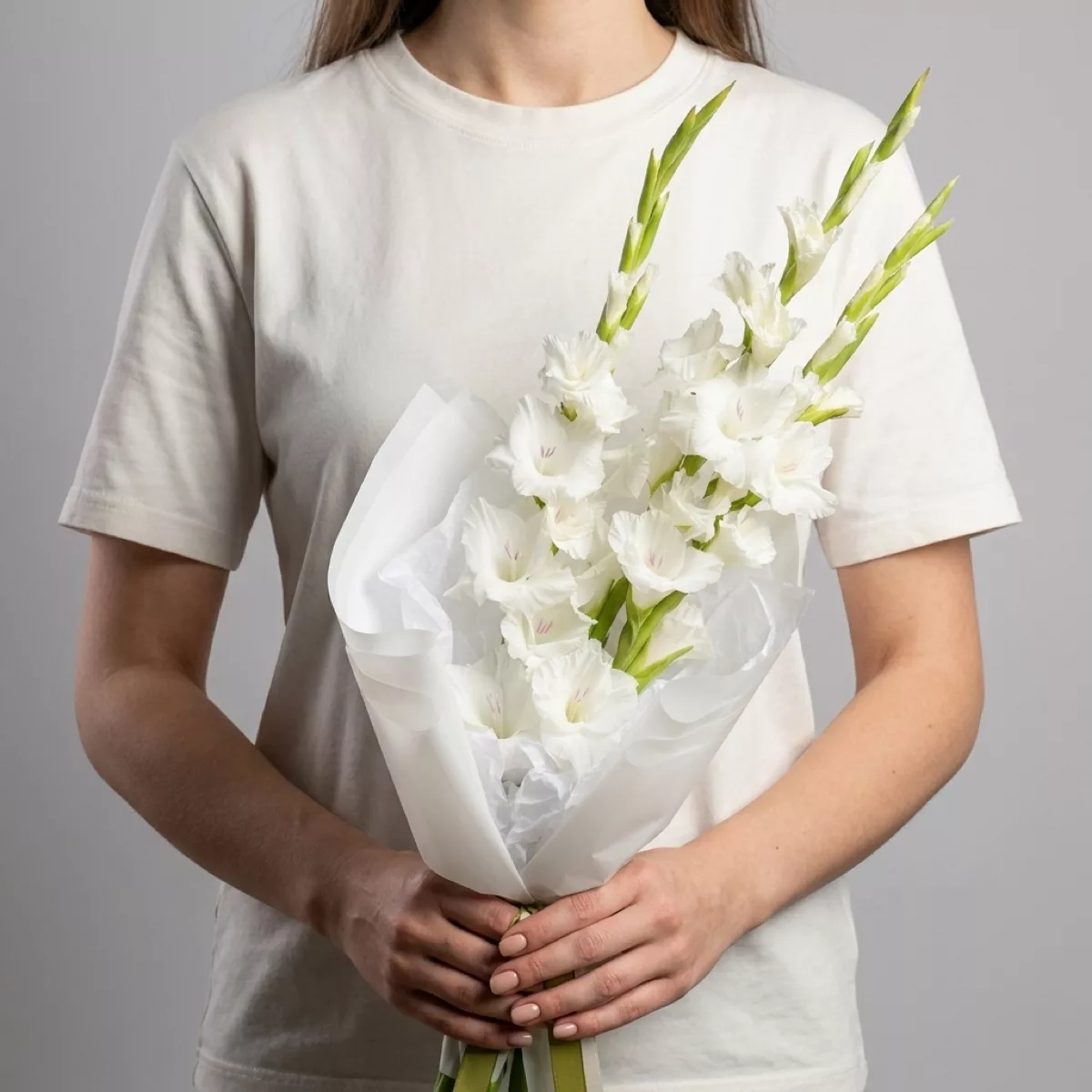
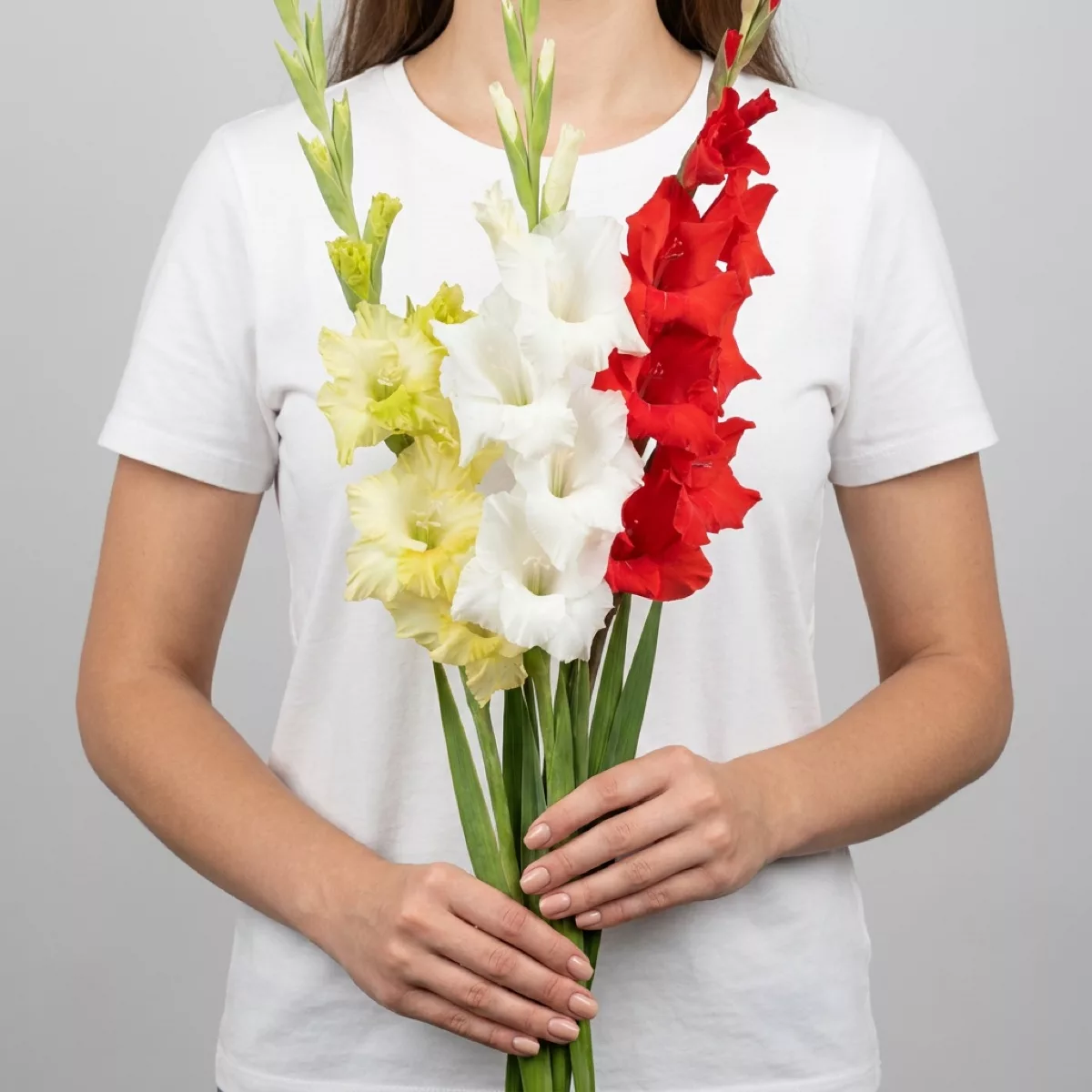
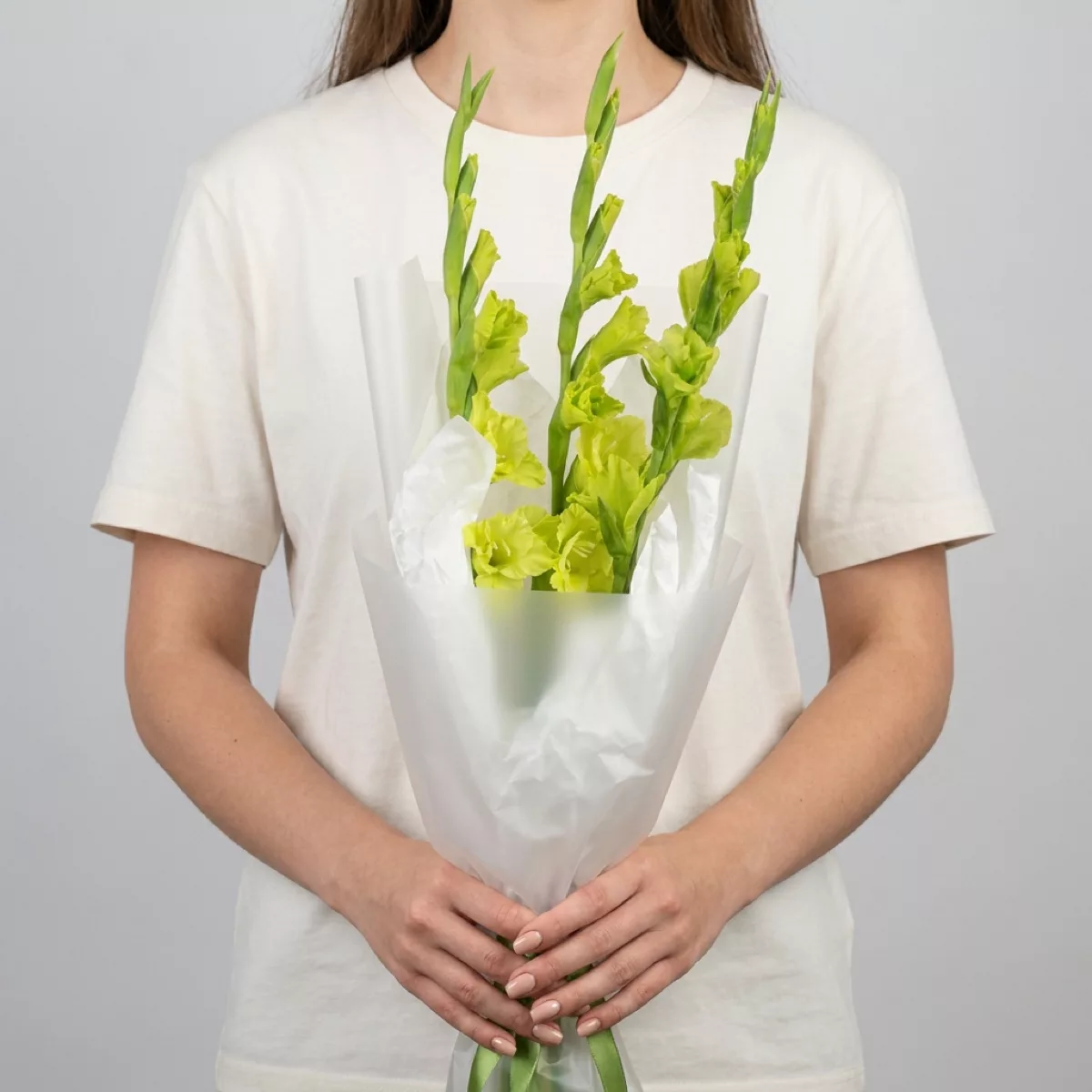
Bouquets we can deliver
Which Flowers Are Considered Lucky for a Russian Bride
Folk belief in Russia attached specific meaning to flowers long before Instagram mood boards existed, and some of those associations still shape choices today. White roses have been a symbol of purity and a successful new beginning for generations, which is why they remain the single most requested flower for bridal work across the country. Peonies carry connotations of prosperity and a happy home — a peony bouquet is seen as an auspicious start to married life, not merely a pretty one.
Lilies of the valley, known in Russian as landyshi, are considered particularly tender and romantic. They are delicate, intensely fragrant, and associated with spring renewal. When they are in season — roughly late April through early June — many brides specifically request them, either as the main flower or woven through a larger arrangement. Their small scale means they work best combined with something that adds visual mass, such as garden roses or ranunculus.
What brides actively avoid is equally instructive. Yellow flowers carry an old association with separation and unfaithfulness in Russian popular belief, so they are rarely chosen for a bridal bouquet even when fashion elsewhere embraces them. Chrysanthemums, while widely sold and loved for other occasions, are strongly associated with funerals and are almost never used in wedding floristry. A florist working on a Russian wedding will know both of these conventions instinctively, but if you are ordering from outside Russia it is worth stating them clearly so nothing goes wrong on the day.
The Groom's Role: Presenting the Bouquet Before the Ceremony
In Russia, the bridal bouquet is traditionally given by the groom, not carried in by the bride herself. The moment of presentation happens before the official ceremony — often at the bride's family home or apartment, as part of the wedding morning rituals called vykup nevesty, the playful 'ransom' of the bride. The groom arrives with the bouquet already in hand, and presenting it is one of his first acts of the day.
This means the bouquet must travel well. If the ceremony is in summer and outdoor temperatures are high, the florist needs to condition the stems properly and wrap the bouquet in water-retaining material for transport. Roses and peonies in particular are sensitive to heat above 25 degrees Celsius — they open fast and can look tired within two hours if not handled carefully. A good florist will cut stems at an angle, hydrate them overnight, and wrap the base in damp tissue before the final presentation wrapping goes on.
The wrapping itself is part of the gift. Satin ribbon, organza, and kraft paper with a satin bow are all common. The colour of the ribbon is often coordinated with the bride's dress details or the groom's boutonniere. Some couples request that the ribbon matches the bridesmaids' sashes. These small connections across the wedding party are noticed and appreciated by Russian guests, who tend to pay close attention to the coherence of the overall look.
How Guests Bring Flowers to a Russian Wedding
Arriving at a Russian wedding empty-handed is not an option. Guests almost universally bring flowers — separate from any monetary gift — and the etiquette around this is specific enough to trip up anyone unfamiliar with the tradition. The bouquet a guest brings is presented to the bride, not left on a table. It is handed directly, with a brief congratulation, and the bride will hold it or pass it to a bridesmaid who collects the accumulating armfuls throughout the evening.
Odd numbers are the rule for guest bouquets in Russia. Three, five, seven, nine, eleven stems — always an odd count. Even numbers are reserved for mourning, and bringing an even-numbered bouquet to a wedding would be considered a serious faux pas. Most guests opt for five or seven stems of something striking: garden roses, gerberas, tulips in season, or alstroemeria for a more affordable but still generous look.
Colour choices for guest bouquets are more relaxed than for the bridal arrangement. Bright pinks, deep purples, warm corals — all are welcome. The one colour guests typically avoid is yellow, for the same reasons the bride avoids it. White is also used carefully: a full white bouquet from a guest can feel overly bridal and is sometimes seen as stepping on the bride's visual territory, though this rule is softer than the yellow prohibition.
Timing matters too. Flowers should be fresh. If a guest is travelling from another city, ordering delivery directly to the venue on the day is far more reliable than carrying stems on a train or plane.
Seasonal Choices and What to Expect at Different Times of Year
Russia's climate means that wedding floristry shifts noticeably across the calendar, and a florist who knows this will steer you toward what will look best and last longest at your specific date. Spring weddings — April through early June — are the most coveted season for flowers. Tulips, ranunculus, and lilies of the valley are at their natural peak, and peonies begin arriving from domestic growers in late May. The cool temperatures of a Saint Petersburg spring are genuinely helpful: bouquets hold longer, petals stay firm, and there is less risk of wilting during the outdoor photography session.
Summer weddings in July and August are popular but demanding for floristry. Roses and lisianthus are workhorses in this season — they handle heat better than peonies or sweet peas. Hydrangeas, which photograph beautifully in full summer light, need careful conditioning and should be kept in water right up until the last moment before the ceremony. Brides planning summer weddings should ask their florist specifically about heat management rather than assuming it will be handled.
Autumn brings dahlias, which have become enormously fashionable for Russian weddings in recent years. Their structured, layered petals photograph like garden roses but carry a distinctly seasonal warmth. Café au lait, burgundy, and terracotta dahlias suit the amber light of a September or October wedding beautifully. Winter weddings lean on roses, amaryllis, and rich foliage — pine, magnolia leaves, eucalyptus — to create a sense of warmth against the cold outside.
Keeping the Bridal Bouquet Fresh Through a Long Russian Wedding Day
A Russian wedding is not a brief affair. The civil ceremony at the registry office, outdoor photographs at city landmarks, a church blessing if the couple is religious, and then a banquet that begins in the early evening and runs well past midnight — the bouquet will be present for all of it. Keeping it looking its best requires planning that starts the day before.
Stems should be cut and conditioned at least twelve hours before the wedding morning. This means the florist assembles the bouquet the evening before and stores it overnight in a cool room — ideally between 4 and 8 degrees Celsius — with the stems in fresh water. Flowers that have been properly hydrated overnight are far more resilient than those assembled on the morning of delivery.
During the day, the bride should keep the bouquet out of direct sunlight whenever possible and away from heating vents or air conditioning outlets, both of which dry petals quickly. Between moments when she is holding it for photographs, the bouquet should rest with its stems in a small amount of water — many experienced wedding coordinators keep a tall glass or a small vase in the bridal suite for exactly this purpose.
At the end of the evening, many Russian brides choose to preserve a few stems from their bouquet by pressing them or drying them upside down in a dark, dry room. Roses and lisianthus dry particularly well this way. The bouquet toss, if the couple chooses to include it, typically happens toward the end of the banquet — so the bride has already had hours to enjoy the flowers before they pass to a lucky guest.
Russian wedding floristry rewards attention to detail — the right flowers for the season, the right count for a guest bouquet, the right palette for a bride who wants to honour tradition while looking entirely her own. Whether you are the bride choosing what to carry, the groom arriving with the morning bouquet, or a guest wanting to bring something genuinely beautiful, the choices you make with flowers will be noticed and remembered. Turboflora delivers fresh, professionally assembled bouquets across Russia within one to two hours, which means that even last-minute wedding flowers can arrive in perfect condition — conditioned, wrapped, and ready for a day that deserves nothing less.
Frequently asked questions
Why do Russian guests always bring an odd number of flowers to a wedding?
In Russian tradition, even numbers of flowers are associated with mourning and are brought to funerals. Odd numbers — three, five, seven, or more — are considered appropriate for celebrations. Bringing an even-numbered bouquet to a wedding is seen as a significant social mistake, so most guests stick firmly to odd counts regardless of the flower type they choose.
Can a guest bring yellow flowers to a Russian wedding?
It is best avoided. Yellow flowers carry a long-standing folk association with separation and unfaithfulness in Russian popular belief. While younger couples may not take this seriously, older family members almost certainly will. Choosing a different colour — bright pink, coral, purple, or white — is a safer and more universally welcome option for a guest bouquet at any Russian wedding.
When should the groom's bouquet be delivered on the wedding morning?
The bouquet should arrive at least thirty minutes before the groom needs to leave for the bride's home. This allows time to check the arrangement, adjust any ribbon or wrapping, and ensure the stems are properly wrapped for transport. In summer, factor in heat: flowers left in a warm car deteriorate quickly, so plan the delivery window to minimise time between receipt and presentation.
Are peonies available for weddings year-round in Russia?
Peonies have a natural season running from late May through July. Outside this window, they are available from imported stock — primarily from the Netherlands and Ecuador — but prices rise and quality can vary. If peonies are essential to your bouquet and your wedding falls in autumn or winter, discuss this with your florist early so the best available stems can be sourced and conditioned properly.
What is the best way to preserve a Russian bridal bouquet after the wedding?
Hanging the bouquet upside down in a dark, dry room is the most reliable method for home preservation. Roses and lisianthus hold their shape well this way over two to three weeks. Avoid humid spaces like bathrooms. Some brides press individual blooms between heavy books for a flatter keepsake. Silica gel drying is faster and retains colour better, but requires purchasing the gel in advance.
Ready to send flowers?
Pick the city, choose the bouquet, and a local florist takes it from there.
Choose a city →