Scheduled Flower Delivery in Russia: Choose Your Exact Time Window
You already know she leaves the office at six. You know he takes his lunch break at one. You know the anniversary dinner starts at eight, and you want the flowers waiting on the table before she walks through the door. That is exactly the kind of moment scheduled delivery was built for — not just getting flowers there, but getting them there at the right second, when the feeling lands hardest.
Why Timing a Flower Delivery Feels So Different in Russia
In Russia, a surprise gift arriving at the door is a deeply personal gesture. Unlike dropping something off at a reception desk or leaving it with a neighbour, a timed delivery to a home address or workplace says that someone thought carefully about your day — your routine, your schedule, your habits. That level of attention is noticed and remembered.
Russian recipients tend to be home-oriented in their celebrations. Birthdays, anniversaries, and name days are often marked at home first, before any restaurant or gathering. Arriving flowers before the person has even started getting ready for the evening sets the whole tone of the day. A bouquet of garden roses or ranunculus sitting on the kitchen table when someone wakes up on their birthday is a completely different experience from the same bouquet arriving after dinner.
Workplace deliveries carry their own weight too. Russia has a strong culture of celebrating colleagues — March 8th, professional holidays, milestone birthdays. A bouquet arriving precisely at noon, in front of the whole team, is a moment. Timing it for the middle of the working day rather than the end means the flowers are seen, admired, and talked about. They become part of the day rather than a footnote to it.
All of this means that choosing a time slot is not a logistical detail — it is a creative decision. It shapes how the gift feels, who witnesses it, and how long the recipient carries the memory.
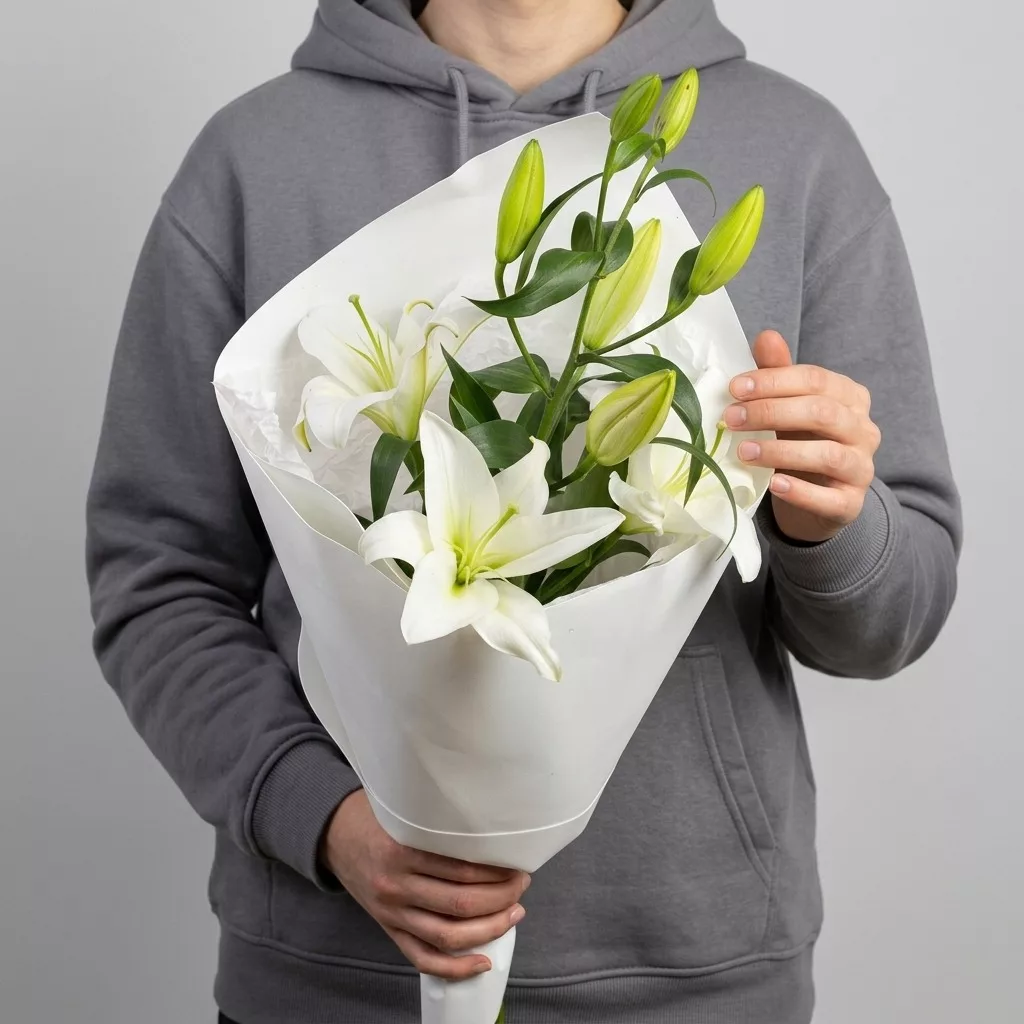
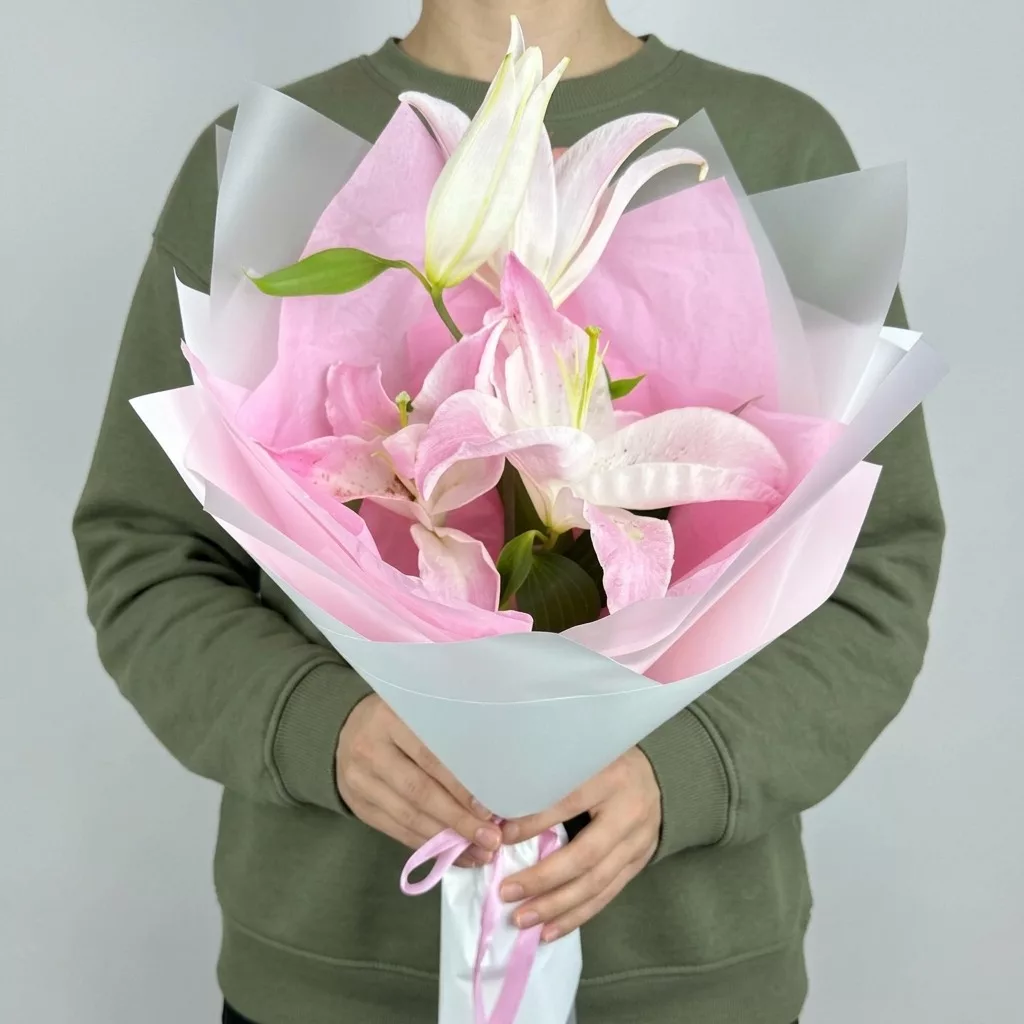
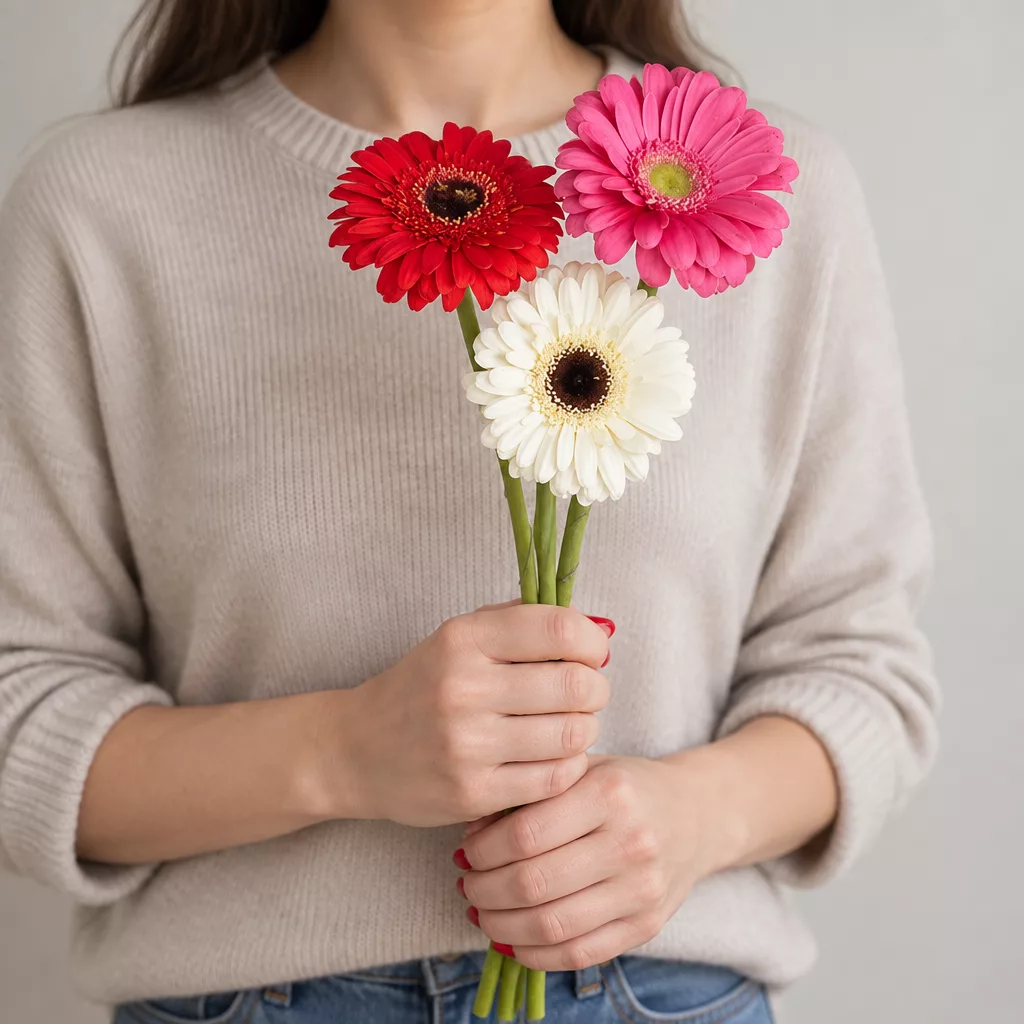
Bouquets we can deliver

How the Scheduling System Actually Works
When you place an order with Turboflora, you choose a delivery date and a specific time window rather than simply requesting same-day service. Time slots are typically offered in one- to two-hour windows throughout the day, from morning through late evening. You pick the window that fits the recipient's schedule, and the team builds the bouquet and dispatches the courier to arrive within that window.
The process begins at the florist bench, not at a dispatch centre. Once your order is confirmed with a scheduled time, the flowers are prepared as close to the delivery window as possible. This matters enormously for freshness. A bouquet of peonies or tulips assembled eight hours before delivery and left in a warm van will look very different from one assembled ninety minutes before it reaches the door. Scheduling lets the team time the preparation, not just the drive.
For surprise deliveries, you can add a note to the order specifying that the recipient should not receive any advance message or call. Couriers are briefed accordingly. If the recipient is not home during the window, there is a standard protocol: the courier will attempt to contact you, the sender, rather than the recipient, so the surprise is preserved as long as possible.
It helps to give accurate information about the delivery address — floor number, entry code, whether there is a doorman or security desk. In many Saint Petersburg and Moscow apartment buildings, entry systems and intercoms can slow a delivery by several minutes, and knowing the details in advance keeps everything on schedule.
Choosing the Right Flowers for a Timed Surprise
The occasion shapes the bouquet, but the timing shapes the choice of varieties. If you are scheduling a morning delivery, you want flowers that open gradually through the day — tight-budded roses, closed ranunculus, or spray chrysanthemums that will unfurl by the time the recipient is home from work. A fully open peony delivered at seven in the morning may be past its best by evening.
For an evening delivery to a dinner table or a birthday celebration at home, fuller, more dramatic arrangements work beautifully. Garden roses at three-quarter bloom, lisianthus, and dahlias in season all hold their shape well into the night and photograph wonderfully in candlelight. These are the flowers that feel like a statement.
Temperature matters more than most people realise. In Russian winters, when outdoor temperatures regularly drop below minus ten or minus fifteen degrees Celsius, delicate flowers like anemones or sweet peas can suffer even in a short journey from van to door. For cold-weather scheduled deliveries, sturdier varieties — alstroemeria, carnations, solidago — hold up better, and the courier carries the bouquet in insulated packaging. If you are ordering in January or February, mention this when you place your order and the florist will guide the selection.
For a workplace delivery, consider the setting. A tight, structured bouquet in a cylinder vase travels better than a loose, sprawling arrangement. It also sits neatly on a desk without overwhelming the space. Monochrome combinations — all white, all blush, all deep burgundy — tend to read as more considered and intentional when they arrive in a professional environment.
The Best Occasions to Pre-Schedule a Delivery
Birthdays are the obvious choice, but scheduled delivery earns its place in a much wider range of moments. Think about the occasions when timing is part of the meaning — when arriving too early or too late would change everything.
Anniversaries are a strong example. If a couple has a reservation at a restaurant for eight in the evening, flowers arriving at seven means they are discovered while getting dressed, while the anticipation is building. That is a very different emotional beat from flowers arriving the next morning. A scheduled delivery for mid-afternoon gives the recipient time to arrange the bouquet, take a photograph, and feel celebrated before the evening even begins.
Return-home surprises are another powerful use of scheduling. Someone coming back from a long work trip, a hospital stay, or a difficult period abroad walks through the door to find flowers already waiting. This requires knowing the approximate arrival time — a flight landing at three, a train arriving at five — and scheduling delivery for thirty to forty-five minutes later, allowing for transit from the station or airport.
Professional milestones — a promotion, a successful project, a first day at a new job — often happen on known dates. Scheduling flowers to arrive at the office at the start of the working day, before the recipient has even settled in, turns an ordinary Tuesday into something they will talk about for weeks.
In Russia, name days are celebrated with the same warmth as birthdays, though they are less widely known outside the country. A name day is tied to the Orthodox calendar and the saint's name a person shares. If you know someone's name day, a scheduled morning delivery is an unexpectedly thoughtful touch.
Practical Details That Make Scheduling Work
The most common mistake with scheduled deliveries is providing an approximate address and expecting the courier to figure out the rest. Russian residential buildings, particularly in Saint Petersburg and Moscow, often have multiple entrances, coded gates, and intercom systems that are not always obvious from the street. A missing entrance number can cost ten to fifteen minutes — enough to push the delivery outside the chosen window.
When you book, include the full address with apartment number, entrance number if the building has more than one, floor, and any access code for the main door. If there is a concierge or security desk, note whether they can accept deliveries. For office buildings, include the floor and the name of the company, and confirm whether the building requires a visitor pass or advance registration for couriers.
For surprise deliveries, think about who else might be present. If you are sending flowers to a shared apartment, someone other than the recipient may open the door. You can add a note asking the courier to request the recipient by name before handing over the bouquet. Small details like this are worth including in the order comments.
Advance booking also helps the florist source specific flowers. If you want peonies in November or lily of the valley in October — flowers that are available but not always in stock — booking two or three days ahead gives the team time to source them. Last-minute scheduled orders are absolutely possible, but the variety selection will be limited to what is already in the shop. For a truly specific vision, early booking is the better path.
Keeping the Flowers Beautiful After Delivery
A perfectly timed delivery deserves flowers that last. The care the recipient gives the bouquet in the first thirty minutes after it arrives will determine how it looks for the rest of the week.
The most important step is simple: cut the stems at an angle, about two centimetres from the bottom, and place them immediately into clean, cool water. Tap water is fine. The angled cut increases the surface area for water uptake, which is especially important for roses and gerberas. Stems that have been out of water during transit have sealed slightly, and a fresh cut reopens them.
Keep the bouquet away from direct sunlight, radiators, and fruit bowls. Ethylene gas released by ripening fruit shortens the vase life of many flowers, particularly roses and carnations. A cool spot — a hallway, a shaded windowsill — is better than a warm, sunny kitchen counter.
In Russia, central heating runs very warm in winter, often above twenty-two degrees indoors. This is beautiful for the people living there and hard on cut flowers. Changing the vase water every two days and re-cutting the stems extends vase life significantly. Most roses and alstroemeria will last seven to ten days with this basic care. Tulips and ranunculus are shorter-lived — five to seven days — but they are so expressive at every stage of opening that even a shorter display feels complete.
If the bouquet arrived with a flower food sachet, use it. Dissolve it in the vase water from the first day. It contains a mild acidifier and a sugar source that slow bacterial growth and feed the flowers simultaneously. It makes a genuine difference.
A flower delivery scheduled to the right moment is not a logistical exercise — it is a form of attention. It says you thought about the person's day, their routine, the exact beat when the flowers will mean the most. Whether it is a birthday morning, a return home, a quiet anniversary evening, or a triumphant day at the office, the timing is part of the gift. Choose the flowers for the occasion, give the delivery team the details they need, and let the moment arrive exactly when you planned it.
Frequently asked questions
How far in advance can I schedule a flower delivery in Russia?
You can book a scheduled delivery several days or even weeks ahead of the date. Booking early is especially useful if you want specific flowers that may need to be sourced, such as peonies out of peak season. Same-day scheduled slots are also available, subject to the time remaining in the day when you place your order.
What happens if the recipient is not home during the scheduled time window?
For surprise deliveries, the courier will contact you, the sender, rather than the recipient, so the surprise is not accidentally revealed. Together you can decide whether to wait briefly, attempt a second delivery, or leave the bouquet with a trusted neighbour. We always aim to preserve the moment you planned for.
Can I schedule a flower delivery to a Russian city other than Saint Petersburg?
Yes. Turboflora delivers across Russia, and scheduled time slots are available for deliveries to other major cities. Availability of specific time windows may vary by location, so it is worth confirming your preferred slot when placing the order to ensure the timing works for your chosen destination.
Are there flowers I should avoid for a scheduled delivery in winter?
Delicate varieties like anemones, sweet peas, and open-faced tropical flowers can be sensitive to the extreme cold of a Russian winter, even during a short journey. For January and February deliveries, hardier choices such as alstroemeria, spray roses, and carnations travel more reliably. Our florists will advise you on the best options for the season.
Can I include a handwritten card with a scheduled delivery?
Absolutely. You can write your message when placing the order and it will be handwritten on a card and included with the bouquet. For surprise deliveries, keep the card sealed so the recipient discovers it with the flowers. A personal note adds considerably to the impact of a timed, unexpected gift.
Ready to send flowers?
Pick the city, choose the bouquet, and a local florist takes it from there.
Choose a city →