“Se puede comer”: can you eat the flowers in a bouquet?
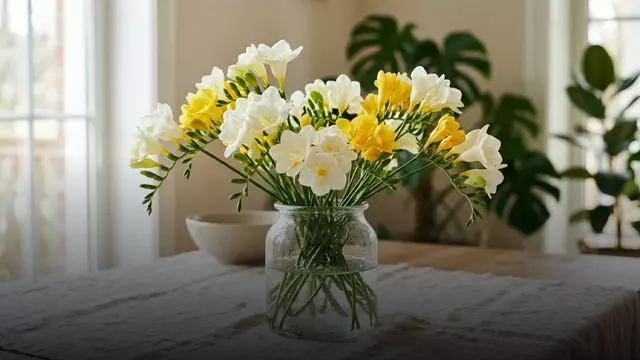
“¿Se puede comer?” means “Can you eat it?” or “Is it edible?” in Spanish. If you mean a flower from a gift bouquet, do not eat it unless it was specifically supplied for eating and its identity and suitability are confirmed. A flower can look familiar and still be unsuitable for food because of its species, the part used or the way it was grown and handled.
For flowers, appearance is not a food safety label. A rose in a vase and rose petals sold as an edible ingredient may look similar, but they come with different information about their intended use. Here is how to keep decorative flowers separate from food, choose a thoughtful floral gift and arrange a delivery to someone in Russia.
What “se puede comer” tells you—and what it leaves unanswered
In Spanish, “se puede comer” can be a statement meaning “it can be eaten”; with question marks or a questioning tone, it asks whether something is edible. The phrase does not identify the item. If you are asking about a particular flower, you need its exact identity and information about its intended use before anyone can give a useful answer.
Common flower names are not always precise enough. Similar names can refer to different plants, and closely related plants do not necessarily have the same edible parts. A photograph, a colour or a catalogue title cannot establish food safety. Treat names on decorative bouquets as descriptions of a gift, rather than instructions for using the contents in a recipe.
If a friend sends you a picture and asks whether the flowers can go into a drink or onto a cake, first ask where they came from. Flowers supplied as food should have information that supports that use. When the only information is that they arrived in a bouquet, the practical answer is to enjoy them in a vase and choose a separate edible garnish.
The checks that matter before eating any flower
Some flowers have culinary uses, but that does not make every specimen of those flowers edible. For example, certain rose petals and nasturtium flowers are used in cooking when correctly identified and grown for food. This is not permission to taste a rose from an ornamental arrangement. Intended use and growing conditions matter alongside the plant's name.
Check both the species and the permitted part of the plant. Advice about petals does not automatically apply to leaves, stems, bulbs, pollen or seeds. Use flowers sold specifically for culinary use, follow the supplier's preparation and storage instructions, and check any relevant allergy information. Never use tasting as a way to identify an unknown flower.
Rinsing is a preparation step, not a way to turn decorative flowers into food. It cannot establish what treatments were used or make a poisonous plant safe. If a child or adult has eaten an unidentified flower, keep the remaining material and seek advice from a poison information service or medical professional. Do not wait for a confident identification from an online photograph.
Bouquets we can deliver




Keep bouquets separate from cakes, drinks and serving dishes
At a birthday or family meal, place the bouquet in its own vase beside the food rather than resting stems or petals on serving plates. Leave enough room that leaves cannot dip into drinks or brush against uncovered dishes. A low arrangement can make conversation easier across a table, while a taller bouquet often works better on a side table.
For a cake, use flowers intended for culinary use or ask the cake maker to provide suitable decorations. Do not push stems from a gift bouquet directly into icing, even if the flowers will be removed before serving. Stems, sap, loose plant material and handling all create reasons to keep ornamental flowers away from food-contact surfaces.
Keep flower water away from food preparation too. Do not use a drinking glass for a bouquet if someone could mistake it for a drink, and store flower food separately from ingredients. Wash your hands and clean the work surface after arranging stems. These simple habits let the flowers be part of the celebration without making them part of the meal.
Care for a gift bouquet as a display
Start with a clean vase and fresh water. Remove leaves that would sit below the waterline, then trim the stems with a clean, sharp tool before arranging them. Follow any care instructions supplied with the bouquet, because different flowers can need different handling. Keep decorative wrapping clear of the water unless it is specifically designed to remain there.
Check the water daily and refresh it regularly, cleaning the vase when needed. If flower food is supplied, use it according to the packet directions rather than guessing the quantity or adding household ingredients. Remove deteriorating leaves and flowers as you notice them. These steps help keep the arrangement and its water clean; they do not make the flowers edible.
Choose a display spot away from radiators, direct heat and strong sun. Keep bouquets where children and pets cannot chew them or drink the vase water. If the recipient has a cat, tell the person helping you choose the bouquet: lilies are particularly dangerous to cats, including their pollen and vase water, so they should be excluded from that home.
Choose flowers with the recipient's customs in mind
When sending flowers to Russia, think about the occasion before choosing the colour or size. Odd numbers of stems are traditionally associated with celebrations, while even numbers are commonly associated with mourning. This is especially relevant when the stems are clearly countable. If you are unsure how a particular bouquet will be read, ask for help choosing it.
Flower meanings are not a fixed code. Red roses often suggest romance, but the recipient's preferences and your relationship are more useful guides than a rigid colour chart. For a colleague, a thank-you or a family occasion, clear card wording can explain your intention. Avoid relying on the bouquet alone to communicate an apology, romantic interest or sensitive news.
Turboflora delivery is anonymous by default: the courier does not name the sender. A card with your text is free, so include your name if you want the recipient to know who sent the flowers. This matters particularly when ordering from abroad, where a familiar nickname or a short personal message can make an unexpected delivery easier to understand.
How to arrange flower delivery to Russia from abroad
Begin with the bouquets catalogue, then prepare the recipient's address, contact details, preferred delivery date and card text. We deliver flowers across Russia. City delivery costs 500 RUB; for remote districts and suburbs, the operator confirms the delivery price when confirming the order. Check those details before planning the final timing of your gift.
In large cities, express delivery is available within 1–2 hours after the order is confirmed. You can also arrange an exact time with a tolerance of plus or minus 30 minutes, choose a window of 09–12, 12–15, 15–18 or 18–21, or pre-order 1–30 days ahead. When ordering across time zones, confirm the intended date and time at the destination so the bouquet fits the recipient's plans.
Contact a manager on WhatsApp for help choosing a bouquet, agreeing the time and address, arranging card text or a photo before delivery. Online checkout uses CloudPayments; check the options displayed there rather than assuming your foreign card will be accepted. The delivery and payment information is also useful when preparing your order.
The courier calls the recipient about 15 minutes before arrival, so allow for that contact when planning a surprise. If the recipient is absent, we agree a second delivery the same day or, with your consent as the sender, hand the flowers to a neighbour or concierge. Neither alternative should be assumed in advance; provide accurate contact details so the next step can be agreed.
Frequently asked questions
What does “se puede comer” mean in English?
As a question, “¿Se puede comer?” means “Can you eat it?” or “Is it edible?” The answer depends on the specific item; the phrase alone does not identify a flower or establish that it is safe to eat.
Can I eat rose petals from a gift bouquet?
Do not eat petals from a decorative bouquet unless they were specifically supplied for culinary use and their suitability is confirmed. The fact that some rose petals are used in cooking does not establish how your bouquet was grown or treated.
Does washing make bouquet flowers safe to put on a cake?
No: washing cannot establish that a flower is edible or suitable for contact with food. Use flowers supplied for culinary use, or ask your cake maker to provide appropriate decorations.
Can I order flowers to Russia using a foreign card?
Online checkout uses CloudPayments, but acceptance of every foreign card is not guaranteed. Check the payment options displayed at checkout.
Will the recipient know who sent the bouquet?
Delivery is anonymous by default, and the courier does not name the sender. Add your name to the free card if you want the recipient to recognise your gift.
Ready to send flowers?
Pick the city, choose the bouquet, and a local florist takes it from there.
Choose a city →