Sending Flowers to Someone You Have Never Met? Here Is How to Get It Right
You have the address, you have the occasion, and you have absolutely no idea what this person likes. Maybe it is your partner's colleague who covered a difficult week, a client you have spoken to only by email, or a relative of a friend who did you a quiet favour. The pressure of choosing flowers for a stranger is real — but it is also more manageable than it feels. A few reliable principles, some knowledge of what travels well and what reads universally warm, and you can send something that lands beautifully without ever having met the person.
Start With the Occasion, Not the Flower
Before you think about colour or variety, think about what the flowers are meant to say. A thank-you arrangement carries a different weight than a congratulations bouquet, and both feel different from a welcome gift sent to someone new in the city. The occasion is your first real clue about tone, and tone drives everything else — size, palette, formality.
For professional relationships, the occasion usually calls for something composed and elegant rather than exuberant. A tightly arranged bouquet of garden roses in cream or blush, finished with eucalyptus or ruscus, reads as thoughtful without being overly intimate. It suits a business thank-you, a client milestone or a colleague's achievement equally well.
For personal occasions — a neighbour's new baby, a friend's mother recovering from illness, someone hosting you for the first time — you have more freedom. Warmer tones, softer textures and a slightly looser arrangement feel welcoming rather than formal. Ranunculus, lisianthus and spray roses work well here because they look generous and full without requiring the recipient to know anything about flowers to appreciate them.
The key mistake senders make is skipping this step and going straight to colour preference. Colour matters, but it is secondary. A well-chosen occasion-appropriate arrangement in a neutral palette will always feel more considered than a brightly coloured bouquet chosen without context. Ground your decision in the relationship and the reason, and the rest follows naturally.
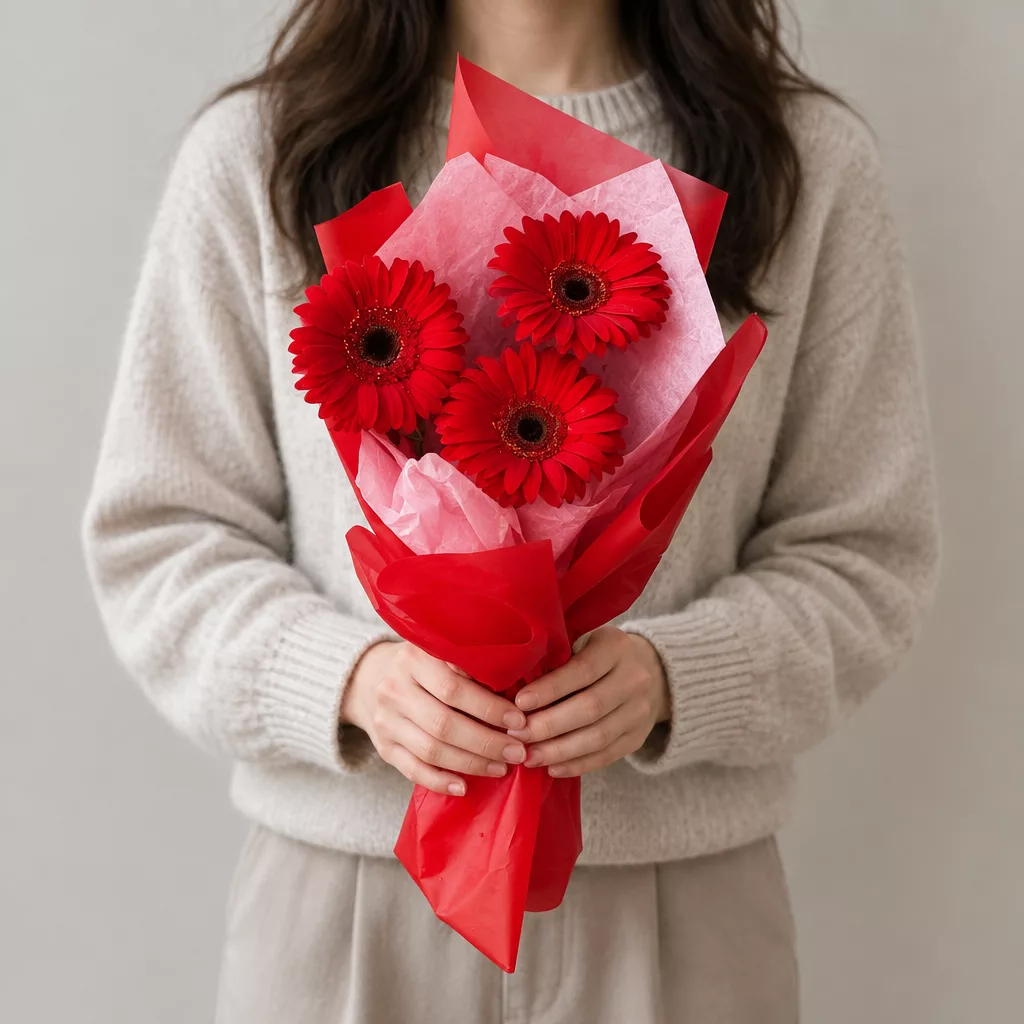
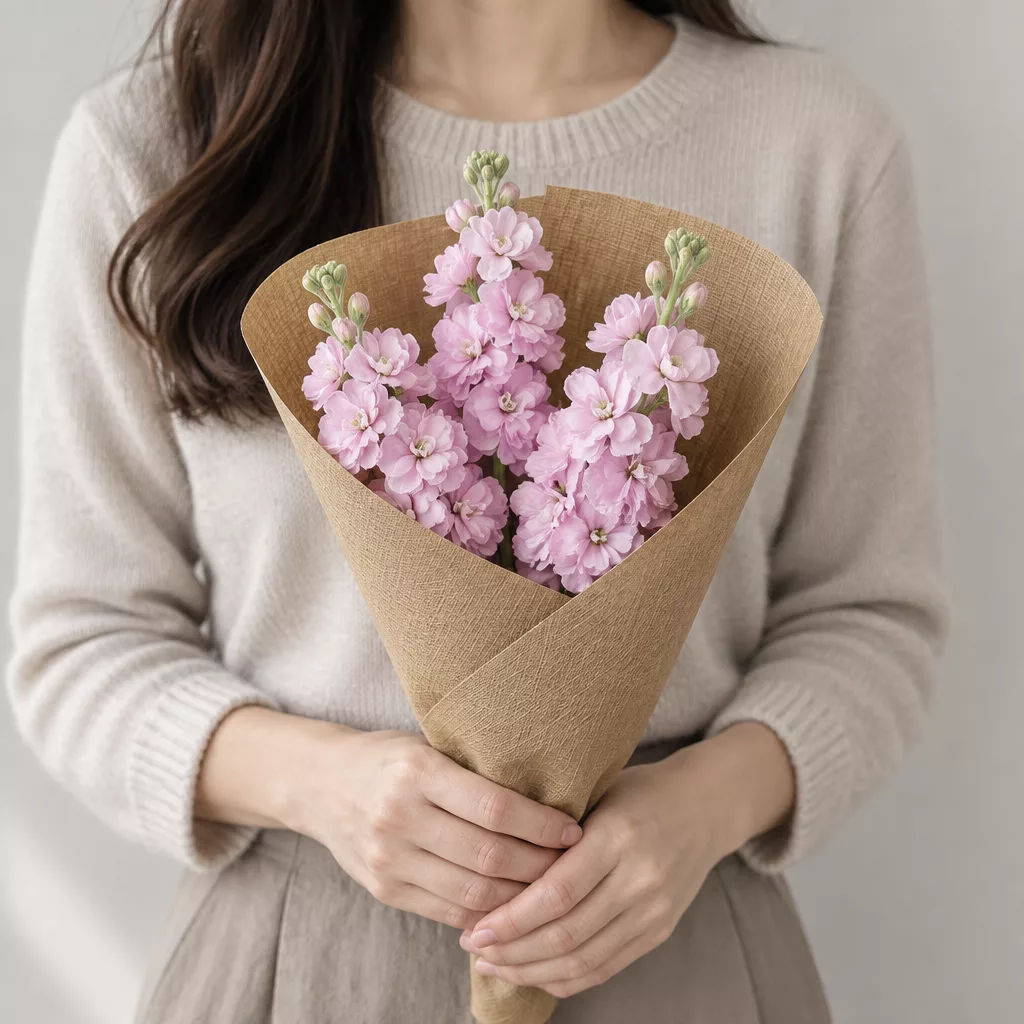
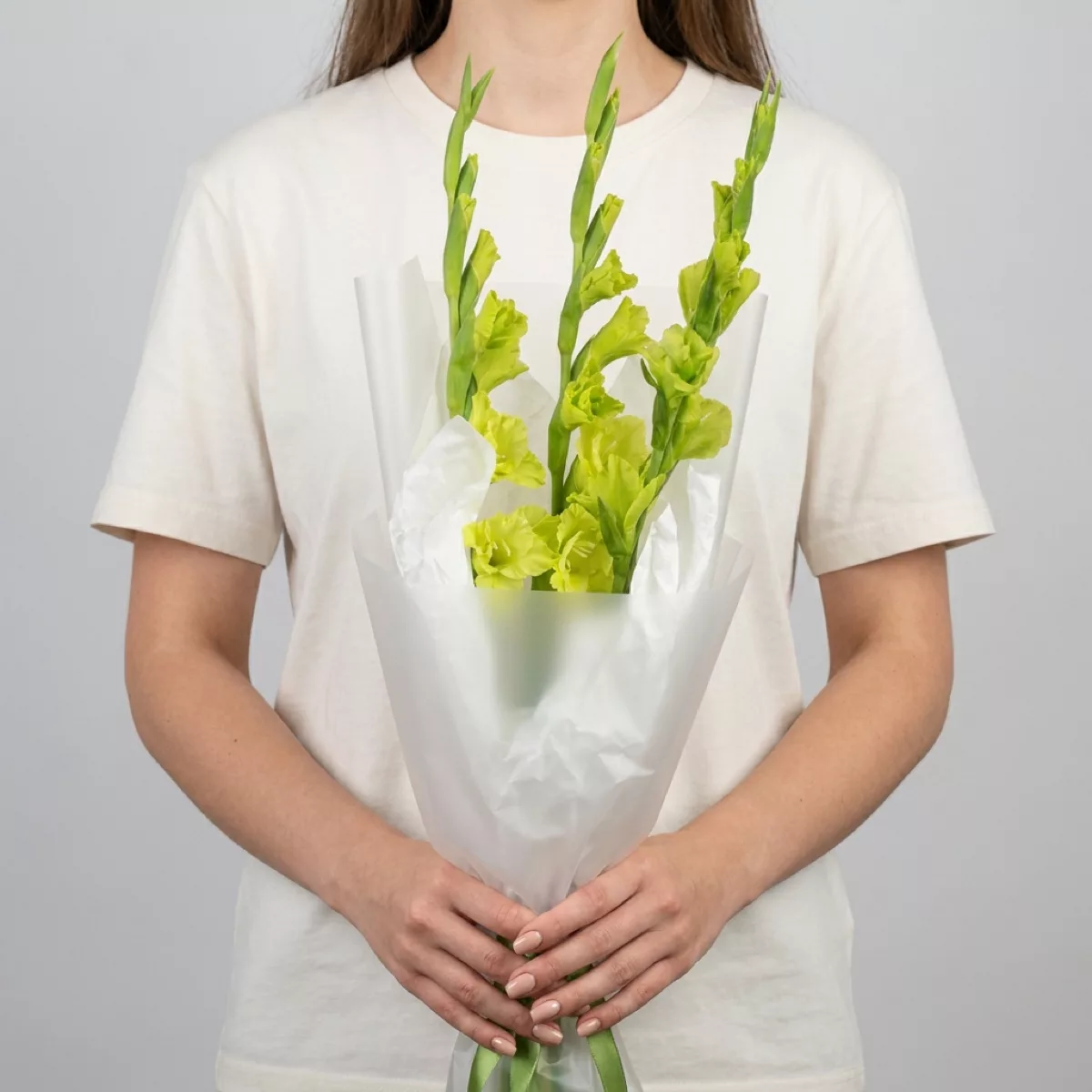
Bouquets we can deliver

What Universally Appreciated Actually Means
When florists say a variety is universally appreciated, they mean it reads as a flower gift to almost anyone without triggering a specific association that might not fit. Roses are the clearest example — they are recognised everywhere, they smell wonderful and they carry no ambiguous meaning in most contexts. Garden roses in particular, with their layered petals and soft fragrance, feel luxurious without being showy.
Lisianthus is another reliable choice. It is less well known than roses, which actually works in your favour — the recipient is unlikely to have a strong pre-existing feeling about it. The bloom is full and ruffled, similar in silhouette to a peony, and it holds extremely well after delivery, often lasting ten to fourteen days in a vase with fresh water and a clean cut every two days.
Peonies are beloved but seasonal, available mainly from late spring through early summer. If you are ordering outside that window, a florist who offers them is working with cold-stored stock, which shortens vase life noticeably. Stick to what is genuinely in season and the arrangement will look better and last longer.
Spray roses and alstroemeria fill out an arrangement beautifully and add longevity without dominating. They are the supporting cast that makes the whole bouquet feel abundant. For someone you have never met, abundance is a safe signal — it communicates generosity and care without requiring the recipient to decode any specific flower language. Keep the palette in soft whites, creams, blush or dusty rose and you are unlikely to misstep.
Reading the Clues You Already Have
You may feel you know nothing about this person, but you almost certainly know something. Think about what you do have: their profession, their age range, whether they live alone or with family, the city district if you know it, the season, and whatever small detail prompted you to send flowers at all. Each of these is a quiet clue.
Someone who works in a creative field — design, architecture, fashion, the arts — will often appreciate something with an interesting structural element. Protea, scabiosa or hellebore add visual texture that a design-minded person will notice and enjoy. Someone in a more traditional profession, or someone older, may prefer classic roses or carnations in clean, familiar colours. Carnations have suffered an unfair reputation, but premium varieties in dusty pink or burgundy are genuinely beautiful and last exceptionally well.
If you know the recipient has children at home, avoid arrangements with small berries or bulb flowers that can be mildly toxic if handled. Tulips, roses, lisianthus and alstroemeria are all safe and family-friendly. If you know they have a cat, skip lilies entirely — all parts of the lily plant are toxic to cats, and this is one substitution worth making firmly.
The person who arranged the gift often has more information than they realise. A quick mental inventory of what you know — even second-hand — almost always points toward a clearer choice. Trust those clues. They are more useful than any generic preference survey, and they make the gift feel personal even when the connection is indirect.
Choosing by Budget Without Losing the Feeling
A smaller budget does not have to mean a smaller impression. What it means is a tighter edit — fewer varieties, a cleaner composition, and a more deliberate choice of what goes in. A five-stem bouquet of garden roses in a single colour, wrapped cleanly with quality paper and a proper ribbon, can feel more considered than a large mixed arrangement thrown together without a clear idea.
At a modest budget, lean into mono-variety bouquets. A single type of flower in one or two tones — cream and blush roses, or all-white lisianthus with a touch of greenery — reads as intentional. It looks like someone made a choice rather than filled a basket. For someone you have never met, intentionality matters more than volume.
At a mid-range budget, you can introduce a focal flower and a complementary secondary bloom. Garden roses as the lead with ranunculus or spray roses as support creates depth without complexity. Add a single foliage element — eucalyptus, pittosporum or Italian ruscus — and the arrangement looks complete and professionally composed.
At a higher budget, the opportunity is in presentation and longevity. A larger arrangement allows for more tonal variation and a mix of textures that makes the bouquet feel like a genuine gesture. Consider adding a small note with care instructions — it shows the sender thought about the recipient's experience after the delivery, not just the moment of arrival. That small detail, more than the extra stems, is what makes a generous gift feel personal.
Colours That Work Across Cultures and Ages
Russia has its own flower customs, and if you are sending from outside the country or are unfamiliar with local conventions, a few things are worth knowing plainly. An even number of flowers is traditionally associated with mourning in Russian culture, so always send an odd number — five, seven, nine, eleven stems. This is a firm convention and widely observed, particularly by older recipients. A reputable florist will handle this automatically, but it is worth confirming.
Yellow flowers carry mixed associations in Russia — some people connect them with separation or bad luck, though this feeling is less strong among younger city-dwellers. If you are unsure of the recipient's age or background, it is simpler to avoid predominantly yellow arrangements and choose whites, pinks or warm reds instead. This is not a rule you must follow rigidly, but it removes a variable when you are already working with limited information.
White flowers are clean, respectful and appropriate across almost every occasion outside of mourning contexts. For a professional thank-you or a gift to someone you do not know well, white roses or white lisianthus feel safe and elegant. Blush and soft pink read as warm and friendly without being overly personal. Deep burgundy or rich plum tones add drama and feel sophisticated for recipients who seem to have confident taste.
Across age groups, the flowers that tend to land best for strangers are those that look clearly like flowers — full, recognisable blooms rather than unusual shapes or very structural varieties. Save the protea and the anthurium for people whose aesthetic you know. For an unknown recipient, clarity and warmth are your best tools.
The Message Card Does More Work Than You Think
When the flowers arrive at the door of someone who does not know you, the card is the entire context. Without it, even a beautiful arrangement is just a bouquet that appeared unexpectedly. With a well-written card, the same bouquet becomes a gesture with meaning, warmth and a clear reason to feel good.
Keep the message short and specific. Say who you are, why you are sending and one genuine thing — not a generic compliment, but something that references the actual reason. 'Thank you for stepping in during the handover last month — it made a real difference' is far more powerful than 'Wishing you a wonderful day.' The specificity is what makes a stranger feel seen.
If you are sending on behalf of someone else — a company, a team, a group — make that clear in the card. 'From the team at...' or 'With thanks from all of us at...' gives the recipient a social context and makes the gesture feel organised and warm rather than anonymous. Anonymity is rarely the right choice when you are trying to make a good impression on someone new.
For occasions where the relationship is still forming — a new client, a new colleague, someone you hope to work with — keep the tone professional but human. Avoid anything that sounds like marketing copy. Write as you would speak. A card that sounds like a person wrote it, rather than a department, is always better received. If you are genuinely stuck, a simple 'Warmly, [name]' after a single honest sentence is enough. The flowers carry the rest.
Making Sure the Flowers Arrive at Their Best
Delivery timing matters more than most senders realise, especially in a city like Saint Petersburg where summer temperatures can reach thirty degrees and winter corridors are freezing. Flowers left in a hot entrance hall for an hour or sitting in a cold draughty lobby can age by a full day in that time. Choosing a delivery window when someone is likely to be home — or confirming the address is a workplace with a reception — removes this risk entirely.
For recipients in apartment buildings, it helps to include a specific floor and flat number and, if possible, a phone number so the courier can call ahead. A bouquet handed directly to a person arrives in far better condition than one left propped against a door. Most flowers can tolerate a brief wait, but roses and ranunculus are particularly sensitive to temperature swings and benefit from being placed in water within an hour of arrival.
If you are sending to a workplace, mornings are almost always better than afternoons. The recipient has the full day to enjoy the flowers at their desk, and colleagues are around to notice — which, honestly, is part of the pleasure of a workplace gift. Avoid Friday afternoon deliveries to offices, as flowers left over a weekend without water will not survive to Monday.
Care instructions sent with the bouquet are a small kindness that extends the gift significantly. A clean diagonal cut to the stems, water changed every two days, and a cool spot away from direct sunlight and fruit bowls will give most arrangements a full week of life. Passing this on through the card or a printed note shows the sender thought beyond the moment of delivery.
Sending flowers to someone you have never met is not a guessing game — it is a matter of working carefully with what you know. The occasion sets the tone, universal varieties remove the risk of a wrong choice, and a genuine card turns a beautiful arrangement into a real gesture. Get those three things right and the distance between you and the recipient closes considerably. The flowers do not need to be extraordinary. They need to be appropriate, well made and sent with clear intention. That combination is almost always enough. We deliver bouquets across Russia in 1–2 hours.
Frequently asked questions
Is it appropriate to send flowers to someone I only know professionally?
Absolutely. Flowers are one of the most accepted professional gestures in Russia, particularly for thank-you occasions, milestones or welcomes. Keep the palette neutral — whites, creams or soft pinks — and the arrangement composed rather than exuberant. A clean bouquet of garden roses or lisianthus reads as respectful and warm without crossing into personal territory.
Should I avoid any flower colours when sending to Russia?
Yellow flowers are sometimes associated with bad luck or separation in Russian tradition, especially among older recipients. If you are unsure of the recipient's background or age, choosing whites, pinks, blush or warm reds is the safer route. Also remember that an even number of stems is a mourning convention — always send an odd number of flowers.
What if I do not know whether the recipient will be home for the delivery?
Include a contact phone number when placing your order so the courier can call ahead. Sending to a workplace is often simpler — there is usually someone to receive the bouquet and keep it in water until the recipient arrives. If sending to a home address, a morning delivery on a weekday gives the best chance of someone being available.
How long will the flowers last after delivery?
Most well-conditioned arrangements last seven to ten days with basic care: a diagonal stem cut on arrival, water changed every two days, and placement away from direct sun, radiators and fruit. Lisianthus and alstroemeria tend to last longest. Roses perform best when kept in a cool room overnight. Including care instructions with the card helps the recipient get the full life from the bouquet.
Can I send flowers anonymously or is a card always necessary?
You can send without a name, but for a recipient who does not know you, anonymity usually creates confusion rather than intrigue. A simple card with your name and one line of context — why you are sending — makes the gesture land properly. If the gift is from a group or company, naming the sender makes the recipient feel the gesture was organised and genuine rather than accidental.
Ready to send flowers?
Pick the city, choose the bouquet, and a local florist takes it from there.
Choose a city →