Seasonal Flower Etiquette in Russia: What Feels Right When
Sending flowers to someone in Russia is a warm and generous act — but the arrangement that lands perfectly in March can feel oddly out of step in July. Russian flower culture is shaped by a strong sense of season, by holidays that carry real emotional weight, and by a few unwritten rules that locals follow without thinking. If you are sending from abroad or simply want your gift to feel considered rather than generic, knowing what blooms belong to which moment makes all the difference.
Why Seasonality Matters More in Russia Than You Might Expect
Russia has four very distinct seasons, and people feel them acutely. A bouquet of tropical anthuriums in January does not read as exotic — it reads as disconnected. Flowers that echo what is actually happening outside the window, or what the calendar is about to mark, carry a warmth that an out-of-season arrangement simply cannot replicate.
This is partly practical. Flowers that travel well in cold weather — dense ranunculus, sturdy chrysanthemums, waxy tulip buds — arrive in better condition when temperatures are low. In summer, delicate garden roses and sweet peas thrive because they do not have to survive a frozen delivery chain. Choosing with the season means choosing what will look its best on arrival.
There is also a cultural layer. Russians tend to associate certain flowers with specific occasions so strongly that receiving the wrong bloom at the wrong time feels slightly off, even if the recipient cannot explain why. Mimosa without International Women's Day, for instance, feels like a costume worn on the wrong day. Paying attention to these associations is not about following rigid rules — it is about showing the recipient that you thought about them specifically, not just about sending something floral.
Bouquets we can deliver

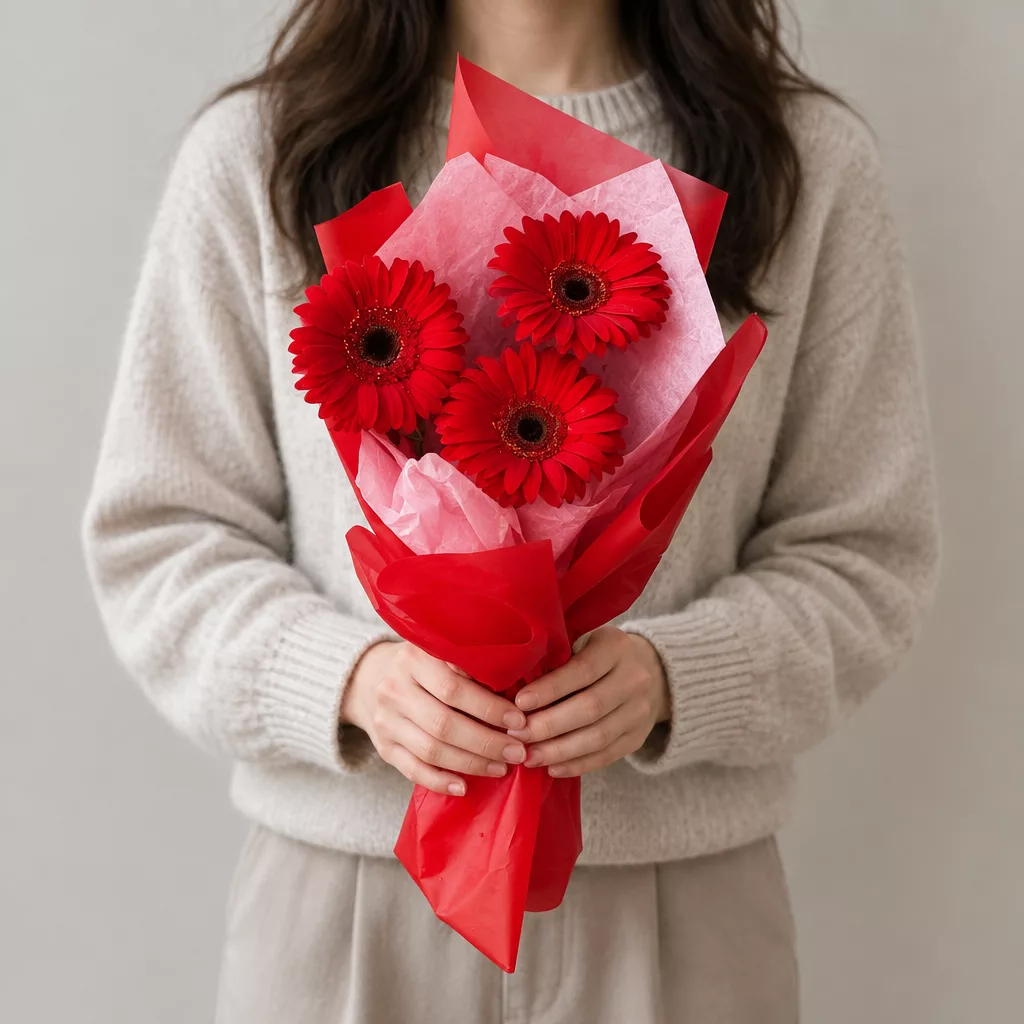
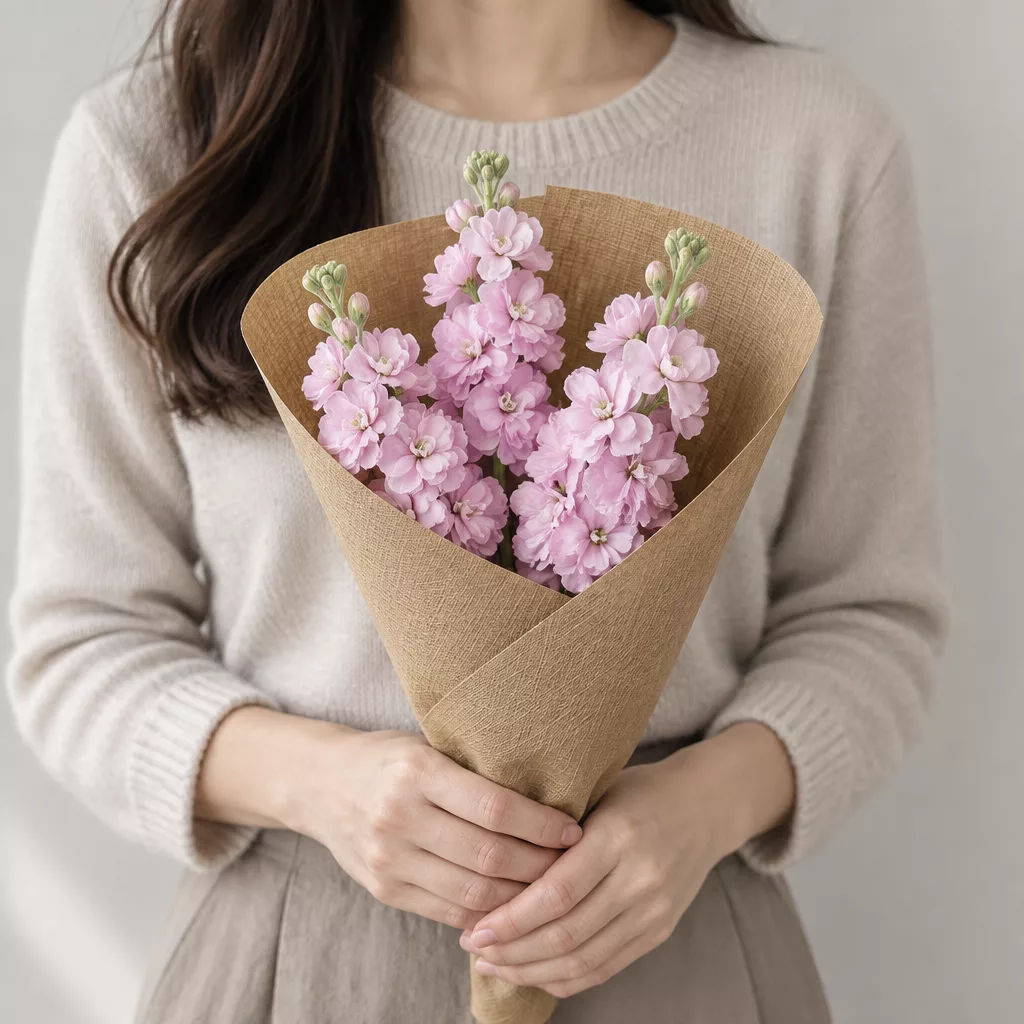
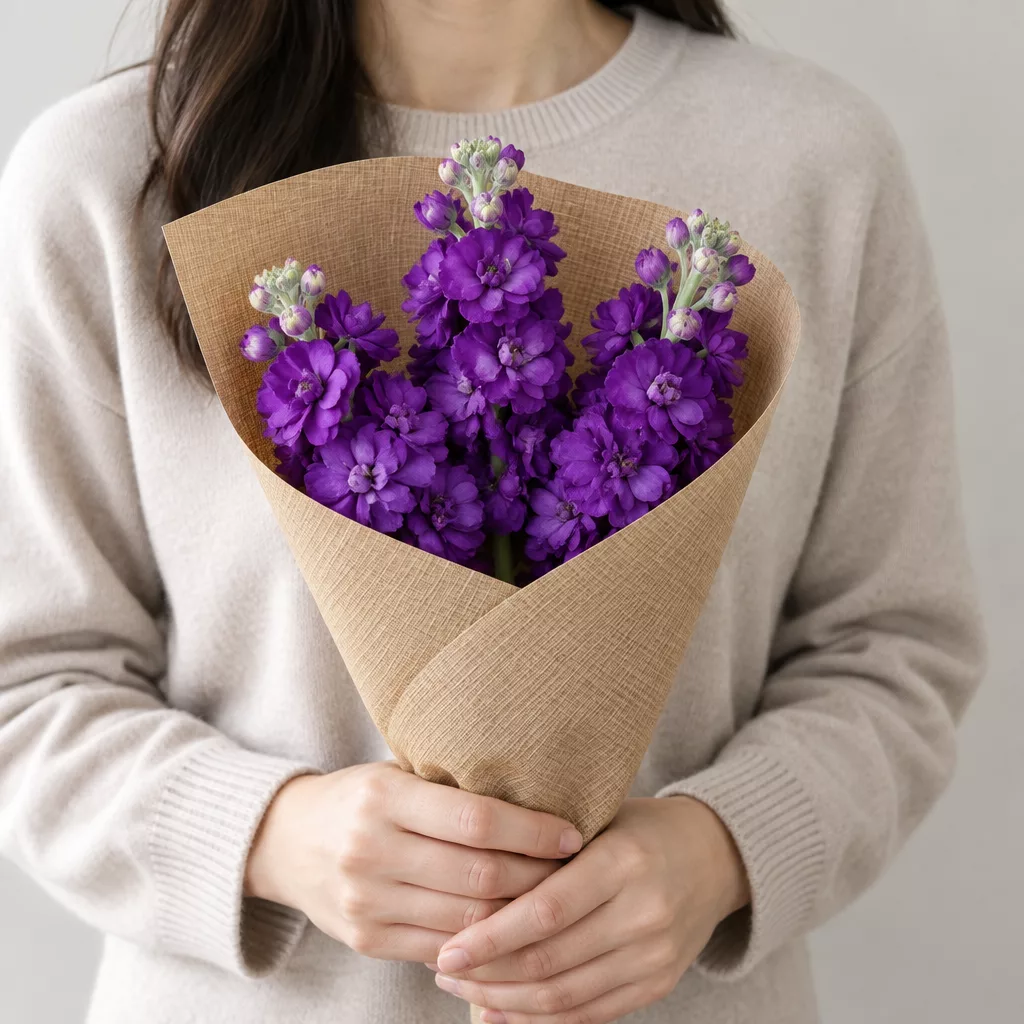
Late Winter Into March: The Most Important Flower Moment of the Year
In Russia, March 8th — International Women's Day — is the single biggest flower holiday of the year, comfortably outpacing Valentine's Day and rivalling New Year in emotional significance. Every woman in a Russian family expects to be remembered: mothers, grandmothers, wives, daughters, colleagues, teachers. The scale of gifting is enormous, and florists begin preparing weeks in advance.
The flower most associated with March 8th is mimosa — the bright yellow clusters of Acacia dealbata that appear in markets from late February. They are inexpensive, cheerful and deeply nostalgic for most Russian women. A bunch of mimosa, even a simple one, carries a sentimental charge that an elaborate arrangement of imported roses cannot always match.
Tulips are the other essential bloom of this period. They ship well in bud, open beautifully at room temperature within a day or two, and come in enough colours to suit any recipient. Pale pink and cream tulips feel tender and personal. Deep purple or burgundy tulips feel dramatic and grown-up. White tulips paired with a few stems of pussy willow — which comes into season just before March — create an arrangement that feels both modern and rooted in Russian spring tradition.
One common mistake is ordering tropical or summer flowers for March 8th because they look impressive. Gerberas, birds of paradise and monstera leaves can feel jarring against the cold, grey late-winter backdrop. Stay close to the season: tulips, mimosa, hyacinths, early ranunculus and the first narcissi all feel exactly right.
Spring Proper: April and May Bring the Garden Into the Room
Once March passes, the flower calendar opens up considerably. April and May are the season of lilacs, peonies arriving from warmer growing regions, garden narcissi, and the first outdoor tulips from Russian dacha gardens. This is a moment for soft, fragrant arrangements that feel genuinely seasonal rather than greenhouse-forced.
Lilac deserves particular attention. Syringa vulgaris — common lilac — blooms across Russian gardens in May and carries an almost universal association with childhood and spring warmth. A few heavy clusters of lilac, whether deep violet or pale white, arranged loosely with some greenery, make an immediate emotional impression. The fragrance alone is enough. Lilac does not last long in a vase — four to five days at most — so it should be enjoyed quickly and placed away from direct sun and heating vents.
May 9th, Victory Day, is a significant national holiday. Flowers are given to veterans and elderly relatives on this day, and the gesture is one of respect and gratitude. Red carnations are the traditional choice — they have been associated with this holiday since Soviet times and remain the culturally correct option. Sending a bouquet of red carnations to a grandfather or great-uncle on May 9th is understood immediately as an act of honour.
For other May occasions — birthdays, thank-you gifts, housewarming flowers — peonies are the prestige choice. Coral, blush and deep crimson peonies arranged in a loose, generous style feel abundantly generous without being formal.
Summer: When Russian Flower Giving Becomes More Personal
Summer in Russia — June, July and August — is when the country exhales. Dachas are full, families gather, and the pace of formal gifting slows. This does not mean flowers disappear; it means they become more personal and less occasion-driven. A summer bouquet is more likely to be a spontaneous gesture than a holiday obligation.
This is the season for garden roses in full bloom, for sweet peas, for zinnias, for sunflowers and for lavender. Russian summer gardens produce an abundance of these, and arrangements that look like they were gathered from a garden — slightly loose, varied in height, mixing flowers and herbs — feel entirely at home. A combination of garden roses, white gypsophila and a few stems of mint or eucalyptus smells extraordinary and photographs beautifully.
Sunflowers deserve a moment here. They are genuinely loved in Russia, associated with warmth, generosity and the south. A large bunch of sunflowers is never a wrong choice in summer. They last well — up to ten days in cool water — and they brighten any interior immediately. Pair them with orange gerberas and yellow rudbeckia for a high-summer arrangement that feels effortlessly cheerful.
One practical note: summer heat means flowers need more care after delivery. Recipients should change the water every two days, keep arrangements away from south-facing windows and air conditioning vents, and trim stems at an angle every few days. Communicating this when you send the flowers is a small but thoughtful touch that extends the life of your gift by several days.
Autumn: Chrysanthemums, Dahlias and the September 1st Tradition
Autumn in Russia begins with one of the most charming flower traditions in the calendar: September 1st, the first day of the school year. Children arrive at school carrying bouquets for their teachers. This is not optional or occasional — it is nearly universal, and it creates an enormous demand for flowers in the last days of August and the first of September.
The classic September 1st bouquet is built around gladioli and chrysanthemums, both of which are in peak season. Gladioli — tall, architectural, available in white, pink, red and salmon — have an old-fashioned grandeur that suits the formality of the occasion. Chrysanthemums, particularly the large-headed varieties in white and yellow, are robust, long-lasting and widely available. A mixed bouquet of these two, wrapped in craft paper and tied with a ribbon in the school's colours if known, is the conventional and beloved choice.
As September deepens into October, dahlias become the prestige autumn flower. Café au lait dahlias, deep burgundy ball dahlias and spiky cactus dahlias all look spectacular in autumn arrangements. They combine beautifully with rosehips, ornamental grasses, hypericum berries and the first dried seed heads. This is the season to lean into texture and warmth rather than delicacy.
October and November are also birthday-heavy months for many families, and autumn arrangements should feel generous and warm. Avoid the temptation to use tropical fillers — proteas and anthuriums can look cold against autumn light. Stick with warm tones: amber, rust, deep rose, burgundy and cream.
New Year and Winter: Flowers That Hold Up in the Cold
Russia's New Year celebration on January 1st is the biggest holiday of the year by far — larger in scale and emotional significance than Christmas, which is observed on January 7th in the Russian Orthodox calendar. Flowers play a supporting role to the main decorations of fir branches, mandarins and champagne, but they are still present and welcome.
Winter flower choices must account for the cold. Temperatures in Saint Petersburg and across much of Russia can drop well below freezing in December and January, which means flowers must survive transport in sealed packaging and warm up gradually once inside. Roses, spray carnations, alstroemeria and solidago all handle cold transport reliably. Delicate sweet peas and open garden roses do not.
For New Year arrangements, deep red roses paired with white waxflower and a few silver-painted eucalyptus stems create a festive look without crossing into kitsch. Amaryllis — the large, trumpet-shaped bloom available in red, white and striped varieties — is a dramatic and long-lasting choice for a centrepiece arrangement. A single stem of amaryllis in a tall glass vase makes an impression.
For Christmas on January 7th, white and cream arrangements feel appropriate and elegant. White spray roses, white lisianthus and silver brunia berries create a quiet, celebratory look. Adding a few stems of fir or pine brings the scent of the season into the room and anchors the arrangement in its moment. Avoid red-and-green combinations that read as Western Christmas rather than Russian New Year.
Odd Numbers, Colour Meanings and Other Things Worth Knowing
A few practical customs apply year-round and are worth understanding before you order. The most important: in Russia, flowers given as gifts are always presented in odd numbers. One stem, three, five, seven, eleven — odd numbers are for the living. Even numbers, particularly twelve, are associated with mourning and are not given as celebratory gifts. This rule is followed seriously across generations, and breaking it accidentally can create real discomfort. When you order, confirm that your arrangement contains an odd number of stems.
Colour carries meaning too, though it is somewhat more flexible than the odd-number rule. Yellow flowers have historically been associated with separation and bad luck in some parts of Russian culture, particularly among older generations. This is softening among younger people, and yellow tulips are now widely given without concern — but if you are sending to someone older or more traditional, it is worth avoiding a purely yellow bouquet. White flowers are associated with purity and celebration rather than mourning in most contexts, and they are entirely appropriate for birthdays and holidays.
Red roses carry a clear romantic meaning. Sending red roses to a colleague or a teacher would be unusual and potentially awkward. For professional or friendly gestures, stay with mixed colours, pastels or single-colour arrangements in non-red tones.
Finally, wrapping matters. Russian bouquets are typically wrapped generously — in kraft paper, tissue or cellophane — and presented with care. A well-wrapped bouquet signals that the gift was prepared thoughtfully. When ordering for delivery, a florist who pays attention to presentation is adding real value to your gesture.
Choosing flowers that feel right for the season and the occasion in Russia is not complicated once you understand the rhythm of the calendar and a few key customs. The odd-number rule, the mimosa moment in early March, the chrysanthemums of September, the amaryllis of New Year — these are not arbitrary conventions but expressions of a culture that takes flowers seriously as a language of care. When your arrangement echoes the season outside the recipient's window and honours the occasion on the calendar, it stops being a generic gift and becomes something genuinely felt. That is the difference a little cultural awareness makes. We deliver bouquets across Russia in 1–2 hours.
Frequently asked questions
Is it really important to send an odd number of flowers in Russia?
Yes, and this applies across generations and regions. Even numbers are associated with mourning in Russian tradition, so a bouquet of twelve roses would feel inappropriate as a celebration gift. Always confirm with your florist that the final stem count is odd — one, three, five, seven, nine, eleven and so on are all correct.
What flowers should I avoid sending to an older Russian woman?
Avoid a purely yellow bouquet for older recipients, as yellow flowers carry an association with parting or bad luck in more traditional Russian culture. Even-numbered arrangements should also be avoided. Beyond these two points, most flowers are welcomed warmly — focus on seasonal varieties and a generous, well-wrapped presentation.
Are tulips appropriate outside of March 8th?
Absolutely. Tulips are loved year-round in Russia and are available from florists throughout the year. They are especially fitting in late winter and spring, but a bouquet of tulips for a birthday in October or a thank-you gesture in June is entirely appropriate and will be received warmly by most recipients.
What is the best flower choice for a September 1st teacher gift?
Gladioli and large-headed chrysanthemums are the traditional and most recognised choices for September 1st. Both are in season, widely available and immediately understood as a respectful, celebratory gesture. A mixed bouquet wrapped in craft paper and tied with a ribbon is the conventional presentation and will be appreciated by teachers of all ages.
How should the recipient care for flowers delivered in winter cold?
After delivery in cold weather, leave the flowers in their wrapping for fifteen to twenty minutes to warm gradually before unwrapping — sudden temperature change can shock the blooms. Then cut stems at an angle, place in cool water and keep away from heating radiators. Change the water every two days and re-trim stems to maximise vase life.
Ready to send flowers?
Pick the city, choose the bouquet, and a local florist takes it from there.
Choose a city →