Sending Flowers to a Russian Woman vs. a Russian Man: Any Difference?
Flowers carry meaning differently depending on who receives them — and in Russia, that difference is more pronounced than in many other countries. If you are ordering from abroad or simply navigating Russian customs for the first time, you may wonder whether the same bouquet works for everyone, or whether gender shapes what feels right. The short answer is: yes, it does matter, but not in the way you might expect. Understanding a few key norms will help you send something that lands well rather than something that puzzles the recipient.
Why Gender Still Shapes Flower Gifting in Russia
Russia has a strong tradition of flowers as a social gesture, and that tradition carries specific expectations depending on the recipient. For women, flowers are an everyday expression of care, celebration, and affection — expected at birthdays, name days, professional milestones, and visits to someone's home. For men, the picture is more nuanced. Flowers as a gift for a man are not unheard of, but they sit within a narrower set of occasions and require a slightly different approach to feel natural rather than awkward.
This is not about flowers being inappropriate for men. It is about reading the cultural temperature correctly. Russian social norms have softened considerably in cities like Saint Petersburg and Moscow, where younger generations are more open to unconventional gifting. But even in progressive circles, the choice of flowers for a man tends to lean toward something architectural and unfussy rather than soft and romantic.
Knowing this context helps you make a choice that the recipient will receive with genuine pleasure. A florist who understands both sides of this can steer you away from a bouquet that might feel mismatched — not because of any rule, but because the emotional message it carries does not align with the moment. The goal is always for the flowers to feel exactly right for the person holding them.
Bouquets we can deliver


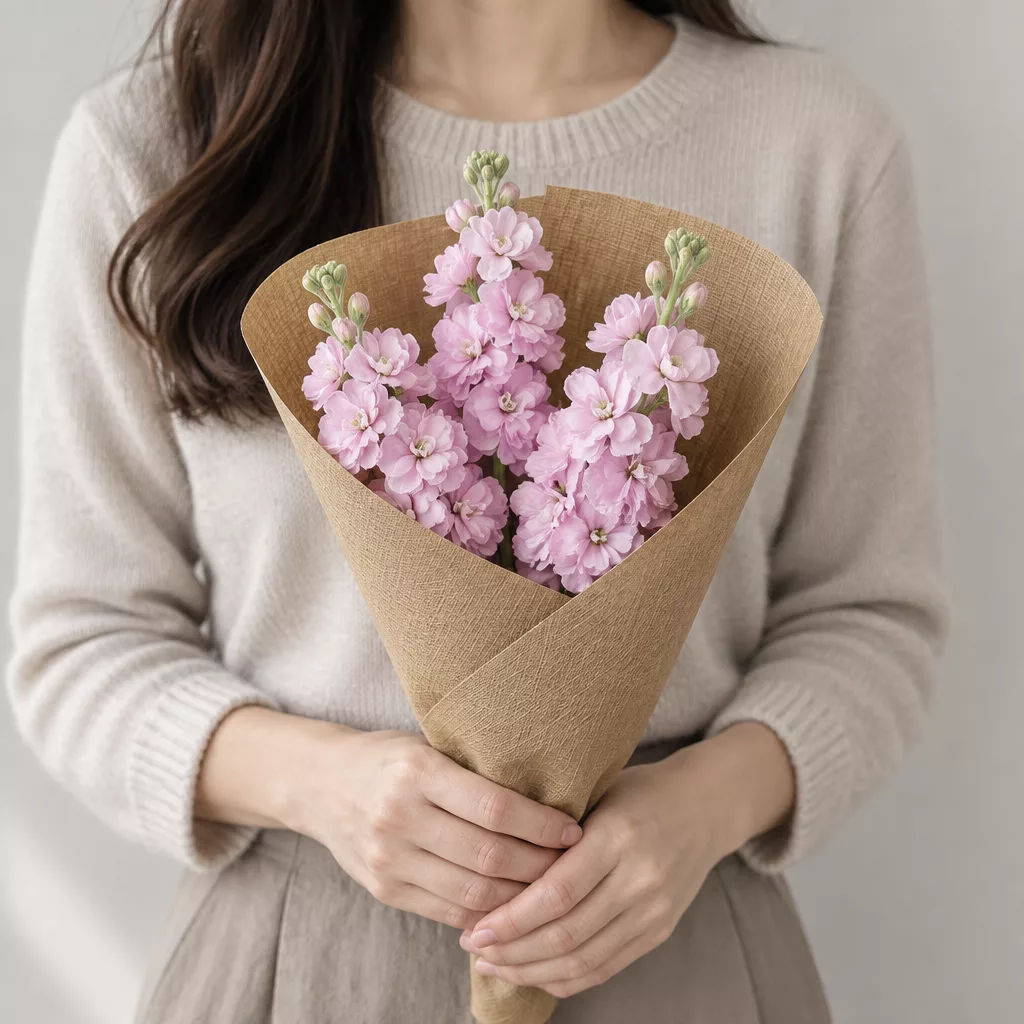
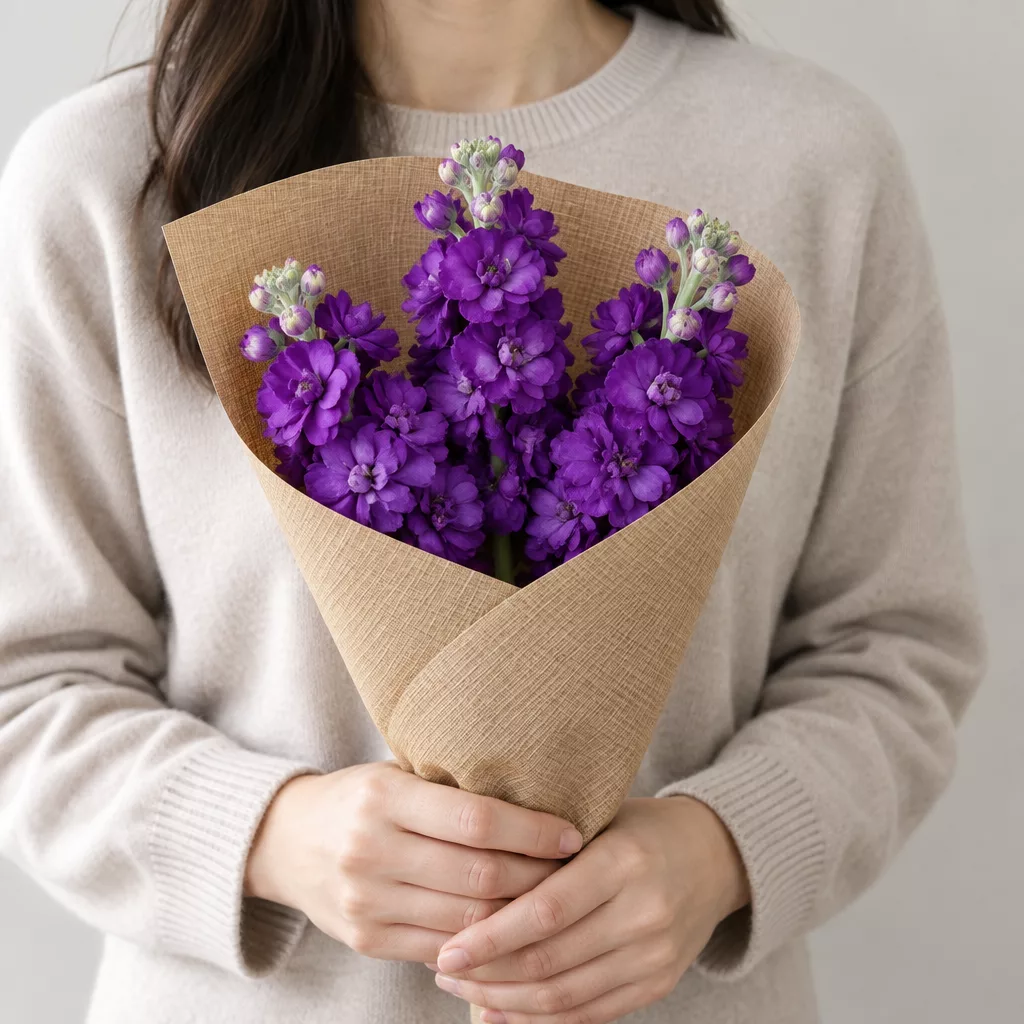
Choosing Flowers for a Russian Woman: Reading the Occasion First
For a Russian woman, flowers are almost always welcome, but the occasion shapes the composition more than anything else. A birthday calls for something generous and celebratory — full roses, garden-style arrangements with peonies in season, or lush mixed bouquets that feel abundant. A professional achievement or a first meeting calls for something more elegant and restrained: a single-variety bouquet of tulips, anemones, or spray roses in soft tones tends to feel more considered than an overflowing mixed bunch.
Colour carries meaning in Russia in ways that are worth knowing. White flowers are associated with purity and formality and are perfectly appropriate for most occasions, though some older recipients may connect them with weddings or formal ceremonies. Red roses are read as romantic almost universally, so they work well between partners but can feel too loaded for a colleague or a friend. Bright, warm tones — coral, peach, yellow, orange — read as joyful and friendly without romantic weight.
Presentation matters enormously. Russian women appreciate when a bouquet looks intentional: clean wrapping, a coordinated colour palette, flowers at the same stage of bloom. A bouquet that arrives looking rushed or mismatched leaves an impression regardless of the flowers inside. Odd numbers of flowers are traditional for living recipients in Russia — this is one of the most consistent customs and worth following even if the recipient is not particularly traditional. Even numbers are reserved for mourning contexts, so this is one detail that genuinely matters.
Is It Acceptable to Send Flowers to a Russian Man?
Yes — and it is becoming more common, particularly in professional and creative circles. The occasions that make flowers feel natural for a male recipient in Russia include significant birthdays, retirement, a major professional achievement, a housewarming, or a recovery from illness. Teachers, doctors, and artists receive flowers from students, patients, and colleagues with no awkwardness at all. The gesture reads as respectful and thoughtful when the occasion gives it the right context.
Where it can feel uncertain is in everyday or casual gifting without a clear occasion. Sending a man flowers simply because you are thinking of him — in the way you might for a close female friend — is less common and may feel unexpected to an older or more traditional recipient. For younger men in urban settings, the same gesture is increasingly normal and appreciated. Knowing your recipient's age, background, and personality will tell you more than any general rule.
The most important thing to avoid is sending a bouquet that reads as romantic when you intend something platonic, or vice versa. Red roses sent to a male colleague carry a very specific message. A structured bouquet of anthuriums, tropical greenery, or bold single-variety stems sends a completely different one. The flowers themselves communicate before a single word is read, so the composition needs to match your intention clearly. When in doubt, a note that explains the occasion helps anchor the meaning and removes any ambiguity.
What Flowers Work Best for Male Recipients
The flowers that tend to feel most fitting for a male recipient share a few qualities: strong form, bold or deep colour, and a lack of delicacy that reads as fussy. Anthuriums are a reliable choice — their waxy, architectural quality looks confident and modern. Birds of paradise have a similar effect: dramatic, long-lasting, and completely unambiguous in their energy. Large single-headed sunflowers work well for casual warmth, particularly for birthdays or a housewarming.
For something more classic, deep-toned roses in burgundy, dark red, or even near-black varieties like Black Baccara make a strong impression without reading as soft. Calla lilies in white or deep purple carry a sculptural quality that works well for formal occasions. Chrysanthemums, particularly the large disbud varieties, are widely given to men in Russia and carry no particular gender association — they are seen as a solid, respectful choice.
Greenery and foliage can play a larger role in a bouquet for a man than in one for a woman. A composition that is more green than floral, with a few statement blooms anchoring it, often feels more comfortable for both the giver and the recipient. Tropical leaves, eucalyptus branches, and monstera add volume and texture without making the arrangement feel overtly decorative. The overall impression should be confident and intentional — something that looks like it was chosen specifically for this person, not pulled from a default arrangement.
Combinations and Presentation That Feel Right for Each
For a woman, layered combinations tend to work beautifully — roses with ranunculus, tulips with muscari, peonies with sweet peas when the season allows. These combinations create a sense of abundance and softness that most female recipients respond to warmly. The wrapping can be romantic: kraft paper, soft ribbon, dried elements woven through the stems. The overall feeling should be generous and a little personal, as though someone thought carefully about what she would love.
For a man, restraint is usually more effective than abundance. A single-variety bouquet of five to seven large stems, cleanly wrapped in a dark or neutral paper, often makes more impact than a complex mixed arrangement. The presentation should feel clean and deliberate. Avoid excessive ribbon or decorative elements that draw attention to the packaging rather than the flowers. If a box is used instead of a wrapped bouquet, a low, structured arrangement in a dark or neutral container tends to read better than a soft, domed arrangement.
For both recipients, the condition of the flowers at arrival matters more than any compositional choice. Flowers that arrive fully hydrated, with heads upright and petals intact, make an immediate impression of quality and care. This is where timing becomes part of the gift itself — a bouquet that arrives fresh within the first hour after ordering, rather than sitting in a van through traffic, is the difference between a gift that delights and one that simply fulfills an obligation. Temperature during transit also matters: roses and tropical varieties suffer quickly above twenty degrees, which is why cool, fast delivery is not a luxury but a baseline requirement.
Timing, Delivery, and the Practical Side of Getting It Right
Timing a flower delivery in Russia carries its own set of considerations. For women, the most meaningful moments to deliver are the morning of a birthday, just before a celebration begins, or at the moment of a professional event — arriving at the right time makes the gesture feel synchronized with the occasion rather than incidental to it. For men, timing is equally important but for different reasons: a bouquet arriving at an office in front of colleagues signals something publicly, which can be welcome or awkward depending on the recipient and the relationship.
If you are sending to a home address, coordinating the delivery window with the recipient's schedule — or with someone who can receive it — prevents the flowers from sitting outside in summer heat or winter cold. Saint Petersburg's climate is particular: summer temperatures can push above twenty-five degrees, which shortens the vase life of roses and peonies significantly if they are left unattended. In winter, flowers need protection from frost during the last metres of delivery — a detail that matters more than most people realize.
For corporate or professional occasions, a note is almost always appropriate. It removes ambiguity and gives the recipient something to share with others if the flowers arrive in a public setting. Keep the note warm but measured — a sentence or two that names the occasion and expresses the sentiment clearly. The note is part of the gift, and in a professional context for a male recipient especially, it provides the framing that makes the gesture land exactly as intended.
Care Instructions That Apply to Both and Why They Matter
Once the flowers arrive, how they are cared for determines how long the gesture lasts. For most cut flowers — roses, tulips, carnations, chrysanthemums — a clean diagonal cut of about two centimetres at the base before placing them in water makes an immediate difference. This reopens the stem's water uptake channels, which can seal slightly during transit. Room temperature water is better than cold for most varieties; the exception is tulips, which prefer cool water and a cool room.
Vase life varies considerably by variety, and knowing this helps set expectations. Chrysanthemums and carnations are among the longest-lasting, often holding well for ten to fourteen days with basic care. Roses typically last five to eight days depending on variety and room temperature — the cooler the room, the longer they hold. Tropical varieties like anthuriums and birds of paradise can last two weeks or more, which makes them a practical choice when you want the gift to stay visible for a longer period.
Changing the water every two days and keeping flowers away from direct sunlight and heat sources — radiators, south-facing windows in summer — extends vase life noticeably. Removing any leaves that fall below the waterline prevents bacterial growth that shortens the life of the whole arrangement. These are small habits that any recipient can adopt quickly, and including a brief care note with the delivery helps even someone who has never kept cut flowers before get the most from the gift. The longer the flowers last, the longer the moment they represent stays present in the room.
Sending flowers in Russia is a deeply embedded gesture, and understanding who you are sending to — not just their name, but their relationship to you, their age, their setting, and the occasion — is what turns a bouquet into something genuinely meaningful. For a woman, generosity and colour and presentation do the work. For a man, confidence in the choice and clarity in the composition matter more than volume. In both cases, the flowers themselves are only part of what arrives at the door. The timing, the condition, the note, and the way it all fits together are what the recipient actually feels. We deliver bouquets across Russia in 1–2 hours.
Frequently asked questions
Is it considered strange to send flowers to a Russian man?
Not at all, especially for a clear occasion like a birthday, a professional achievement, or a housewarming. The key is choosing flowers that feel intentional rather than romantic — structured, bold varieties work better than soft mixed bouquets. A brief note explaining the occasion helps the gesture land exactly as you intend it.
Why do Russian bouquets always seem to have an odd number of flowers?
Odd numbers are a longstanding tradition for gifts to living recipients in Russia. Even numbers are associated with mourning contexts and are generally avoided for celebratory or affectionate gifting. This applies to both women and men. Most florists follow this automatically, but it is worth confirming if you are placing a specific count.
What colours should I avoid when sending flowers to a Russian woman I do not know well?
Red roses carry a strong romantic signal and may feel too loaded for a colleague or acquaintance. Pure white arrangements can feel formal or ceremonial to older recipients. Warm tones — peach, coral, soft yellow — and mixed palettes read as friendly and celebratory without any complicated subtext, making them a safe and genuinely appealing choice.
How quickly do flowers need to be delivered to arrive in good condition in summer?
In summer, particularly above twenty-two degrees, roses and peonies begin to open and degrade faster than in cooler months. Delivery within one to two hours of the order is important to ensure the flowers arrive hydrated and upright. Leaving a bouquet in a warm vehicle or on a doorstep for extended periods noticeably shortens vase life.
Can I send the same bouquet to a man and a woman for the same occasion, like a shared birthday celebration?
You can, but a small adjustment makes each feel more personal. For the woman, lean into colour and layering. For the man, consider the same palette but with bolder, more structured varieties — anthuriums instead of ranunculus, for example. Matching tones while varying the flowers shows thought for each recipient individually.
Ready to send flowers?
Pick the city, choose the bouquet, and a local florist takes it from there.
Choose a city →