Sending Flowers for September 1 to Your Student in Russia
The first of September is one of those mornings in Russia that stays in a child's memory for life. The uniform is pressed, the enormous bow is tied, and everyone — absolutely everyone — arrives at school carrying flowers. If your child, grandchild, niece or nephew is starting school in Russia while you are living abroad, you already know the ache of missing that moment. The good news is that you do not have to miss the flowers. With a same-day delivery order placed the evening before, a beautifully arranged bouquet can be waiting at the door before the school bell rings.
Why Flowers on September 1 Matter So Much in Russia
In Russia, the first day of school is called Den Znaniy — Knowledge Day. It is a national holiday, and the tradition of bringing flowers to teachers has been unbroken for generations. Children do not simply hand over a single stem; they arrive with full bouquets, often large and bright, as a gesture of respect toward the teacher at the start of the new academic year. The teacher receives dozens of bouquets by mid-morning, and the classroom fills with the scent of late-summer flowers.
For a child, walking through that school gate holding a bouquet is part of the ritual. It signals that today is different, that something important is beginning. A first-grader clutching gladioli nearly as tall as themselves is a classic image that Russian parents photograph every year without fail.
If your student is a first-grader, the bouquet carries extra weight — it is their very first Knowledge Day, and the flowers become part of a photograph the family will keep for decades. For older students returning to school after the summer, a fresh bouquet still marks the occasion with the right kind of ceremony. Sending flowers from overseas is not a workaround; it is a full, genuine participation in the tradition, and your student will feel exactly that when the delivery arrives.
Bouquets we can deliver

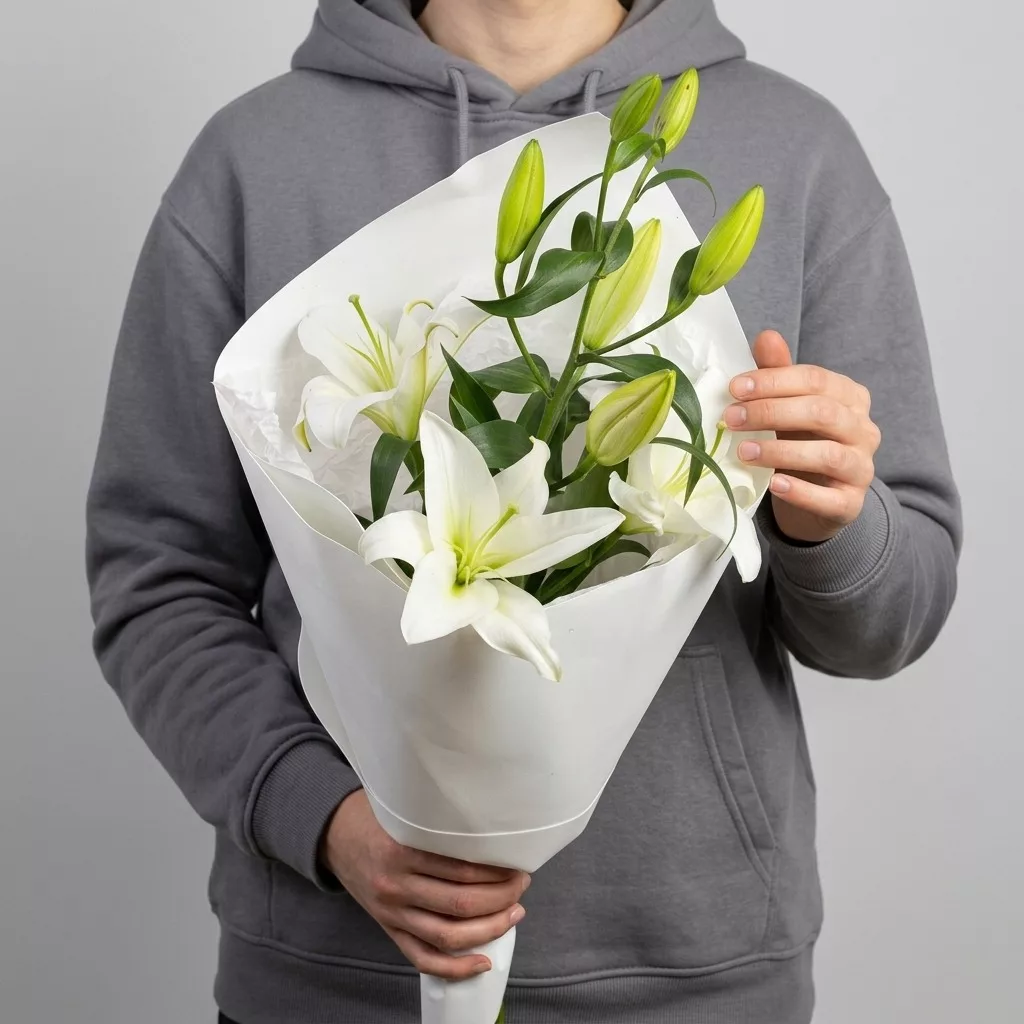
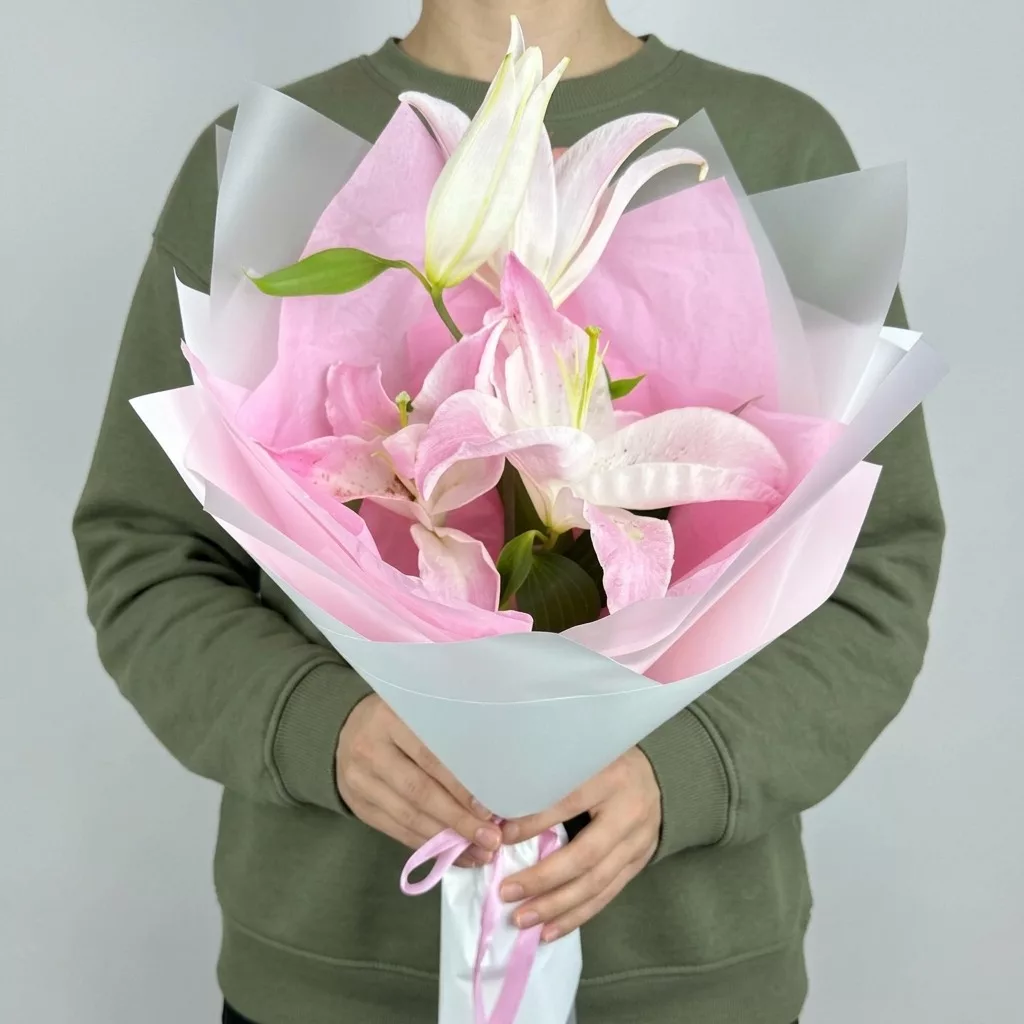

Choosing the Right Flowers for the Occasion and the Child
The classic September 1 flowers in Russia are gladioli, asters, and chrysanthemums — all of them are in their natural season at the end of August and beginning of September, which means they are genuinely fresh and hold up beautifully through a long school morning. Gladioli in white, cream, or soft pink are the most traditional choice for a first-grader. They are tall, dramatic, and photograph wonderfully against a school uniform.
For older students — say, a ninth or eleventh grader — you might lean toward something a little more refined. Garden roses in warm peach or burgundy, mixed with spray chrysanthemums and seasonal greenery, feel more grown-up without losing the festive spirit of the day. Lisianthus is another excellent September choice: it looks like a rose but has a softer, more romantic silhouette and lasts extremely well in a vase.
Think about the child's personality when choosing. A quiet, bookish twelve-year-old might love a soft arrangement in white and blush. An expressive, energetic child might appreciate something bold — sunflowers mixed with orange spray roses and deep green eucalyptus. The bouquet should feel like it was chosen for them specifically, not pulled from a generic holiday shelf. When you place the order, mention the student's age and, if you know it, their favourite colour. A florist who knows these details can make a bouquet that feels personal even across thousands of kilometres.
Timing Your Order When You Are in a Different Time Zone
This is where overseas relatives most often run into trouble, and it is worth thinking through carefully. Saint Petersburg operates on Moscow Time, which is UTC+3. If you are in London, that is three hours behind; if you are in New York, you are eight hours behind; if you are in Los Angeles, eleven. The school ceremony on September 1 typically begins between 9:00 and 10:00 in the morning local Russian time, so the bouquet needs to arrive before that window.
The safest approach is to place your order the evening before — the 31st of August — specifying a morning delivery slot between 7:00 and 9:00. Turboflora delivers across Russia within one to two hours of order confirmation, but giving yourself this buffer means no stress about last-minute timing across time zones. If you are in a time zone far behind Russia, placing the order on the afternoon of August 30 your local time is perfectly reasonable.
Always double-check the delivery address carefully. Russian addresses include the city, street, building number, apartment number, and often an entrance number and floor. A missing apartment number is the single most common reason a delivery is delayed. If you are unsure of the full address, ask your student or their parent in Russia to confirm it in writing before you order. A correct address is worth more than any upgrade to the bouquet.
Bouquet Size and Presentation: What Reads Well at School
Russian school bouquets tend to be generous in size. A small, minimal arrangement that might look elegant on a dining table can look underwhelming against the backdrop of a school courtyard filled with children carrying armfuls of flowers. This does not mean the bouquet needs to be overwhelming, but it should have some presence — enough stems that the child can hold it comfortably in both arms and still have it visible in a photograph.
For a first-grader, a round hand-tied bouquet of fifteen to twenty stems works well. For a teenager, a slightly more structured arrangement with a mix of focal flowers and supporting blooms — perhaps large chrysanthemum heads paired with smaller spray varieties and some textural foliage — looks polished and age-appropriate. Wrapping matters too: kraft paper with a satin ribbon in a classic colour reads as thoughtful and well-considered.
Avoid all-white bouquets for this occasion. In Russian tradition, all-white flowers carry associations better left to other contexts. Stick to colour, even if the palette is soft — ivory mixed with blush and pale green is lovely; pure white alone is not the right call for September 1. If you want something elegant and restrained, a mix of cream roses, white lisianthus, and pale lavender asters with silver-green eucalyptus hits exactly the right note: refined, seasonal, and completely appropriate for the day.
Keeping the Flowers Fresh Through a Long School Morning
September in Russia can still be quite warm, particularly in the southern cities. In Saint Petersburg, early September temperatures typically sit between 14 and 20 degrees Celsius, which is manageable for cut flowers. But in cities like Krasnodar, Rostov-on-Don, or Voronezh, the temperature can climb above 25 degrees, and this puts real pressure on fresh blooms during a two- to three-hour outdoor ceremony.
The person receiving the bouquet should keep it out of direct sunlight as much as possible during the school event. Once home, the stems should be cut at an angle — about two centimetres from the bottom — under running water, and placed immediately in a clean vase with fresh, cool water. Chrysanthemums and asters are particularly hardy and will last seven to ten days with proper care. Gladioli will continue opening bud by bud over four to six days, which makes them especially rewarding to watch.
Roses need a little more attention: remove any leaves that would sit below the waterline, change the water every two days, and keep the vase away from radiators and fruit bowls. The ethylene gas that ripening fruit releases shortens the life of cut roses noticeably. A simple note included with the delivery reminding the family of these steps is something Turboflora includes automatically — so the flowers you send will still be beautiful several days after the school bell rings.
Adding a Personal Message That Crosses the Distance
The bouquet arrives, the child picks it up, and the first thing they will do — after the initial delight — is look for the card. A handwritten message included with the delivery is the detail that transforms a flower order into an act of presence. You were not there, but the card proves you were thinking of them at exactly the right moment.
Keep the message warm and specific. Mention something only you would know — a nickname, a shared memory, something about what this school year means for them. If the child is starting first grade, acknowledge how big that step is. If they are in their final year before university entrance exams, say something honest about how proud you are of the work they are doing. Generic congratulations are fine; something personal is unforgettable.
You can write the message in Russian if you are comfortable, and many overseas relatives do. But writing in English, or in whatever language you share with the child, is just as meaningful — perhaps more so, because it reminds them of their connection to somewhere else in the world. A bilingual message, a few lines in Russian and a few in English, is a lovely touch that older children especially appreciate. When placing your order, type the message exactly as you want it written, including punctuation, and the card will be prepared with care.
September 1 is one morning in the Russian school year that nobody wants to miss, and sending flowers is the most direct way to be present across any distance. The tradition is old, the meaning is genuine, and your student will walk into school knowing that someone on the other side of the world remembered. Order the evening before, get the address right down to the apartment number, choose something seasonal and generous, and let the florist handle the rest. The bouquet will be there before the bell rings.
Frequently asked questions
Can I order a September 1 bouquet for delivery in a Russian city other than Saint Petersburg?
Yes. Turboflora delivers fresh flowers across Russia, not only in Saint Petersburg. When placing your order, enter the full delivery address including city, street, building, and apartment number. Delivery takes one to two hours from order confirmation, so ordering the evening of August 31 with a morning time slot is the most reliable approach for any Russian city.
What flowers are actually in season in Russia at the start of September?
Gladioli, asters, and spray chrysanthemums are all naturally in season in early September across Russia. Garden roses, lisianthus, and sunflowers are also widely available and fresh at this time of year. Choosing seasonal varieties means the flowers arrive in peak condition and last significantly longer than out-of-season imports forced into bloom.
Is it appropriate to send flowers to a high school student, or is the tradition mainly for younger children?
The tradition covers all school years, from first grade through the final year. Older students simply receive slightly different bouquets — less theatrical than a towering gladiolus arrangement, more composed and refined in palette. A well-chosen bouquet of roses or lisianthus for a teenager reads as respectful and thoughtful rather than childish.
What should I avoid when choosing a September 1 bouquet for Russia?
Avoid all-white bouquets — in Russian tradition, all-white flowers are associated with mourning and are not appropriate for a celebratory occasion. Also avoid very small arrangements that may look modest against the festive backdrop of a school ceremony. Aim for colour, seasonal variety, and enough stems that the bouquet has real presence when a child holds it.
Can I include a card message in English, or does it need to be in Russian?
You can write the card in any language. Many overseas relatives write in English, in their native language, or in a mix of both. The message will be reproduced exactly as you type it. A bilingual note — a line or two in Russian and the rest in the language you share with the child — is a particularly warm touch that older students tend to remember.
Ready to send flowers?
Pick the city, choose the bouquet, and a local florist takes it from there.
Choose a city →