Sending Flowers to Agidel from Abroad? Read This First
Agidel is a small, quiet city on the bank of the Belaya River in the Republic of Bashkortostan, and distance makes sending flowers there feel complicated when you are sitting in Berlin, Toronto or Dubai. It does not have to be. With the right florist, the right varieties and a clear understanding of what happens between your order and your recipient's door, you can put a genuinely beautiful arrangement in someone's hands within hours of clicking confirm — no guesswork, no wilted stems, no missed occasions.
Why Agidel Is Different from Sending to a Big Russian City
Most people ordering from abroad default to thinking about Moscow or Saint Petersburg logistics, then assume every Russian city works the same way. Agidel has a population of around 16,000 people and sits roughly 150 kilometres north of Ufa, the regional capital of Bashkortostan. That geographic position shapes everything: road conditions vary by season, and the city does not have the same density of foot traffic that a metropolis does. This matters for your order because it means timing and planning carry more weight here than in a larger urban centre.
The good news is that Turboflora delivers fresh flowers across Russia, including cities of this scale, with a one-to-two hour window. That speed is only possible when the bouquet is assembled correctly for travel — stems properly hydrated, wrapping tight enough to hold shape but loose enough to breathe, and varieties chosen for resilience rather than purely for visual drama. A flower that looks spectacular in a Saint Petersburg studio but collapses after two hours in a delivery vehicle is not a good choice for Agidel in July.
When you order from abroad, add a buffer of at least a few hours around the target delivery time. Time zone differences between your location and Agidel — which follows Yekaterinburg Time, UTC plus five — mean that what feels like a same-morning order to you might arrive as an afternoon request locally. Knowing this in advance lets you plan without stress and lets the florist prepare properly.
Bouquets we can deliver

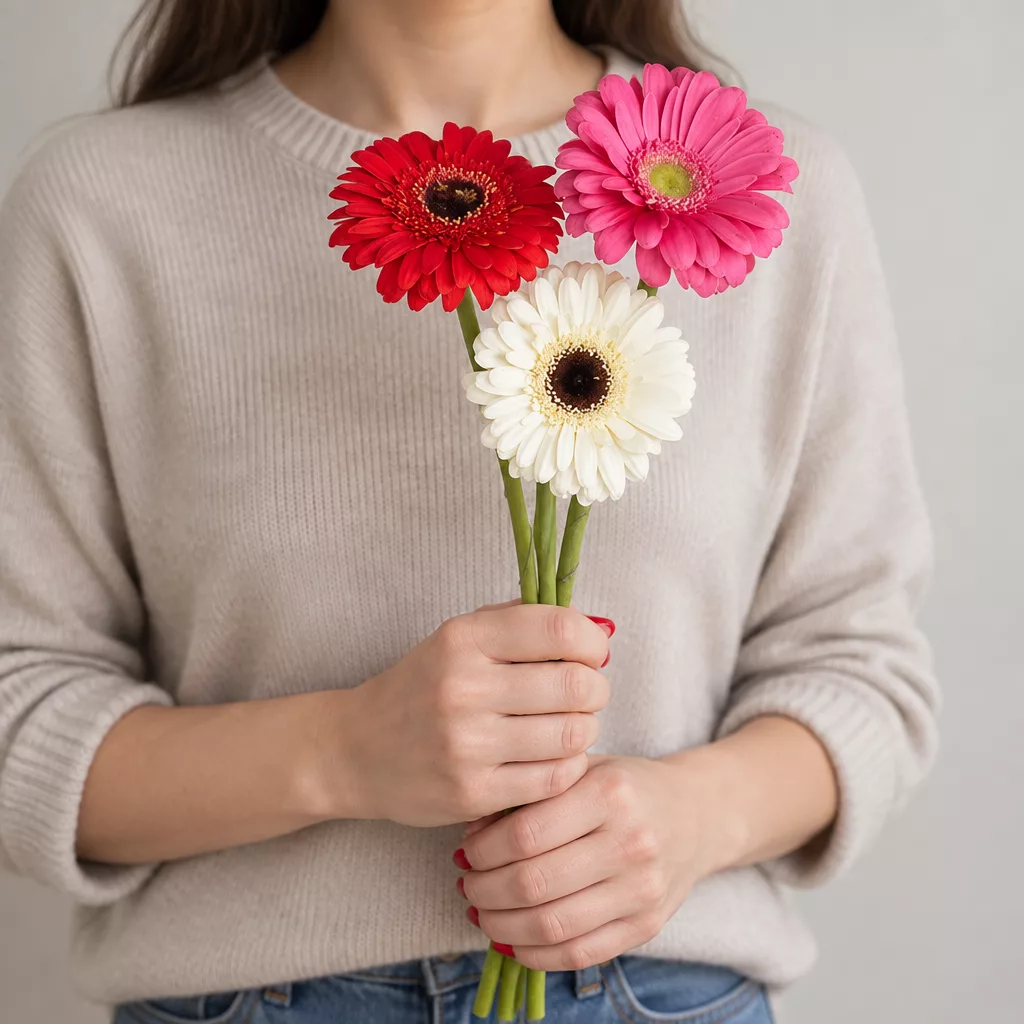

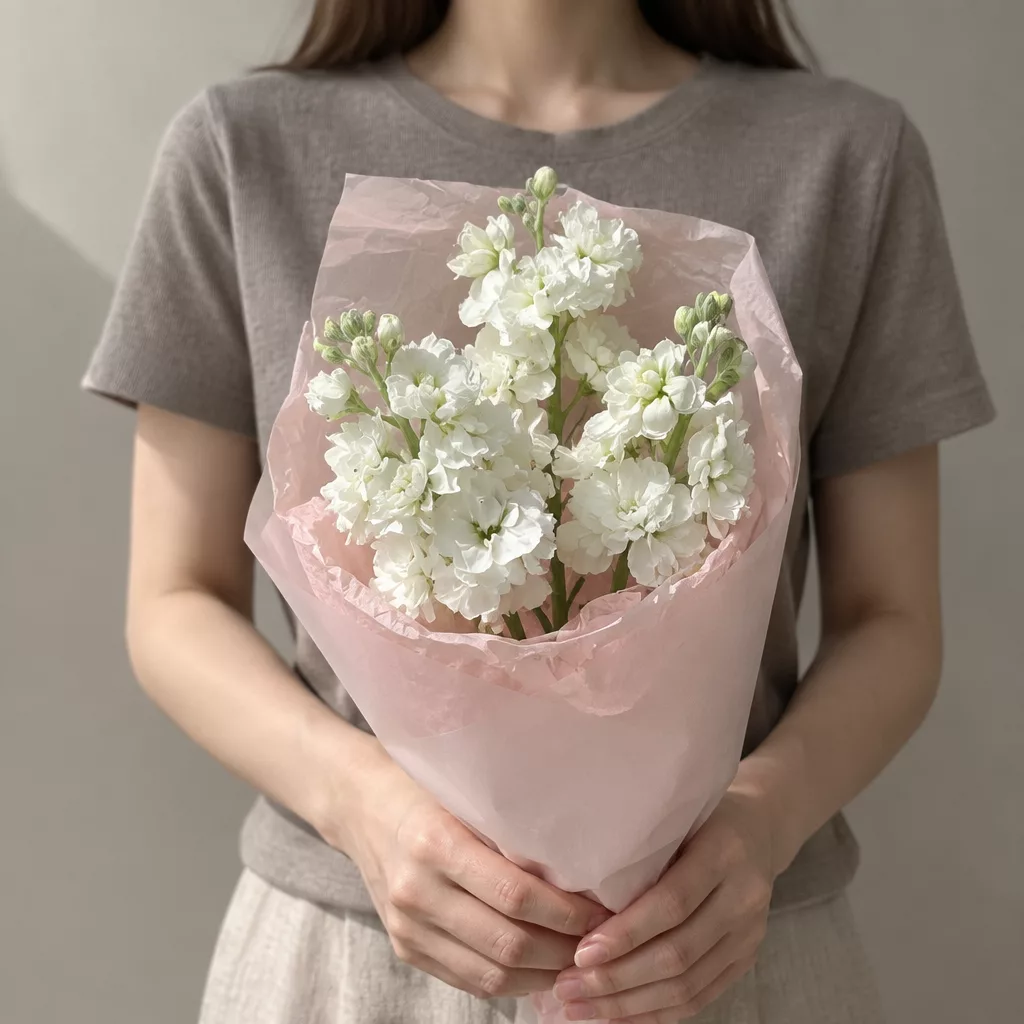
Choosing Flowers for the Person, Not Just the Occasion
Before you think about budget or bouquet size, think about who is receiving the flowers. A grandmother in Agidel celebrating her birthday has different tastes from a young colleague marking a promotion or a mother receiving a congratulations arrangement after the birth of a child. Russian floral culture tends toward generous, full bouquets — single stems are less common as gifts outside of very intimate relationships — so a lush, layered look will feel natural and celebratory to most recipients.
For older recipients, classic combinations work beautifully: garden roses paired with alstroemeria and eucalyptus, or chrysanthemums mixed with spray roses and soft greenery. These varieties hold well in transit and feel familiar without being boring. For younger recipients or those with a more contemporary aesthetic, consider ranunculus with tulips in a tonal palette, or sunflowers mixed with chamomile and lisianthus for a warm, meadow-inspired feel.
If you know the recipient's favourite colour, lead with that and let the florist build around it. A preference for white and cream, for example, opens up eustoma, white freesia, matthiola and ivory spray roses — a combination that reads as elegant and considered rather than generic. If you are unsure, soft pinks and warm peaches are the most universally well-received palette in Russian floral gifting, crossing age groups and occasions without feeling safe or dull. Avoid sending flowers you love but have never seen your recipient respond to — this is a gift for them, not a personal statement.
How Seasons and Temperature Shape What You Can Send
Agidel experiences a genuine continental climate. Winters are cold and long, with temperatures regularly dropping below minus twenty Celsius between December and February. Summers are warm and can be humid, with July and August reaching thirty degrees or higher. Both extremes affect which flowers travel well and which do not.
In winter, tropical and semi-tropical varieties like anthurium or bird of paradise are poor choices for delivery because the cold exposure between the vehicle and the recipient's door can cause immediate cell damage — petals blacken within hours. Instead, lean on roses, which are grown in controlled conditions year-round and handle brief cold exposure better, or on chrysanthemums, which are exceptionally hardy. Alstroemeria is another reliable winter choice, with a long vase life and good cold tolerance.
In summer, the challenge reverses. Heat accelerates the opening of blooms, so a bouquet of tightly budded roses sent in June will open faster than the same bouquet sent in October. For summer orders, ask for flowers at a slightly earlier bud stage than you might expect, so they peak beautifully in the recipient's home rather than in transit. Avoid delicate varieties like sweet peas or anemones for summer deliveries to inland cities — they are simply too sensitive to heat stress.
Spring and early autumn are the easiest seasons for sending flowers to Agidel. Tulips arrive in abundance from March onward, and by September, dahlias and asters are at their best. These transitional months offer the widest variety at the most reliable quality, and the moderate temperatures mean almost any combination can travel safely.
Understanding Russian Flower Customs Before You Order
If you did not grow up in Russia, a few cultural details will help you avoid small but meaningful mistakes. The most important one: always send an odd number of stems. Even numbers of flowers are associated with mourning and are brought to graves or funerals, not to celebrations. This is not a superstition you can ignore — it is a deeply held convention, and a recipient will notice immediately. When in doubt, ask your florist to confirm the stem count before the bouquet is assembled.
Colour symbolism matters too, though less rigidly than the odd-number rule. Yellow flowers carry mixed associations in Russian culture — some older recipients still connect yellow blooms with separation or bad luck, while younger generations largely do not share this view. If you are sending to someone over sixty and are unsure of their outlook, it is safer to mix yellow with other colours rather than presenting a purely yellow bouquet. A sunflower and chamomile arrangement, for example, feels cheerful and natural rather than ambiguous.
Presentation is taken seriously. Russian recipients expect a bouquet to look finished and intentional — proper wrapping, a ribbon or bow, and clean-cut stems. A loosely gathered bunch without packaging reads as careless, regardless of the flower quality inside. Turboflora's bouquets are wrapped and finished as standard, but if you are ordering for a particularly significant occasion like a milestone birthday or an anniversary, it is worth noting this when you place the order so the presentation can be elevated accordingly.
Finally, a handwritten card message is genuinely valued. Even a short note in English is appreciated — many recipients will translate it or ask someone to help them read it, and the personal gesture matters far more than the language.
Budgeting Across Three Levels Without Losing Quality
Ordering from abroad often comes with uncertainty about what a given spend actually delivers. Rather than thinking in exact figures, it helps to think in three tiers of intention: a warm, personal gesture; a generous celebration; and a statement arrangement for a major occasion.
At the entry level, a compact bouquet of five to seven stems — think spray roses with eucalyptus, or a small cluster of alstroemeria with seasonal greenery — delivers genuine warmth without excess. These arrangements are not small in feeling; they are focused and personal, and they work particularly well for thank-you gestures, get-well wishes or casual birthdays where the relationship is affectionate but not ceremonial.
In the mid range, you move into fuller, more layered compositions. A bouquet of fifteen to nineteen mixed stems — roses, lisianthus and freesia, for example — has real visual presence and photographs beautifully, which matters because recipients almost always share flowers on social media or send photos back to the sender. This tier suits milestone birthdays, congratulations for promotions, new baby celebrations and similar occasions where the gift should feel genuinely generous.
For major occasions — a significant anniversary, a mother's seventieth birthday, a long-distance relationship gesture — a large mono-variety arrangement or a dramatic mixed bouquet of twenty-five or more stems makes an impression that a mid-range option simply cannot. Peonies in season, garden roses in full bloom or a structured arrangement of calla lilies all photograph and present as true luxury. At this level, adding a complementary element like a box of chocolates or a small plush toy is common in Russian gifting culture and rounds out the gesture.
Placing Your Order from Outside Russia: Practical Steps
The practical part of ordering internationally is simpler than most people expect, but a few details will make the process smoother. First, have the recipient's full address ready, including the apartment number and any entry code for the building — Agidel, like most Russian cities, has multi-storey residential buildings with controlled entry points. A missing apartment number or an incorrect street name is the single most common cause of delivery delays, and it is entirely avoidable.
Confirm the recipient's phone number in Russian format. Turboflora's couriers will call ahead to confirm delivery, and a number that cannot be reached locally creates a delay. If your recipient speaks only Russian and you are communicating in English, simply pass the phone number along and let the delivery team handle the call — this is standard practice and requires nothing extra from you.
Time zone planning deserves a second mention here. Agidel is UTC plus five. If you are in London, that is a seven-hour difference in winter and six in summer. If you are in New York, you are ten hours behind in winter. A 9 am delivery in Agidel means placing your order the previous evening from the US East Coast. Build this calculation into your planning so you are not rushing at the last minute or accidentally ordering for a time the recipient will be at work or asleep.
When you place the order, include a clear note about the occasion. This helps the florist make small decisions — bud stage, colour emphasis, ribbon choice — that align with the mood of the gift. A birthday arrangement should feel festive; a congratulations bouquet should feel bright and forward-looking. These details cost nothing to share and noticeably improve the result.
Helping Your Recipient Get the Most from the Flowers
Once the bouquet arrives, its vase life depends almost entirely on what the recipient does in the first thirty minutes. Most people in Russia are familiar with basic flower care, but if your recipient is younger or simply unfamiliar with fresh flowers at home, a short note with the delivery can make a real difference.
The most important step is a fresh diagonal cut on every stem — about two centimetres from the base — made with a sharp knife rather than scissors. Scissors crush the stem's water-conducting tissue, while a clean knife cut keeps it open. This should be done immediately before placing the stems in water, not in advance. Recut every two days for the best results.
Water temperature matters more than most people realise. Lukewarm water encourages uptake in most cut flowers, while very cold water slows it. Change the water every two days and rinse the vase each time to prevent bacterial buildup, which is the primary cause of premature wilting. A small pinch of sugar and a drop of bleach in the water is an old florist's trick that genuinely extends vase life by several days.
Keep the arrangement away from direct sunlight, heating radiators and fruit bowls. Ripening fruit releases ethylene gas, which accelerates flower aging — a bunch of bananas on the kitchen counter can shorten a bouquet's life by two or three days. In Agidel's cold winters, a cool room is actually ideal for longevity, while summer heat means the flowers will open faster and need more frequent water changes. Roses and alstroemeria typically last seven to ten days with proper care; lisianthus and chrysanthemums can go even longer.
Sending flowers to Agidel from abroad is a genuinely achievable and deeply meaningful gesture when it is handled with the right knowledge. The distance between your location and a small city on the Belaya River shrinks considerably when you understand the timing, the seasonal realities, the cultural conventions and the practical steps involved. A well-chosen bouquet, assembled by florists who know what travels well and what does not, arrives as something your recipient will remember — not just as flowers, but as proof that someone thought carefully about them from the other side of the world.
Frequently asked questions
Can I order flowers for Agidel if I do not speak Russian?
Yes, entirely. Turboflora handles the Russian-language communication with the recipient and the delivery coordination on your behalf. You place your order in English, provide the recipient's address and phone number, and the team manages everything from assembly to doorstep delivery. A message card in English is also perfectly fine — recipients appreciate the personal touch regardless of language.
How far in advance should I order from a different time zone?
Agidel follows UTC plus five, so calculate the time difference before placing your order. For a morning delivery, you may need to order the previous evening from Western Europe or the Americas. Turboflora delivers within one to two hours of order confirmation, so once you account for the time zone gap, same-day delivery for a specific hour is very achievable with a little advance planning.
Why does the number of flowers in a bouquet matter in Russia?
In Russian culture, even numbers of flowers are associated with mourning and are given at funerals. For any celebratory or affectionate occasion, the bouquet must contain an odd number of stems — five, seven, eleven, fifteen and so on. This is a firmly held convention across generations and regions, including Agidel. Turboflora always assembles bouquets with this in mind, but it is worth knowing when you specify stem counts.
Which flowers hold up best in Agidel's winter cold?
Roses, chrysanthemums and alstroemeria are the most reliable choices for winter delivery in Agidel, where temperatures regularly fall below minus twenty Celsius. These varieties tolerate brief cold exposure during the final steps of delivery without immediate damage. Avoid tropical varieties like anthurium or delicate blooms like anemones and sweet peas in winter, as even short exposure to freezing air causes rapid cell damage and blackening.
Can I send flowers to Agidel for a non-birthday occasion?
Absolutely. Flowers are given in Russia for a wide range of occasions: professional achievements, new babies, housewarmings, graduations, name days, anniversaries and simply as a warm gesture of affection or gratitude. There is no need for a formal occasion. When you place your order, mention the reason and the florist will tailor the arrangement — colour palette, bud stage and presentation — to match the mood you want to convey.
Ready to send flowers?
Pick the city, choose the bouquet, and a local florist takes it from there.
Choose a city →