Sending Flowers to Aleksandrovsk from Abroad: What You Need to Know
You are somewhere outside Russia — maybe in Berlin, Dubai, or Toronto — and someone you love is in Aleksandrovsk. A birthday is tomorrow, an anniversary slipped up on you, or you simply want them to open the door and feel remembered. Sending flowers across that distance is entirely possible, and when you understand a few practical details about timing, seasonality, and Russian flower customs, the whole process becomes straightforward rather than stressful.
Why Aleksandrovsk Is Worth Sending Flowers To
Aleksandrovsk is a smaller Russian city, and that is precisely why a flower delivery lands with such impact there. In a large metropolis, people receive deliveries constantly. In a quieter city, a fresh bouquet arriving at the door is a genuine event — neighbours notice, family members gather around, and the recipient feels the gesture far more intensely than statistics about flower gifting would suggest.
For a sender abroad, this means your effort is amplified. The person receiving your flowers is not just getting a bouquet; they are getting visible proof that someone thousands of kilometres away was thinking about them specifically on this day. That emotional weight matters enormously in Russian culture, where the act of giving flowers is tied closely to respect, affection, and the seriousness of a relationship.
Russians give flowers at almost every meaningful occasion — birthdays, graduations, name days, professional anniversaries, the first day of school in September, and visits to someone's home. If you are sending from abroad and you are not Russian yourself, it helps to know that an unexpected bouquet is never considered excessive or over the top. It will be received warmly, kept in the best vase in the house, and talked about for days. The city's quieter pace only deepens that effect, so do not second-guess the impulse to send something beautiful.
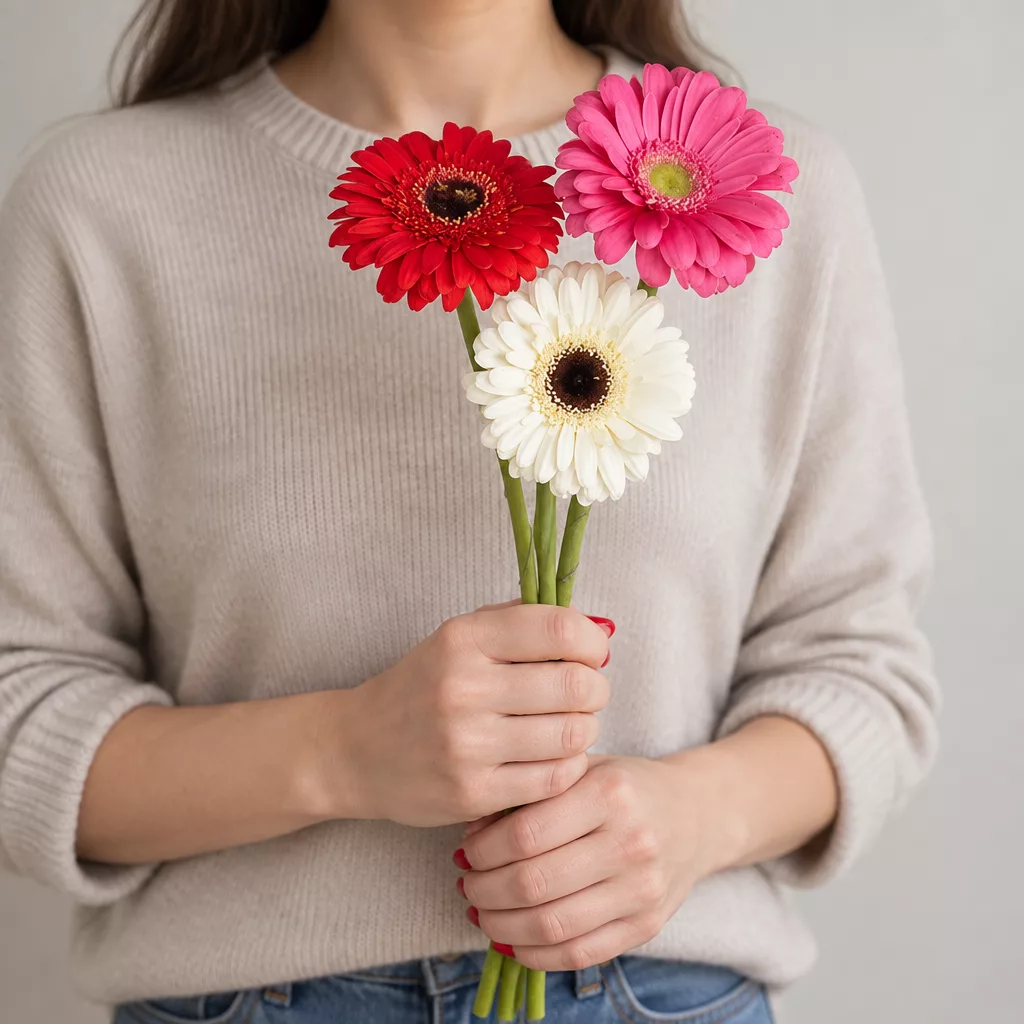
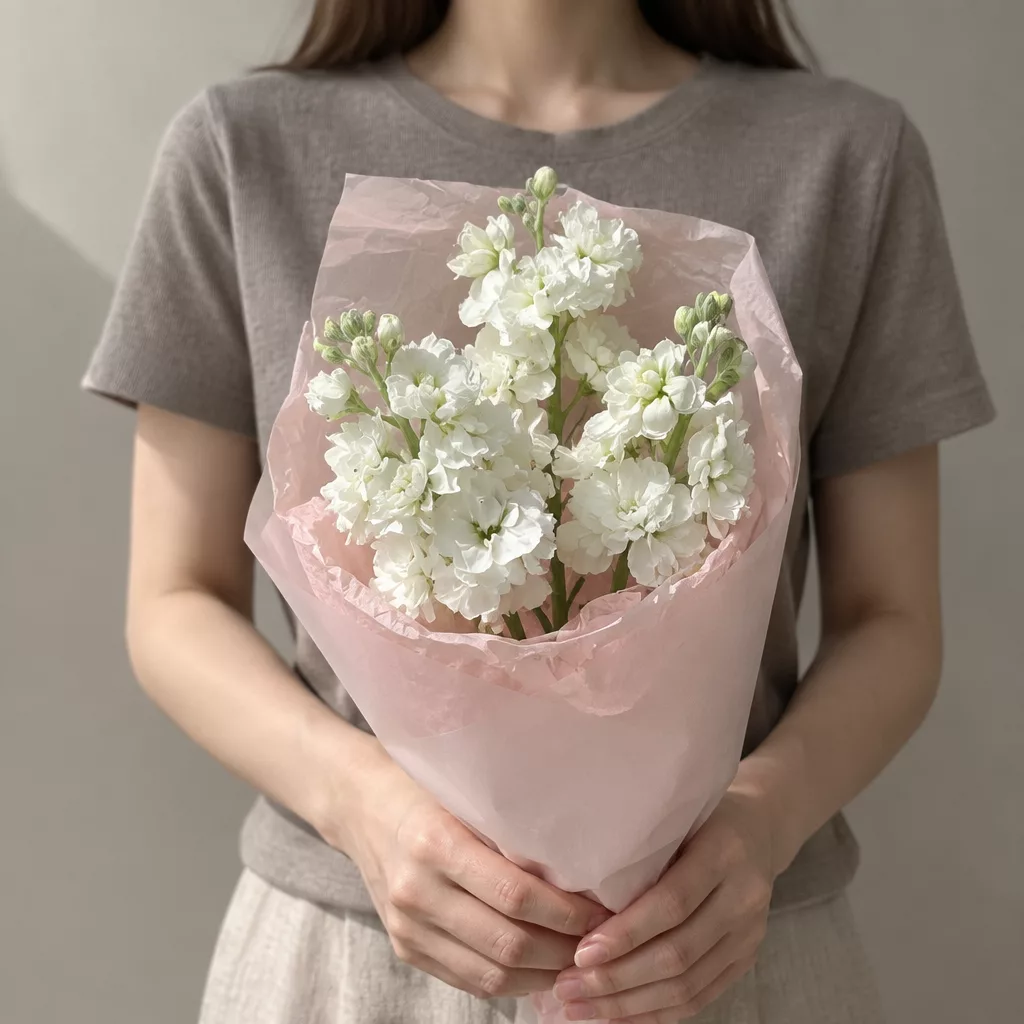
Bouquets we can deliver


Timing Your Order When You Are in a Different Time Zone
Aleksandrovsk operates on Moscow Time plus two hours, which means it sits in the UTC+5 zone. If you are placing an order from Western Europe, you are already three to four hours behind. From North America's East Coast, the gap is eight hours. From the West Coast, it stretches to eleven. These numbers are not just interesting trivia — they directly affect whether your flowers arrive before or after the moment that matters.
The most common mistake international senders make is ordering at what feels like a reasonable morning hour in their own city, only to discover that it is already mid-evening in Aleksandrovsk. A birthday dinner has started, the recipient has left the house, or the working day is over. Think backwards from the moment you want the flowers to arrive, then subtract your time zone gap to find your local deadline.
For a lunchtime delivery in Aleksandrovsk, a sender in London needs to place the order by roughly seven or eight in the morning London time on the same day. A sender in New York needs to order the evening before. Building in an extra buffer of one to two hours is always wise, especially if you are ordering for a specific event rather than a general daytime delivery. Turboflora delivers within one to two hours of order confirmation, so the calculation is simple once you know your time zone difference. Write the recipient's address in full Russian transliteration or Cyrillic if possible — it removes any ambiguity and speeds up the process considerably.
Choosing Flowers for the Person, Not Just the Occasion
Before you think about which flowers are in season, think about who is receiving them. A woman in her sixties who tends a garden will respond differently to a bouquet than a young woman who works in a design studio. A man receiving flowers — yes, Russian men do receive flowers, particularly for professional milestones and birthdays — will appreciate something structured and unfussy rather than delicate and romantic.
For a woman who loves classic beauty, roses remain the most universally appreciated choice in Russia. Red roses carry romantic meaning; pink and peach roses read as warm and celebratory without being overly intimate. If the relationship is close but not romantic, a mixed bouquet of white spray roses with eucalyptus and seasonal greenery feels generous and considered rather than ambiguous.
For someone younger or more creative, consider ranunculus in spring, or lisianthus in summer and autumn. Both flowers have layered petals that photograph beautifully and hold their shape well during delivery. Sunflowers are cheerful and bold — they work wonderfully for birthdays and feel genuinely Russian in spirit, evoking summer fields and warmth.
For a man, a compact arrangement of white chrysanthemums, hypericum berries, and dark greenery looks intentional and elegant without reading as overly feminine by local standards. The key is to think about the person's personality and your relationship with them first, then let the occasion guide the colour palette and scale. A florist who knows both the recipient and the flowers can usually bridge that gap for you.
Seasonal Availability and What Grows When
Russia's flower market is heavily influenced by imports, which means roses, carnations, and chrysanthemums are available year-round regardless of outdoor temperatures. However, seasonal flowers from Dutch and Ecuadorian growers shift with the calendar, and knowing what is genuinely fresh in each season helps you choose something that will last rather than something that has been in cold storage for weeks.
In winter, from November through February, the strongest choices are roses, alstroemeria, carnations, and waxflower. Tulips begin arriving from Dutch greenhouses in January and are at their peak from late February through April. They are the flower most associated with International Women's Day on the eighth of March, when virtually every Russian woman expects flowers — if you have anyone to send to on that date, order at least two or three days in advance, as demand is extraordinary.
Spring brings ranunculus, freesia, and the first peonies by late May. Peonies are arguably Russia's most beloved seasonal flower, and a full peony bouquet in blush, coral, or white is a deeply appreciated gift from late May through June. Summer opens up gerbera daisies, lisianthus, and sunflowers. Autumn is the season for dahlias, which come in rich burgundy, orange, and deep pink tones, and for the last of the chrysanthemums before the cold sets in again.
Aleksandrovsk experiences cold winters and warm summers, so temperature during delivery matters. In January and February, flowers should be wrapped well and moved indoors quickly — leaving a bouquet in an unheated entrance hall for even thirty minutes in minus fifteen degrees will damage petals significantly.
Odd Numbers, Red Flowers, and Other Russian Customs to Know
If you have never given flowers in Russia before, a few customs will feel unfamiliar but are worth following. The most important one is the odd-number rule. Bouquets given as gifts must contain an odd number of stems — one, three, five, seven, eleven, and so on. Even numbers of flowers are reserved strictly for funerals and mourning, and giving an even-numbered bouquet to a living person carries an uncomfortable association that no one will say aloud but everyone will notice.
This rule applies regardless of what the flowers are. Three roses, five tulips, seven peonies — all perfectly appropriate. Four roses or six chrysanthemums, even if they look symmetrical and beautiful, will quietly unsettle the recipient. When you place your order, you do not need to count stems yourself; a florist who knows Russian customs will compose the bouquet correctly. But if you are specifying a number, keep it odd.
Colour carries meaning too, though it is less rigid than the number rule. Yellow flowers have historically been associated with separation and infidelity in older Russian tradition, though younger generations are far less concerned about this. If you are sending to someone older or more traditional, it is safer to avoid purely yellow bouquets. Yellow combined with white, orange, or green reads as cheerful and modern rather than symbolic.
Wrapping matters more in Russia than in many Western countries. A beautifully wrapped bouquet — kraft paper, satin ribbon, or a structured box — signals that care went into the presentation. A bare, unwrapped bunch of flowers, however fresh, reads as careless. Presentation is part of the gift itself.
How to Write a Card Message from Abroad
A card message accompanying flowers from abroad carries particular weight. The recipient knows you are far away and that you made a deliberate effort to bridge that distance. A generic message wastes that emotional opportunity. Even a short, specific note — mentioning a shared memory, a private joke, or a precise reason you are thinking of them today — transforms a beautiful bouquet into something genuinely moving.
If you are writing in English and the recipient does not read English fluently, consider writing in simple, clear sentences and asking the florist to include a transliteration note. Alternatively, use a translation tool for a short phrase and write the original language below it — many Russians find it charming when someone abroad attempts even a few words of Russian, however imperfect.
Avoid vague phrases like 'thinking of you' or 'with love' as standalone messages. They are not wrong, but they are forgettable. Instead, try something like: 'I remember how you laughed at the kitchen table last summer. I wanted you to have something beautiful today.' That kind of specificity is what people read aloud to others in the room.
For professional occasions — a colleague's promotion, a business partner's anniversary — keep the tone warm but slightly more formal. Acknowledge the achievement directly and express genuine pride or congratulations. Russians appreciate directness in positive messages; there is no need to hedge or understate. If you are proud of someone, say so clearly. The card is the voice of the bouquet, and it deserves the same care as the flowers themselves.
Keeping Flowers Fresh After Delivery
Once the bouquet arrives, its lifespan depends almost entirely on how the recipient cares for it in the first few hours. As the sender, you can include care instructions in your card message, especially if you know the recipient does not have much experience with cut flowers. A few simple sentences can add three to five days to the vase life of almost any arrangement.
The first step is cutting the stems. Every stem should be cut at a forty-five degree angle, removing about two centimetres from the bottom, ideally while holding the stem under running water or submerging it briefly. This prevents air bubbles from blocking the stem's ability to draw water. A sharp knife works better than scissors, which can crush the stem tissue.
The vase water should be cool and clean. Warm or room-temperature water encourages bacterial growth, which shortens vase life significantly. Roses and tulips in particular last noticeably longer in cool water. The vase should be clean — residue from previous flowers introduces bacteria immediately. Changing the water every two days and re-cutting the stems each time makes a meaningful difference.
Keep the bouquet away from direct sunlight, radiators, and fruit bowls. Ripening fruit releases ethylene gas, which accelerates flower aging. In Aleksandrovsk's cold winters, a cool room is actually ideal — many flowers last longest at temperatures between fifteen and eighteen degrees Celsius. Tulips will continue growing after they are cut and may lean dramatically toward any light source, which is part of their charm rather than a sign of wilting. Roses, lisianthus, and alstroemeria are among the longest-lasting cut flowers and will reward careful water management with a week or more of bloom.
Sending flowers to Aleksandrovsk from abroad is less complicated than it sounds, and the impact on the person receiving them is almost always greater than you expect. The distance you are bridging is visible in the gesture itself — they know you thought about the time zone, chose something specific for them, and made it happen anyway. Get the timing right, pick flowers that suit the person rather than just the occasion, follow the odd-number rule, and write a card message that only you could have written. Everything else, from the wrapping to the delivery, is handled. The moment at the door is entirely yours.
Frequently asked questions
Can I place a flower order for Aleksandrovsk if I do not speak Russian?
Yes, completely. You can communicate in English when placing your order. Provide the recipient's full address, a contact phone number in Russia, and your preferred delivery window. The florist handles all local communication with the recipient's household in Russian, so there is no language barrier on the delivery side.
What is the latest I can order same-day flowers for Aleksandrovsk from abroad?
Aleksandrovsk is UTC+5, so calculate your order deadline by working backwards from your desired delivery time and subtracting your local time zone gap. From Western Europe, evening orders often still qualify as same-day. From North America, you typically need to order the evening before. Always build in a one-hour buffer for safety.
Are there flowers I should avoid sending to Russia as a foreigner?
The main caution is yellow flowers for older or more traditional recipients, as yellow has historically carried a negative association in Russian flower-giving custom. Purely yellow bouquets can feel ambiguous. Yellow mixed with other colours is perfectly fine. Avoid even numbers of stems — this is the most important rule to follow regardless of which flowers you choose.
What happens if the recipient is not home when the flowers arrive?
The delivery team will contact the recipient by phone before arriving. If no one answers, they will attempt to coordinate a revised time or leave the bouquet with a trusted neighbour if the recipient gives permission. Providing an accurate and active Russian phone number for the recipient when you order significantly reduces any delivery complications.
Which flowers last longest if the recipient is not experienced with floral care?
Alstroemeria, chrysanthemums, and carnations are the most forgiving cut flowers and can last ten days or more with minimal attention — just fresh water every two days. Roses and lisianthus also have good vase life when stems are trimmed properly. Avoid sending delicate flowers like anemones or sweet peas if you suspect the recipient will not manage detailed care routines.
Ready to send flowers?
Pick the city, choose the bouquet, and a local florist takes it from there.
Choose a city →