Sending Flowers to Bolotnoe from Abroad: A Florist's Honest Advice
Bolotnoe is a quiet Siberian town in Novosibirsk Oblast, and when someone you love lives there, distance feels especially sharp on a birthday, anniversary or just an ordinary Tuesday that needs brightening. Ordering flowers from London, Berlin, Toronto or Tokyo is entirely possible, and done right the bouquet arrives fresh, on time and carrying exactly the warmth you intended. What follows is everything a sender outside Russia genuinely needs to know before placing that order.
Why Bolotnoe Is Worth the Extra Planning
Bolotnoe sits roughly 80 kilometres northeast of Novosibirsk along the Trans-Siberian railway corridor. It is not a remote village, but it is not a major city either, which means flower logistics require a delivery partner with real reach into smaller Siberian towns rather than one that only services Moscow and Saint Petersburg. Turboflora dispatches fresh stems from its own stock and coordinates same-day delivery across Russia, including Bolotnoe, within a one-to-two-hour window once the order is confirmed and the recipient is reachable.
For a sender abroad, the key planning point is the time difference. Bolotnoe operates on Omsk Time, which is UTC plus six. When it is nine in the morning in London, it is already three in the afternoon in Bolotnoe. Placing your order early in your own morning gives the florists enough working hours on the Russian side to prepare and deliver the bouquet the same day. Orders placed late at night from Europe or the Americas will typically be processed and delivered the following morning in Bolotnoe, which is still fast but worth knowing so you can set expectations with your recipient.
The town experiences a genuine continental climate: winters are long and cold, summers are short and warm. That seasonal reality shapes which flowers travel well and which ones struggle, so the month you are ordering matters as much as the budget you set.
Bouquets we can deliver

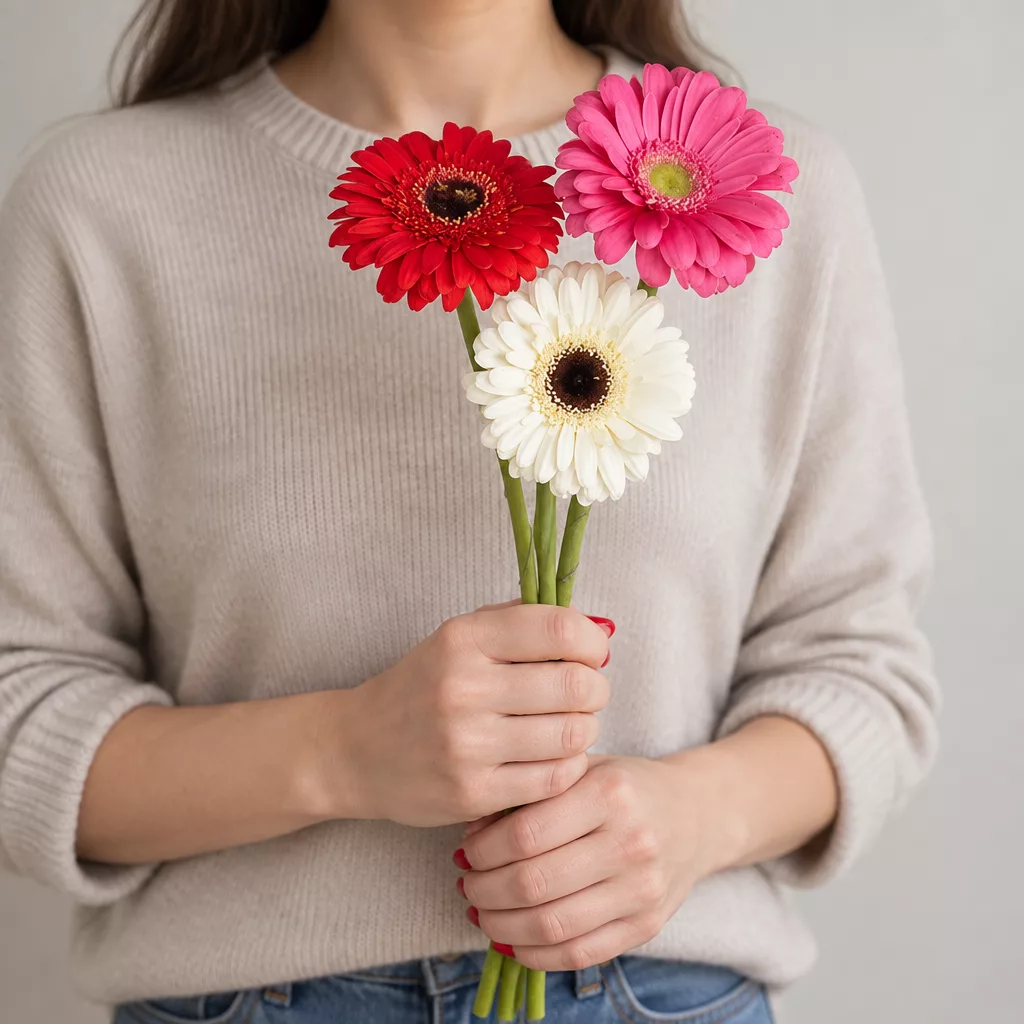
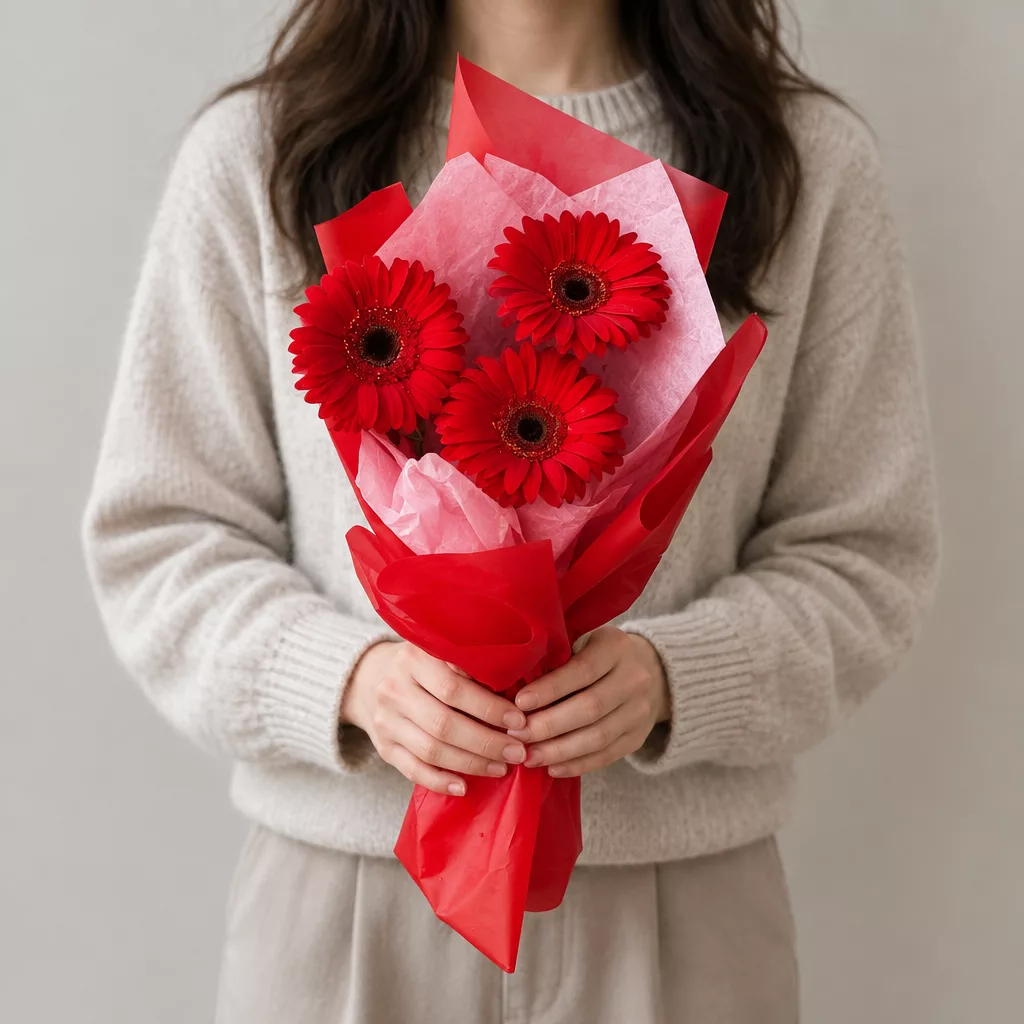
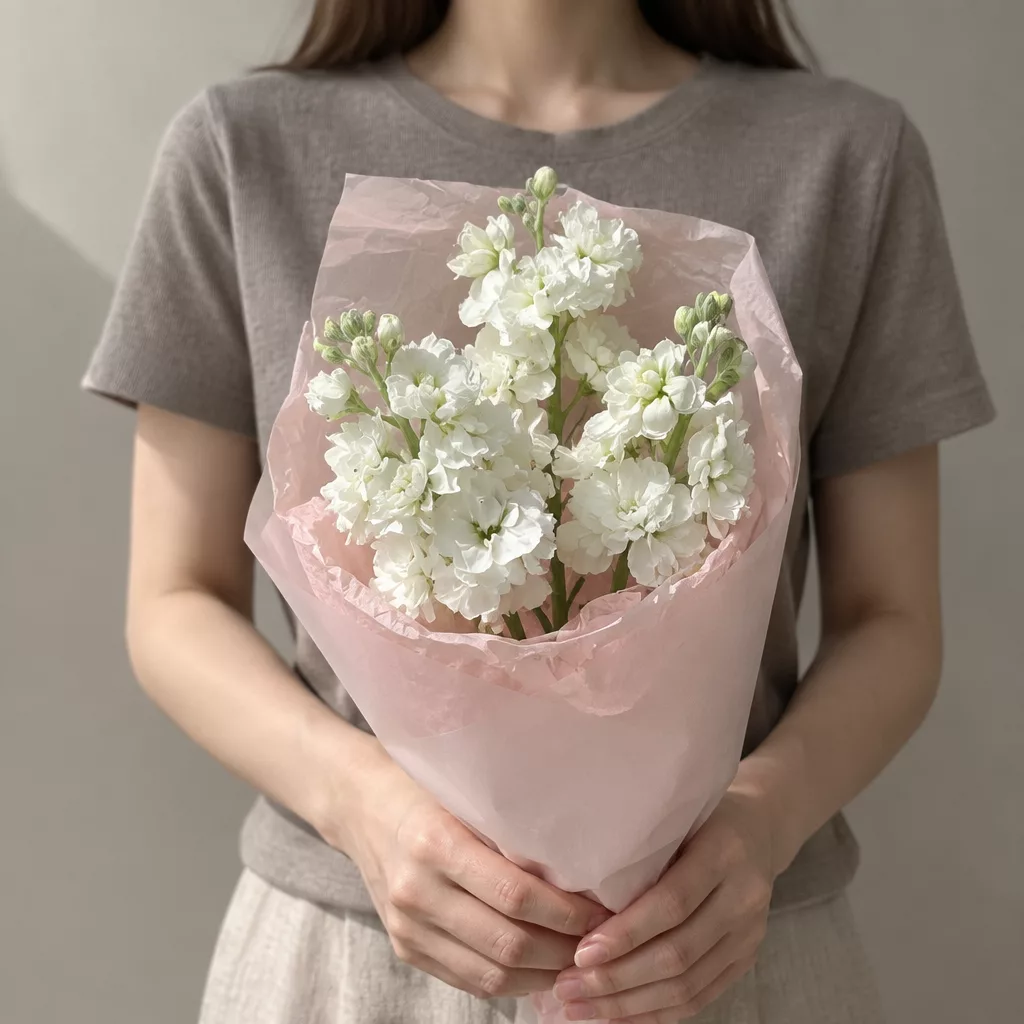
Choosing the Right Flowers for the Siberian Climate
Temperature in Bolotnoe drops well below minus twenty Celsius in January and February, and even October and March carry a real chill. Delicate tropical flowers such as anthurium or bird of paradise are not ideal choices in deep winter because even a brief exposure to freezing air during the handover at the door can cause cell damage and browning within hours. Roses, spray chrysanthemums, alstroemeria and carnations are hardier and handle the cold transition far better when the courier wraps them correctly in insulating kraft paper and a protective sleeve.
In summer, Bolotnoe can reach twenty-five to thirty degrees Celsius, which creates the opposite challenge. Tulips and ranunculus, which are spring beauties, wilt quickly in heat if they sit in a warm entrance hall without water. For warm-month deliveries, eustoma, statice, solidago and garden-style roses with tighter bud formations hold their shape and colour much longer at room temperature.
Spring, roughly April through May, is actually the finest window for sending flowers to Bolotnoe. Tulips, narcissus and hyacinths are all at their seasonal peak, prices are reasonable, and the temperature is mild enough that the flowers travel without stress. If your occasion falls in spring, lean into that seasonal abundance rather than forcing tropical or out-of-season varieties. The bouquet will look more generous and last noticeably longer in the vase.
Reading Russian Gifting Customs Before You Order
If you have not sent flowers inside Russia before, a few cultural details will help you choose more confidently. The most important is the even-number rule. In Russian tradition, an even number of flowers is associated with mourning and is brought to funerals. Always order an odd number of stems: five, seven, nine, eleven, fifteen, twenty-five. Reputable florists build their bouquets this way automatically, but it is worth knowing so you understand why the count looks slightly unusual compared to a dozen roses you might order in the United Kingdom or the United States.
Colour carries meaning too, though interpretations vary by generation and region. Red roses remain the clearest romantic signal and are universally understood. Yellow flowers were historically associated with separation or jealousy in Soviet-era culture, though younger Russians in their twenties and thirties rarely observe this and often love yellow sunflowers or yellow spray roses. If you are sending to someone older or more traditional, a mixed bouquet with yellow as an accent rather than the dominant colour is a safe middle path.
White flowers are beautiful and considered elegant for birthdays and congratulations, unlike in some East Asian cultures where white carries mourning associations. Peonies, white eustoma and white roses are all warmly received. Packaging matters in Russia as much as the flowers themselves. A well-wrapped bouquet with ribbon, tissue and a handwritten card signals care and effort, which is exactly the impression you want to make from thousands of kilometres away.
Matching the Bouquet to the Occasion and the Person
Think first about who is receiving the flowers and what the moment means to them, then let that shape every choice. For a mother's birthday, garden roses in blush and cream combined with eucalyptus and white eustoma create a soft, generous arrangement that reads as thoughtful rather than generic. For a romantic partner, classic red or deep burgundy roses in a structured round bouquet carry the clearest message, especially if you add a few stems of dark red spray roses to give the arrangement depth and texture.
For a colleague, a friend or a professional congratulation, mixed seasonal bouquets work beautifully because they feel celebratory without being overly intimate. A combination of orange and yellow alstroemeria with white chrysanthemums and green button poms is cheerful, long-lasting and appropriate for almost any non-romantic occasion. If the recipient has a garden or a known preference for wildflower aesthetics, ask the florist to build something looser: cornflowers, chamomile-type chrysanthemums and lavender-toned statice create that meadow feeling even in a Siberian November.
Children and teenagers often respond best to bold, bright colour rather than elegant neutrality. Sunflowers, bright gerbera daisies and vivid tulips in season make a far stronger impression on a young person than a refined cream-and-blush composition that would delight their grandmother. Matching the bouquet to the actual person, not a generic idea of a recipient, is what separates a memorable gift from a forgotten one.
Budgeting Across Different Sender Situations
Senders from Western Europe, North America or the Gulf region are often surprised to find that a genuinely beautiful bouquet delivered to a Russian town costs considerably less in absolute terms than a comparable arrangement at home. That does not mean the cheapest option is always the right one. A very small bouquet can feel underwhelming when it arrives after a long journey and a heartfelt message, so think in terms of visual generosity rather than stem count alone.
A modest but well-composed bouquet might include seven stems of spray roses with greenery and a ribbon wrap. It is compact, pretty and entirely appropriate for a casual occasion or a friendly gesture. Moving up in budget, fifteen stems of garden roses with eucalyptus, wax flower filler and a box presentation creates something that photographs beautifully and fills a room with fragrance. At the upper end, a large round bouquet of twenty-five premium roses or a mixed seasonal arrangement with peonies in season becomes a genuine statement piece that the recipient will likely photograph and share.
If you are celebrating something significant, a milestone birthday or a major professional achievement, consider adding a potted plant alongside the bouquet. Phalaenopsis orchids and peace lilies are widely available and last for months rather than days, giving the recipient a living reminder of the occasion long after the cut flowers have faded. The combination of a bouquet plus a plant is increasingly popular in Russia and always reads as generous and considered.
Placing Your Order from Outside Russia Without Confusion
The practical steps are simpler than many international senders expect. You need the recipient's full name, their mobile phone number with the Russian country code, and their precise address in Bolotnoe including the apartment number and entrance number for residential buildings. Russian apartment buildings often have multiple entrances, and the delivery courier needs the correct one to avoid delays. If you do not have the entrance number, ask your recipient casually before ordering without revealing the surprise, or note it in the order comments so the courier can call ahead.
Payment from abroad is straightforward with major international cards. The order form on Turboflora's website is available in Russian and English, and the florist team can answer questions by email or messaging app if you need help selecting varieties or confirming availability for a specific date. Providing a brief note about the occasion in your order comments helps the florist make small finishing touches, such as choosing a ribbon colour that suits a birthday versus an anniversary.
For surprise deliveries, the courier will call the recipient before arriving, which is standard practice across Russia. This is not a spoiler but a courtesy: Russian buildings with intercoms require the resident to buzz the courier in. If your recipient is at work during the day, it is worth checking whether home delivery or a workplace delivery is more practical. Workplace deliveries in Russia are common and perfectly acceptable, and they often create a lovely moment when colleagues witness the arrival.
Helping Your Recipient Keep the Flowers Fresh Longer
A beautiful bouquet deserves a long vase life, and a few simple instructions make a real difference. When the flowers arrive, the recipient should recut the stems at a diagonal angle, about two centimetres from the base, using a sharp knife rather than scissors. Scissors crush the stem cells and reduce water uptake. The bouquet should go into a clean vase filled with cool, fresh water immediately, and the water should be changed every two days.
Any leaves that would sit below the waterline should be removed before placing the stems in the vase. Submerged leaves decompose quickly and introduce bacteria that shorten the life of every flower in the arrangement. A small sachet of flower food is often included with the bouquet; it contains a mild biocide and a sugar source that together extend vase life noticeably. If no sachet is included, a small amount of sugar and a drop of bleach in the water achieves a similar result.
In Bolotnoe's cold winters, the recipient should keep the bouquet away from the radiator, which is the most common mistake. Central heating in Russian apartments runs hot and dry, and a vase sitting on a windowsill above a radiator will lose its flowers in two or three days instead of seven to ten. A cooler spot, such as a table away from heat sources, extends the display significantly. Roses, alstroemeria and chrysanthemums all last seven to twelve days with proper care. Tulips are shorter-lived at five to seven days but are so beautiful in the first few days that the brevity feels worthwhile.
Sending flowers to Bolotnoe from the other side of the world is a genuinely moving thing to do. The distance makes the gesture larger, not smaller. When your recipient opens the door to a courier holding a well-made bouquet, the fact that someone in another country arranged it, chose the flowers, wrote the message and thought it all through is exactly what they feel. The logistics are manageable, the flowers are real and fresh, and the moment is entirely worth the planning.
Frequently asked questions
Can I order flowers for same-day delivery to Bolotnoe if I am in a different time zone?
Yes, but timing is important. Bolotnoe is on UTC plus six, so place your order early in your local morning to ensure there are enough working hours remaining in Bolotnoe for preparation and delivery. Orders placed during European or American evenings are typically fulfilled the following morning in Bolotnoe, which is still very fast and reliable.
What flowers should I avoid sending to Bolotnoe in winter?
Avoid tropical varieties such as anthurium, bird of paradise and ginger flowers during the coldest months of December through February. These are sensitive to freezing temperatures during the doorstep handover. Roses, carnations, alstroemeria and chrysanthemums are much sturdier and handle Siberian winter conditions without damage when properly wrapped by the florist.
Is it true I should never send an even number of flowers in Russia?
Yes, this is a genuine and widely observed custom. Even numbers of flowers are associated with funerals in Russian culture, so always choose an odd number: seven, nine, eleven, fifteen or twenty-five stems, for example. Professional florists follow this rule automatically, but it is good to understand it so the stem count does not seem like an error to you.
Can the recipient's address be in Russian, or do I need to provide it in English?
Providing the address in Russian is preferable for accuracy, since Russian street names transliterate inconsistently and mistakes can cause delivery delays. If you only have the address in English transliteration, include it exactly as you have it and add any clarifying details, such as the entrance number and floor, in the order comments. The florist team can verify the address if needed.
How long will the flowers last after delivery to Bolotnoe?
With proper care, most bouquets last seven to twelve days. The key steps are recutting stems at a diagonal before placing them in water, changing the water every two days, removing submerged leaves and keeping the vase away from radiators and direct sunlight. Tulips are shorter-lived at five to seven days, while roses, alstroemeria and chrysanthemums are among the longest-lasting choices.
Ready to send flowers?
Pick the city, choose the bouquet, and a local florist takes it from there.
Choose a city →