How to Send Flowers to Cheboksary from Abroad
Someone you love is in Cheboksary, and you are sitting thousands of kilometres away wondering whether a bouquet can actually reach them looking the way you imagined it. It can. Ordering flowers across that distance is less complicated than it sounds once you understand the rhythm of the city, the seasonal logic of Russian floristry, and a few simple customs that will make your gift land exactly right.
Understanding Cheboksary Before You Order
Cheboksary is the capital of the Chuvash Republic, sitting on the Volga river roughly 650 kilometres east of Moscow. It is a mid-sized Russian city with a warm, community-oriented culture where flowers carry real social weight. Birthdays, anniversaries, graduations, and professional celebrations are all marked with a bouquet, and arriving at someone's door without one is genuinely noticed. Knowing this helps you understand why the presentation of your order matters as much as the flowers themselves.
The city experiences a true continental climate. Winters are cold and long, with temperatures regularly dropping below minus fifteen Celsius, while summers can push above thirty. This temperature range directly affects which flowers travel well at any given time of year and how quickly they age once delivered. A florist who understands these conditions will pack and route your bouquet accordingly, choosing stems that can handle the journey and the season.
Time zones matter too. Cheboksary runs on Moscow Time plus one hour, so it sits in UTC plus four. If you are ordering from Western Europe, North America, or Asia, calculate the local time before you place your order. A bouquet requested for a morning surprise needs to be booked the evening before at minimum, accounting for the time difference. Getting this detail right is what separates a gift that feels magical from one that arrives awkwardly late.
Bouquets we can deliver

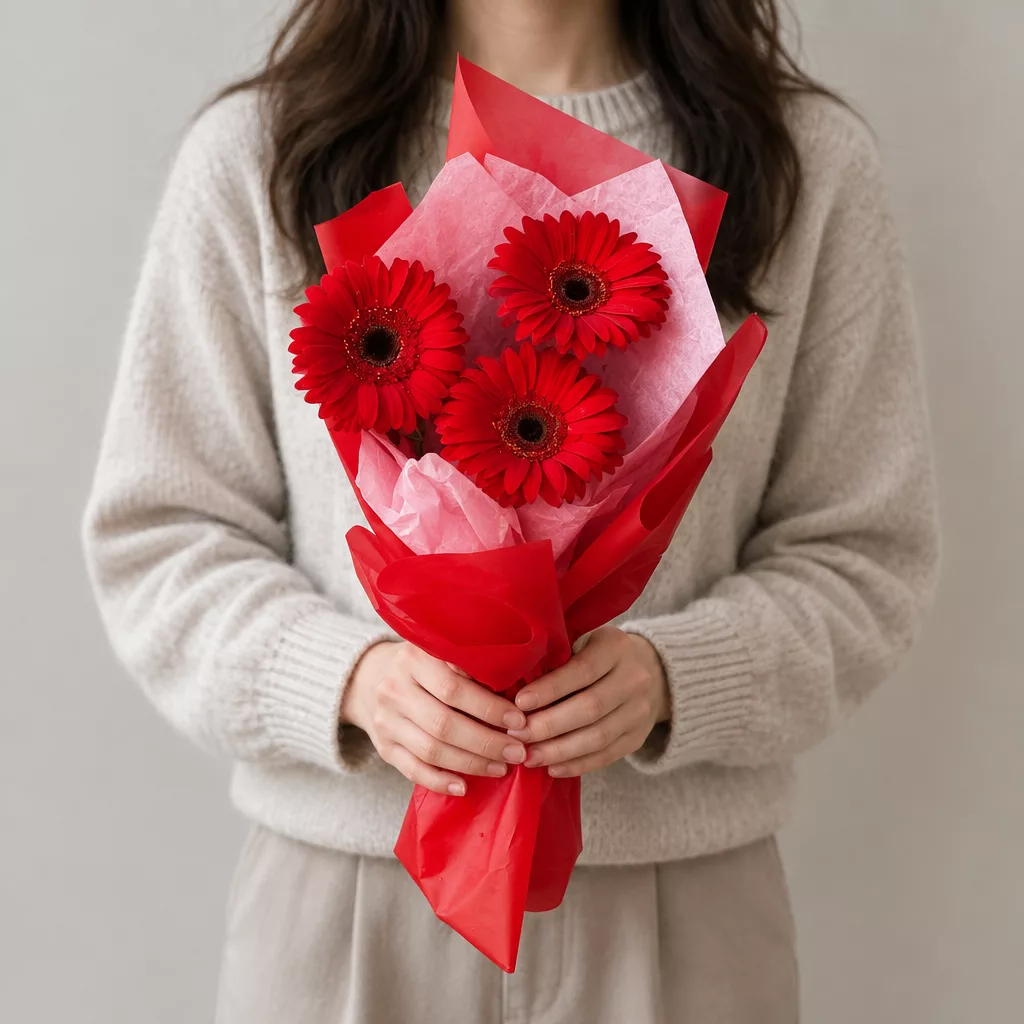
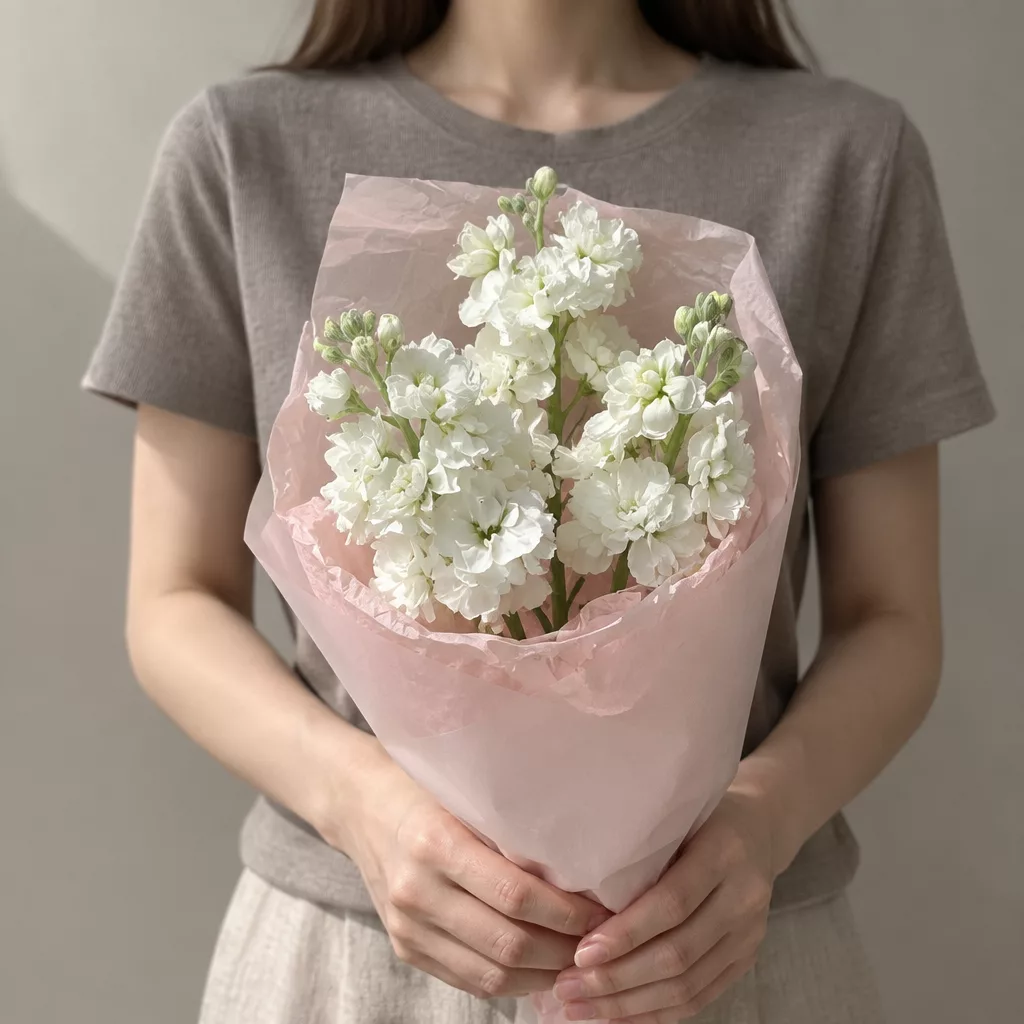
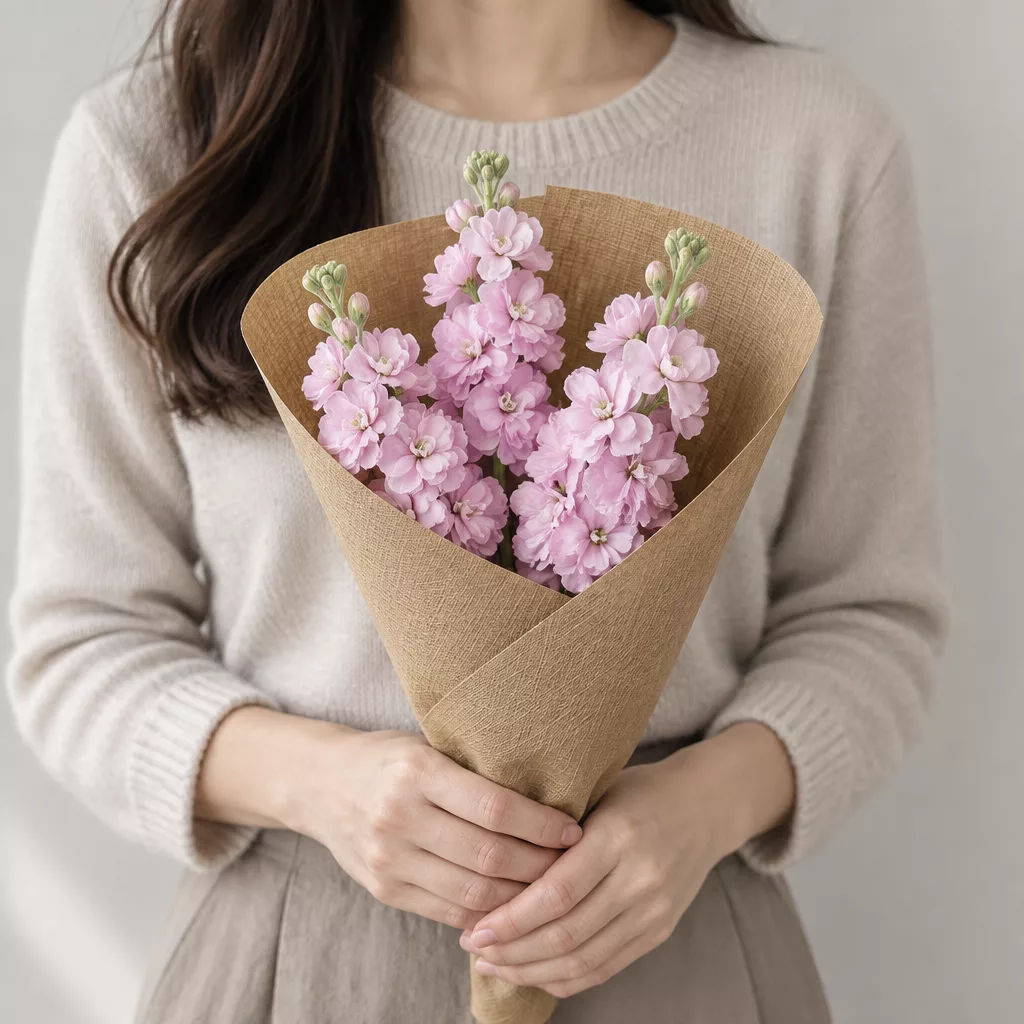
Choosing the Right Flowers for the Occasion
Start with the person, not the flower. Ask yourself what they love, what their home looks like, and what the moment actually calls for. A colleague receiving a promotion responds differently to a structured arrangement of white calla lilies and eucalyptus than to a loose, garden-style mix of ranunculus and sweet peas. Both are beautiful; only one will feel right for that specific relationship and event.
For romantic occasions, red or blush roses remain the clearest signal of affection in Russian culture, but they work best when paired thoughtfully. A monochrome bouquet of garden roses in cream and pale pink reads as more sophisticated than a standard dozen red stems. Add some waxflower or gypsophila for texture and the whole thing becomes something the recipient will want to photograph before putting it in water.
Celebrations like birthdays and namedays — namedays are observed in Russia and often treated with the same importance as birthdays — call for colour and generosity. Sunflowers are universally loved and hold up well in warmer months. Gerberas bring a cheerful directness that works for colleagues and friends alike. Peonies, when in season from late spring through early summer, are among the most requested flowers in Russia and carry a sense of occasion that few other blooms match.
For a new baby or a housewarming, softer palettes with tulips, alstroemeria, or spray roses feel welcoming rather than showy. Avoid anything too dramatic or heavily scented for these moments. The goal is warmth, not spectacle.
Navigating the Russian Odd-Number Rule
One custom that surprises many international senders is the odd-number convention. In Russia, even numbers of flowers are associated with mourning and are traditionally brought to funerals. For any celebratory or affectionate occasion, you should always order an odd number of stems: three, five, seven, eleven, or more. This is not a superstition people are embarrassed about — it is a genuine and widely observed social norm, and breaking it can cause real confusion or discomfort for the recipient.
When you order online from abroad, a reputable florist will already build this into their arrangements by default. However, if you are customising a bouquet and specifying stem counts, keep the rule in mind. A dozen roses sounds romantic in English-speaking contexts but reads as inappropriate in Russia. Eleven or thirteen roses, on the other hand, land beautifully.
The colour white deserves a brief note. White flowers are not exclusively associated with mourning in Russian culture the way they sometimes are in East Asian traditions, and white roses, white tulips, and white lilies are all given freely for celebrations. What matters far more is the number. If in doubt, ask your florist to confirm the count before the order is finalised.
This single piece of knowledge will immediately make your gift feel more considered and culturally fluent. Recipients notice when a sender from abroad has taken the time to understand local customs. It transforms a nice gesture into a genuinely thoughtful one, and that distinction is exactly what makes a flower delivery memorable.
Timing, Delivery Windows, and Seasonal Considerations
Fresh flowers delivered to Cheboksary can arrive within one to two hours of your order being confirmed, which means same-day delivery is genuinely achievable for most occasions. The key is placing your order early enough in the day. For a lunchtime surprise, order by mid-morning Cheboksary time. For an evening delivery to catch someone at home after work, ordering by early afternoon gives the team comfortable preparation time.
Season shapes your choices more than any other single factor. From November through March, cold temperatures actually help cut flowers stay fresh during transit, but you want varieties with sturdy stems that will not freeze at the tips. Chrysanthemums, roses, and carnations handle winter conditions reliably. Avoid delicate tropical flowers like anthuriums or bird of paradise in deep winter unless the florist can guarantee temperature-controlled handling throughout.
Spring brings tulips from late February, and they are everywhere in Russia around International Women's Day on the eighth of March, which is one of the biggest flower-giving occasions in the country. If you want to send something for that date, order at least a week in advance because demand is extraordinary. Irises and daffodils follow in April and May.
Summer opens up the widest palette. Lisianthus, freesia, hydrangea, and seasonal garden roses are all at their best. The challenge in July and August is heat — flowers need to move from cool storage to the recipient's hands quickly. A florist who manages this chain properly will deliver a bouquet that looks as fresh on arrival as it did when it was assembled.
How to Write the Card Message from Abroad
The card message is often the part international senders think about last, but it is what the recipient reads first and remembers longest. A few practical points will help you get it right. If you are writing in English, that is completely fine — many Russians read English, and a message in your own language carries its own sincerity. If you want to include a phrase in Russian, keep it short and ask someone to check it. A small spelling error in Cyrillic is more distracting than writing the whole thing in English.
Be specific rather than generic. Instead of writing simply happy birthday, mention something real: a shared memory, a quality you admire, a specific wish for the year ahead. Russian culture values warmth and directness in equal measure, so a message that says exactly what you feel will always land better than a polished but impersonal line.
If the occasion is a nameday, acknowledge it explicitly. Namedays in Russia correspond to the feast day of the saint whose name a person shares, and many people celebrate them alongside or even instead of birthdays. Saying that you remembered their nameday and sent flowers specifically for it is a gesture that will genuinely move someone.
For professional occasions like a work anniversary or a promotion, keep the tone respectful and warm without being overly personal. A brief, sincere acknowledgement of their achievement paired with a well-composed bouquet of white or yellow flowers is the most universally appreciated combination in a workplace context. Let the flowers do the emotional work and keep the words clean and genuine.
Helping the Recipient Care for Their Bouquet
Once the flowers arrive, what happens in the first two hours determines how long they last. Sharing a few simple care instructions with your recipient — either in the card or by message — is one of the kindest things you can do as a sender. Cut flowers need fresh water, a clean vase, and a cool spot away from direct sunlight and radiators. In a Russian apartment in winter, the area near a heating unit is one of the worst places to put a bouquet, even though it is often where people instinctively place things that feel precious.
For roses and tulips, trim the stems at a diagonal angle under running water before placing them in the vase. This opens the stem end and allows the flower to drink properly. Remove any leaves that would sit below the waterline, as they rot quickly and cloud the water. Change the water every two days and re-trim the stems each time.
Different varieties have different lifespans. Chrysanthemums and alstroemeria are among the longest-lasting cut flowers and can stay fresh for ten to fourteen days with proper care. Tulips and ranunculus are shorter-lived but intensely beautiful — they typically last five to seven days. Peonies open dramatically over two to three days and are at their most spectacular just before they start to drop petals, which happens around day five or six.
If your recipient keeps the flowers in a cool room overnight, perhaps fifteen degrees Celsius or slightly below, they will last noticeably longer than in a warm living room. This small habit makes a real difference and is worth mentioning in your message.
Sending flowers to Cheboksary from the other side of the world is not a complicated act, but it is a meaningful one. The person receiving that bouquet will know that you thought ahead, navigated a time zone, remembered a custom, and chose something specifically for them. That combination of effort and intention is what flowers have always been for — not just beauty, but proof that someone was thinking of you. Get the timing right, pick varieties suited to the season, follow the odd-number rule, and write something true on the card. The rest takes care of itself.
Frequently asked questions
Can I order flowers for Cheboksary delivery if I live outside Russia?
Yes, absolutely. You can place an order online from any country. You will need the recipient's full address including apartment number and a working phone number for the delivery. Payment is handled through the website. The key practical step is accounting for the time difference between your location and Cheboksary, which runs on UTC plus four, so you can confirm a realistic delivery window.
What is the most popular flower-giving occasion in Russia that I should know about?
International Women's Day on the eighth of March is the single largest flower-giving day in Russia. Almost every woman receives flowers from family members, colleagues, and friends. If you want to send a bouquet for this date, order well in advance — at least five to seven days ahead — because demand is exceptionally high and the most popular varieties, especially tulips and roses, sell out quickly.
Why do Russian florists always use an odd number of flowers in a bouquet?
Even numbers of flowers are traditionally associated with mourning in Russian culture and are brought to funerals. For any joyful occasion — a birthday, anniversary, celebration, or romantic gesture — an odd number of stems is always used. This is a deeply observed social convention, not merely superstition. When ordering, check that your bouquet contains an odd stem count to ensure your gift is received in the right spirit.
Which flowers hold up best during winter delivery in Cheboksary?
Roses, chrysanthemums, carnations, and alstroemeria are all reliable choices for winter delivery because they have sturdy stems and handle cold transit well. Avoid delicate tropical varieties in deep winter. Tulips are available from late February and travel well in cooler temperatures. The florist will pack the bouquet appropriately for the season, but choosing cold-tolerant varieties from the start gives you the best result.
How long in advance should I place my order for a same-day delivery to Cheboksary?
For same-day delivery, place your order at least three to four hours before the time you want the bouquet to arrive, calculated in Cheboksary local time. Earlier is always better. For morning deliveries, ordering the night before is ideal. For major occasions like Women's Day or Valentine's Day, order several days ahead. Last-minute orders are often possible, but giving more lead time ensures the best choice of flowers.
Ready to send flowers?
Pick the city, choose the bouquet, and a local florist takes it from there.
Choose a city →