How to Send Flowers to a Hospital in Russia: A Practical Guide
When someone you care about is recovering in a Russian hospital, flowers are one of the most human things you can send. They say what a phone call cannot always manage — that you are thinking of them, that the outside world is warm and waiting. But hospital deliveries in Russia follow their own logic, and a bouquet that arrives at the wrong entrance or on the wrong day can end up sitting at a reception desk rather than brightening a bedside table. This guide walks you through the real rules, the practical steps, and the best flower choices so that your gesture lands exactly as you intend it.
Which Russian Hospitals Accept Flower Deliveries
Not every hospital in Russia operates the same way, and this is the first thing to understand before you order. Large city hospitals, regional medical centres, and private clinics generally accept flower deliveries, but each has its own entry protocol. Municipal hospitals in Saint Petersburg and Moscow typically have a central reception or a pass office called the propusk bureau, and any visitor or delivery must be registered there before entering the building.
Private clinics tend to be more flexible. Many have a concierge or front-desk service that will accept a bouquet on behalf of the patient and deliver it to the room directly. This is the smoothest scenario, and if you know the patient is in a private facility, a quick phone call to the clinic's reception is usually all you need to confirm the process.
Some specialist wards — oncology departments, intensive care units, and neonatal units — have blanket restrictions on fresh flowers. This is not a bureaucratic formality; it is a genuine infection-control measure. Before you order, call the ward directly or ask the patient's family member to check. A florist who knows the city well can advise you on which types of arrangements tend to clear these checks, but the confirmation must come from the hospital itself.
In general, standard surgical recovery wards, therapy departments, and private rooms in maternity hospitals are the most accessible. When in doubt, assume you need to verify, not assume access is automatic.
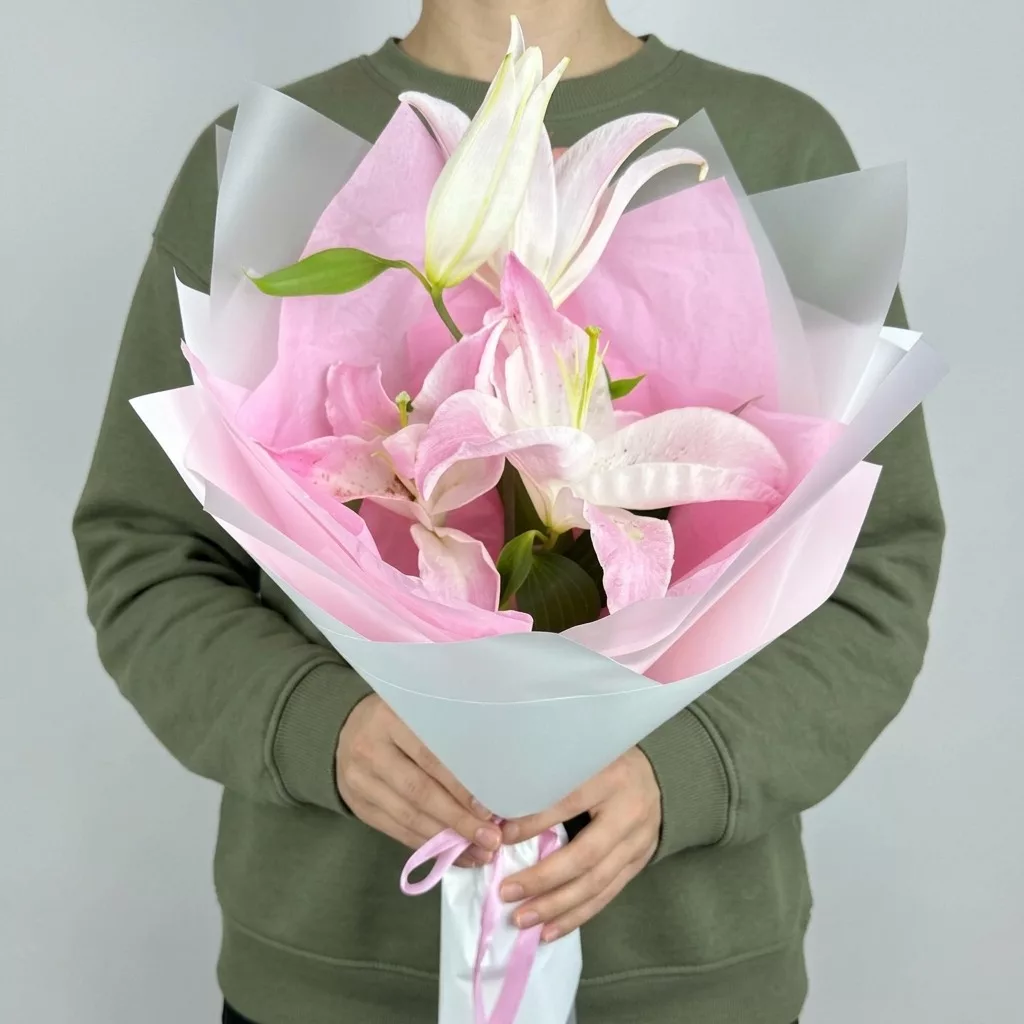
Bouquets we can deliver



Understanding the Rules Around Flowers in Russian Medical Settings
Russian hospitals follow sanitary norms that are taken seriously at ward level, and flowers fall under these rules in ways that may surprise someone used to Western hospital visits. The core concern is allergens and bacteria. Heavily scented flowers — tuberose, oriental lilies, hyacinths — are almost universally unwelcome in shared wards because other patients may react badly. Even if the nursing staff do not turn them away at the door, a strongly fragrant bouquet in a closed room with multiple patients is inconsiderate, and staff may quietly remove it.
Pollen is a separate issue. Flowers from the lily family are the most common problem. If you want to send lilies, choose varieties where the anthers have been removed, or ask your florist to do this before the arrangement leaves the shop. At Turboflora we remove anthers as a standard step for any hospital order because it eliminates the staining risk and reduces airborne allergen load.
Water in vases can harbour bacteria, which is why some wards prefer arrangements in floral foam or sealed water tubes rather than open vases. A compact, well-conditioned bouquet wrapped to hold its own moisture for several hours is a practical choice, since the patient may not have immediate access to a vase or fresh water.
Some hospitals also restrict the size of arrangements for practical reasons — a small room or a shared ward simply has no surface for a large display. Aim for something elegant and contained rather than dramatic and wide.
How to Coordinate with Ward Staff Before the Delivery
The single most effective thing you can do is make one phone call before the bouquet leaves the shop. Call the hospital's main number, ask to be connected to the relevant ward, and speak to a nurse on duty. In Russian hospitals this person is called the medsestra on dezhurstve — the duty nurse. You do not need to speak Russian to manage this if you have a Russian-speaking contact who can make the call on your behalf, or if the patient themselves can ask a nurse to expect a delivery.
What you need to confirm in that call: whether the ward accepts fresh flowers, whether there is a specific entrance for deliveries, what hours the pass office is open, and whether the patient is allowed to receive visitors or items from outside. Some wards have quiet hours, typically between one and three in the afternoon and after nine in the evening, when deliveries are not processed.
When you place your order with us, include the patient's full name, ward number, and room number if you have it. Russian hospitals register patients by full name, and a delivery without this information can stall at the reception desk. The ward number is often more useful than the room number because nursing staff work by ward and can locate a patient within their section quickly.
If the patient has recently had surgery or is in a monitored condition, a soft, low-scent arrangement delivered to a family member at the entrance — who then brings it in personally — is sometimes the most reliable route.
The Best Flowers to Send to a Hospital Patient
Think about what the patient will actually experience sitting in a hospital room. Bright colour lifts the mood more effectively than formal arrangements. Cheerful, sturdy flowers that hold their shape for five to seven days without demanding much attention are ideal, because a recovering patient cannot be expected to trim stems and change water daily.
Gerbera daisies are one of the best choices for hospital deliveries. They are vivid, low-scent, long-lasting, and available in colours that feel genuinely joyful rather than ceremonial. A compact cluster of gerberas in warm orange, coral, and yellow reads as warmth and energy — exactly what a patient needs to see first thing in the morning.
Freesia is another excellent option. Its scent is light and clean rather than heavy, and its delicate stems create an airy, optimistic impression. Paired with white or cream spray roses and a few stems of eucalyptus, freesia makes an arrangement that feels fresh without being overwhelming in a small space.
Chrysanthemums are underused in this context. Modern spray chrysanthemums in soft pink, peach, or white are nothing like the stiff formal varieties of older decades. They last exceptionally well — up to ten days with basic care — and their scent is minimal. For a patient who will be in hospital for more than a few days, chrysanthemums are genuinely practical.
Avoid flowers with very large open blooms that drop petals quickly, such as open peonies in full bloom, and skip anything with a milky sap that could irritate skin if the patient handles the stems.
Timing, Temperature, and Delivery Logistics in Russia
Russia's climate creates a delivery challenge that does not exist in warmer countries. In Saint Petersburg, winter temperatures regularly fall to minus fifteen or lower, and a bouquet exposed to that cold for more than a few minutes will suffer visible damage — petals bruise, stems lose their rigidity, and delicate varieties like ranunculus or anemone may not recover. At Turboflora we wrap hospital deliveries in insulated packaging for any order placed between October and April, and our couriers are instructed to keep the bouquet inside the vehicle rather than in the boot.
The one to two hour delivery window matters more for hospital orders than for almost any other occasion. A patient's schedule is not their own — they may be taken for a procedure, moved to another room, or have visiting hours close before a slow delivery arrives. Ordering early in the day gives you the most flexibility and the widest window before afternoon quiet hours begin.
For summer deliveries, the opposite concern applies. Flowers left in a warm car or a sunny hospital lobby will age quickly. We condition all stems in cool water before dispatch and use packaging that retains some moisture, but the recipient should ideally put the bouquet in water within two hours of arrival. If you know the patient does not have a vase, mention this when you order — we can include a small water-filled holder with the arrangement.
Always provide a mobile number for the patient or a family member who can receive a call from our courier at the hospital entrance. Many hospitals do not allow delivery personnel past the lobby, and a quick call ensures the handover happens smoothly.
What to Write on the Card and How to Make the Moment Feel Personal
A hospital room is a stripped-down environment, and a card with a genuine message matters more in that context than almost anywhere else. The flowers announce themselves visually, but the card is the voice — it is what the patient reads at two in the morning when they cannot sleep.
Write something specific rather than general. Instead of a standard get-well message, mention something real: a shared memory, a plan you are making for when they are out, something that places them back in their ordinary life. Russian culture values directness and warmth in equal measure, and a heartfelt personal note is never considered excessive.
If you are sending flowers to a patient you know well, consider the colour story of the arrangement as part of the message. Soft peach and blush tones feel nurturing and gentle — appropriate for someone who is tired and needs comfort. Clear, bright yellows and oranges feel energising and forward-looking — better for someone in recovery who is already feeling stronger. We can build the arrangement around a mood rather than a specific variety if you describe what you want the recipient to feel.
For patients who are in hospital for an extended stay, a second delivery a week later can mean more than one large bouquet on the first day. The first flowers have faded, the initial flood of messages has quietened, and a fresh arrangement arrives at exactly the moment when the patient most needs to feel remembered. This is a small logistical thought that makes a significant emotional difference.
Sending flowers to a hospital in Russia is entirely possible when you know the steps — confirm the ward's rules, choose low-scent and long-lasting varieties, provide complete patient details, and time the delivery around the hospital's schedule. The effort behind that coordination is invisible to the person who receives the bouquet. What they see is colour and life arriving in a room that can feel very far from the world they know. That is exactly what flowers are for.
Frequently asked questions
Can flowers be delivered directly to a hospital ward in Russia?
In most cases, delivery personnel are not admitted past the hospital lobby or pass office. The standard process is to hand the bouquet to the duty nurse or a family member waiting at the entrance, who then brings it to the patient. Confirming this with the ward before ordering saves time on the day of delivery.
Which flowers are not allowed in Russian hospital wards?
Heavily scented varieties such as oriental lilies, tuberose, and hyacinths are routinely refused in shared wards due to allergen concerns. Flowers with loose pollen, particularly standard lilies with open anthers, are also problematic. Intensive care and oncology wards often restrict all fresh flowers, so always check with the specific ward before ordering.
What information do I need to provide when ordering a hospital flower delivery?
You will need the patient's full name as registered at the hospital, the ward number, the room number if available, the hospital's address, and a mobile number for the patient or a family member who can meet the courier. Ward and room numbers are more reliable identifiers in Russian hospitals than room names or descriptions.
How long will a bouquet last in a hospital room?
With basic care — stems trimmed at an angle, fresh water every two days, kept away from direct sunlight and heating vents — gerberas and spray chrysanthemums typically last seven to ten days. Roses and freesia last five to seven days. Hospital rooms are often warm and dry, which shortens vase life, so hardier varieties are a practical choice.
Is it appropriate to send flowers to a maternity ward in Russia?
Yes, maternity wards are among the most welcoming hospital settings for flower deliveries in Russia. Soft pastel arrangements or bright cheerful bouquets are both well received. Avoid very strong fragrances out of consideration for newborns and other mothers in the ward. Confirm visiting and delivery hours in advance, as maternity hospitals often have specific time windows.
Ready to send flowers?
Pick the city, choose the bouquet, and a local florist takes it from there.
Choose a city →