Sending Flowers to Ilansky from Abroad? Here Is Everything That Matters
You are sitting in Berlin, Toronto, or Dubai, and someone you love is in Ilansky — a quiet town in Krasnoyarsk Krai, deep in Siberia. You want to send flowers, but you are not sure how the process works, what will actually arrive fresh, or whether Russian customs around gifting are different from what you know. They are, a little, and knowing them in advance turns a kind gesture into a genuinely memorable one.
Why Ilansky Is Different from Sending to a Big City
Ilansky sits along the Trans-Siberian Railway corridor in central Siberia, roughly 150 kilometres east of Krasnoyarsk. It is a small town, and that geography matters when you are choosing flowers from abroad. The climate swings hard — winters push well below minus thirty Celsius, and summers can be warm and dry. Seasonal temperature is the first thing a sender should factor in, because a bouquet of tropical blooms that travels beautifully in July may need extra insulation and faster handling in January.
Because Turboflora operates with its own delivery network and sources flowers through professional cold-chain logistics, the distance from a major hub does not mean you get second-rate stems. What it does mean is that your order timing matters more than it would in Moscow or Saint Petersburg. Placing your order with enough lead time — ideally the evening before the desired delivery date — gives the team the window to route correctly and ensure the arrangement arrives at peak freshness.
The recipient will not know any of this, of course. They will simply open the door and find a beautifully wrapped bouquet. But you, as the sender, benefit from understanding that Ilansky rewards a little planning. Think of it the way you would think about sending a gift to a beloved friend in a mountain village — the care you put in before ordering is exactly what makes the moment land perfectly on the other end.
Bouquets we can deliver

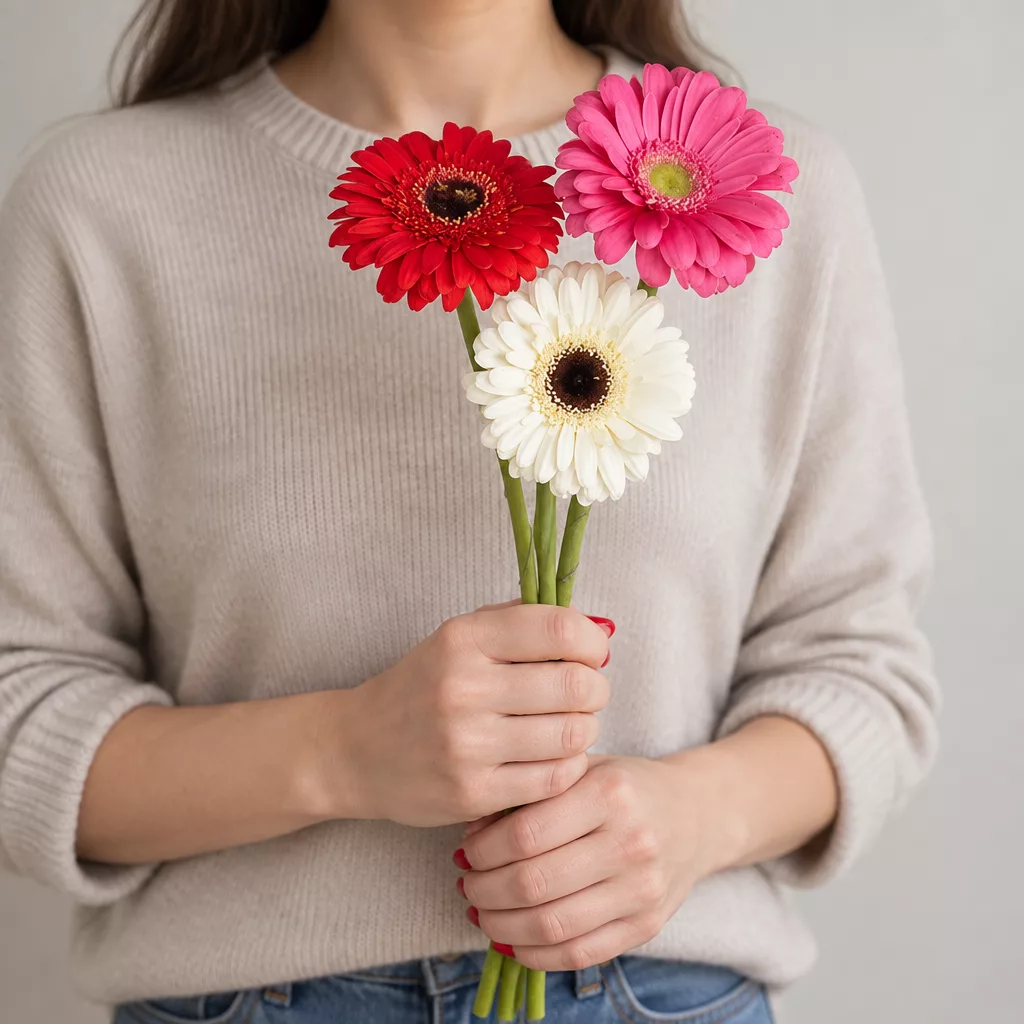
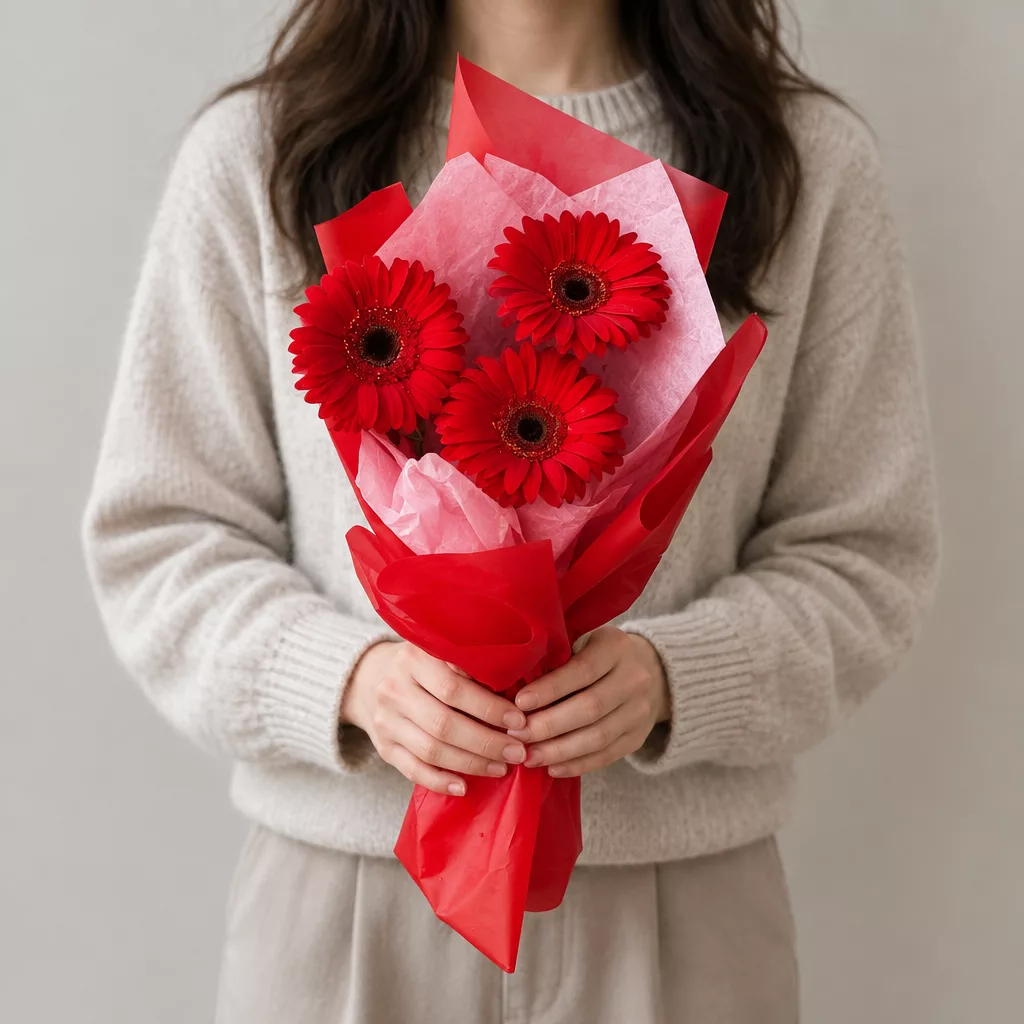
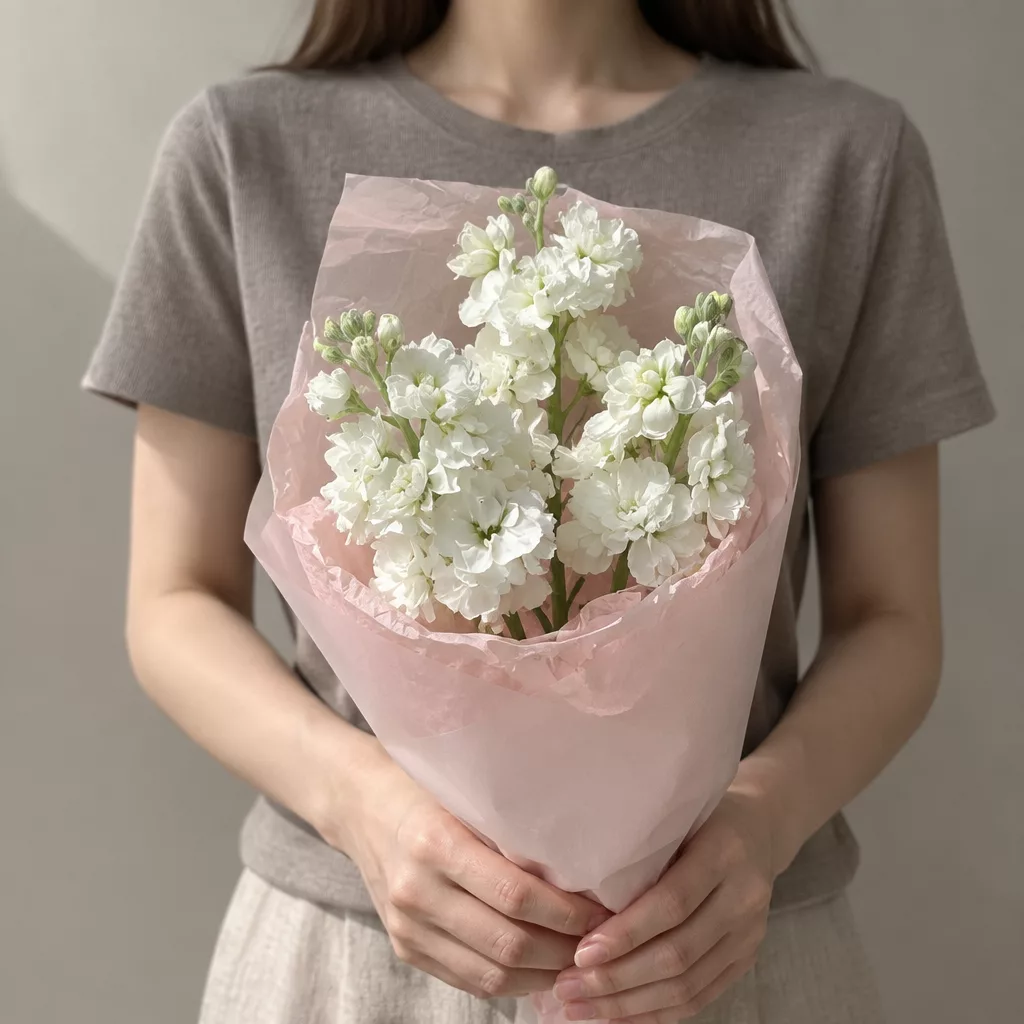
Reading the Occasion Before You Pick the Flowers
In Russia, flowers are given far more frequently than in many Western countries, and the occasion shapes both the variety and the number of stems in ways that feel meaningful to the recipient. Birthdays call for abundance — a full, generous bouquet signals celebration rather than afterthought. Anniversaries lean toward romance, with red or deep-pink roses, peonies in season, or lisianthus in soft purples and whites. If you are sending to mark a professional achievement or a promotion, chrysanthemums and alstroemerias in bold, confident colours read as congratulatory rather than romantic.
One custom worth knowing: in Russia, even numbers of flowers are traditionally associated with mourning, so bouquets are always made in odd numbers — five, seven, eleven, fifteen stems. This is not a superstition your recipient will necessarily voice, but it is deeply embedded in the culture, and a bouquet of six roses will feel subtly wrong to many Russian recipients even if they cannot immediately say why. When you place your order, this is handled automatically, but if you are specifying a stem count, keep it odd.
The wrapping matters as much as the flowers themselves. Russian gifting culture places real weight on presentation — a bouquet should look like it was composed with intention, not pulled from a bucket. Kraft paper with a ribbon, or a layered wrap that reveals the flowers gradually, communicates that someone took time. When you write your note to the florist, you can mention the occasion, and the arrangement will be dressed accordingly.
Choosing Flowers That Travel Well to Siberia
Not every flower is a good traveller, and in Siberia the stakes are higher because temperature extremes at either end of the year stress delicate petals quickly. The flowers that consistently perform well on longer delivery routes are roses, spray roses, alstroemerias, chrysanthemums, eustoma (lisianthus), statice, and waxflower. These varieties have firm petals, sturdy stems, and good water retention — they arrive looking composed even after several hours in transit.
Peonies are beloved in Russia and make a spectacular gift, but they are seasonal — roughly May through July — and outside that window they are either unavailable or flown in at significant cost. If you are sending in late spring or early summer, peonies combined with eucalyptus and white ranunculus make one of the most generous-looking arrangements possible. In autumn and winter, consider roses paired with hypericum berries and seasonal greenery — the berry clusters add texture and hold beautifully in cold air.
Tulips are popular in Russia, especially around March 8th (International Women's Day, the single biggest flower-giving occasion in the Russian calendar), but they are sensitive to heat and need to be ordered with the season in mind. In the height of summer, a tulip bouquet may not be the wisest choice for a town that can reach thirty degrees. In winter, they are actually more stable, since the cold chain keeps them firm. If you are uncertain about the season, roses and alstroemerias are the year-round safe choice — they look intentional, not default.
Timing Your Order Across Time Zones
Ilansky operates on Krasnoyarsk Time, which is UTC plus seven. If you are in London, that is a ten-hour gap. If you are in New York, it is twelve to thirteen hours depending on daylight saving. This means that when you sit down to order flowers at nine in the evening London time, it is already seven in the morning the next day in Ilansky. That gap can work beautifully in your favour if you plan around it.
The most reliable approach for international senders is to place the order the day before the occasion, using Ilansky time as your reference point. If the birthday is on a Friday, place the order by Thursday evening Moscow time at the latest — Moscow is four hours ahead of London and seven hours ahead of New York, so convert accordingly. Orders placed well in advance allow the delivery to be scheduled for the morning or midday window, which is when recipients are most likely to be home and when the flowers benefit from cooler temperatures.
Avoid placing orders in the middle of your local night and expecting same-day delivery to Siberia — the time zone arithmetic rarely works in your favour without prior planning. The Turboflora website processes orders and the team can confirm delivery windows, so if you are unsure, placing the order early and specifying a delivery time window for the recipient's local afternoon is the cleanest approach. A small note in the order comments explaining the occasion and any timing preference goes a long way toward making the delivery feel coordinated rather than rushed.
Writing a Message That Feels Right in Russian Culture
The card message is where many international senders underestimate their own power. In Russian culture, written words in a bouquet carry genuine weight — the recipient often keeps the card long after the flowers have faded. A message that is warm, specific, and personal will be remembered. A generic printed line feels thin by comparison, even if the flowers are beautiful.
You can write your message in English and request a Russian translation in the order notes, or write it in Russian if you are comfortable. Either way, the florist team can help ensure the wording is appropriate. Avoid overly formal language for close relationships — Russian endearment terms like dorogaya (dear, for a woman) or rodnoj (darling, literally meaning native or close) feel natural in personal messages and are not considered excessive.
For professional or semi-formal occasions — a colleague's birthday, a teacher's anniversary — keep the message warm but measured. Something like acknowledging the person's qualities or wishing them continued success lands well. For romantic occasions, sincerity matters far more than poetic complexity. A short, genuine sentence will outperform an elaborate verse every time.
If you are sending flowers for a significant birthday — fortieth, fiftieth, sixtieth — Russians treat these milestone ages as major celebrations, often larger than the years in between. A message that acknowledges the milestone directly, rather than just saying happy birthday, will feel appropriately weighted. Mention something specific about the person if you can. That specificity is what transforms a flower delivery into a memory.
Seasonal Considerations and What to Expect Each Month
Ilansky's climate divides the flower calendar more sharply than most European cities would. From November through March, temperatures regularly fall below minus twenty Celsius, and the delivery team works with insulated packaging to protect stems during the final transit leg. In these months, cold-hardy varieties like roses, chrysanthemums, and carnations are the most reliable choices. Carnations in particular are underrated — modern varieties in coral, burgundy, and deep pink look sophisticated and last exceptionally well in cold conditions.
April and May bring the transition to spring, and with it the arrival of tulips, daffodils, and the first ranunculus. This is a beautiful window to send flowers because the recipient feels the seasonal shift in the bouquet — there is something genuinely moving about receiving spring flowers when the snow is just beginning to melt. May 9th, Victory Day, is a major national holiday in Russia when flowers are given widely; if your occasion falls around this date, order early.
June through August is the warmest period, and this is when the widest variety of flowers is available and most affordable. Sunflowers, which are deeply associated with Russian summer and appear in art and folk tradition, make a joyful and culturally resonant gift in this window. September and October bring the rich colours of autumn — dahlias, if available through the supply chain, and arrangements with deep burgundy roses and dried elements feel right for the season. Throughout the year, eucalyptus and ruscus greenery add structure and longevity to any arrangement.
Helping the Recipient Care for the Bouquet
The flowers arrive, the recipient is delighted — and then the bouquet sits in whatever container is nearest without any preparation. This is the most common reason a beautiful arrangement fades faster than it should. As the sender, you can include a short care note with the order, and the florist team can attach it to the bouquet. A few simple instructions make a significant difference in how long the flowers last.
The basics: trim the stems at an angle under running water before placing them in a vase, use a clean vase filled with cool water, and keep the bouquet away from direct sunlight, radiators, and ripening fruit. Fruit emits ethylene gas, which accelerates petal drop — a bowl of apples on the kitchen table is a silent enemy of a rose bouquet. In Ilansky's winters, the apartment heating is often intense, so finding a cooler spot in the room genuinely extends vase life by several days.
For specific varieties: roses last longest when the lower leaves are removed so no foliage sits below the waterline. Alstroemerias continue to open from bud over five to seven days, so they are a wonderful choice for someone who enjoys watching a bouquet evolve. Chrysanthemums are among the most durable of all cut flowers and can last two weeks with basic care. Lisianthus, which looks like a more delicate rose, holds well in cool temperatures and benefits from a single drop of bleach in the vase water to keep bacteria down. Sharing these specifics with the recipient, even briefly, shows that the gift was chosen with knowledge and care.
Sending flowers to Ilansky from another country is less complicated than it sounds, and far more meaningful than it might seem from a distance. The town is small, the winters are real, and the person waiting there will feel the full weight of the gesture — the fact that someone thought carefully enough to send something beautiful across thousands of kilometres. Choose varieties that travel well for the season, time your order with the time zone in mind, keep the stem count odd, and write something personal on the card. Those four things, done well, are what turn a flower delivery into a moment the recipient talks about for months.
Frequently asked questions
Can I order flowers to Ilansky if I do not speak Russian?
Yes. The Turboflora website supports international orders, and you can write your card message in English with a note requesting a Russian translation. The team handles the wording and ensures it reads naturally for the recipient. You do not need to navigate Russian to make the order feel personal and correct.
How far in advance should I place the order from a different country?
Placing the order the day before the occasion, using Ilansky local time as your reference, is the most reliable approach. Ilansky is UTC plus seven, so calculate the gap from your location and submit the order when it is still the previous evening in Krasnoyarsk Krai. This gives the delivery team a full scheduling window.
What flowers work best for delivery to Ilansky in winter?
Roses, chrysanthemums, alstroemerias, lisianthus, and carnations all handle cold transit well and arrive in good condition even in deep Siberian winter. The delivery uses insulated packaging for the final leg. Avoid delicate tropical blooms like anthuriums in the coldest months, as they are sensitive to temperature drops below ten degrees Celsius.
Is March 8th really the biggest flower occasion in Russia?
Yes. International Women's Day on March 8th is the single largest flower-gifting event in the Russian calendar — larger than Valentine's Day or most birthdays. Practically every woman receives flowers from family, colleagues, or friends. If you are sending around this date, order at least two to three days ahead, as demand is exceptionally high nationwide.
Does the number of flowers in the bouquet really matter in Russia?
It does, genuinely. Odd numbers — five, seven, eleven, fifteen — are for celebrations and gifts. Even numbers are traditionally associated with mourning and are brought to cemeteries. Most recipients will notice immediately if a bouquet has an even count. Turboflora composes all bouquets in odd numbers by default, so this is handled automatically.
Ready to send flowers?
Pick the city, choose the bouquet, and a local florist takes it from there.
Choose a city →