How to Send Flowers to Izhevsk from Abroad and Get It Right
You are somewhere far from Russia — a different time zone, a different season entirely — and someone in Izhevsk is about to have a birthday, an anniversary, or a moment that deserves more than a message. Sending flowers across that distance feels complicated, but it does not have to be. What it does require is a little knowledge about the city, the timing, and what actually arrives looking beautiful rather than exhausted. This guide covers everything an international sender needs to think through, from choosing the right bouquet for the Ural climate to making sure the delivery lands at exactly the right moment.
Understanding Izhevsk: Climate, Distance, and What It Means for Flowers
Izhevsk sits in the Udmurt Republic in the western Urals, roughly 1,300 kilometres east of Moscow. It is a proper continental city with genuine winters: temperatures regularly drop to minus 20 Celsius between December and February, and the warm season is relatively short. This matters enormously for flowers. A bouquet that travels or waits in an unheated hallway during a January frost will show it. Equally, the brief but intense Izhevsk summer — July temperatures can reach 30 Celsius — means delicate blooms like garden roses or sweet peas need same-day delivery and a cool indoor space immediately on arrival.
For a sender abroad, the practical takeaway is this: think about what the recipient's home or office is like. Most Izhevsk apartments are centrally heated and kept warm through winter, which is actually good news for flowers once they are inside. The danger zone is the journey from the door of the building to the recipient's hands. In deep winter, ask for the bouquet to be wrapped in insulating kraft paper rather than an open design, and choose cold-hardy varieties. In summer, request delivery during morning hours before midday heat peaks. Knowing the season in Izhevsk — not the season where you are sitting — is the first real skill of sending flowers from abroad.
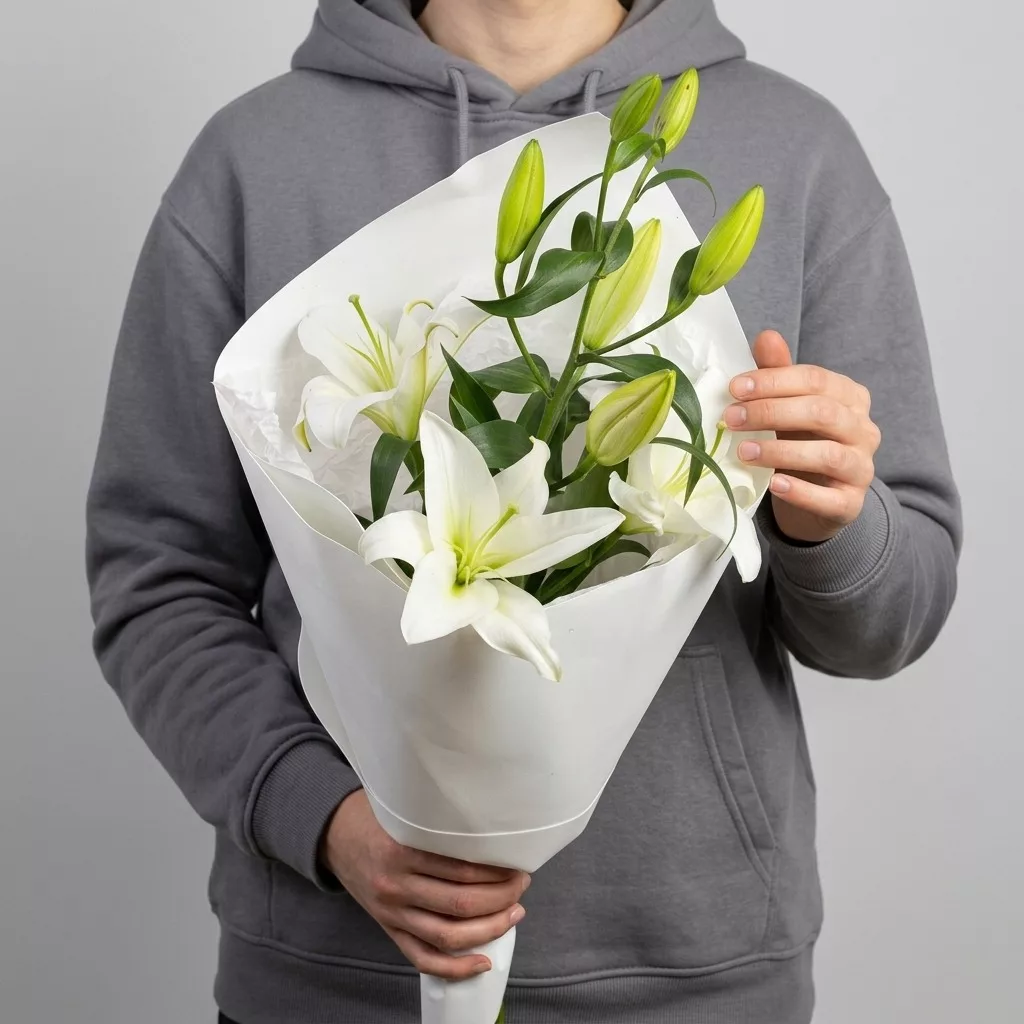
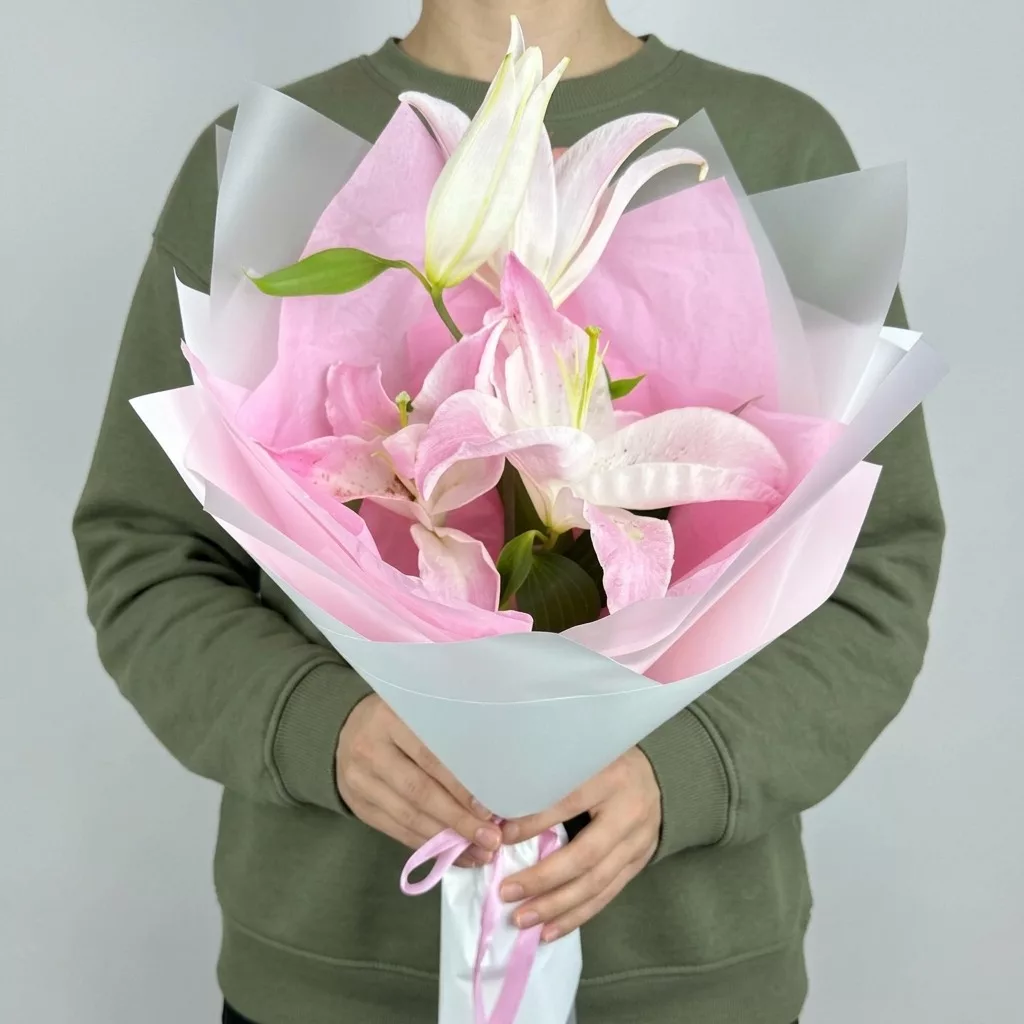
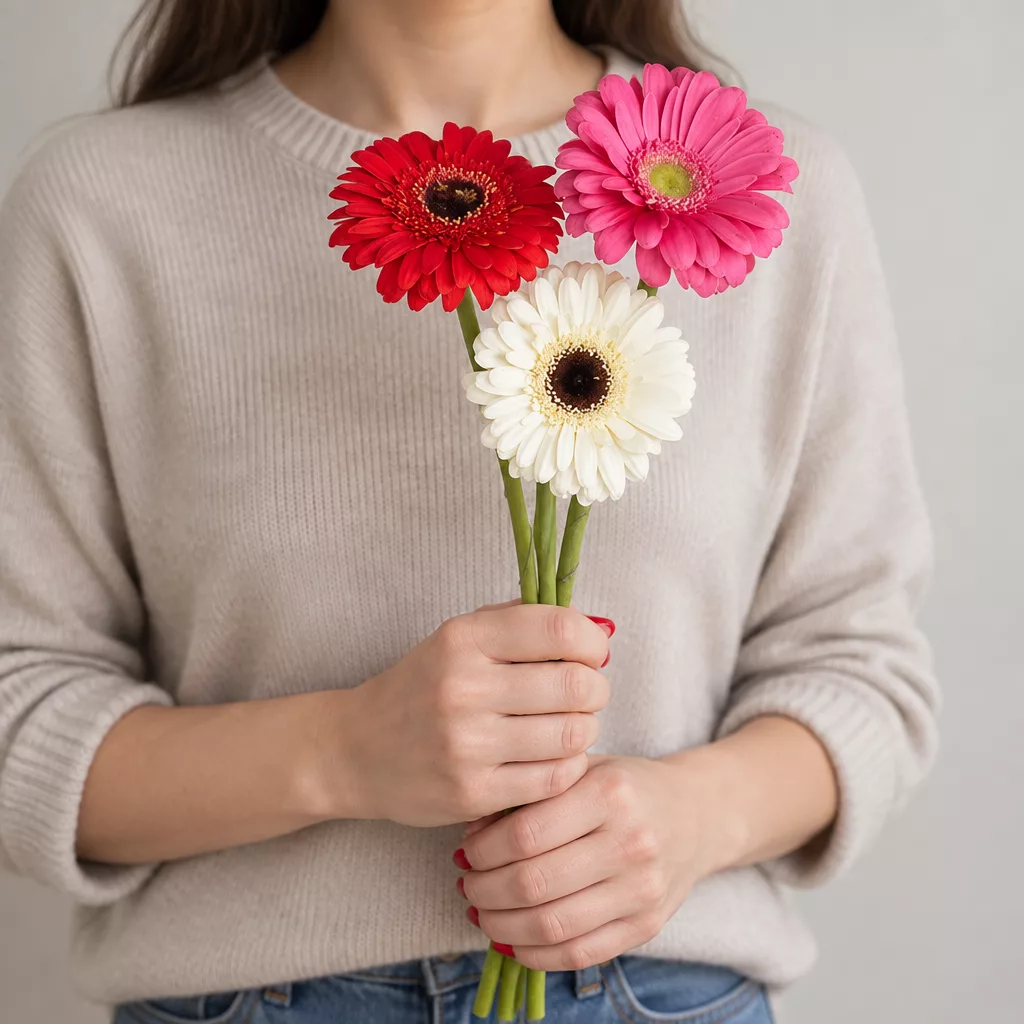
Bouquets we can deliver

Timing the Order Across Time Zones
Izhevsk operates on UTC+4, which means it is ahead of Western Europe by two to three hours, ahead of London by four hours in winter, and ahead of New York by seven or eight hours. For someone ordering from Berlin, Paris, or Dubai, this is manageable. For someone in Los Angeles or Vancouver, the recipient's special day may already be half over by the time the sender wakes up and thinks about placing an order.
The single most effective habit for international senders is to order the evening before — your evening, not theirs. If the birthday is on a Thursday in Izhevsk, place the order on Wednesday night wherever you are. This gives the florist full working hours on the delivery day and removes the anxiety of cutting it close. Turboflora delivers across Russia within one to two hours of order confirmation, so the flowers can arrive mid-morning, which is a genuinely lovely time to receive them — the day has started but the best part is still ahead.
Also consider the specific moment. A workplace delivery during business hours lands differently to an evening surprise at home. If the recipient works in one of Izhevsk's many industrial or administrative offices, a morning delivery to the office is often more dramatic — colleagues see it, the occasion is shared. An evening home delivery is more intimate. Neither is wrong; they are just different gifts, and knowing which one fits the person matters as much as the flowers themselves.
Choosing Flowers That Suit the Occasion and the Person
Russian flower culture has its own warm logic, and it is worth knowing a few things before you choose. Odd numbers of stems are the tradition for celebratory occasions — one, three, five, seven, eleven, fifteen, twenty-five. Even numbers carry a different association in Russian custom, so a bouquet of twelve roses, while common in many Western countries, would feel slightly off to a Russian recipient who notices. A florist will naturally compose bouquets in odd numbers, but if you are specifying stem counts, keep this in mind.
For birthdays, peonies are beloved when in season — late May through June — and carry a feeling of abundance and celebration that Russians associate deeply with them. Roses are always appropriate and always appreciated; spray roses mixed with eucalyptus and white lisianthus make a sophisticated combination that reads as thoughtful rather than generic. For anniversaries, garden roses in blush, cream, or deep burgundy feel romantic without being predictable. Tulips in spring — March through April — are a classic Russian celebration flower, especially around International Women's Day on March 8th, which is the single biggest flower day in Russia.
For a colleague or a more formal relationship, a structured bouquet of chrysanthemums, alstroemeria, and seasonal greenery is generous without being overly personal. These varieties also hold exceptionally well in Izhevsk's heated indoor spaces, lasting seven to ten days with proper care. If you know the recipient loves a particular colour, lead with that — colour preference is always more personal than variety.
Budgeting Wisely and What Different Amounts Actually Buy
Sending flowers internationally means thinking in Russian rubles even if you are paying in euros or dollars, and understanding that the Russian flower market has its own pricing logic. Seasonal flowers — tulips in March, peonies in May and June, chrysanthemums in autumn — are significantly more affordable and fresher than imported out-of-season varieties. A sender who chooses a seasonal combination will often get a more beautiful, longer-lasting bouquet than one who insists on roses in January at the same spend.
At a modest budget, a compact but well-composed bouquet of five to seven stems with complementary greenery is entirely achievable and looks intentional rather than small. Think three spray rose stems, two stems of white lisianthus, and a handful of eucalyptus — it is a florist's combination, not a petrol station bunch. At a mid-range budget, you move into mono-bouquets of fifteen to twenty-five roses or a generous mixed arrangement with focal flowers, supporting blooms, and textural greenery. At a generous budget, large sculptural arrangements with peonies, ranunculus, garden roses, and lush foliage become possible — the kind that fills a room and stops people mid-conversation.
What matters most is not the number of stems but the coherence of the composition. A well-chosen seven-stem bouquet with a beautiful ribbon and proper wrapping will feel more considered than twenty stems of mismatched flowers thrown together. Tell the florist the occasion, the personality of the recipient, and any colour preferences — then trust the composition.
Practical Details: Address, Contact, and What to Write
Getting the delivery address right is the most important logistical step for an international sender. Russian addresses follow a specific format: city, street, building number, apartment number. Izhevsk addresses often include a korpus — a secondary building identifier — written as a letter or number after the main building number. If the recipient lives in a large residential complex, this detail is essential. Ask the recipient for their full address in advance, ideally in Russian Cyrillic, or confirm the transliterated version carefully.
For office deliveries, include the company name, floor, and any reception or security desk instructions. Many larger Izhevsk offices have ground-floor reception that accepts deliveries, which is straightforward. Smaller offices in residential buildings — a common arrangement in Russian cities — may require a door code or a call to the recipient to let the courier in. Provide a Russian mobile number for the recipient if you have one; this makes coordination seamless.
The card message is worth taking seriously. Russian recipients appreciate warmth and directness — a genuine sentence or two means more than a formal phrase. You can write in English if the recipient reads it, or ask the florist to help translate a short message into Russian. Avoid overly elaborate or formal language; something honest and specific to the person and occasion will land better than something that sounds like a greeting card template. Mention the occasion, say something true about the person, and keep it to two or three sentences. That is enough.
Keeping Flowers Fresh: What to Tell the Recipient
Even the most beautiful bouquet needs a little attention once it arrives, and recipients who know what to do will enjoy their flowers for much longer. If you are sending flowers as a surprise, you can include care instructions on the card or send a quick message after delivery. It takes thirty seconds to explain and adds days to the vase life.
The basics are consistent regardless of variety: cut the stems at a diagonal — about two centimetres — immediately before placing them in water, and repeat this every two days. Use a clean vase with fresh, cool water. Keep flowers away from direct sunlight, radiators, and fruit bowls — ethylene gas from ripening fruit shortens flower life noticeably, and Izhevsk's warm, dry winter apartments already stress cut flowers. In winter, the dry indoor air means the water level drops faster than expected, so topping up daily is genuinely important.
Different varieties have different natural lifespans. Chrysanthemums and alstroemeria are among the longest-lasting cut flowers, often going ten to fourteen days in good conditions. Roses typically give seven to ten days. Tulips are shorter — five to seven days — but they continue to grow and move in the vase in a way that is beautiful to watch. Peonies, if they arrive as tight buds, will open slowly over three to five days and reach their full, extravagant bloom before fading. Knowing this helps the recipient appreciate what they have rather than worrying that the flowers are fading too soon. A flower at the end of its life is not a failed gift — it is a gift that was fully lived.
Sending flowers to Izhevsk from abroad is genuinely possible and genuinely meaningful — the distance does not diminish the gesture, it amplifies it. The person receiving those flowers knows that someone, far away in a different time zone and a different season, took the time to think about them specifically: what they love, what the moment calls for, what would make them stop and feel seen. That is what flowers do when they are chosen well. Order early, get the address right, pick varieties that suit the season and the person, and trust that a well-made bouquet will carry everything you want to say.
Frequently asked questions
Can I order flowers for Izhevsk delivery if I am paying from a foreign bank card?
Yes. Turboflora accepts international payment methods through its online order form. The process is the same as ordering domestically — choose your bouquet, enter the Izhevsk delivery address, and complete payment. If you encounter any difficulty, the support team can assist via chat or email in English.
What is the best time of year to send flowers to Izhevsk from abroad?
Spring is exceptional — tulips and the first peonies arrive in May, and the city feels celebratory after a long winter. March is also significant because of International Women's Day on the 8th, which is the most important flower occasion in Russia. Summer and autumn offer generous variety. Winter deliveries work well with the right cold-hardy varieties and insulated wrapping.
How do I write the delivery address for an Izhevsk apartment correctly?
Use the format: street name, building number, then apartment number. If there is a korpus — a secondary building letter or number — include it between the building and apartment. For example: Ulitsa Pushkinskaya, dom 100, korpus 2, kvartira 45. Ask the recipient to send you their address in full, ideally in Russian, to avoid errors.
Is it possible to send flowers to Izhevsk as a surprise without the recipient knowing in advance?
Absolutely. Provide the recipient's address and a Russian mobile number for coordination. The courier will call ahead to confirm delivery, which is standard practice. If you want to preserve the surprise, let the recipient know a delivery is coming without revealing what it is — this avoids missed deliveries while keeping the flowers themselves a genuine surprise.
What flowers should I avoid sending to Izhevsk in deep winter?
Very delicate open blooms — fully open garden roses, sweet peas, or anemones — are vulnerable to cold during transit between the vehicle and the recipient's door. In January and February, favour tight buds that open indoors, and request insulating kraft paper wrapping. Chrysanthemums, roses in bud, and alstroemeria handle Izhevsk winters reliably well.
Ready to send flowers?
Pick the city, choose the bouquet, and a local florist takes it from there.
Choose a city →