Sending Flowers to Kasli from Abroad? Here Is Everything That Matters
You are somewhere far from Russia — another country, another time zone — and someone you care about is in Kasli, a quiet town in the Chelyabinsk region of the Urals. You want to send flowers, but you are not sure how ordering works across borders, what arrives fresh in that climate, or whether Russian customs around flowers are something you need to worry about. This article answers all of that plainly, from a florist's point of view, so your bouquet reaches the right person looking exactly as it should.
Why Kasli Is Different from Ordering to a Big City
Kasli sits in the southern Urals, roughly 100 kilometres north of Chelyabinsk. It is a small town with a distinct industrial and artistic heritage — famous historically for its cast-iron sculpture — and it has a close-knit feel where a flower delivery genuinely stands out. That context matters when you choose what to send, because a large, theatrical arrangement can feel out of place, while a well-composed bouquet of roses, lisianthus or spray chrysanthemums reads as thoughtful and warm.
The Ural climate is continental and unforgiving. Winters are long and cold, with temperatures regularly dropping below minus 20 Celsius between November and March. Summers are short but genuinely warm. This means the season of the year affects not just what flowers are available but how they survive transport. Delicate tropical stems like anthurium or bird of paradise are risky in deep winter because even brief exposure to frost on the doorstep can blacken the petals within minutes.
Ordering from abroad also means you are working across time zones. Kasli follows Yekaterinburg Time, which is UTC plus 5. If you are placing an order from Western Europe, that is a four-hour difference; from the US East Coast, it is eight or nine hours ahead. Placing your order in the morning your time often means same-day delivery is still possible, but it is worth confirming the cut-off when you order. Turboflora delivers to Kasli and coordinates timing so the bouquet arrives when the recipient is actually home.
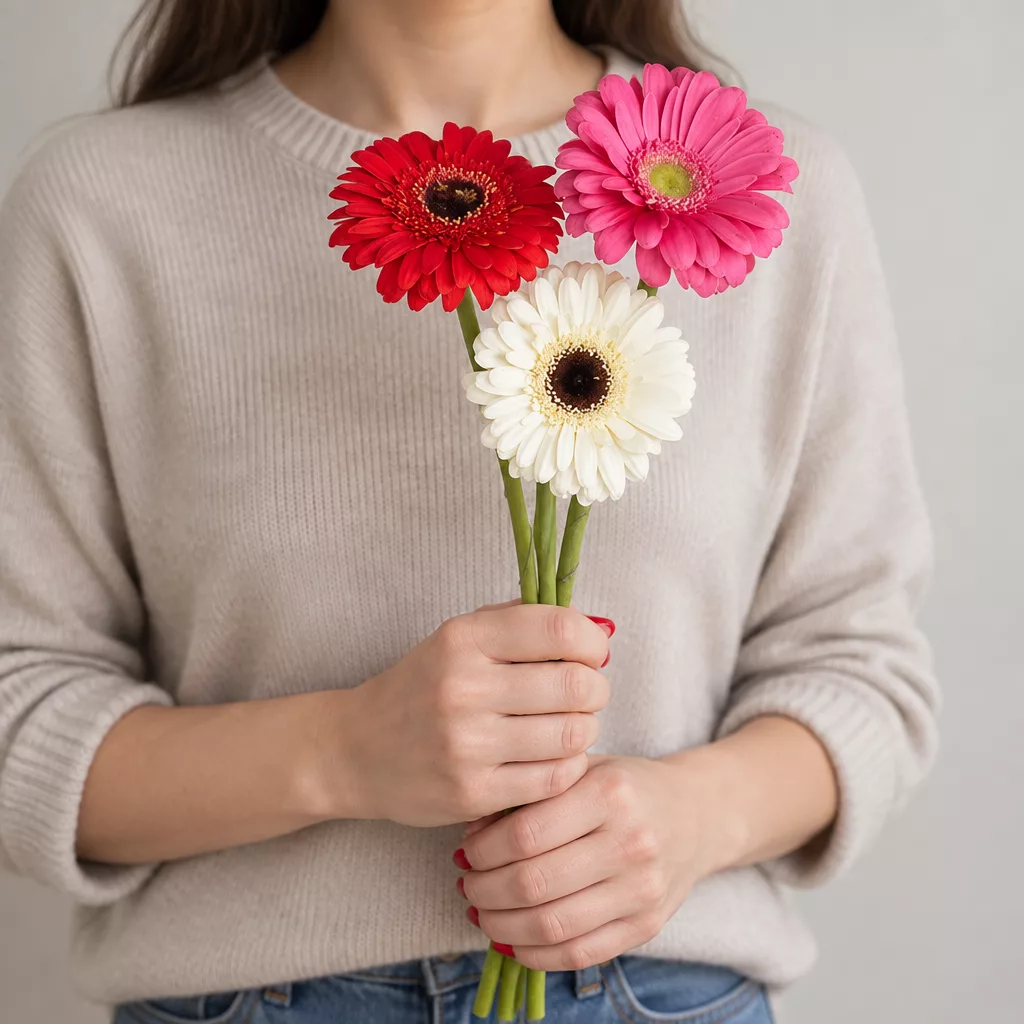
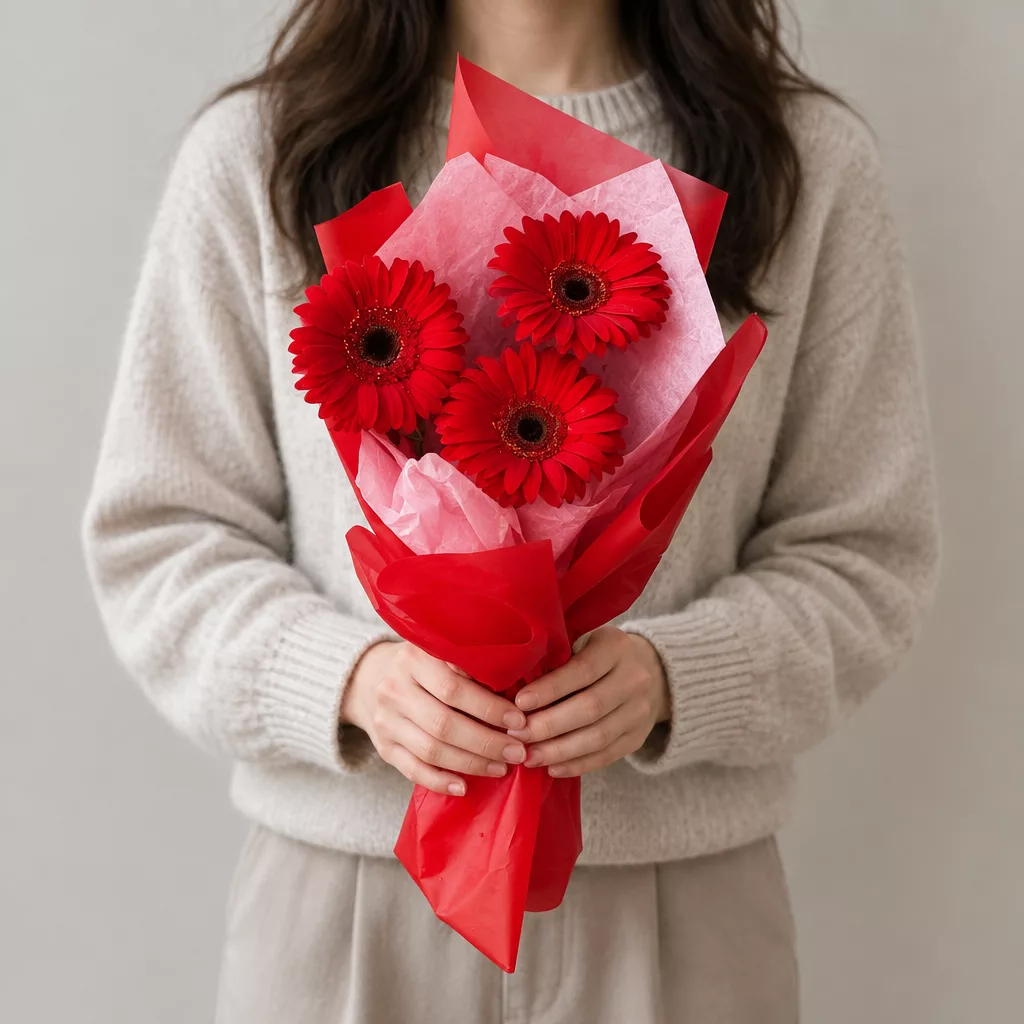
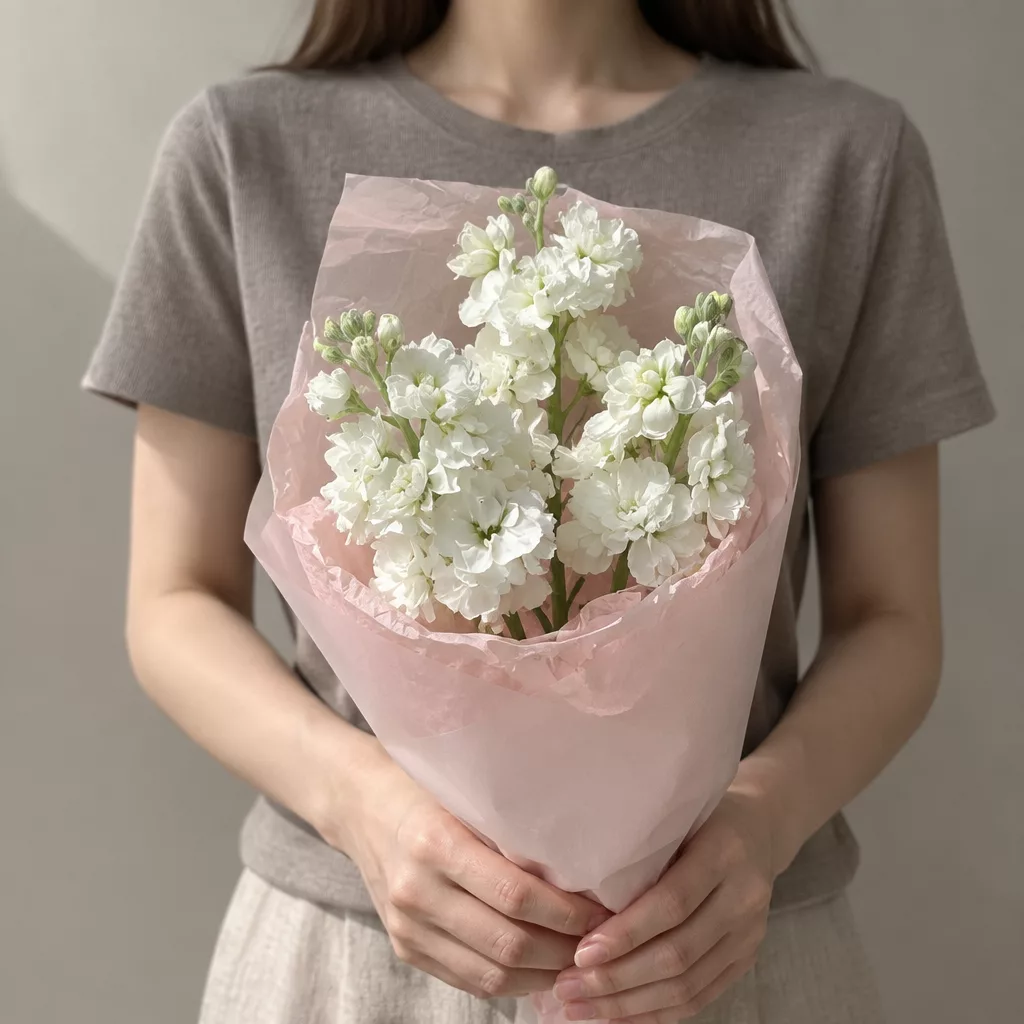
Bouquets we can deliver

Russian Flower Customs an International Sender Should Know
The most important rule to understand before you order is the odd-number tradition. In Russia, even numbers of flowers are associated with mourning and are brought to funerals or placed on graves. When you send a gift bouquet, it must contain an odd number of stems: 3, 5, 7, 11, 15, 25 and so on. A dozen roses, so natural in Western flower-giving culture, would be immediately noticed and feel wrong to a Russian recipient. Any reputable florist will build your bouquet to an odd count automatically, but it is worth knowing this so you can check.
Colour symbolism is also worth a moment's thought. Red roses signal romantic love very clearly — perhaps more directly than in some other cultures — so if you are sending to a colleague, a grandmother or a close friend rather than a romantic partner, a mix of white, peach, coral or pink roses reads as warm and celebratory without the romantic charge. Yellow flowers, sometimes associated with farewell or jealousy in older Russian folk belief, are now widely accepted, especially yellow tulips in spring and yellow roses year-round. Younger recipients rarely think twice about yellow.
Presentation wrapping is taken seriously. A bare bouquet handed over without packaging feels unfinished in Russia. Expect your order to arrive in kraft paper, fabric wrap or a decorative sleeve with ribbon. This is standard practice and part of what makes the gift feel complete. If you are sending for a birthday, name day or anniversary, you can add a handwritten card message when you order — in English if you prefer, or ask for help with a Russian phrase.
Choosing Flowers for the Person, Not Just the Occasion
Before you pick a bouquet by price or size, think about who is receiving it. A woman in her sixties who has lived in the Urals her whole life will likely love classic garden roses, peonies in season, or a generous bunch of spray chrysanthemums — flowers that feel substantial and familiar. A younger woman in her twenties or thirties might appreciate something more textured: ranunculus mixed with eucalyptus, or a loose arrangement of garden roses with dried pampas grass accents. A man receiving flowers — yes, this happens in Russia, particularly for significant birthdays or professional achievements — tends to receive bold, structured compositions: sunflowers, large-headed roses, tropical foliage.
Children and teenagers are often delighted by colour over formality. Bright gerberas, mixed tulips in spring, or a cheerful bundle of alstroemeria in orange and yellow work well. These stems are also hardy enough to travel well to Kasli in most seasons.
The occasion shapes the mood more than any single flower. A birthday calls for something abundant and joyful — volume matters. A new home or housewarming calls for something that will last: roses or chrysanthemums that the recipient can enjoy for ten days to two weeks with proper care. A thank-you or thinking-of-you gesture is often best expressed with something soft and understated: white or blush lisianthus, pale roses, or a small mixed bouquet that does not demand attention but gives it quietly. When you order, describe the person and the reason — a good florist will translate that into the right combination.
Seasonal Flowers That Travel Well to Kasli
Knowing what is genuinely in season helps you get better flowers for the same spend. Russian florists source from Dutch auction markets and domestic growers, so the seasonal rhythm partly follows European horticulture. In late winter and early spring — February through April — tulips are the standout choice. They arrive fresh, last well, and carry a strong cultural meaning around International Women's Day on March 8th, which is the single biggest flower-giving occasion in Russia. If your recipient has a birthday or celebration near that date, ordering tulips feels both timely and genuinely local.
From May through July, peonies are at their peak. They are beloved across Russia and a peony bouquet in early summer is one of the most appreciated gifts you can send. They are also surprisingly robust in moderate temperatures. Roses are available year-round in good quality, but they are at their most economical and their most fragrant in the warmer months.
In autumn, dahlias, sunflowers and large spray chrysanthemums are excellent choices. Chrysanthemums in particular are underrated: they last two weeks or more in a vase with basic care, they withstand cooler temperatures during delivery, and they look generous and full. In deep winter, roses, carnations, lisianthus and orchid stems are the safest bets — all tolerate refrigerated transport well and will not collapse if the handoff at the door takes a few minutes in cold air. Avoid anemones and sweet peas in January and February; they are too fragile for Ural winter conditions.
Ordering from Outside Russia: Practical Steps
The process of ordering internationally is simpler than most people expect. You do not need a Russian phone number, a Russian bank card or a Russian address. Turboflora's website accepts international payment methods and the order form is available in English. What you do need is the recipient's full address in Kasli — street, building number, apartment number if applicable — and a working phone number for the recipient, because the courier will call ahead to confirm delivery time.
If you do not want the recipient to know in advance, you can note that in the order comments and the courier will manage the approach discreetly, though a call is usually necessary to ensure someone is home. Flowers left outside a door in a Ural winter will not survive long.
Time zone planning is the most common practical mistake international senders make. If you want flowers delivered in the afternoon Kasli time — say between 2 and 6 pm — work backwards from UTC plus 5 to figure out when to place the order in your local time. For same-day delivery, orders generally need to be placed several hours in advance. For a guaranteed specific time slot, next-day ordering with a morning placement is more reliable and removes the time-zone anxiety entirely. Paying attention to Russian public holidays is also useful: around New Year (January 1–8) and March 8th, demand is extremely high and early ordering is strongly recommended. These are not days to leave to the last minute.
Budgeting and What Different Spends Actually Look Like
You do not need to spend a large amount to send something genuinely beautiful to Kasli. At a modest budget, a well-chosen mono-bouquet — fifteen tulips in a single colour in spring, or a neat cluster of spray roses — arrives looking intentional and polished rather than sparse, provided the florist composes it properly. The key at any price point is coherence: one colour family, one or two varieties, clean wrapping.
A mid-range spend opens up mixed compositions. This is where combinations become interesting: garden roses paired with lisianthus and a few stems of eucalyptus, or a generous sunflower arrangement with greenery and accent flowers. These bouquets photograph well, fill a room with presence, and give the recipient something to arrange in a vase rather than simply place as-is. They also last longer because mixed bouquets allow different stems to take over as others fade.
At a higher budget, you move into large statement pieces: grand rose bouquets of 25 or 51 stems, premium Dutch peonies in peak season, or curated arrangements with premium fillers like wax flower, veronica or scabiosa. For a significant birthday, anniversary or major celebration, this scale of gift makes an impression that a smaller bouquet simply cannot. If you are unsure where your spend sits, describe the occasion and the relationship to the florist — the goal is always to match the emotional weight of the moment, not to spend the maximum available.
Keeping the Bouquet Fresh: What to Tell the Recipient
A beautiful bouquet deserves good aftercare, and many recipients in Russia — especially older generations — already know the basics. But if your recipient is younger or simply not in the habit of caring for cut flowers, it helps to pass along a few simple instructions when you send the gift, either in your card message or in a follow-up message.
The single most important step is a fresh diagonal cut on every stem, made with a sharp knife rather than scissors, immediately before placing the flowers in water. Scissors crush the stem tissue and reduce water uptake. A diagonal cut increases the surface area and helps the flower drink efficiently. This should be done every two to three days as the water is changed.
Water temperature matters more than most people realise. Lukewarm water is absorbed faster than cold water for most varieties. The exception is tulips, which prefer cool water and a cool room — they will open and flop quickly in a warm apartment, so placing them near a cool window or even in an unheated hallway overnight helps them last longer. Roses and chrysanthemums are happy in a warmer room as long as the water is changed regularly and the vase is kept away from direct sunlight and fruit bowls, since ripening fruit releases ethylene gas that accelerates petal drop.
With basic care, roses last seven to ten days, lisianthus up to two weeks, chrysanthemums ten to fourteen days, and tulips five to seven days. Peonies in bud will open over two to three days and then last another four to five at their peak — one of the most rewarding flowers to watch develop in a vase.
Sending flowers to Kasli from abroad is not complicated once you understand the small details that matter: the odd-number rule, the seasonal realities of the Ural climate, the time zone arithmetic, and the importance of choosing a composition that fits the person as much as the occasion. A thoughtful bouquet arriving in a small Ural town from someone overseas carries a weight that the flowers themselves amplify — the distance makes the gesture more meaningful, not less. Get the basics right and the rest takes care of itself.
Frequently asked questions
Can I order flowers to Kasli if I do not speak Russian?
Yes, entirely. Turboflora's order process works in English and the payment system accepts international cards. You do not need to communicate in Russian at any point. The only Russian-language interaction is between the courier and your recipient, which is handled by the delivery team. Just provide the recipient's address and phone number accurately and the rest is managed for you.
What is the safest flower choice for a winter delivery to Kasli?
Roses, carnations, lisianthus and chrysanthemums all tolerate cold temperatures during delivery far better than tropical or delicate spring flowers. In January and February, avoid anemones, sweet peas and open peonies. A well-wrapped bouquet of roses or spray chrysanthemums will arrive in excellent condition even when outdoor temperatures are well below freezing, provided the handoff at the door is prompt.
How far in advance should I order for a specific date?
For standard dates, ordering the day before with a preferred delivery window is usually enough. For high-demand dates — March 8th, New Year, and major personal anniversaries — order two to three days ahead. Around International Women's Day in particular, flower demand across Russia is exceptionally high and last-minute orders may have limited variety available or longer delivery windows.
Is it true that even numbers of flowers are inappropriate in Russia?
Yes, this custom is taken seriously across Russia, including in smaller towns like Kasli. Even numbers of stems are associated with mourning and funerals. All gift bouquets should contain an odd number: 3, 5, 7, 11, 15, 25, 51 and so on. Turboflora builds every gift bouquet to an odd stem count automatically, so you do not need to calculate this yourself.
Can I include a card message in English, or does it need to be in Russian?
You can write your card message in English and it will be printed or handwritten exactly as you submit it. Many recipients in Russia, particularly younger people, read English comfortably. If you would like help translating a short phrase or sentiment into Russian, mention it when placing your order and the team can assist with a simple, natural-sounding message that fits the occasion.
Ready to send flowers?
Pick the city, choose the bouquet, and a local florist takes it from there.
Choose a city →