Sending Flowers to Kirov from Abroad: Timing, Varieties and Delivery Tips
You are somewhere far from Russia — another country, another time zone — and someone you love is in Kirov waiting, perhaps without knowing it yet. You want them to open the door and feel seen. That is exactly what a well-chosen bouquet does, and doing it from abroad is far simpler than most people expect, as long as you understand a few things about the city, the season, and the moment you are trying to create.
Understanding Kirov Before You Order
Kirov sits in the Volga-Vyatka region of European Russia, roughly 900 kilometres northeast of Moscow. It is a proper regional city with its own rhythms, its own sense of occasion, and winters that are genuinely cold — temperatures regularly fall below minus twenty Celsius from December through February. That matters for flowers, because a bouquet travelling through those conditions needs to be packaged with insulating wrap and timed carefully so it is not left on a cold doorstep for long.
The city has a strong culture of giving flowers for almost every meaningful moment: birthdays, anniversaries, professional milestones, the first and last days of the school year, and visits to someone's home. Russians tend to give flowers in odd numbers for celebratory occasions — even numbers are traditionally reserved for mourning — so a bunch of ten roses would feel wrong to a local recipient even if they could not immediately explain why. Knowing this small detail protects the feeling you are trying to create.
From abroad, the practical advantage is that you do not need to navigate any of this alone. You place the order in advance, specify the delivery window, and the bouquet is assembled fresh on the day. Kirov is well within our delivery geography, and the 1–2 hour delivery window applies there just as it does in Saint Petersburg. What you need to bring to the process is a clear sense of the person and the moment — we handle the rest.
Bouquets we can deliver

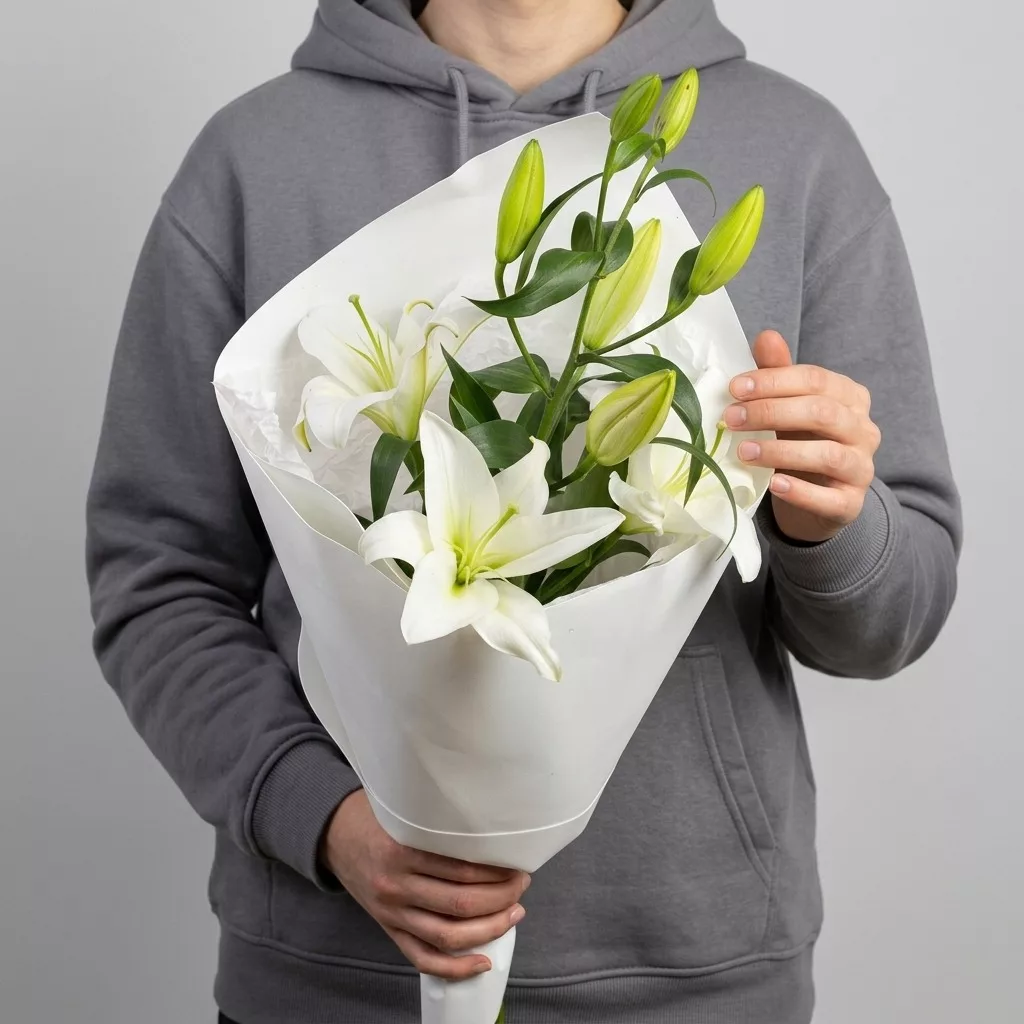
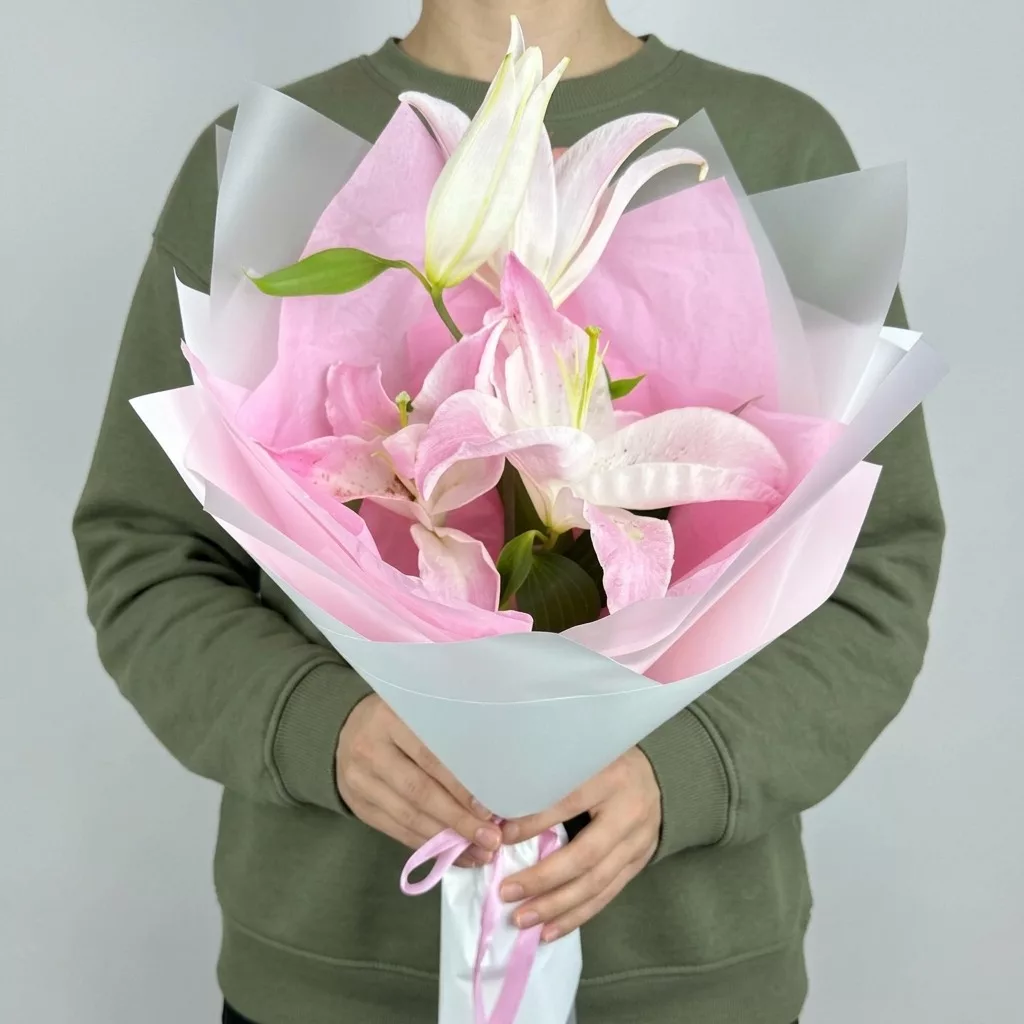
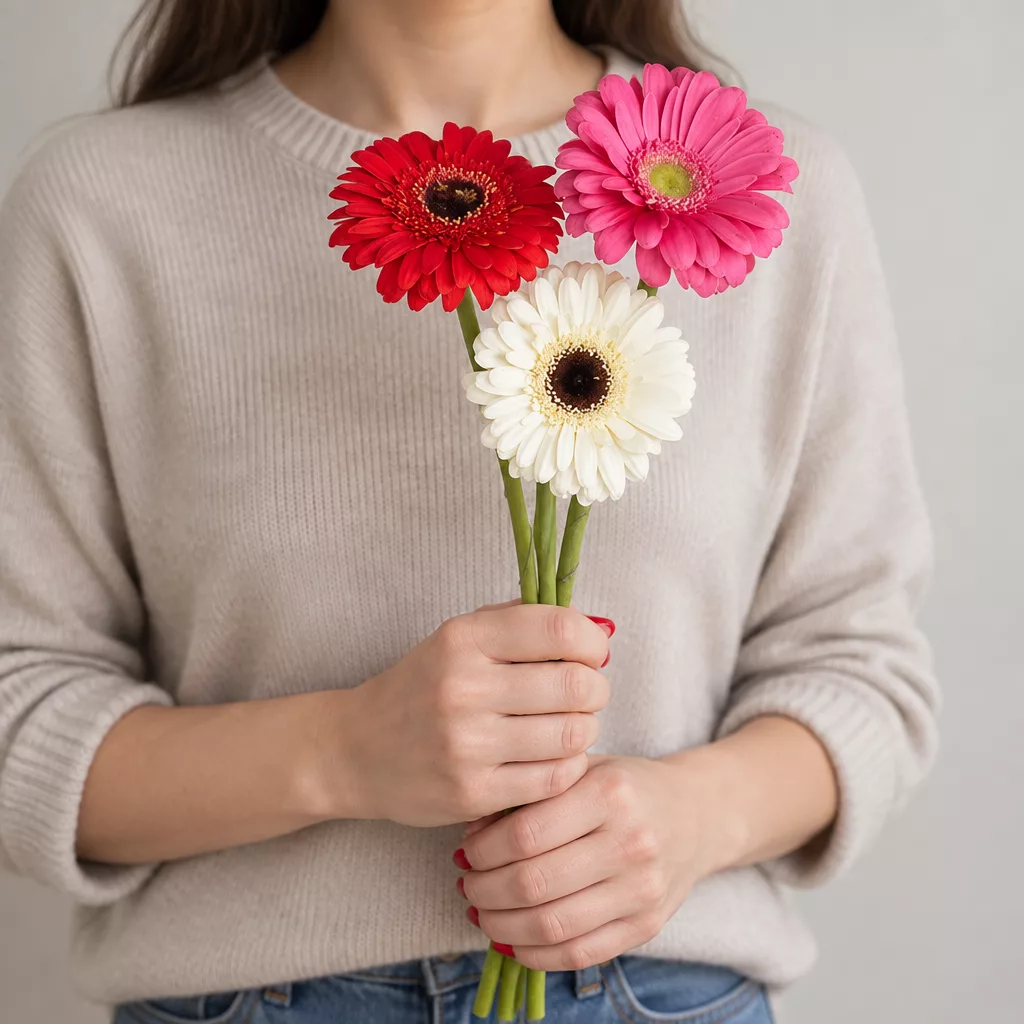
Choosing the Right Occasion and Tone
Before you think about which flowers, think about what you want the recipient to feel the moment they hold them. A birthday for a woman in her thirties who loves bold colour calls for something completely different from a congratulations bouquet for a colleague's promotion, even if both arrive on the same day. The occasion shapes everything — the palette, the structure of the arrangement, even the greenery.
For birthdays, warmth and abundance read well: garden-style arrangements with lisianthus, spray roses, and seasonal foliage feel generous without being formal. For a romantic anniversary, long-stemmed roses — red or deep burgundy — remain the clearest signal in Russian culture, and no amount of trend-chasing has changed that. For a new baby, soft whites and pale pinks with eucalyptus or ruscus give a gentle, airy feeling that suits the moment without overwhelming a tired new parent.
If you are sending to mark a professional achievement — a defence, a promotion, a business opening — orchids or anthuriums in a structured arrangement carry the right weight. They say considered and lasting rather than spontaneous, which is appropriate when the gesture is about respect as much as affection.
One thing to avoid is choosing flowers purely by what you would want to receive in your own country. Sunflowers are beloved in Russia and carry a genuinely cheerful, optimistic feeling. Peonies, when in season from late spring into early summer, are almost universally adored. Lean into what the recipient knows and loves, and you will land the moment every time.
Seasonal Flowers and What to Expect by Month
Kirov's climate means that seasonal availability shifts noticeably across the year, and understanding this helps you set expectations and make better choices. From November through March, the city is cold and dark, and flowers that travel well in low temperatures — roses, chrysanthemums, carnations, alstroemeria — are reliable workhorses. They hold their structure, they tolerate the cold packaging journey, and they last well in a heated apartment.
Spring arrives later in Kirov than in southern Russia, but when it comes, it brings tulips in abundance. March 8th — International Women's Day — is the single largest flower-giving date in the Russian calendar, and tulips are the flower of that day. If you are sending for that occasion from abroad, order at least three to four days ahead. Demand is extraordinary and delivery windows fill quickly.
Summer opens up the full palette: lisianthus, eustoma, garden roses, freesia, and peonies when the season peaks. These are the months to be adventurous with colour and texture. Autumn brings dahlias, solidago, and hypericum berries, which combine beautifully with warm-toned roses for rich, layered arrangements.
Winter bouquets benefit from the contrast of deep greens — eucalyptus, pittosporum, Italian ruscus — against white or red flowers. The greenery not only looks striking but adds structural support during cold-weather transport. Whatever the month, always specify a delivery time when the recipient is likely to be home, because a bouquet left in a Kirov hallway in January will not survive long.
Practical Steps for Ordering from Outside Russia
The mechanics of ordering internationally are straightforward, but a few details make the difference between a smooth delivery and a stressful one. The most important is the recipient's address. Russian addresses follow a specific format: city, street, building number, apartment number. If you have only a partial address — a street name without a building number, for instance — the delivery cannot be completed. Confirm the full address with the recipient in advance if you need to, or find a reason to ask that does not give away the surprise.
Time zones are the second practical consideration. Kirov operates on Moscow Time plus two hours, placing it in UTC+5. If you are ordering from Western Europe, North America, or Asia, calculate the local Kirov time carefully when selecting a delivery window. An order placed at what feels like mid-morning to you might be arriving late evening in Kirov, which is not ideal for a surprise.
Payment from abroad is handled through international card systems, so there is no need for a Russian bank account or local currency. The order process is in Russian on the main site, but our team is reachable for assistance. Include a message card with your order — write it in Russian if you can, or in the language you share with the recipient. A handwritten-style card printed with the bouquet makes the gesture feel personal even across thousands of kilometres.
Finally, provide a working phone number for the recipient. Our courier will call ahead before arrival, which is standard practice and helps ensure the flowers are received fresh rather than left at a door.
Budgeting and What Different Price Points Deliver
Thinking about budget means thinking about what a bouquet needs to do. A smaller arrangement that is well-composed and seasonally appropriate will always outperform a large but generic one. The key is proportion and intention, not sheer volume.
At a modest budget, you are working with single-variety bouquets — a clean bundle of spray roses, a generous wrap of alstroemeria, or a simple tulip arrangement in spring. These read as warm and genuine rather than understated, especially when the card message is thoughtful. They are perfectly appropriate for a colleague, a friend, or a casual thank-you.
A mid-range budget allows for mixed arrangements: a focal flower like a garden rose or lisianthus supported by complementary blooms and textural greenery. This is where most birthday and anniversary bouquets sit, and it is the range that gives a florist the most creative room. The recipient sees something considered rather than simply purchased.
A generous budget opens up premium varieties — David Austin-style garden roses, hydrangeas, orchid stems woven through a structured arrangement — and allows for a larger, more impactful presentation. For significant milestones, a decade anniversary or an important birthday, this investment makes sense. The bouquet becomes something the recipient photographs, talks about, and remembers.
Whichever range you choose, avoid the temptation to add too many different flower types. Three well-chosen varieties with good greenery will always look more intentional than six varieties competing for attention. Restraint in combination is one of the marks of a confident florist, and it translates directly into how the bouquet is received.
Helping the Recipient Care for Their Flowers
A bouquet that arrives beautifully but wilts within two days is a missed opportunity. Sharing a few simple care instructions — either on the card or in a message — extends the life of the flowers and keeps the gesture present in the recipient's home for longer. Most people are grateful for the guidance, especially if they do not buy flowers regularly for themselves.
The first step is always a fresh diagonal cut on each stem, removing about two centimetres with a sharp knife rather than scissors, which can crush the stem tissue. The vase should be clean and filled with cool, not cold, water. Kirov apartments in winter are often very warm and dry due to central heating, which accelerates water loss in flowers. The recipient should check the water level daily and top it up as needed.
Keep the bouquet away from radiators, which are prominent features in Russian apartments from October through April. A windowsill in winter might seem like a good idea for light, but the temperature fluctuation near glass in a Kirov January can shock flowers. A table away from heat sources is the better choice.
Remove any leaves that sit below the waterline, as they decay quickly and cloud the water, which shortens vase life for all the flowers. Changing the water every two days and re-cutting the stems at the same time will add several days to the arrangement's life.
Roses and lisianthus, when cared for well, typically last seven to ten days. Alstroemeria and chrysanthemums can go beyond ten days in good conditions. Tulips are shorter-lived — four to six days — but they move beautifully as they open, which is part of their charm.
Sending flowers to Kirov from abroad is one of those gestures that lands harder than almost anything else you could do across a distance. The recipient knows what it took — the thought, the coordination, the decision to reach across time zones and say: I remembered, I wanted you to feel this. Get the occasion right, choose flowers that suit the season, give us a complete address and a delivery window when your person will be home, and the rest takes care of itself. The bouquet will be fresh, the timing will be precise, and someone in Kirov will open their door to something they did not expect.
Frequently asked questions
How far in advance should I order flowers for delivery to Kirov from abroad?
For most occasions, placing your order the day before or on the morning of the delivery date is sufficient. For major Russian holidays like March 8th or Valentine's Day, order three to four days ahead. This ensures your preferred bouquet style and delivery window are available, particularly during peak demand periods when orders from across Russia and internationally arrive simultaneously.
Can I write the card message in English for a recipient in Kirov?
Yes, and many recipients appreciate receiving a message in the sender's own language — it feels more personal and authentic. If you would like the message transliterated into Russian or written in both languages, mention this when placing your order. A warm message in any language is always better than no message at all, so do not let the language question stop you.
What happens if the recipient is not home when the flowers arrive in Kirov?
Our courier calls the recipient before arriving, so this situation is usually avoided. If the recipient is temporarily unavailable, the courier will coordinate a short wait or a revised time. We strongly recommend providing an accurate phone number for the recipient when ordering, as this single detail prevents the vast majority of delivery complications and ensures the flowers are handed over fresh.
Are there flowers I should avoid sending to Russia for cultural reasons?
The main custom to know is that even-numbered bouquets are associated with mourning in Russian tradition, so always choose an odd number of stems for celebratory occasions. Yellow flowers were historically considered unlucky in some regions, though this feeling has faded considerably among younger recipients. When in doubt, mixed arrangements naturally sidestep counting concerns and are universally well-received across generations.
How do cold Kirov winters affect flower delivery quality?
We account for winter temperatures in both packaging and timing. Bouquets are wrapped in insulating material for cold-weather delivery, and our couriers are instructed to minimise the time flowers spend in unheated conditions. Choosing cold-tolerant varieties like roses, chrysanthemums, and alstroemeria in winter months also helps. The recipient should bring the bouquet indoors promptly and allow it to adjust to room temperature before arranging it in a vase.
Ready to send flowers?
Pick the city, choose the bouquet, and a local florist takes it from there.
Choose a city →