Sending Flowers to Kondrovo from Abroad: A Florist's Honest Advice
You are somewhere in Europe, North America or Asia, and someone you care about is in Kondrovo — a quiet city in the Kaluga region of Russia. You want them to open a door and find something beautiful waiting. That feeling is completely achievable, but the path from your screen to their hands has a few details worth understanding before you place an order. This is what a working florist would tell you over the counter.
Who Is Receiving the Flowers and Why It Matters First
Before you think about roses versus tulips or budget, think about the person standing on the other side of that door. Is she a grandmother who grew up valuing lush, old-fashioned arrangements of dahlias and carnations? Is he a young colleague who would appreciate something minimal and architectural, perhaps a single-variety bunch of white ranunculus? Is it a child celebrating a birthday who would light up at something bright and sunflower-heavy?
Russian recipients generally read flowers with a layer of meaning that Western senders sometimes miss. An even number of stems is traditionally associated with mourning, so every bouquet should contain an odd number — three, five, seven, eleven, or more. This is not superstition to dismiss; it is a social code your recipient will notice immediately and appreciate when you get it right.
Kondrovo is a modest-sized city where people tend to know their neighbours. A delivery arriving at an apartment building or a private house is a genuine event. The presentation — the wrapping, the ribbon, the care note — carries as much weight as the flowers themselves. Think of the whole package as the message, not just the blooms inside. Choosing with the recipient's personality in mind, rather than defaulting to whatever looks most impressive in a photo, is the single decision that separates a memorable gift from a forgettable one.
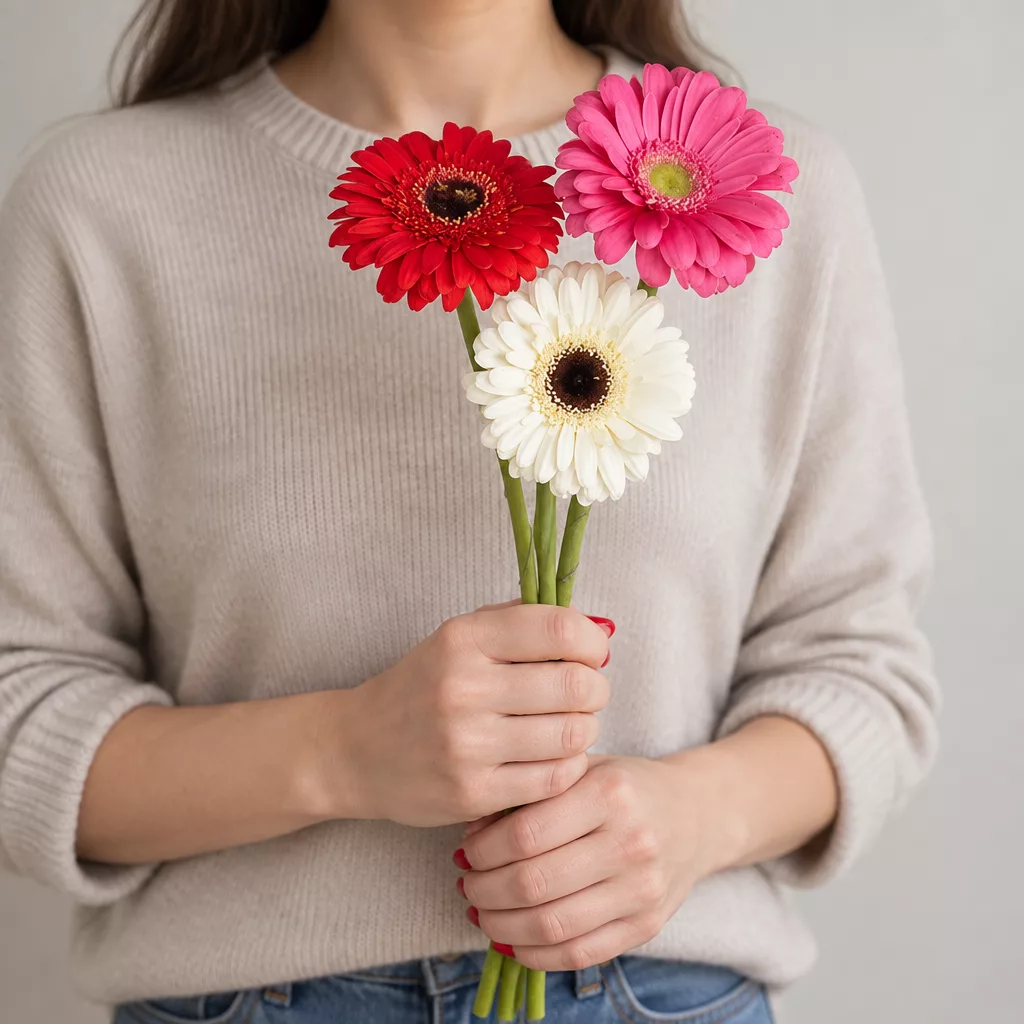
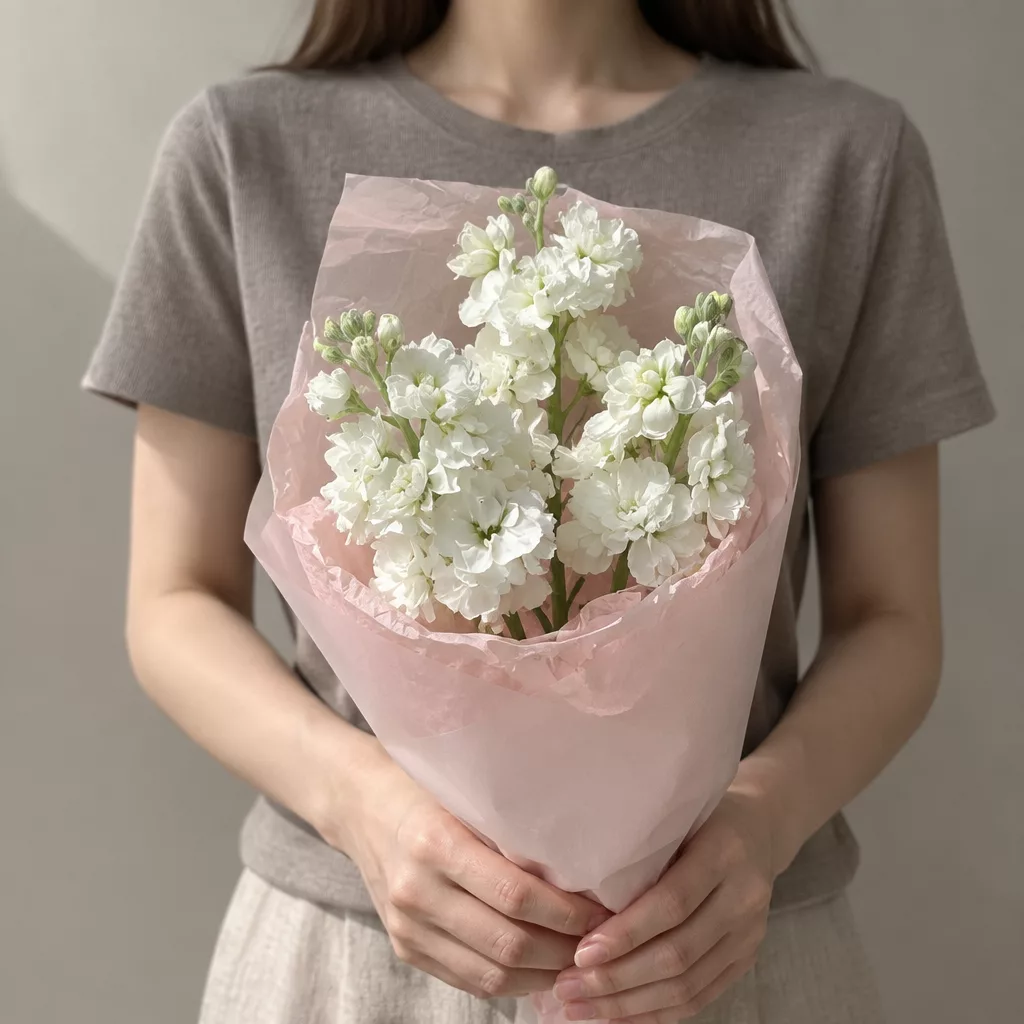
Bouquets we can deliver


Timing Your Order Across Time Zones Without Getting It Wrong
Kondrovo sits in Moscow Standard Time, which is UTC plus three hours and does not observe daylight saving. If you are in London in winter, that is a three-hour gap. If you are on the US East Coast, the gap is eight hours. If you are in Tokyo, Kondrovo is already six hours behind you. These numbers matter because a delivery you imagine arriving at lunchtime might actually land at seven in the evening if you place the order without checking.
The safest approach is to work backwards from the moment you want the flowers to arrive. Decide on the recipient's local time first — say, noon Kondrovo time on a Wednesday — then convert that to your own time zone and place the order at least two to three hours before that window. This gives the florist time to assemble the arrangement fresh rather than pulling something pre-made from a cooler.
For significant dates — birthdays, anniversaries, the eighth of March which is Women's Day and one of the busiest flower days in Russia — place your order the day before. Demand spikes sharply on those mornings and delivery slots fill. A bouquet that arrives the morning of a birthday feels thoughtful; one that arrives at nine in the evening because slots were full feels like an afterthought, even if the flowers themselves are beautiful. International senders who plan a day ahead almost always report better experiences than those who order on the day itself.
Seasonal Flowers That Actually Thrive in the Kaluga Region
Kondrovo experiences genuine Russian seasons: cold winters where temperatures drop well below freezing, a brief and vivid spring, warm summers, and a golden but quickly cooling autumn. These conditions affect what arrives in the best condition and what struggles to survive the last leg of delivery outdoors.
In winter, from November through March, hardy varieties travel best. Spray roses, alstroemeria, chrysanthemums, and hypericum berries all tolerate cold transit well. Tropical flowers like anthuriums and bird of paradise can suffer in extreme cold if the recipient is not home to bring them inside quickly. Tulips, paradoxically, are a winter and early spring favourite in Russia because they are imported in large volumes precisely when little else is blooming locally.
Spring brings peonies from late May into June, and they are enormously popular with Russian recipients of all ages. A bouquet of blush or coral peonies with eucalyptus is one of the most reliably received combinations you can order. Summer opens up lisianthus, gerberas, and sunflowers. Autumn is the season for rich, warm tones — burgundy chrysanthemums, orange roses like the variety Naranga, and dahlias where available.
Avoiding very delicate open blooms in winter is practical wisdom. A bud that travels closed will open beautifully in a warm apartment; a fully open garden rose might arrive with bruised petals after a cold journey across the city. Ask for arrangements built around buds in cold months and you will rarely be disappointed.
Choosing by Occasion: From Birthdays to New Baby Congratulations
Different occasions call for genuinely different approaches, and knowing a few Russian conventions will help you choose with confidence rather than guessing.
For a birthday, volume and colour signal celebration. Russians tend to appreciate generous bouquets — a small, spare arrangement can read as underwhelming at a birthday, even if it is beautifully composed. Roses in warm tones, mixed bouquets with lisianthus and spray roses, or a bold mono-bouquet of sunflowers all land well. The number of stems often echoes the recipient's age for milestone birthdays, though any odd number above nine reads as generous.
For a new baby, soft pinks and whites for a girl, blues and whites for a boy remain the dominant convention in Russia, though modern recipients in cities increasingly welcome gender-neutral creams and greens. Ranunculus, white freesia, and soft pink spray roses make an elegant new-baby arrangement. Avoid heavily scented flowers in this context — strong fragrance is not ideal around a newborn.
For an anniversary, the gesture is often more romantic than a birthday, so red roses remain a classic that never requires an apology. If the couple is younger or more design-conscious, a palette of dusty rose, burgundy, and ivory with garden-style roses and eucalyptus reads as contemporary and considered. For professional milestones — a promotion, a graduation — white and green combinations feel sophisticated and appropriate without veering into romance.
Budget Ranges and What Each Level Looks Like in the Vase
Understanding what different spending levels produce helps you set realistic expectations before you order, especially when you cannot see the final arrangement in person.
At the entry level, you are working with a focused, single-variety bouquet — perhaps seven tulips in a single colour, or a small bunch of alstroemeria with some greenery. These arrangements are by no means poor gifts; alstroemeria, for example, lasts up to two weeks in a vase, which makes it one of the most practical flowers a recipient can receive. The presentation is clean and the flowers are fresh, but the volume is modest.
At the mid range, you move into mixed bouquets where a florist can combine textures and heights — roses with waxflower, or spray chrysanthemums with lisianthus and ruscus. The bouquet becomes something a recipient genuinely wants to display rather than tuck into a corner. This is where most senders land for birthdays and anniversaries, and it is a well-judged choice.
At the upper range, you are commissioning arrangements with premium roses such as the large-headed Ecuadorian varieties, peonies in season, or garden-style compositions with multiple flower types, foliage layers, and considered wrapping. These bouquets photograph beautifully and make a strong impression when the door opens. For milestone birthdays or significant anniversaries, this level signals that the sender thought carefully and invested genuinely. The recipient notices the difference even if they cannot name why.
How to Write the Card Message When You Are Far Away
The card or note that accompanies the flowers is the part of the delivery that the recipient will read more than once. It is worth spending three minutes on it rather than leaving the field blank or typing something generic.
If your recipient reads Russian, a message written in Russian — even imperfect, translated Russian — is almost always received more warmly than a message in English. There are reliable translation tools that will give you a grammatically sound sentence. A simple, warm sentence in Russian feels personal in a way that an English message, however eloquent, does not quite match when the recipient does not speak the language fluently.
Keep the message concrete rather than abstract. Instead of writing that you are thinking of them, say what you are thinking about — a shared memory, a specific wish for their day, something that only the two of you would understand. A card that reads like it was written by a person who knows the recipient is worth far more than a beautifully worded generic sentiment.
If you are sending flowers for a Russian holiday such as Women's Day on the eighth of March or Victory Day on the ninth of May, a brief acknowledgment of the occasion shows cultural awareness that Russian recipients genuinely appreciate. You do not need to be an expert; a simple line recognising the day is enough. Avoid humour that relies on cultural references the recipient might not share — warmth and sincerity travel across distance better than wit.
What Happens After Delivery: Vase Life and Care in a Russian Home
Once the bouquet arrives, its lifespan depends almost entirely on what the recipient does in the first thirty minutes. Most people in Russia know the basics of flower care, but a gentle note with your order — which the florist can include — can extend vase life significantly.
The single most important step is a clean diagonal cut across each stem, made with a sharp knife rather than scissors, immediately before placing the flowers in water. Scissors crush the stem tissue and reduce water uptake. A diagonal cut maximises the surface area through which the flower drinks. This alone adds two to three days to most arrangements.
Water temperature matters by variety. Most cut flowers prefer cool to room-temperature water. Tulips are an exception — they continue to grow after cutting and will lean dramatically toward light sources, which some recipients find charming and others find frustrating. Keeping tulips in a cool room and rotating the vase helps them stand more evenly.
Russian apartments in winter are often very warm due to central heating systems that cannot be individually adjusted. This accelerates petal drop on roses and peonies. Placing the vase away from radiators and direct heat sources, and moving the bouquet to a cool room overnight if possible, extends vase life noticeably. Roses in a warm apartment might last five days; in a cool hallway, the same roses can last ten. Sharing this with your recipient as a small practical note alongside the flowers turns your gift into something that keeps giving.
Sending flowers from abroad to someone in Kondrovo is not complicated once you understand the rhythm of it — the time zone arithmetic, the seasonal logic, the social conventions around stem counts and occasion-matching. The distance between you and the recipient is real, but a well-chosen bouquet that arrives on time, presented with care and accompanied by a genuine message, closes that distance in a way that a digital message simply cannot. Turboflora delivers across Russia, including Kondrovo, within one to two hours of your order — which means the gap between your intention and their smile is shorter than you might think.
Frequently asked questions
Can I send flowers to Kondrovo if I live outside Russia and do not speak Russian?
Yes, entirely. Turboflora's website and ordering process are available in English. You can specify the recipient's address, the delivery time in Moscow Standard Time, and any message you would like included. The team handles everything from that point, including any local navigation needed to reach the delivery address in Kondrovo.
What is the best flower to send for a Russian birthday if I am not sure of the recipient's taste?
Roses remain the safest and most universally appreciated choice for a Russian birthday. A bouquet of eleven or fifteen roses in a warm tone — coral, peach, or classic red — reads as generous and celebratory across generations and tastes. If you want something less expected, a mixed bouquet combining spray roses with lisianthus and eucalyptus is a consistently well-received alternative.
Why does the number of flowers in a Russian bouquet matter?
In Russian tradition, an even number of stems is associated with mourning and is brought to funerals. An odd number signals celebration and goodwill. This convention is taken seriously across most age groups, and a recipient will notice immediately whether the count is odd or even. Turboflora always composes bouquets with the correct odd number of stems by default.
How far in advance should I order for Women's Day on the eighth of March?
At least twenty-four hours in advance, ideally forty-eight. The eighth of March is the single busiest flower day in Russia by a significant margin. Delivery slots fill quickly on the morning itself, and same-day orders may face delays. Ordering the evening of the seventh secures your preferred time window and ensures the arrangement is made fresh rather than assembled under pressure.
Will the flowers survive if my recipient is not home when they are delivered?
It is strongly advisable to confirm the recipient will be available, or to coordinate with someone at the address. Cut flowers left in a hallway or on a doorstep in winter cold or summer heat deteriorate quickly. If there is any uncertainty about the recipient's schedule, choose a delivery window for the early evening when most people are home, and let the recipient know something is coming without revealing the surprise.
Ready to send flowers?
Pick the city, choose the bouquet, and a local florist takes it from there.
Choose a city →