Sending Flowers to Korenovsk from Abroad? Start Here
You are somewhere far from Russia — another country, another time zone — and someone you love is in Korenovsk. Maybe it is their birthday, an anniversary, or simply a moment when you want them to feel remembered. The distance feels enormous until you realise that a fresh bouquet can arrive at their door in one to two hours, chosen with care and delivered properly chilled. Here is everything a sender outside Russia needs to know to make that happen without stress.
What Korenovsk Is Like and Why It Matters for Your Order
Korenovsk is a small city in Krasnodar Krai, in the south of Russia. That southern location is genuinely good news for flower senders. The climate is milder than in Moscow or Novosibirsk, which means cut flowers survive the journey from florist to recipient far better, especially in spring and autumn when temperatures outside are comfortable rather than extreme. In summer, however, the Kuban region gets genuinely hot — daytime temperatures can exceed 35 degrees Celsius — and that matters when you are choosing what to send.
Heat shortens vase life for delicate varieties like sweet peas, ranunculus, and garden roses. If you are ordering in July or August, lean toward sturdier stems: chrysanthemums, alstroemerias, and spray carnations all handle warmth well and arrive looking fresh. In winter, Korenovsk rarely sees the brutal cold of central or northern Russia, so frost damage during a short delivery is unlikely, but still worth noting if the recipient lives in a private house with a long path from the gate.
Korenovsk is not a large city, which means the recipient is unlikely to be far from the delivery zone centre. This works in your favour: the bouquet spends less time in transit and more time in water at home. When you place an order, simply provide the full street address in Russian if possible — or in transliterated Latin letters — and note any access details like an entry code or floor number. These small details prevent delays that no florist wants.
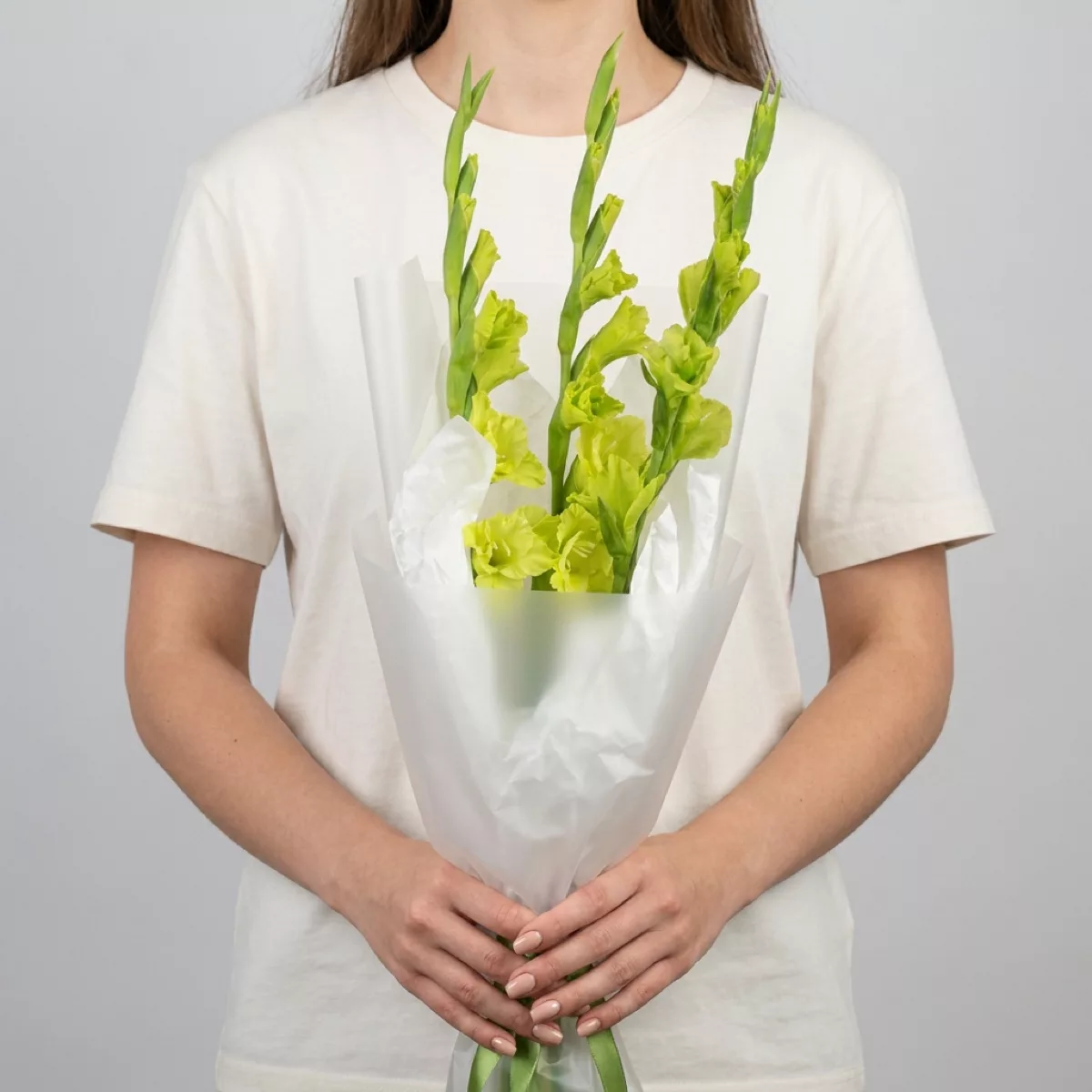
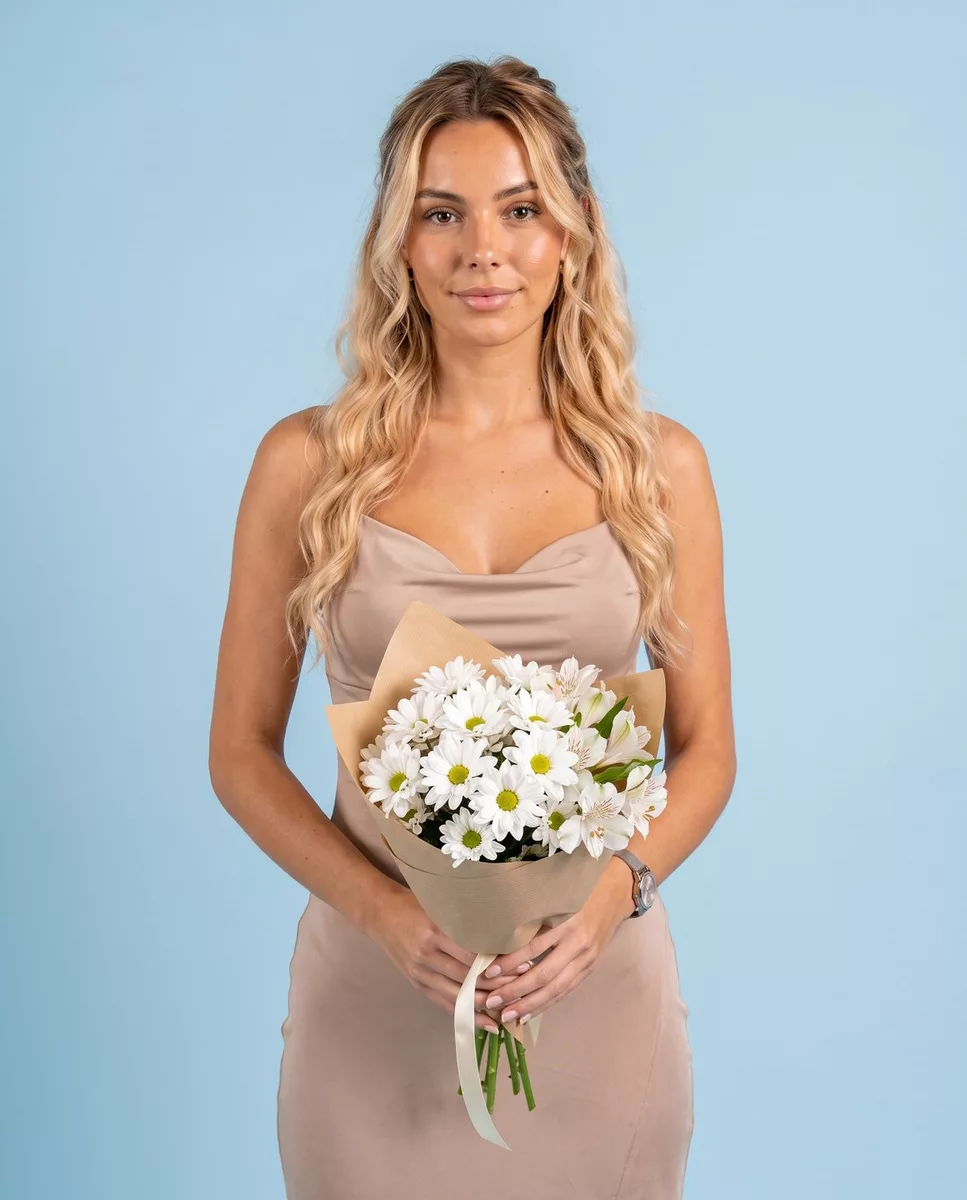
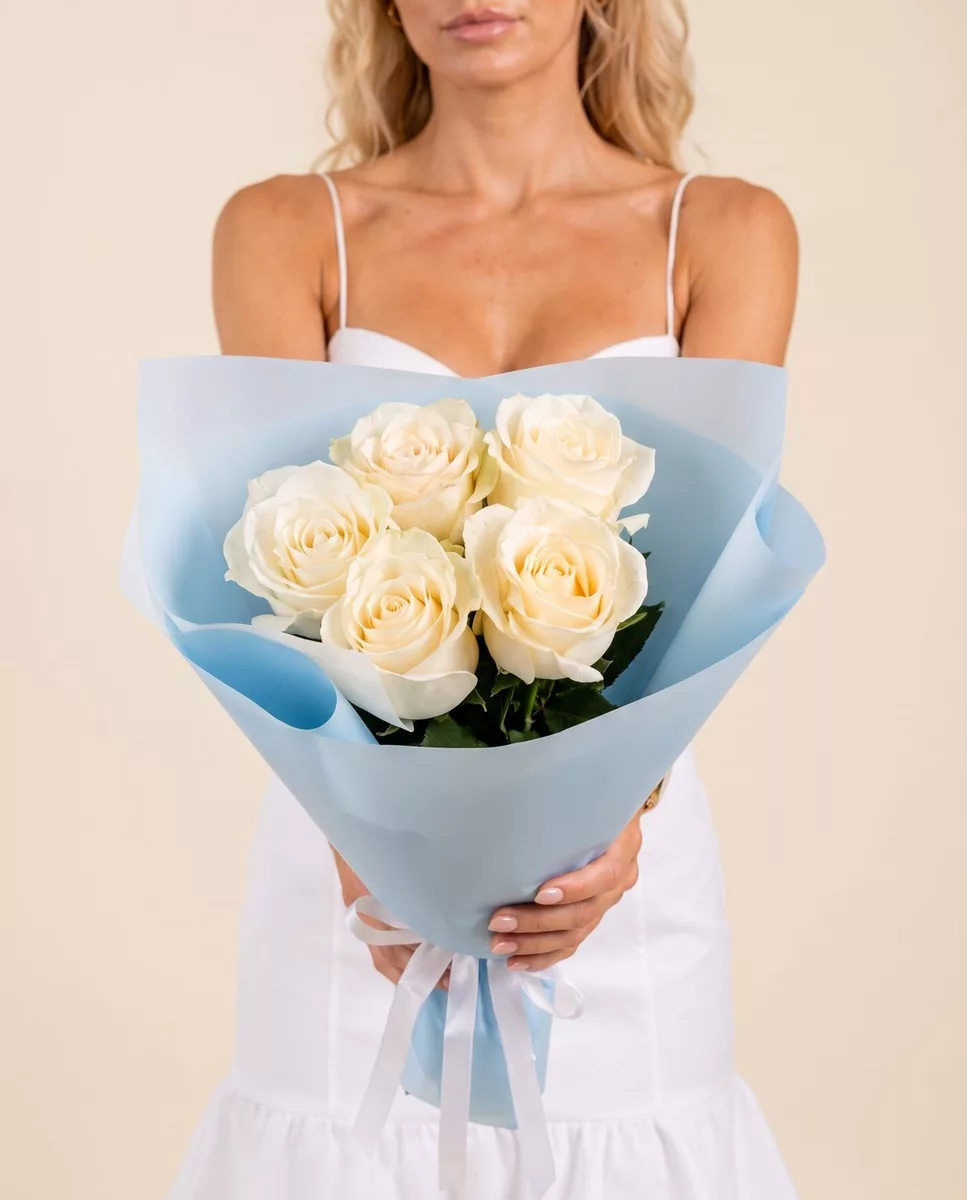
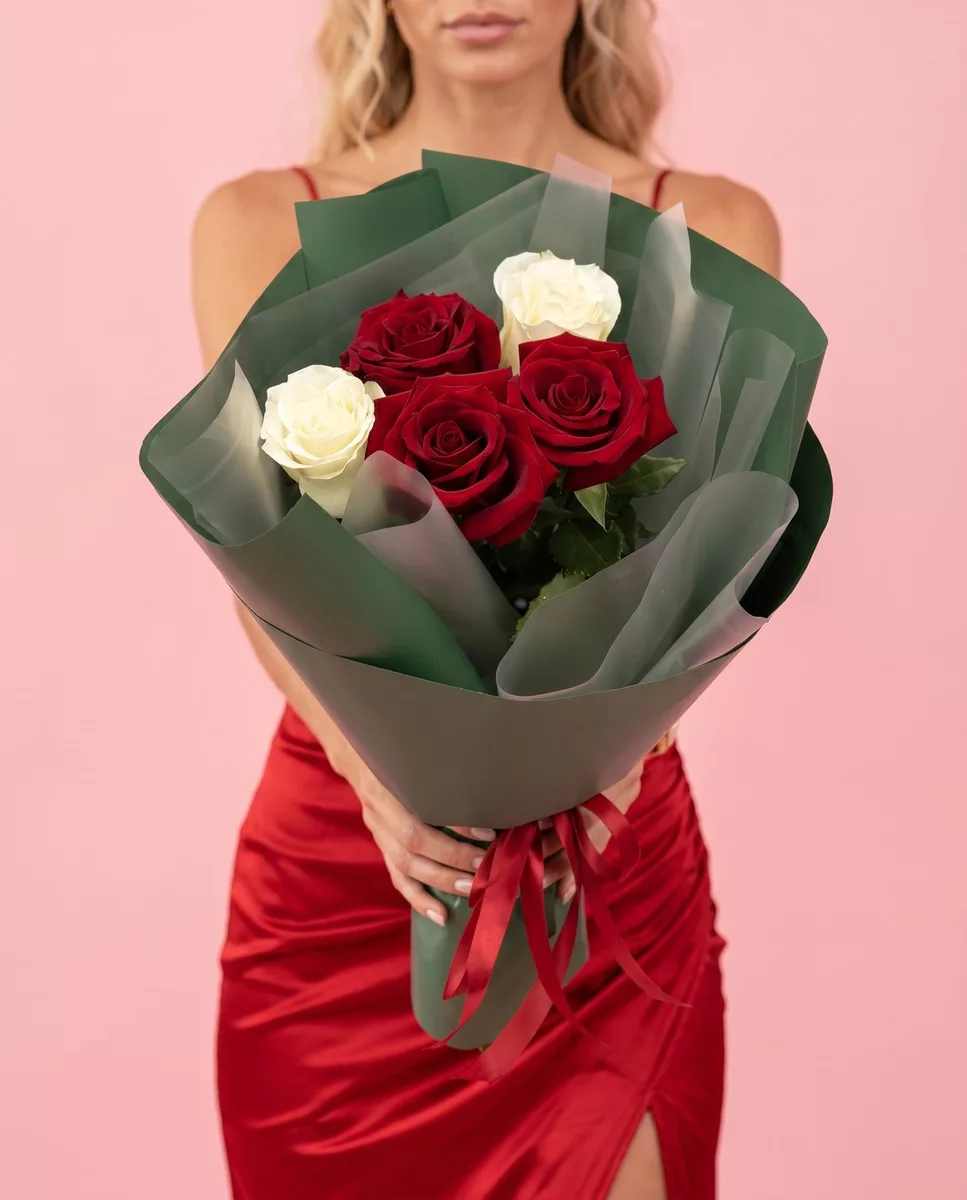
Bouquets we can deliver
How Time Zones Affect Your Order and When to Place It
This is the part that catches most international senders off guard. Korenovsk follows Moscow Standard Time, which is UTC plus three hours and does not observe daylight saving. If you are in London in winter, Korenovsk is three hours ahead of you. If you are in New York, it is eight hours ahead. If you are in Tokyo, the difference is six hours in the other direction — meaning it is already late evening in Korenovsk when your workday begins.
The practical consequence is simple: plan your order the day before if you want guaranteed morning delivery. Turboflora operates during business hours and into the evening, but a bouquet ordered at midnight your time may be arriving at a reasonable local hour — or it may be pushing into late night in Korenovsk, which is not the warmest welcome for a surprise. Think about when your recipient will actually be home and work backwards from there.
For milestone moments — a birthday morning, an anniversary dinner, a graduation afternoon — timing the delivery precisely makes the gift feel intentional rather than incidental. A bouquet that arrives while someone is cooking dinner and expecting nothing has a completely different emotional weight than one that shows up at nine in the morning when they open the door. Use the time zone difference as a creative tool, not an obstacle. It is entirely possible to arrange a delivery so perfectly timed from the other side of the world that the recipient assumes you must be hiding around the corner.
Navigating the Order Process When You Do Not Speak Russian
Placing an order from abroad does not require you to speak or read Russian. The Turboflora website works in English, and the checkout process is designed for international customers. Payment is accepted in major currencies, and the card processing is handled through secure international gateways — the same kind you use for any online purchase. You will not be asked to set up a Russian bank account or navigate any unusual financial steps.
The one area where language matters is the delivery address. Russian postal addresses follow a specific order: country, region, city, street, building number, apartment number. If you are copying an address from a message your recipient sent you, double-check that all parts are present. Missing the apartment number in a multi-storey building is the single most common mistake international senders make, and it can delay delivery significantly.
The card message is another detail worth thinking about. You can write it in English, and it will be printed or handwritten exactly as you type it. If you want the message in Russian but do not know the language, write the sentiment in English in the notes and ask for help translating — simple phrases like happy birthday or I am thinking of you are easy to render warmly in Russian. Russian recipients genuinely appreciate a card, even a short one. It transforms a bouquet into a conversation rather than just an object on the table. Do not skip it to save time.
Choosing the Right Flowers for the Person and the Occasion
Start with the person, not the flower. A woman in her sixties who tends a garden at her dacha will feel something different holding a bunch of peonies or dahlias than she would holding a tight, formal arrangement of red roses. A young woman who has just moved into her first apartment might love something loose and garden-style — lisianthus, veronica, and eucalyptus — that feels like it came from a meadow rather than a ceremony.
For romantic occasions, red roses remain the clearest signal in Russian culture — they are understood immediately and carry genuine weight. But if you want something that feels more personal, consider garden roses in blush or coral tones combined with waxflower or matthiola. The scent of matthiola, sometimes called stock, is extraordinary and lasts for days. It tells the recipient that someone paid attention.
For birthdays, the Russian tradition is to send an odd number of flowers — even numbers are associated with mourning and are never given as a celebration. This is one of the most important customs to know. A bouquet of eleven roses, fifteen tulips, or twenty-three mixed stems is entirely correct. A bouquet of ten or twelve can feel wrong to a Russian recipient even if they cannot immediately explain why. When in doubt, ask for an odd count and you will never go wrong.
For a new baby, soft colours and gentle textures work best — white or pale pink lisianthus, cream spray roses, soft greenery. Keep the arrangement modest in size so it fits on a bedside table without dominating the room.
Seasonal Flowers Available in Korenovsk and When to Use Them
Russia's flower supply is largely centralised through major wholesale hubs, which means the seasonal calendar for a city like Korenovsk follows the broader national pattern. In late winter and early spring, from February through April, tulips are everywhere and genuinely beautiful — Dutch imports arrive in extraordinary volume around International Women's Day on March 8th, which is the single biggest flower-giving occasion in the Russian calendar. If your recipient's birthday or special date falls near that window, order early because demand peaks sharply.
By May and June, peonies arrive and they are spectacular. Russian women have a deep cultural affection for peonies — lush, fragrant, and abundant, they feel generous in a way that tight formal flowers do not. If you can send peonies, send peonies. They last five to seven days in a cool room with fresh water changed daily.
Summer brings sunflowers, which are grown locally in Krasnodar Krai and feel genuinely regional — a sunflower bouquet sent to someone in the Kuban has a warmth and rootedness that an imported flower cannot match. Autumn is the season for dahlias, chrysanthemums, and hypericum berries, which give arrangements depth and texture.
Winter narrows the palette to roses, alstroemerias, carnations, and orchid stems — all reliable, all beautiful if arranged with care. A monobouquet of white or deep burgundy alstroemerias in winter can be quietly stunning and lasts well over a week with basic care. Never send tropical flowers like bird of paradise in extreme cold unless you are confident the recipient will be home to receive immediately.
How to Write a Card Message That Lands Well in Russian Culture
Russians are not minimalist with words when it comes to celebration. A card that simply says happy birthday can feel thin compared to the warmth of the bouquet it accompanies. This does not mean you need to write a speech — it means the message should feel like it came from a person, not a template. Mention something specific: a shared memory, the number of years you have known each other, something you admire about them.
If you are sending to a colleague or a professional contact, keep the tone warm but measured. Something like wishing you a wonderful day and continued success reads correctly in a professional Russian context. Overly casual language between people who do not know each other well can feel jarring.
For close family, especially parents or grandparents, Russian culture values expressions of gratitude and love said plainly. Phrases like I am proud of you or you mean everything to this family carry real weight and are not considered sentimental or excessive. Russians tend to appreciate directness in emotional expression between people who are genuinely close.
Avoid humour in card messages unless you are absolutely certain it will land. Jokes do not always translate, and a message that was meant to be playful can read as cold or dismissive on paper without the tone of your voice behind it. When in doubt, be warm and sincere. A genuine sentence always outperforms a clever one. And always sign the card with your name — anonymous flowers, however beautiful, leave the recipient wondering rather than feeling.
Caring for the Bouquet After Delivery: What to Tell the Recipient
You can send the most beautiful bouquet in the world and watch it fade in two days if the recipient does not know the basics of flower care. Most people in Russia know to put flowers in water, but the details beyond that are often missed. A short note with the bouquet — or a message you send separately — can double the life of what you have given.
The first step is the most important: trim the stems at a diagonal angle, about two centimetres from the bottom, using scissors or a knife rather than tearing. This opens the stem's water channels properly. Do this under running water or while the stems are submerged if possible. Then place the bouquet in a clean vase with fresh, cool water — not warm, not ice cold.
Change the water every two days and re-trim the stems each time. Keep the bouquet away from direct sunlight, heating radiators, and fruit bowls — ripening fruit releases ethylene gas, which accelerates wilting in cut flowers. In summer in Korenovsk, a cool room or even a shaded spot near an open window overnight can add days to the bouquet's life.
Roses benefit from having their outer guard petals removed — those slightly damaged-looking outer petals protect the bloom during transit and can be peeled away to reveal the full, open flower beneath. Tulips will continue to grow in the vase and turn toward light, which some people find charming and others find surprising. A small tip like this, shared in a message, shows the recipient that the thought behind the gift extended all the way to how they would experience it at home.
Sending flowers from abroad to someone in Korenovsk is one of those gestures that crosses distance in a way that a text message or a phone call simply cannot. The bouquet arrives cold, fragrant, and real — something they can hold and put on their table and look at for a week. The logistics are simpler than they seem once you understand the time zones, the address format, and the one cultural rule that matters most: always an odd number. Everything else is about the person you are sending to and what you want them to feel when they open the door.
Frequently asked questions
Can I order flowers for Korenovsk if I have no Russian bank account or card?
Yes. Turboflora accepts international payment cards including Visa and Mastercard through a secure gateway. You do not need a Russian card, a Russian account, or any special setup. The checkout process works in English and handles currency conversion automatically, so you pay in your own currency without needing to calculate ruble amounts yourself.
Why does the number of flowers in a bouquet matter in Russia?
In Russian tradition, even numbers of flowers are associated with mourning and are placed at graves or given at funerals. For any celebration — birthdays, anniversaries, congratulations — the bouquet should contain an odd number of stems. This applies whether you are sending five tulips or twenty-three roses. Turboflora follows this automatically, but it is worth knowing if you are specifying a custom count.
What is the latest I can order for same-day delivery to Korenovsk?
Turboflora delivers within one to two hours of order confirmation during operating hours. The key is to account for the time zone: Korenovsk runs on Moscow Time, UTC plus three. Place your order while delivery is still practical in local Korenovsk time — evening deliveries are possible but check the current cutoff when you order, as it depends on the time of year and day.
What happens if the recipient is not home when the bouquet arrives?
The delivery team will contact the recipient by phone before arriving. If you are sending a surprise, you can provide your own contact number as a backup so the courier can reach someone who can help coordinate. It is also worth letting the recipient know a delivery is coming — even without revealing the full surprise — so they are available to receive it and the flowers do not wait outside in summer heat.
Which flowers hold up best during summer heat in Korenovsk?
Chrysanthemums, alstroemerias, spray carnations, and sunflowers all handle warm temperatures significantly better than delicate varieties like sweet peas or ranunculus. In July and August, avoid ordering garden roses with many petals if the recipient cannot get them into water immediately. A well-chosen summer bouquet built around heat-tolerant stems will look just as beautiful and last considerably longer.
Ready to send flowers?
Pick the city, choose the bouquet, and a local florist takes it from there.
Choose a city →