Sending Flowers to Krasnoslobodsk from Abroad: What You Need to Know
You are sitting in Berlin, Toronto or Dubai, and someone you love is celebrating a birthday in Krasnoslobodsk. The distance feels enormous, but a fresh bouquet arriving at their door can close it in an instant. This guide walks you through everything a sender outside Russia needs to think about — from choosing the right flowers for the season to getting the delivery details right the first time.
Why Krasnoslobodsk Is a Unique Delivery Destination
Krasnoslobodsk is a small historic town in the Republic of Mordovia, sitting on the Moksha River in central Russia. Its population is modest, its streets are quiet, and its pace of life is unhurried — which matters when you are planning a flower delivery from abroad. The town has none of the anonymous apartment-block anonymity of a large city, so a bouquet arriving at someone's home here feels genuinely special and noticed by the whole household.
Because Krasnoslobodsk is not a major urban centre, precision matters more than it would in Moscow or Saint Petersburg. The address must be complete and correct: street name in Russian, building number, apartment number if applicable, and a working Russian mobile phone number for the recipient. Without a reachable phone number, a delivery cannot be confirmed at the door.
The town experiences a true continental climate. Winters are cold and long, summers are warm and occasionally hot. This directly affects which flowers survive the journey in good condition and how long they will last once inside. A florist who understands these conditions will already be making choices on your behalf, but knowing the basics yourself means you can ask better questions and set realistic expectations for the person receiving your gift.
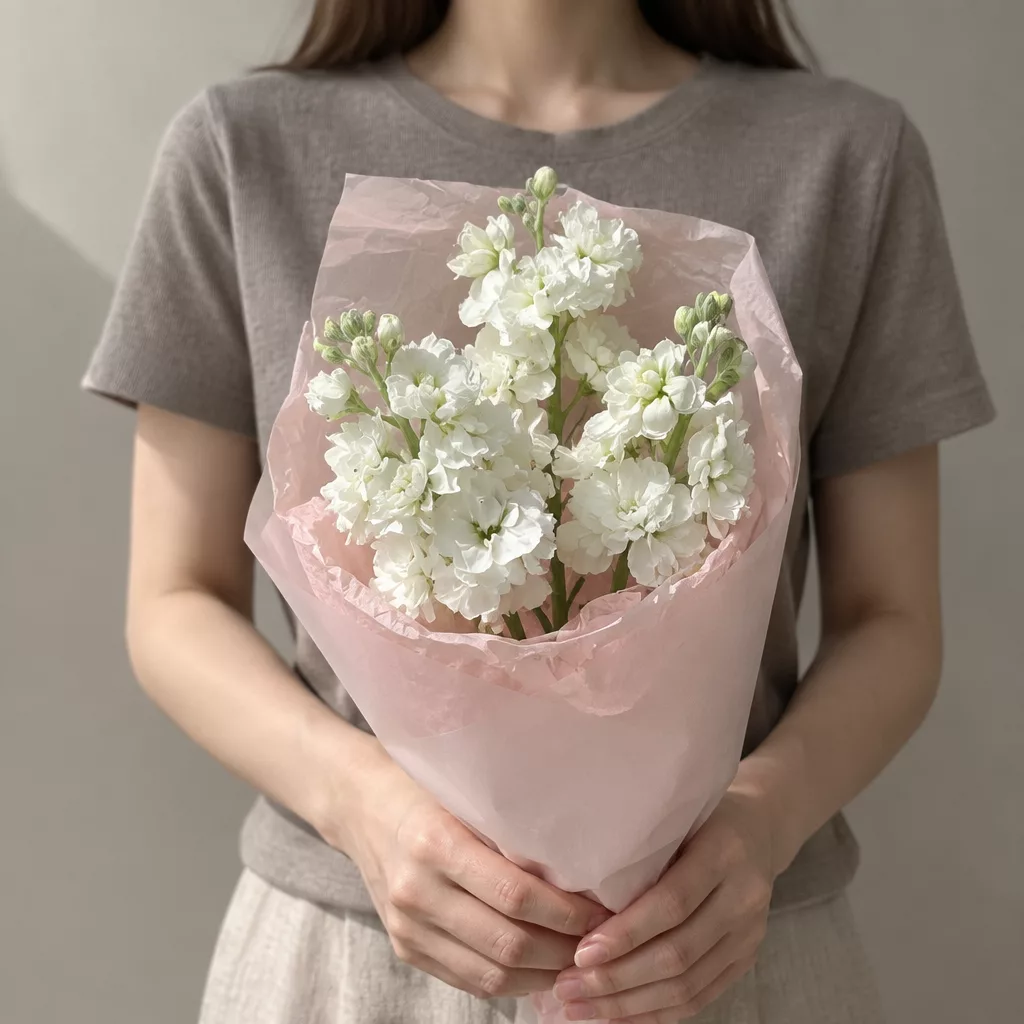
Bouquets we can deliver



Timing Your Order When You Are in a Different Time Zone
Time zone arithmetic is the first thing an international sender gets wrong. Krasnoslobodsk follows Moscow Time, which is UTC plus three hours and does not observe daylight saving. If you are in London in summer, that is two hours behind. New York in winter is eight hours behind. Dubai is one hour ahead. These gaps sound manageable until you realise you are placing an order at what feels like mid-morning your time, but it is already late afternoon in Mordovia.
For a same-day delivery, orders placed before noon Moscow Time have the best chance of reaching the recipient while they are still at home and awake. If you are ordering from a significantly earlier time zone, set an alarm or schedule your order the evening before. Most flower shops, including Turboflora, allow you to choose a delivery window rather than demanding an exact minute, which gives the delivery team flexibility and reduces pressure on both sides.
For landmark occasions — birthdays, anniversaries, Women's Day on the eighth of March — order at least two to three days in advance if you can. The eighth of March is the single busiest flower day in Russia, far exceeding Valentine's Day in volume and sentiment. Demand peaks sharply, and last-minute orders placed from abroad on that morning frequently miss the window. Planning ahead is not just courtesy; it is the practical difference between a bouquet that arrives on the day and one that arrives the morning after.
Choosing Flowers That Travel Well in Every Season
Not every flower handles a Russian January or a Mordovian August with equal grace. In winter, roses, chrysanthemums, carnations and alstroemeria are your most reliable choices. They tolerate cold transit corridors and do not bruise easily. Spray roses — smaller clustered blooms on a single stem — add texture and volume without the fragility of garden roses. Avoid delicate tropical varieties like strelitzia or anthurium in deep winter unless the delivery is genuinely door-to-door with no outdoor wait.
Spring brings tulips, and in Russia they carry enormous cultural weight. A bunch of tulips for a woman on the eighth of March or for a mother on a spring birthday is entirely conventional and warmly received. Daffodils and hyacinths also travel well in cool spring air and fill a room with scent the moment the wrapping comes off. If the recipient has a vase and a window ledge, bulb flowers are a wonderful choice.
Summer opens up the full palette: sunflowers, eustoma, peonies in June, dahlias from July onward. Peonies in particular are beloved in Russia — lush, fragrant and associated with warmth and generosity. In summer heat, however, they need to move quickly from cool storage to the recipient's hands. Autumn suits the deep tones of chrysanthemums, orange gerberas and burgundy roses. A mixed autumnal bouquet with dried cotton stems or eucalyptus feels seasonal without being heavy, and it photographs beautifully — which matters if the recipient is likely to share it.
Understanding Russian Flower Customs If You Grew Up Elsewhere
Russian flower-giving has a few conventions that can surprise international senders. The most important is the odd-number rule. Bouquets given as gifts should contain an odd number of stems — one, three, five, seven, eleven, fifteen and so on. Even numbers are traditionally associated with memorial occasions, so a bunch of twelve roses, perfectly normal in many Western countries, carries an unintended message in Russia. When in doubt, ask your florist to confirm the count before the bouquet is assembled.
Colour carries meaning too, though younger generations are increasingly relaxed about strict interpretations. Yellow flowers were once considered unlucky, associated with separation or infidelity. That belief is fading in cities but lingers in smaller towns like Krasnoslobodsk among older recipients. If you are sending to someone over fifty and you are uncertain of their views, a mixed bouquet that uses yellow as an accent rather than the dominant colour is a safe middle ground.
Wrapping and presentation are taken seriously. A bare bunch handed over without packaging looks unfinished. Kraft paper, fabric wrapping or a clear cellophane cone tied with ribbon all signal care and intention. Most florists will wrap as a matter of course, but if you are customising your order, specify that you want the bouquet presented as a gift rather than as a plain working bunch. A small card with a handwritten-style message in Russian or English — both are fine — adds a personal dimension that the recipient will keep long after the flowers have faded.
How to Write the Delivery Address Correctly
Address errors are the most common reason a flower delivery is delayed or returned. Russian addresses follow a specific order that differs from Western conventions. The correct sequence runs from the largest geographic unit to the smallest: country, region or republic, city or town, street, building number, apartment or office number. For Krasnoslobodsk, you would write: Russia, Republic of Mordovia, Krasnoslobodsk, then the street and number.
Street names in Krasnoslobodsk are in Russian Cyrillic. If you do not read Russian, use a transliteration — writing the sounds of the Russian letters in Latin script — or copy the address directly from a Russian map service. Google Maps and Yandex Maps both display Russian addresses and can help you confirm spelling. A florist placing your order should be able to handle a transliterated address, but providing the Cyrillic version eliminates any ambiguity.
Always include a Russian mobile phone number for the recipient. The delivery team will call or send a message before arrival to confirm the person is home and to clarify any gate codes or building entry details. Without a working number, the driver may not be able to complete the delivery. If you do not have the recipient's number, ask a mutual contact in Russia to provide it. Do not rely on a foreign number or a messaging app alone — a direct Russian SIM call is the standard and most reliable method used by delivery teams on the ground.
Budget Ranges and What Each Level Gets You
Flower budgets translate differently when you are paying in euros, dollars or dirhams and the bouquet is assembled in Russia. Currency conversion means that what feels like a modest spend to you can buy a genuinely impressive arrangement locally, and what feels like a generous budget can buy something truly lavish. Rather than thinking in fixed price tiers, think in terms of what you want the bouquet to communicate.
A simple, single-variety bouquet — seven or nine stems of spray roses, or a generous bunch of tulips — reads as warm and thoughtful without being showy. It suits a birthday for a colleague, a thank-you for a host, or a spontaneous gesture of affection. It is also the most forgiving choice if you are ordering at short notice, because single-variety bouquets are easier to assemble quickly.
A mixed composition with two or three flower types, greenery and a wrapped presentation moves into genuinely celebratory territory. Combining eustoma with roses and eucalyptus, or pairing peonies with white alstroemeria and soft leather-leaf fern, creates something that looks considered and generous. This is the right level for a significant birthday, an anniversary, or a gesture meant to say something lasting.
At the top end, large format arrangements — tall stems, multiple varieties, decorative elements like cotton pods or dried grasses mixed with fresh blooms — make a statement the moment the door opens. These suit major milestones: a fiftieth birthday, a wedding anniversary, a new home. If you are ordering at this level, give the florist creative latitude within a colour palette you specify. The results are usually better than a rigid item-by-item brief.
Helping the Recipient Keep the Flowers Fresh Longer
A bouquet that arrives in perfect condition can last anywhere from five to twelve days depending on the varieties and how it is cared for. Roses and chrysanthemums are the most durable, often reaching ten days with basic attention. Tulips and peonies are shorter-lived but more intensely beautiful while they last — four to six days is realistic. Eustoma sits in between, giving seven to nine days of reliable colour.
The single most important thing the recipient can do is cut the stems at an angle under running water before placing them in a vase. This reopens the water-conducting channels that compress during transport. A diagonal cut of about two centimetres is enough. They should remove any leaves that would sit below the waterline, because submerged foliage rots quickly and clouds the water with bacteria that shortens the life of every stem in the vase.
Fresh, cool water changed every two days is more effective than any commercial flower food sachet. The vase should be rinsed when the water is changed to prevent bacterial buildup. Placement matters enormously: away from direct sunlight, away from radiators, and away from fruit bowls — ripening fruit releases ethylene gas, which accelerates petal drop in roses and carnations. A cool room, ideally between fifteen and eighteen degrees Celsius, extends vase life noticeably. In a heated Russian apartment in winter, finding the coolest corner of the room — often near an exterior wall or a window that is not directly above a radiator — makes a real difference.
Sending flowers to Krasnoslobodsk from abroad is entirely achievable, and when it goes right, the effect is disproportionate to the effort. A bouquet arriving in a small Russian town from someone thousands of kilometres away carries a weight of intention that the recipient will feel immediately. Get the address right, account for the time difference, choose varieties that suit the season, and let the florist handle the presentation. The rest — the joy on the other end of the phone when they call to say it arrived — takes care of itself.
Frequently asked questions
Can I order flowers for Krasnoslobodsk delivery if I do not speak Russian?
Yes, entirely. You can place your order in English and provide the address in transliterated Latin script. The delivery team will handle all communication with the recipient in Russian. The only essential thing is a working Russian mobile number for the recipient so the driver can confirm arrival.
How far in advance should I order for a birthday in Krasnoslobodsk?
For a regular birthday, one day ahead is usually sufficient if you order before noon Moscow Time. For major Russian flower holidays like the eighth of March or Valentine's Day, order two to three days ahead. Last-minute orders placed from abroad in earlier time zones often arrive the following day rather than on the occasion itself.
Is it true I should only send an odd number of flowers?
Yes, this is a genuine and widely observed Russian custom. Even numbers of stems are associated with memorial occasions rather than celebrations. Always confirm with your florist that the final count is odd — three, five, seven, nine, eleven or more. Most florists will do this automatically, but it is worth double-checking when ordering from outside Russia.
What happens if the recipient is not home when the flowers arrive?
The delivery team will call ahead using the phone number you provide. If the recipient cannot be reached or is unavailable, the driver will attempt to arrange a revised window. This is why a working Russian mobile number is non-negotiable. Without it, there is no reliable way to complete the handover and the bouquet may not be delivered on the day.
Which flowers are best for a winter delivery to Krasnoslobodsk?
Roses, carnations, chrysanthemums and alstroemeria all handle cold transit well and are excellent winter choices. Spray roses add volume without fragility. Avoid very delicate tropical blooms in deep winter. A wrapped bouquet moves quickly from the delivery vehicle into a warm hallway, so the cold exposure is brief, but hardy varieties give you the best result.
Ready to send flowers?
Pick the city, choose the bouquet, and a local florist takes it from there.
Choose a city →