Sending Flowers to Leninsk from Abroad? Read This First
You are sitting in Berlin, Toronto or Dubai, and someone you love is in Leninsk — a small city in the Volgograd region of southern Russia. You want them to open the door and find something beautiful waiting. The distance feels enormous, but the feeling you want to create is very simple: I remembered you, I made an effort, you matter. This guide walks you through everything that stands between that intention and a fresh bouquet on the doorstep.
What Leninsk Is Like and Why It Changes Your Choices
Leninsk sits on the left bank of the Volga River in the Volgograd region, a quiet city with a population of around twenty thousand people. It is not a metropolitan hub, which means the person receiving your flowers is likely to be genuinely surprised and moved — flower deliveries from abroad are rare and carry real emotional weight here. That rarity is actually a gift you are giving them alongside the bouquet itself.
The climate matters practically. Leninsk experiences hot, dry summers where temperatures regularly climb above thirty-five degrees Celsius, and cold winters that can drop well below minus fifteen. Both extremes affect which flowers survive the journey from the florist to the front door and how long they last once they arrive. A delicate garden rose in July heat needs a shorter journey time and a well-sealed wrap than the same rose in February.
The city's character also shapes what feels appropriate. Leninsk is not a place where maximalist, fashion-forward arrangements feel natural. Residents tend to appreciate generosity expressed through volume and freshness rather than architectural minimalism. A full, rounded bouquet of seasonal flowers wrapped in kraft paper reads as warm and sincere. A single stem in a designer box may feel cold or confusing to someone who grew up with Russian flower-giving traditions. Knowing this saves you from spending more and connecting less.
Bouquets we can deliver

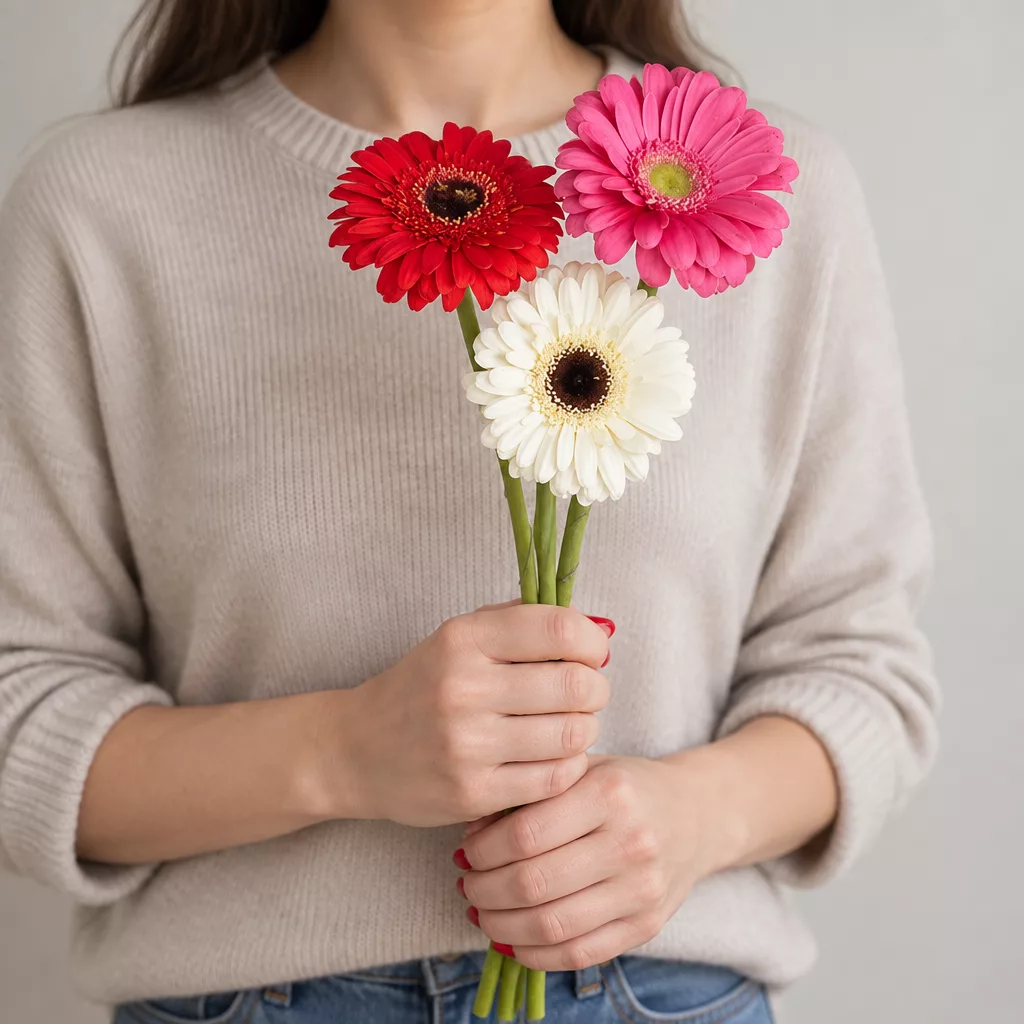

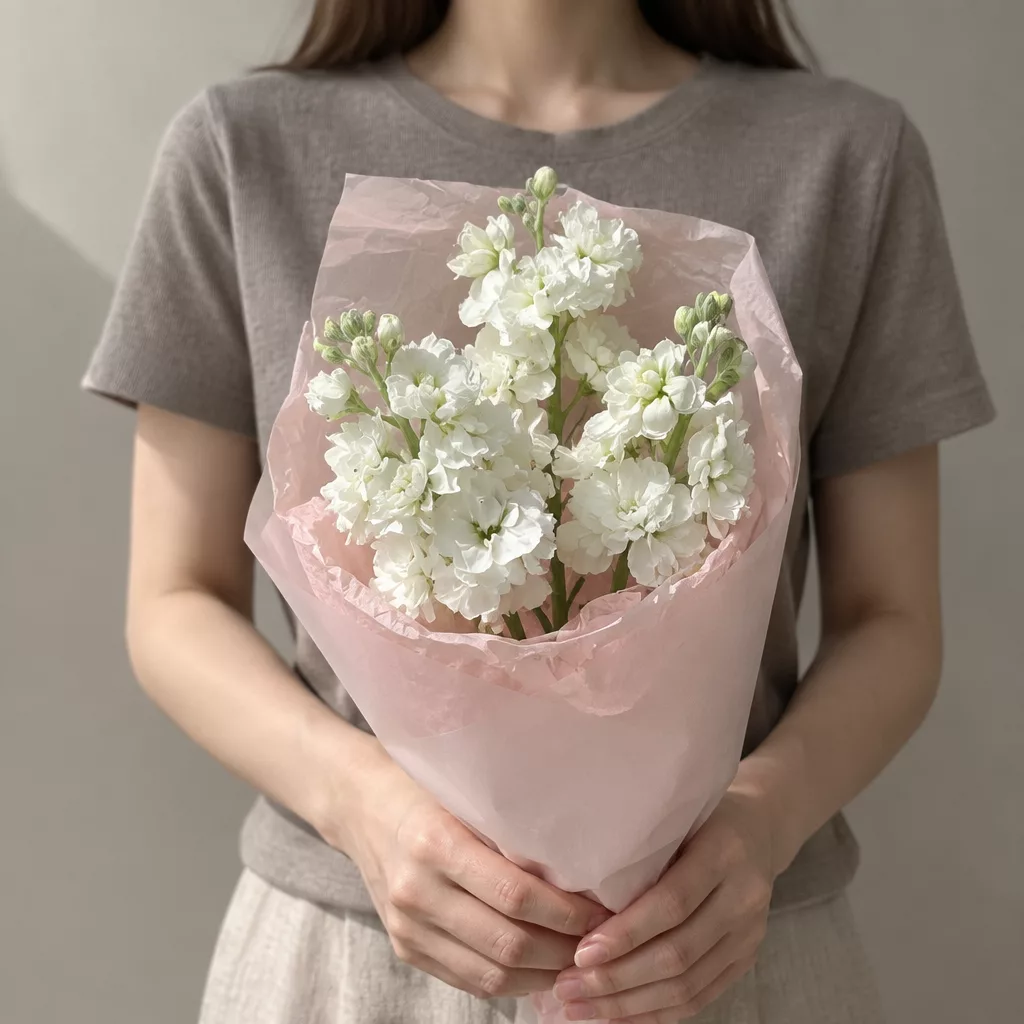
Russian Flower-Giving Customs You Should Know Before You Order
In Russia, flowers are given far more frequently than in many Western countries. They appear at birthdays, graduations, name days, first days of school, professional anniversaries and casual visits. If you are sending flowers for a specific occasion, knowing the local customs helps you choose the right arrangement and avoid an unintentional misstep.
The most important rule is the odd-number rule. Bouquets in Russia are almost always made with an odd number of stems — one, three, five, seven and so on. Even numbers of flowers are traditionally associated with mourning and are left at graves. If you are ordering a bouquet of roses, ask for eleven or fifteen, not twelve or fourteen. Most Russian florists apply this automatically, but when ordering from abroad through an online form, it is worth confirming.
Colour carries meaning too, though it is more relaxed than the odd-number rule. Red roses are romantic and universally understood. White flowers read as elegant and pure, appropriate for a wide range of occasions. Yellow flowers have historically been associated with separation or betrayal in Russian folk tradition, though younger generations are far less superstitious about this. If you are sending to someone older or more traditional, it is simply safer to mix yellow with other colours rather than sending a pure yellow arrangement.
Wrapping is considered part of the gift. A bare bouquet handed over without packaging looks unfinished to a Russian recipient. Turboflora wraps every arrangement, so this is handled, but it is worth understanding why presentation matters so much here.
Choosing Flowers for the Season in Leninsk
Seasonal choice is not just about aesthetics — it is about survival. Flowers that are out of season locally are more expensive, more fragile and more likely to disappoint. Working with the season means the recipient gets something at its peak, and the price-to-impact ratio is much better.
In spring, from March through May, tulips are the star of the Russian flower calendar. March eighth — International Women's Day — is the single biggest flower-giving day in Russia, and tulips in pink, white, purple and red are everywhere. Hyacinths and daffodils also appear in spring arrangements and carry a clean, fresh scent that fills a room. If you are sending for a March birthday or Women's Day, a full bunch of tulips in a single colour is deeply traditional and always welcome.
Summer in Leninsk is hot and long. Sunflowers thrive in this climate and feel native to the Volga region — they are cheerful, sturdy and last well even in warm apartments. Lisianthus, also called eustoma, is another excellent summer choice: it resembles a rose but holds up better in heat. Alstroemeria is a practical and beautiful option year-round because of its exceptional vase life.
Autumn calls for chrysanthemums, which are the backbone of Russian autumn floristry. They come in pompon, spray and single-bloom forms and last ten to fourteen days in a vase with proper care. Winter is the season for roses, carnations and imported tropical varieties like anthuriums and orchids, all of which handle cold transport well and look dramatic in the low winter light.
How to Order from Outside Russia Without Confusion
Ordering internationally sounds complicated, but the practical steps are straightforward once you know what information is actually needed. The biggest source of delay and failed deliveries is incomplete address data. Russian addresses follow a specific format: city, street name, building number, apartment number. In Leninsk, many residents live in apartment blocks, so the apartment number is essential — without it, the courier cannot complete delivery.
When you fill in the address, write the full name of the recipient exactly as it appears on their door or intercom. Russian apartment buildings often have intercoms with name labels, and a misspelled name can mean the courier cannot get past the entrance. If the recipient's name in Russian uses letters that look similar in transliteration — for example, Natalia versus Natalya — ask the recipient to send you their address in Russian Cyrillic and copy it directly into the order form.
Time zones are the second common source of mistakes. Leninsk follows Moscow Time plus zero hours — it is in the same time zone as Moscow, which is UTC plus three. When you are placing an order and selecting a delivery window, convert your local time carefully. A delivery requested for two in the afternoon Moscow time is five in the morning in New York. Make sure the recipient will actually be home or reachable during the window you select.
Payment from abroad works through international cards and most major payment systems. There is no need for a Russian bank account. If your card is declined, try a different browser or contact customer support directly — this is usually a security flag from your bank rather than a problem with the order itself.
Picking the Right Bouquet for the Person and the Moment
The best starting point is not the flower variety — it is the person receiving the bouquet and what you want them to feel when they open the door. A grandmother celebrating her seventieth birthday wants to feel honoured and cherished. A young woman who just passed her university exams wants to feel seen and celebrated. A colleague marking a work anniversary wants something elegant but not overly personal. Each of these calls for a different approach.
For a grandmother or older relative, volume and traditional flowers speak loudest. A generous arrangement of chrysanthemums, carnations and spray roses in warm colours — deep pink, coral, soft red — reads as abundant and respectful. Avoid anything too architectural or minimalist, which can feel impersonal to someone who grew up with a different aesthetic.
For a younger recipient, combinations feel more current. Lisianthus mixed with eucalyptus and ranunculus in dusty rose and white gives a soft, romantic result that photographs beautifully for social media — which matters to many people in their twenties and thirties. If she has mentioned a favourite colour or flower in conversation, that detail is worth more than any trend.
For a romantic gesture, roses remain the clearest language. A bouquet of fifteen or twenty-one red or deep-pink roses in a tight, round form is unambiguous and powerful. If you want something slightly less conventional but still romantic, garden roses — with their layered petals and subtle fragrance — feel more personal than standard hybrid tea roses. Pair them with white gypsophila for a classic result that never goes out of style.
What Happens After Delivery: Helping the Recipient Care for the Flowers
You will not be there to unwrap the bouquet, trim the stems or fill the vase. But you can prepare the recipient in advance with a short message that includes basic care instructions — this small act of thoughtfulness extends the life of the flowers and keeps your gift looking beautiful for much longer.
The single most important step is recutting the stems at a forty-five-degree angle as soon as the bouquet arrives, ideally under running water or while the stems are submerged. This prevents an air bubble from forming at the cut end, which would block water uptake. A sharp kitchen knife works better than scissors, which can crush the stem tissue. After cutting, place the bouquet immediately in a clean vase filled with cool, fresh water.
In Leninsk's hot summers, the placement of the vase matters enormously. Direct sunlight and proximity to radiators or fans will shorten vase life dramatically. A cool corner of the kitchen or a shaded windowsill is ideal. Change the water every two days and recut the stems each time. Remove any leaves that fall below the waterline, as they rot quickly and contaminate the water.
Different flowers have different lifespans. Tulips last five to seven days and continue to grow and move in the vase, which is part of their charm. Roses last seven to twelve days with good care. Chrysanthemums and alstroemeria can last two weeks or more. Knowing this helps the recipient understand what to expect and appreciate each flower at its best stage rather than feeling disappointed when the first petals drop.
Common Mistakes Senders from Abroad Make — and How to Avoid Them
The most frequent mistake is ordering too late. International senders often assume that because they are paying for delivery, the flowers will appear whenever they want. Turboflora delivers within one to two hours of order confirmation across Russia, including Leninsk, but the order itself needs to be placed during operating hours and with enough lead time for same-day delivery. If you are in a time zone many hours behind Moscow, place the order the evening before the occasion rather than the morning of.
The second mistake is choosing flowers based on what looks impressive in a photograph on the website rather than what suits the recipient or the climate. Large tropical blooms like birds of paradise look stunning on screen but can feel out of place in a small Leninsk apartment and may not last as long in summer heat as a well-chosen seasonal bouquet would.
Third, many international senders forget to include a card message or write one that is too brief. In Russian culture, the written word in a card carries real significance. A message that names the occasion, expresses a specific feeling and uses the recipient's name feels personal and complete. A generic message like happy birthday feels like an afterthought. Take two minutes to write something real — it costs nothing and changes everything about how the gift lands.
Finally, do not assume the recipient will be home. Confirm their schedule before placing the order, or coordinate with a family member who can receive the bouquet. A bouquet left outside an apartment door in summer heat for two hours is a very different gift from one placed directly into the recipient's hands.
Sending flowers to Leninsk from the other side of the world is genuinely possible, and when it works well, it creates a moment the recipient will talk about for a long time. The distance you have crossed — logistically and emotionally — is felt by the person opening that door. Choose flowers that suit the season and the person, get the address details exactly right, account for the time zone, and include a message that says something true. Turboflora handles the rest: the freshness, the wrapping, the delivery within one to two hours. Your job is simply to decide to do it.
Frequently asked questions
Can I really send flowers to Leninsk from another country?
Yes. You place the order online from anywhere in the world using an international payment card. Turboflora handles the delivery locally in Leninsk. The key requirements are a complete Russian address with apartment number, the recipient's full name, and a delivery window when the recipient will be home. The entire process takes a few minutes online.
Why does the number of flowers in a bouquet matter in Russia?
Russian tradition holds that even numbers of flowers are associated with mourning and are placed at graves. Bouquets given as gifts should always contain an odd number of stems — three, five, seven, eleven, fifteen and so on. Turboflora follows this convention automatically, but if you are specifying an exact stem count in your order, always choose an odd number to ensure the bouquet feels appropriate to the recipient.
What is the best flower to send in summer when Leninsk is very hot?
Sunflowers, alstroemeria and lisianthus handle summer heat better than many other varieties. Alstroemeria in particular has an exceptional vase life of ten to fourteen days even in warm conditions. Roses are also available year-round but benefit from being placed away from direct sunlight. Avoid delicate garden flowers with thin petals, which wilt quickly in apartments without air conditioning.
How far in advance should I place an order from a different time zone?
Leninsk follows Moscow Time, which is UTC plus three. Calculate the delivery window in Moscow Time, then convert to your local time. If you want a midday delivery in Leninsk, that is nine in the morning in Paris, four in the morning in New York. To be safe, place orders at least a few hours before the desired delivery window in Moscow Time, and for major occasions like birthdays, order the evening before.
What should I write on the card if I am sending flowers from abroad?
Use the recipient's name, name the occasion specifically, and say one true thing about how you feel or what you wish for them. A message like 'Masha, happy birthday — I hope this year brings you exactly what you have been working toward' is warm and complete. Avoid generic phrases. If you want to write in Russian but are not fluent, keep it short and correct rather than long and uncertain. Turboflora can include your message exactly as written.
Ready to send flowers?
Pick the city, choose the bouquet, and a local florist takes it from there.
Choose a city →