Sending Flowers to Lipetsk from Abroad: Occasions, Choices and What to Expect
You are sitting in Berlin, Toronto, or Dubai, and someone you love is celebrating a birthday in Lipetsk tomorrow morning. You want them to open their door to something beautiful — not a wilted bunch that travelled too far, not a generic supermarket wrap, but an arrangement that actually feels like you chose it. Sending flowers across borders into Russia sounds complicated, but when you understand a few key things about timing, seasonal variety, and what recipients here genuinely appreciate, it becomes one of the most personal gestures you can make from thousands of kilometres away.
What Lipetsk Is Like as a Destination for Fresh Flowers
Lipetsk sits in the Black Earth region of central Russia, about 450 kilometres south of Moscow. It has a proper continental climate — cold, dry winters that regularly drop below minus fifteen Celsius, and warm summers that push into the thirties. That temperature range matters enormously when you are thinking about which flowers will survive the final leg of delivery and how long they will last once they arrive.
In winter, delicate open blooms like garden roses or anemones are under real stress even during a short outdoor transit. Hardier choices — spray chrysanthemums, alstroemeria, sturdy hypericum-accented bouquets — hold up far better in the cold. In summer the challenge flips: heat shortens vase life quickly, so the recipient needs to get stems into cool water within the first hour. This is why same-day or one-to-two-hour delivery inside the city matters so much, regardless of the season.
Lipetsk residents tend to appreciate generous, lush arrangements rather than minimalist single-stem presentations. A bouquet that looks abundant and considered — mixed textures, a clear colour story, greenery that frames rather than fills — lands better culturally than something stark. If you are sending to someone who grew up here, think in terms of warmth and fullness rather than gallery-style restraint. That instinct will serve you well across most Russian cities, and Lipetsk is no exception.
Bouquets we can deliver


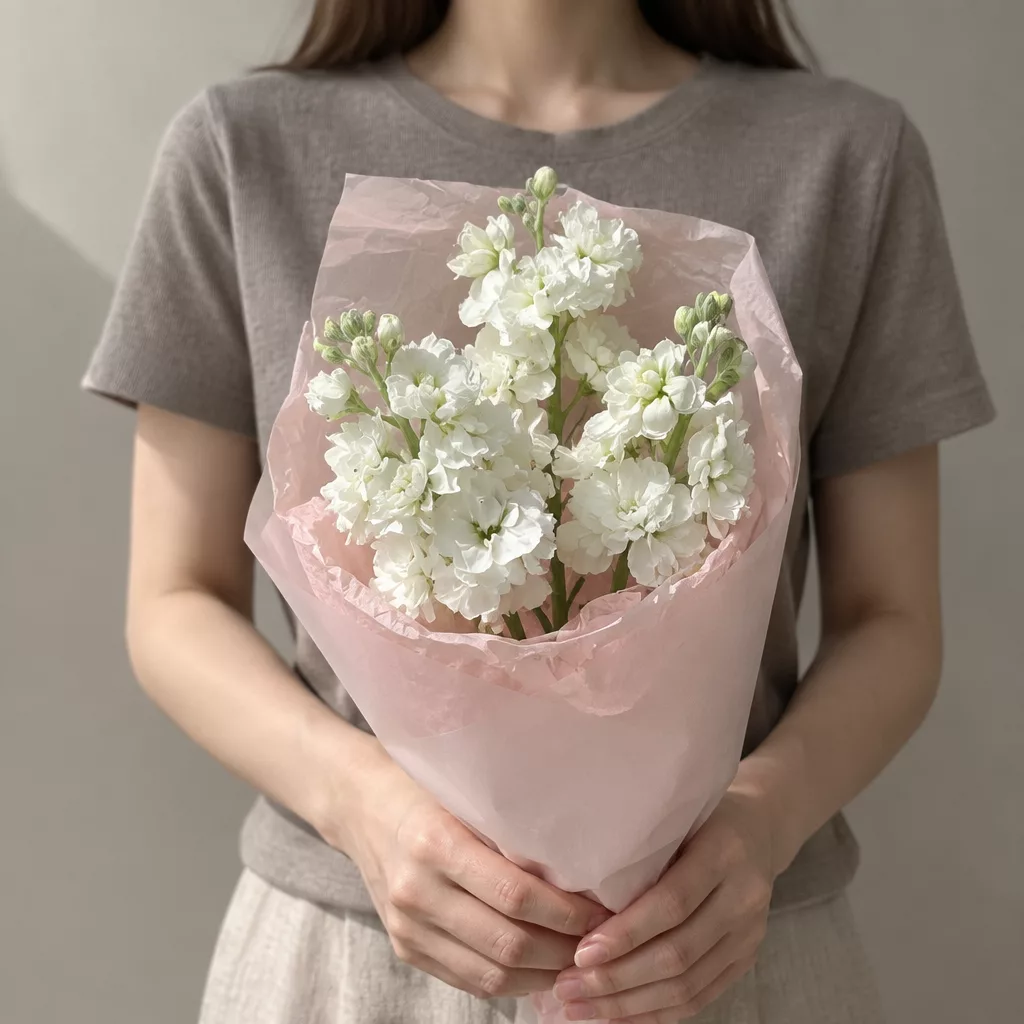
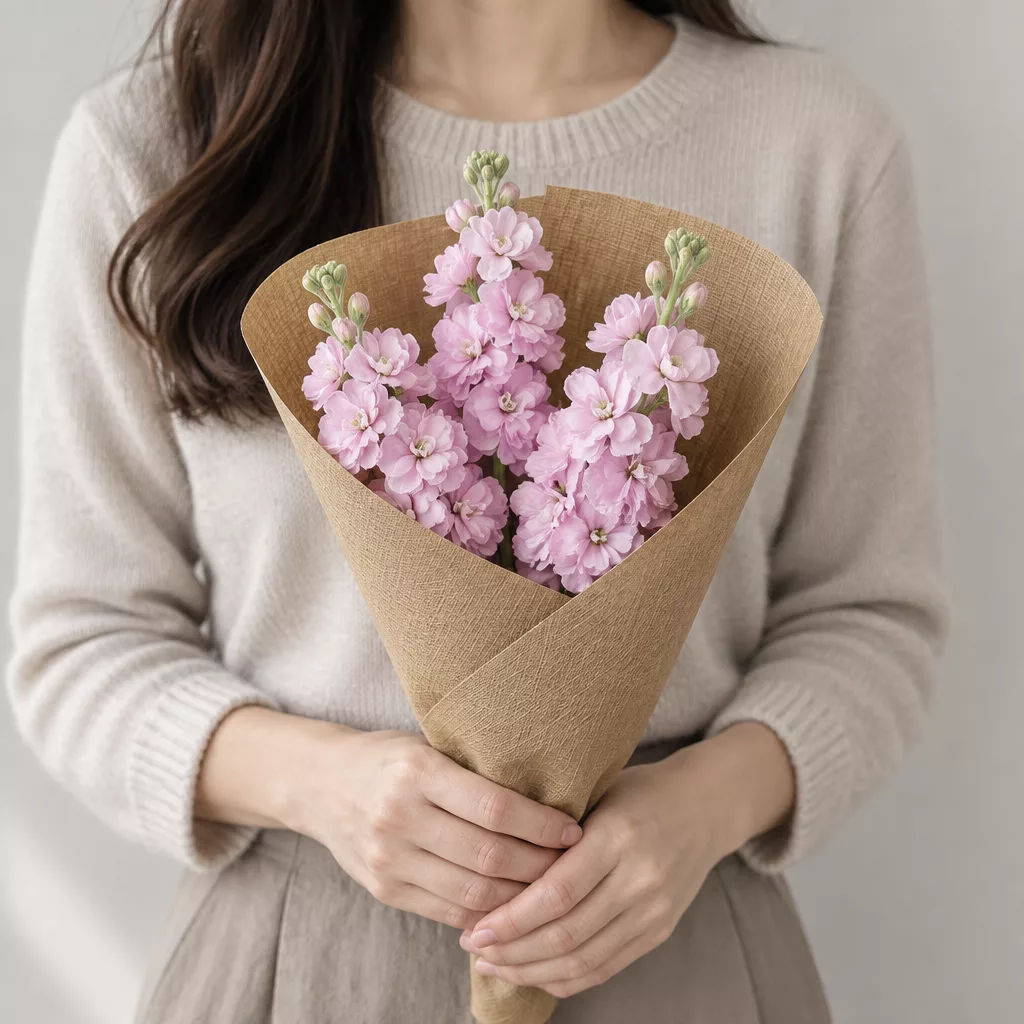
Navigating Time Zones and Delivery Windows from Abroad
Lipetsk operates on Moscow Time, which is UTC plus three, with no daylight saving adjustment. That means if you are in London, Lipetsk is three hours ahead of you in winter and two in summer. New York senders are working against an eight-hour difference. This is the single most common source of confusion for international buyers — people place an order at what feels like a reasonable afternoon hour locally and are surprised to learn it is already late evening in Lipetsk.
The practical rule is simple: convert to Moscow Time first, then place your order. If you want flowers delivered before noon on a birthday, you likely need to complete your order the previous evening your local time, or very early in the morning. Do not assume that ordering at midday in your city gives the florist a full working day in Lipetsk — it may not.
For celebrations tied to a specific moment — a morning arrival before the recipient leaves for work, flowers waiting when someone returns from a trip — communicate the preferred delivery window clearly when you order. Most occasions are flexible, but some genuinely are not. Anniversary dinners happen at a set time. Graduation ceremonies end at a specific hour. Building that timing into your order note, in plain language, removes ambiguity and makes it far easier to get the arrangement to the door at exactly the right moment. When in doubt, earlier is always better than later.
Choosing Flowers for the Person and the Occasion
Start with the recipient, not the flower. A woman in her sixties who keeps a traditional home will likely adore a classic arrangement of cream and blush roses with eucalyptus — familiar, elegant, and deeply appreciated in Russian culture. A younger recipient who follows design trends might be more excited by a tonal arrangement of burgundy dahlias and dried pampas, or a monochromatic white bouquet of lisianthus and ranunculus that photographs beautifully.
For birthdays, the guiding principle in Russia is abundance. Odd numbers of stems are traditional for celebratory occasions — this is a genuine cultural norm, not superstition to be dismissed. Even numbers are reserved for grief, so a bouquet of eleven or fifteen roses reads as celebratory in a way that ten or twelve does not. If you are ordering a round number by habit, it is worth adjusting.
New baby arrivals call for soft palettes — white, pale pink, or mint-toned arrangements using matthiola, delicate spray roses, or sweet peas when in season. For congratulations on a promotion or professional milestone, something bold and architectural works well: sunflowers paired with orange gerbera and solidago have an energetic, optimistic quality that suits the occasion perfectly. If you genuinely do not know the recipient's taste, a mixed seasonal bouquet with a clear colour theme — all warm tones, or all cool whites and purples — is safer and more elegant than trying to include every colour at once.
Budget Ranges and What They Actually Get You
Thinking about what different spending levels deliver helps you set expectations before you browse. At the entry level, you are looking at a focused single-variety bouquet — perhaps fifteen alstroemeria stems in a gradient of peach to coral, or a clean bunch of white spray chrysanthemums with minimal greenery. These are honest, cheerful arrangements that photograph well and last beautifully, often longer than more expensive mixed bouquets because single-variety stems have consistent water needs.
A mid-range budget opens up mixed compositions. This is where the real character comes in — a combination of garden roses, lisianthus, and wax flower with eucalyptus creates layered texture and a scent that fills a room. You can specify a colour story and the florist can build around it. This level also allows for a small keepsake element: a candle, a box of chocolates, or a kraft-wrapped presentation that elevates the unboxing moment.
At the higher end, you move into statement pieces. Large-headed peonies in season, David Austin-style garden roses, orchid stems, or premium Dutch tulips in early spring — these varieties command higher prices because their availability is genuinely limited and their stems require more careful handling. A premium arrangement also tends to include more deliberate structural design: height variation, focal flowers surrounded by secondary blooms, and foliage chosen to complement rather than pad. Whatever your budget, being specific about the occasion and the recipient's personality is worth more than simply spending more — a well-chosen modest bouquet beats an expensive generic one every time.
How to Write a Card Message That Lands Well
The card is often an afterthought for international senders, but recipients in Lipetsk will read it carefully and keep it. A few sentences written with genuine warmth carry more weight than a long formal paragraph. Think about what you actually want the person to feel when they read it — seen, celebrated, loved, proud — and write toward that feeling rather than toward a polished phrase.
If you are writing in English to a Russian speaker, consider whether the recipient reads English comfortably. Many do, especially in younger and middle-aged demographics, but if there is any doubt, a short message in Russian is far more personal. Translation tools are imperfect but usable for simple, warm sentences. Avoid idioms that do not translate — phrases like 'over the moon' or 'knock your socks off' lose all meaning and can confuse.
For milestone birthdays — fortieth, fiftieth, sixtieth — Russian recipients often appreciate a message that acknowledges the significance of the number rather than glossing over it. These are genuinely celebrated as markers of life chapters, not quietly skipped as they sometimes are in Western cultures. Saying something direct like 'fifty years of being exactly who you are — what a gift to everyone who knows you' reads as warm and genuine rather than awkward. Keep the tone consistent with how you actually speak to this person. Formal language from someone who texts casually feels strange. The card should sound like you.
Care Instructions to Pass Along to Your Recipient
Once the flowers arrive, the recipient's first thirty minutes determine how long the arrangement will last. The stems need to go into clean, cool water immediately — not room-temperature tap water left sitting, but fresh cold water in a rinsed vase. Recut the stems at a diagonal angle, about two centimetres from the base, before placing them. This reopens the uptake channel that seals during transit and makes a significant difference in how well the flowers hydrate.
Keep the arrangement away from direct sunlight, heating vents, and fruit bowls. Ethylene gas released by ripening fruit — apples especially — shortens the vase life of roses, lisianthus, and carnations noticeably. A cool spot in the room, away from draughts, is ideal. Change the water every two days and recut the stems each time. This small habit can extend the life of a mixed bouquet by three to five days.
Different varieties have different lifespans. Alstroemeria and spray chrysanthemums are workhorses — they routinely last ten to fourteen days with basic care. Roses and lisianthus sit at seven to ten days when well-kept. Peonies and ranunculus are shorter-lived, often five to seven days, but so spectacular in bloom that the brevity feels acceptable. Tulips drink heavily and need their water topped up daily. Passing these specifics along to the recipient — even in a quick message after the flowers arrive — turns a beautiful delivery into something they can genuinely enjoy for as long as possible. It is a small act of care that extends the original gesture.
Sending flowers to Lipetsk from abroad is less about navigating logistics and more about understanding the person on the other side of the delivery. Get the time zone right, choose varieties that suit the season and the recipient's personality, respect the cultural detail of odd stem counts, and write a card that sounds like yourself. The distance between you and someone you care about in Lipetsk is real, but a well-chosen, freshly delivered arrangement closes it in a way that a message or a call simply cannot. That is what flowers do — they make presence felt across any number of kilometres.
Frequently asked questions
Can I order flowers for Lipetsk delivery in the middle of the night my local time?
Yes, orders can be placed online at any hour. The key is to specify your desired delivery window in Lipetsk local time — Moscow Time, UTC plus three. If the window falls outside active delivery hours, your order will be queued for the earliest available slot. Always convert your local time before confirming a time-sensitive delivery.
Why do Russian bouquets traditionally use odd numbers of flowers?
Even numbers of stems are associated with mourning and are brought to funerals in Russian tradition. For any celebratory occasion — birthdays, anniversaries, congratulations — an odd number signals joy and festivity. This is a widely observed cultural norm across Russia, including Lipetsk, and choosing eleven or fifteen stems over ten or twelve makes a genuine difference to how the gift is received.
Which flowers hold up best during Lipetsk winters for a recipient who lives in an apartment?
Alstroemeria, spray chrysanthemums, carnations, and hypericum berries all tolerate cold transit well and last long once indoors. Roses from reliable Dutch stock also perform well if delivered quickly. Avoid fully open tropical blooms like strelitzia in deep winter — they are cold-sensitive. A well-structured mixed bouquet using these sturdy varieties will look full and last well in a heated apartment.
How do I make sure the card message reaches the recipient in Russian if I only speak English?
Write your message in plain, simple English and include a note in your order requesting translation assistance, or use a translation tool for short, direct sentences and paste the Russian text into the card field. Avoid complex idioms and metaphors — they rarely survive translation intact. A short, sincere sentence in Russian always feels more personal to a Russian-speaking recipient than a longer English message.
Is there a best time of year to send flowers to Lipetsk for maximum variety and freshness?
Late spring through early autumn offers the widest seasonal variety — peonies arrive in May and June, sunflowers peak in August, and dahlias run through September. Dutch imports mean roses, lisianthus, and alstroemeria are available year-round. Winter deliveries are absolutely possible and reliable; the selection simply leans toward hardier varieties. Any season works well with the right flower choices.
Ready to send flowers?
Pick the city, choose the bouquet, and a local florist takes it from there.
Choose a city →