Sending Flowers to Lysva from Abroad: A Florist's Honest Advice
Lysva sits quietly in the Perm Krai region of the Ural Mountains, a city where most residents know each other and a flower delivery from someone overseas carries real weight. Whether you are sending to a mother on her birthday, a friend on a new job, or a partner on an ordinary Tuesday that you want to make extraordinary, the distance between you and Lysva does not have to show in the bouquet. What matters is knowing how to order smartly, what to expect from the climate and the calendar, and which flowers will still look beautiful hours after the courier rings the doorbell.
Why Lysva Requires a Different Approach Than Sending to Moscow
Lysva is not a metropolitan hub. It is a compact industrial city with around 60,000 residents, surrounded by Ural forests and subject to the kind of continental climate that swings between genuine Siberian winters and warm, humid summers. That geography matters the moment you start thinking about flowers. A bouquet that travels well in central Moscow in May may arrive wilted in Lysva in January if the cold chain is not managed properly.
From abroad, you are adding one more layer of distance — not physical, but organisational. You cannot pop into a shop and point at the arrangement you want. You are trusting a description, a photo, and the florist's judgement. That is why choosing a shop with direct delivery capability in the Perm Krai region, rather than a vague promise of nationwide reach, is the first practical decision you make.
Turboflora delivers across Russia, including Lysva, within one to two hours of order confirmation. That speed is not a marketing phrase — it is the difference between roses that open gracefully on the recipient's table and roses that arrive already exhausted. When you order from London, Berlin, or New York, the time zone gap is real, but the delivery window in Lysva is what protects the flowers. Plan your order so that it lands during daylight hours in the Perm Krai time zone, which runs UTC+5, five hours ahead of Moscow.
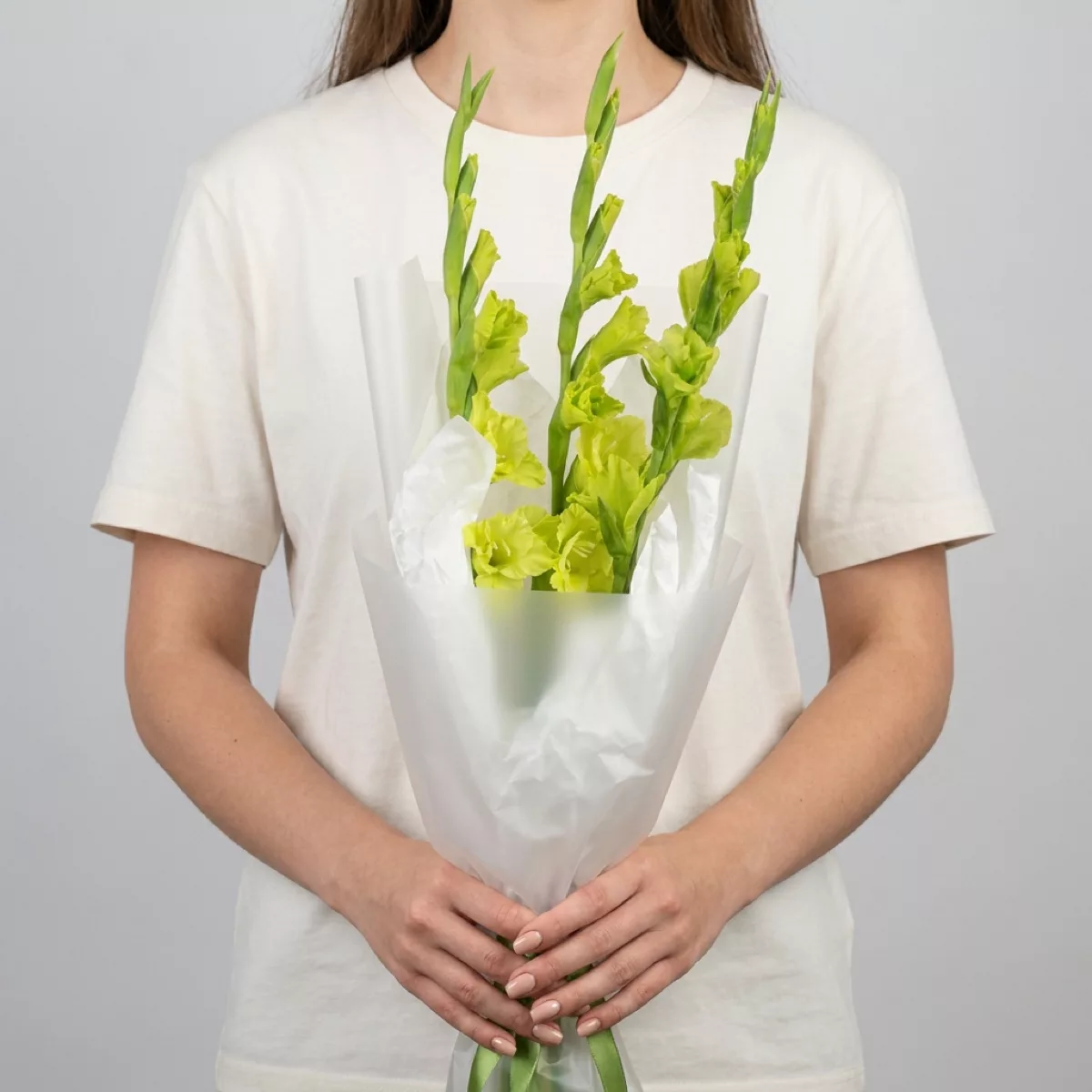
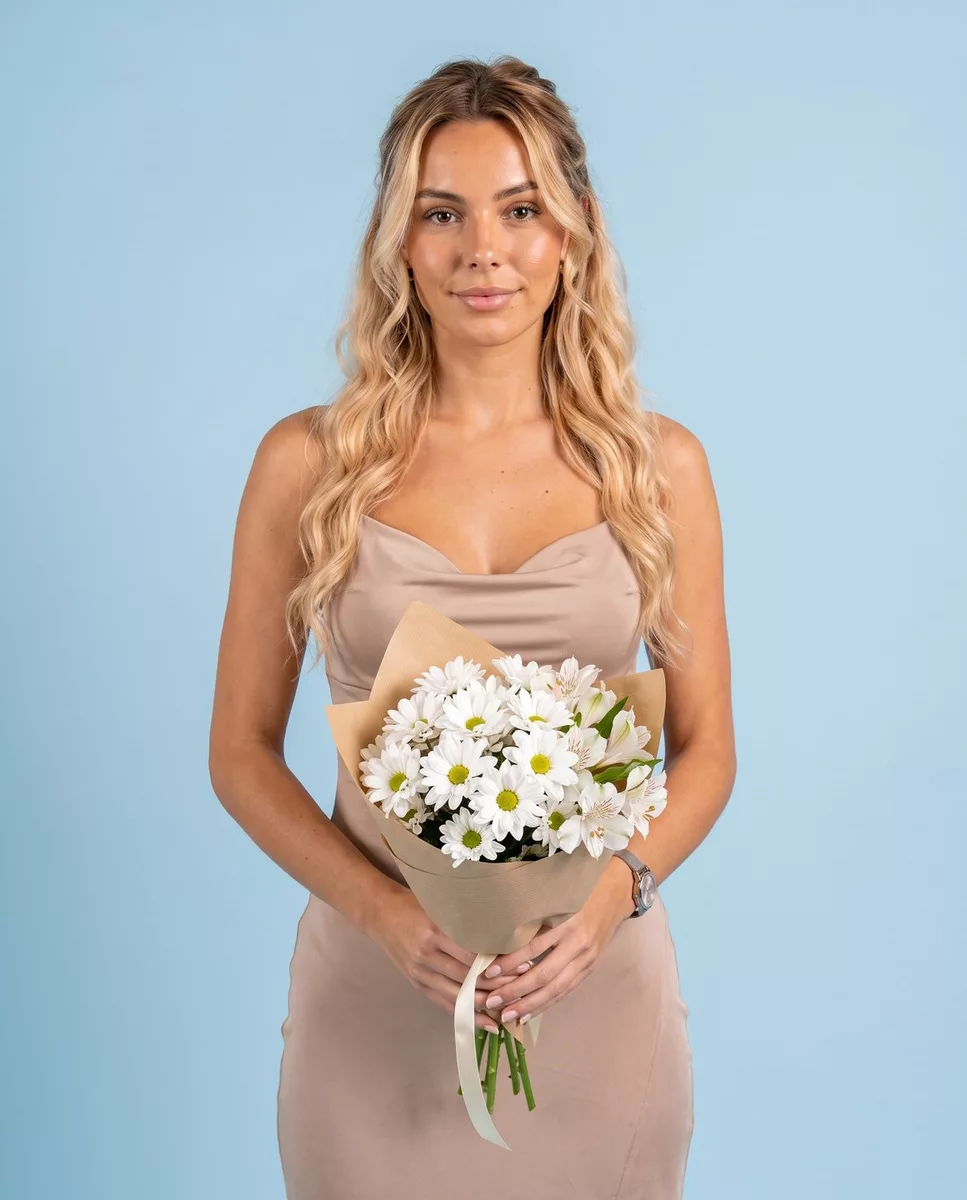
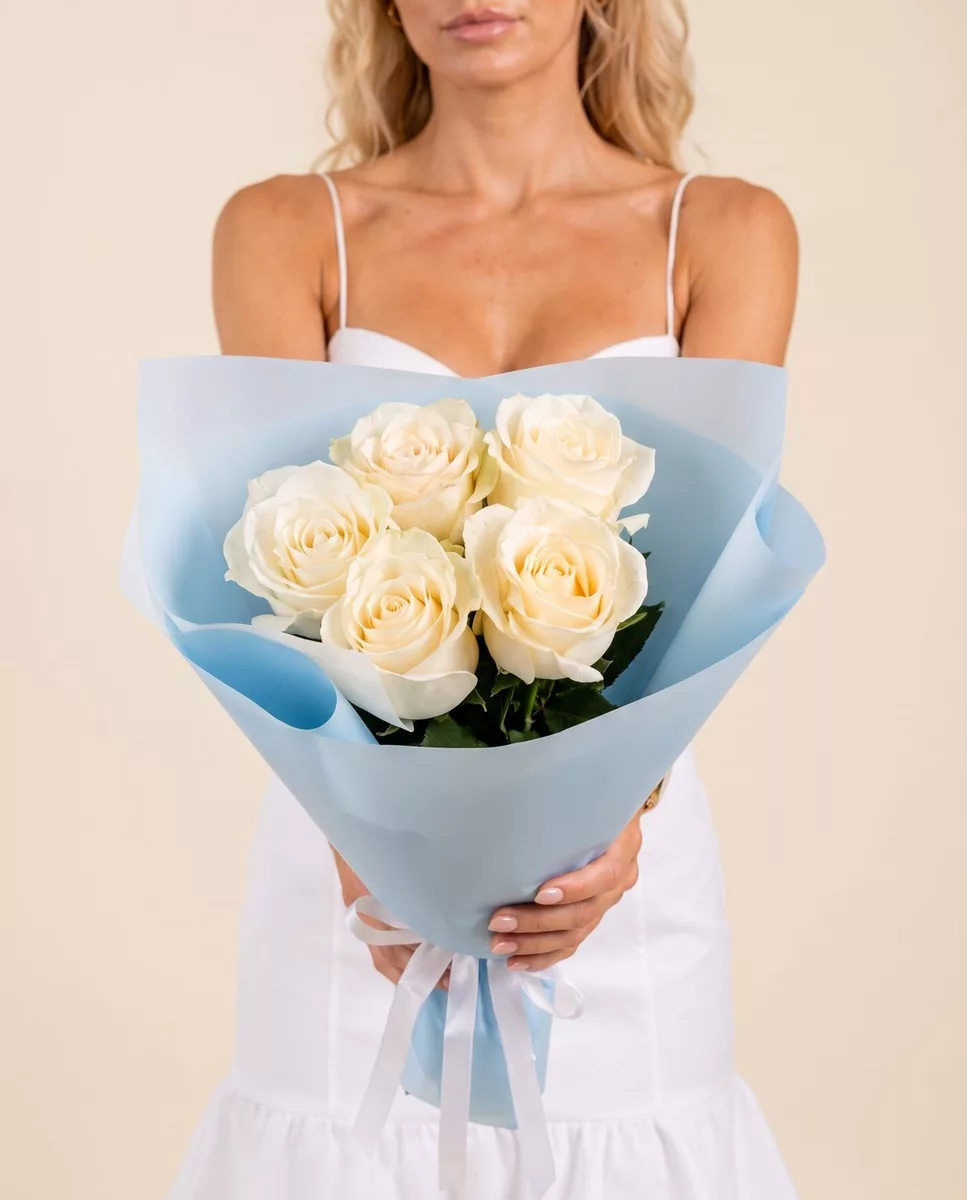
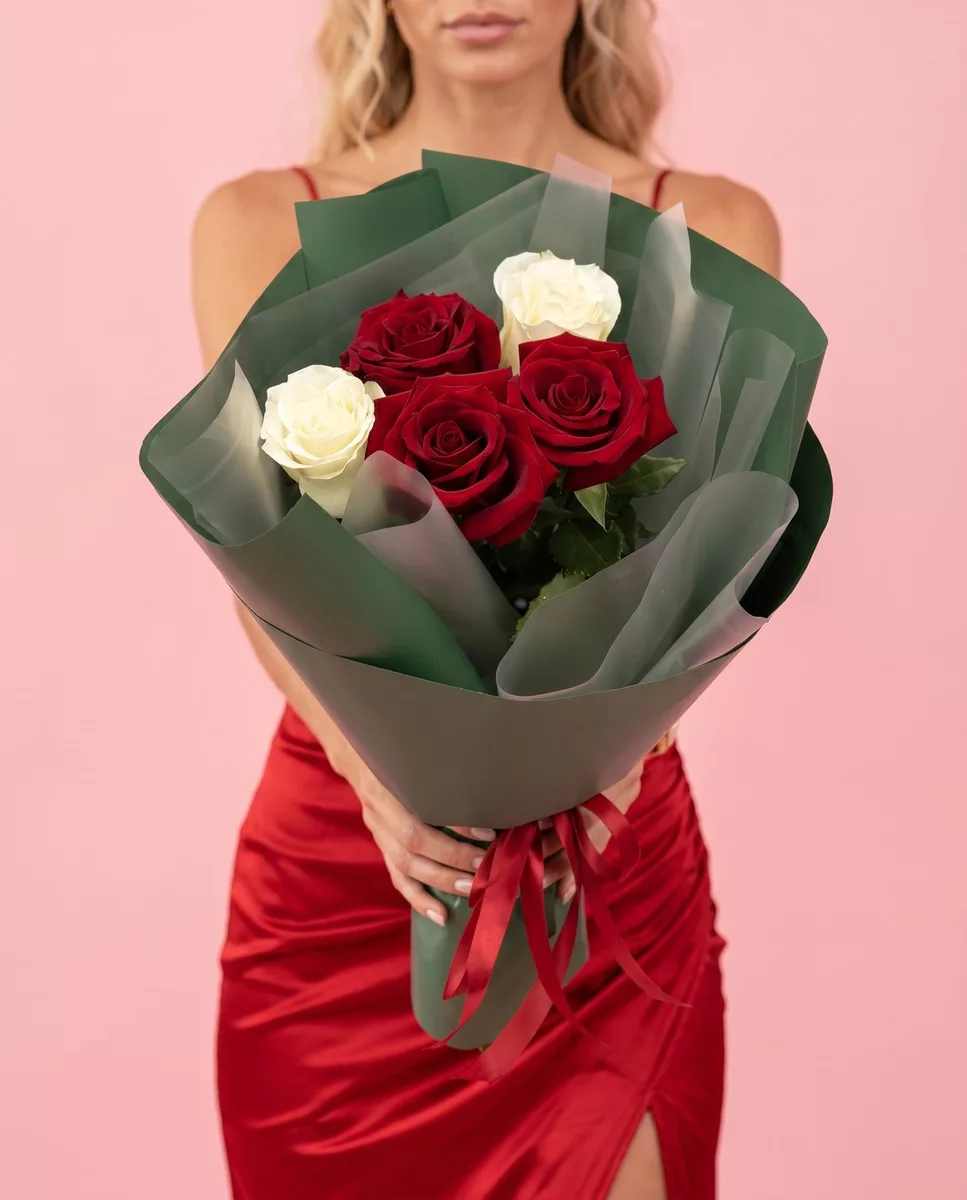
Bouquets we can deliver
Reading the Occasion Before You Choose a Single Stem
Before you think about roses versus peonies, think about the person and the moment. Russian flower-giving culture is generous and expressive, but it follows certain unspoken rules that are worth knowing before you order from abroad. Odd numbers of flowers are given to the living — even numbers are reserved for mourning. If you are sending a mixed bouquet of, say, fifteen stems, that detail is already handled. But if you are tempted to send a clean dozen roses because it feels symmetrical, know that a Russian recipient will notice, and it will read as an oversight rather than elegance.
The occasion shapes everything else. A birthday calls for something abundant and celebratory — think garden roses in full bloom, lisianthus with their ruffled petals, or a generous spray of alstroemeria in warm tones. A professional achievement, like a promotion or a graduation, often suits something more structured: calla lilies, anthuriums, or a tight arrangement of white and cream flowers that reads as sophisticated rather than sentimental. A romantic gesture in Lysva, as anywhere, benefits from red or deep pink roses, but do not underestimate the impact of peonies in season or ranunculus in soft blush tones for something that feels intimate rather than formal.
The recipient's age and personality matter too. A grandmother in Lysva will likely treasure a classic arrangement of chrysanthemums or carnations — flowers that Russian culture has always associated with warmth and home — more than an avant-garde tropical mix. A younger woman might love something looser and more botanical, with eucalyptus, dried grasses, or garden-style roses that feel less like a florist's showpiece and more like something gathered from a beautiful place.
How Lysva's Climate Shapes Which Flowers Survive the Journey
The Ural climate is not forgiving. Winters in Lysva are long and cold, with temperatures regularly dropping to minus fifteen or twenty degrees Celsius between November and March. Summers are short but can be genuinely warm, reaching the mid-twenties. This range has a direct effect on which flowers are appropriate and how they need to be handled.
In winter, delicate tropical flowers like anthurium and orchids need careful insulated packaging to survive even a short outdoor transit. Roses, which are robust and travel well when properly conditioned, are a safer winter choice. Spray roses in particular hold up well in cold because their smaller heads lose moisture more slowly. Chrysanthemums are another reliable winter option — they are cold-tolerant, long-lasting in the vase, and deeply familiar to Russian recipients, which gives them emotional resonance as well as practical durability.
In summer, the risk reverses. Heat and humidity accelerate wilting, which is why the one-to-two-hour delivery window matters even more in July and August. Lisianthus, alstroemeria, and statice all hold reasonably well in summer heat. Peonies, available from late May through June, are the great seasonal treasure — they are beloved across Russia, they are abundant in Perm Krai suppliers during their peak, and they fill a room with scent in a way that no other flower quite matches. If you are sending in late spring, a peony bouquet is almost always the right choice, regardless of the occasion.
Avoid sending flowers that are already fully open when they leave the shop. A bud that opens on the recipient's table is a gift that keeps giving for days.
Choosing a Bouquet by Budget Without Losing the Feeling
Ordering from abroad often means you are working in a foreign currency and estimating value without a local reference point. The most important thing to understand is that in Russian flower culture, presentation and freshness matter more than sheer volume. A tightly composed bouquet of seven garden roses, wrapped beautifully with a handwritten card, lands better than a sprawling arrangement of twenty mixed stems that looks chaotic or tired.
At a modest budget, single-variety bouquets are your ally. A clean arrangement of spray chrysanthemums, alstroemeria, or carnations in a single colour family looks intentional and elegant. These flowers are also hardy travellers, which means the quality you pay for actually reaches the recipient intact. Carnations in particular have unfairly suffered from a dated reputation, but in Russia they remain a flower of genuine affection, and a monochrome carnation bouquet in deep red or soft coral looks striking in any home.
At a mid-range budget, you can introduce mixed textures. Roses paired with lisianthus and a few stems of eucalyptus create a bouquet that feels abundant without being overwhelming. The eucalyptus adds scent, structure, and a slightly wild quality that softens the formality of the roses. This combination works for almost every occasion and almost every recipient.
At a higher budget, think about scale and drama. Large-headed garden roses, peonies in season, or calla lilies in white or deep purple create arrangements that feel genuinely luxurious. A bouquet of twenty-five peonies in blush pink is a statement that needs no explanation in any language. Whatever the budget, always add a personalised message in Russian if you can — even a simple phrase makes the gesture feel complete.
The Practical Steps of Ordering from Outside Russia
Ordering internationally is simpler than most people expect, but there are a few practical points that will save you frustration. The first is time zones. Lysva operates on UTC+5, which means that if you are in Western Europe, you are four hours behind, and if you are on the US East Coast, you are eight hours behind. A same-day order placed at noon your time may be landing in Lysva in the evening — which is fine for a birthday surprise, but worth confirming so the recipient is actually home.
The second point is address accuracy. Russian addresses follow a specific format: city, street, building number, apartment number. Lysva is a smaller city, so many buildings are well-known landmarks, but the courier still needs a precise apartment number and, ideally, an entry code if the building has a secured entrance. Collect this from the recipient's friends or family discreetly if the delivery is a surprise. A failed delivery because of an incomplete address is the most avoidable disappointment in international flower sending.
The third point is payment. Turboflora accepts international payment methods, so you do not need a Russian bank card. The ordering process is available in a format that works for overseas customers. When you place your order, include a note specifying the delivery window you prefer — morning, afternoon, or evening — and any message you want on the card. Russian florists appreciate clear instructions, and a specific request is always more useful than a vague one.
Finally, confirm the recipient's phone number is included. The courier will call ahead in most cases, which is standard practice and ensures the flowers arrive when someone is there to receive them.
Flower Care Instructions Your Recipient in Lysva Will Actually Use
When you send flowers from abroad, you cannot be there to hand over care advice in person. Including a short care note with the bouquet — either on the card or as a printed insert — is a thoughtful detail that dramatically extends the life of the arrangement. Most people in Russia know the basics, but a specific reminder tied to the flowers you chose shows that you thought about the whole experience, not just the purchase.
For roses, the most important step is a fresh diagonal cut at the base of each stem, made with a sharp knife rather than scissors, immediately before placing them in water. Scissors crush the stem cells and reduce water uptake. The vase should be filled with cool, clean water — not cold, not warm — and changed every two days. Remove any leaves that fall below the waterline, as they decompose quickly and cloud the water with bacteria that shortens vase life. Kept this way, fresh roses last seven to ten days.
For lisianthus, the stems are naturally robust and the flowers last ten to fourteen days with basic care. They prefer slightly deeper water than roses and do not need frequent stem trimming. For peonies, cut them when the buds are still firm and just beginning to show colour — they will open fully in the warmth of the room, and that gradual opening is part of the pleasure. Peonies in this state last five to seven days.
In Lysva's dry winter interiors, where central heating pulls moisture from the air, keeping flowers away from radiators and direct heat sources makes a noticeable difference. A cool hallway or a spot near a north-facing window is often the best place for a vase in winter months.
Making the Moment Feel Personal Across the Distance
The flowers are only part of what you are sending. The rest is the message — the card, the timing, the choice that says you thought about this specific person in this specific city rather than clicking the first option available. From abroad, the personal touch requires a little more planning, but it is entirely achievable and it is what the recipient will remember long after the last petal falls.
If you know the recipient's favourite flower, use it. A person who has always loved white tulips will feel more seen by a bouquet of white tulips than by a technically superior arrangement of flowers they feel neutral about. Russian recipients often have strong preferences shaped by childhood memories — a grandmother's garden, a particular holiday, a flower their own mother always kept on the windowsill. If you know that detail, it is worth more than any florist's recommendation.
The card message matters enormously. Write it in Russian if you can, even imperfectly — the effort is always noticed and appreciated. If you are not confident in Russian, write in your own language and include a note asking the florist to add a Russian translation of the key sentiment. Keep the message warm and specific. 'I am thinking of you from far away' is more touching than any formal congratulation.
Timing the delivery to coincide with a meaningful moment — the morning of a birthday, the afternoon of a graduation, the evening of an anniversary — turns a beautiful bouquet into a memory. Lysva is a city where people notice gestures, where community is close-knit, and where flowers arriving at the door from someone overseas will be talked about with genuine warmth. That is the moment you are creating, and it is worth getting right.
Sending flowers to Lysva from abroad is not complicated when you understand the climate, the customs, and the care that goes into a bouquet that travels well. The distance between you and your recipient is real, but the feeling that arrives with a fresh, beautifully composed arrangement in their hands is equally real. Choose for the person, respect the season, get the address right, and trust that a florist who delivers within one to two hours is protecting your gesture every step of the way.
Frequently asked questions
Can I order flowers for Lysva if I do not speak Russian?
Yes. Turboflora's ordering process works for international customers, and you can write your card message in any language. If you want the card translated into Russian for the recipient, include that request in the order notes and the florist will handle it. Clear delivery instructions in English are perfectly understood.
What is the best flower to send to Lysva in winter?
Roses and spray chrysanthemums are the most reliable winter choices because they tolerate cold transit well and last well in centrally heated Russian interiors. Avoid fully tropical flowers like anthuriums unless the shop confirms insulated packaging. A monochrome rose bouquet in deep red or warm cream is both practical and beautiful in winter months.
How far in advance should I order if I am in a very different time zone?
Lysva is UTC+5. Calculate the local time before placing your order and aim for delivery during daylight hours, ideally between 10am and 7pm Lysva time. Ordering the evening before your local time often works well for morning deliveries in Lysva, giving you a comfortable buffer regardless of where you are based.
Why do Russian recipients expect an odd number of flowers?
In Russian tradition, even numbers of flowers are associated with mourning and are brought to funerals. Odd numbers are for the living and are given at every celebratory or affectionate occasion. Most florists compose bouquets in odd numbers automatically, but if you are specifying an exact stem count yourself, keep this in mind to avoid an unintended signal.
How long will the flowers last once they arrive in Lysva?
With basic care — fresh water every two days, a clean diagonal cut on the stems, and a position away from radiators — roses last seven to ten days, lisianthus ten to fourteen days, and chrysanthemums up to two weeks. Peonies in bud last five to seven days and open gradually, which extends the pleasure of the arrangement considerably.
Ready to send flowers?
Pick the city, choose the bouquet, and a local florist takes it from there.
Choose a city →