Sending Flowers to Menzelinsk from Abroad
You are somewhere far from Russia — another country, another time zone — and someone you care about is in Menzelinsk, a quiet city on the Ik River in Tatarstan. You want them to open their door and feel genuinely seen. That gap between intention and delivery is exactly what this article closes. Here is everything a sender outside Russia needs to understand about timing, flower choices, local expectations and how to make sure the bouquet lands the way you imagined it.
Understanding Menzelinsk Before You Order
Menzelinsk is a small city in the Republic of Tatarstan, sitting in the eastern part of European Russia. It has a population of roughly thirty thousand people and a distinctly unhurried, community-oriented character. Knowing this matters when you choose flowers, because a grand theatrical arrangement that suits a Moscow penthouse can feel out of place on a modest residential street here. Warmth and sincerity read better than extravagance.
The city experiences a true continental climate. Winters are cold and long, with temperatures regularly dropping below minus fifteen degrees Celsius from December through February. Summers are warm and relatively short. This affects both what flowers are available at a given time of year and how they survive transit. A bouquet travelling through a heated vehicle in July needs different handling than one delivered in January frost.
Tatarstan is a bilingual republic where Tatar and Russian culture sit side by side. Many residents observe both Russian and Tatar traditions around celebrations, name days and family milestones. As a sender from abroad, you do not need to navigate every nuance, but it helps to know that flowers carry genuine emotional weight here. They are not a casual gesture. Bringing or sending a bouquet signals real effort and real feeling, which is exactly the impression you want to make from thousands of kilometres away.
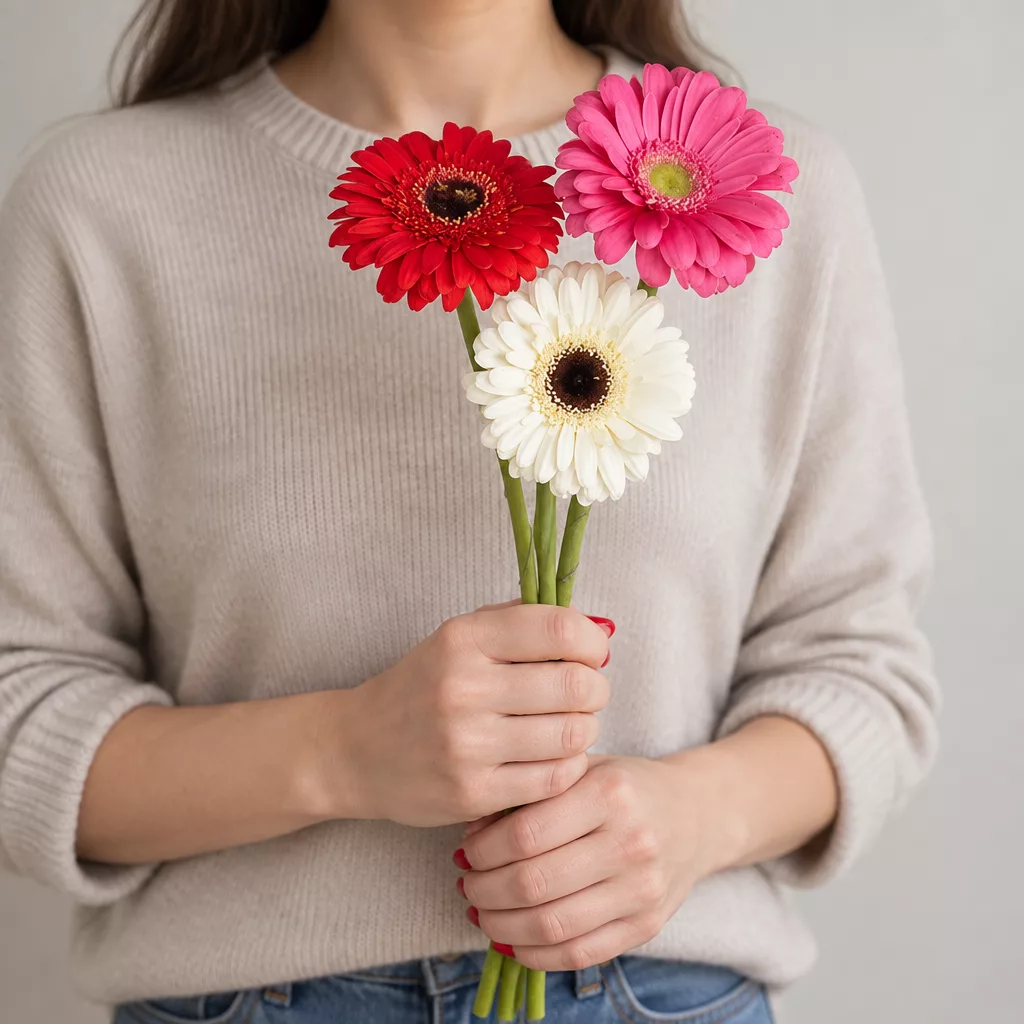
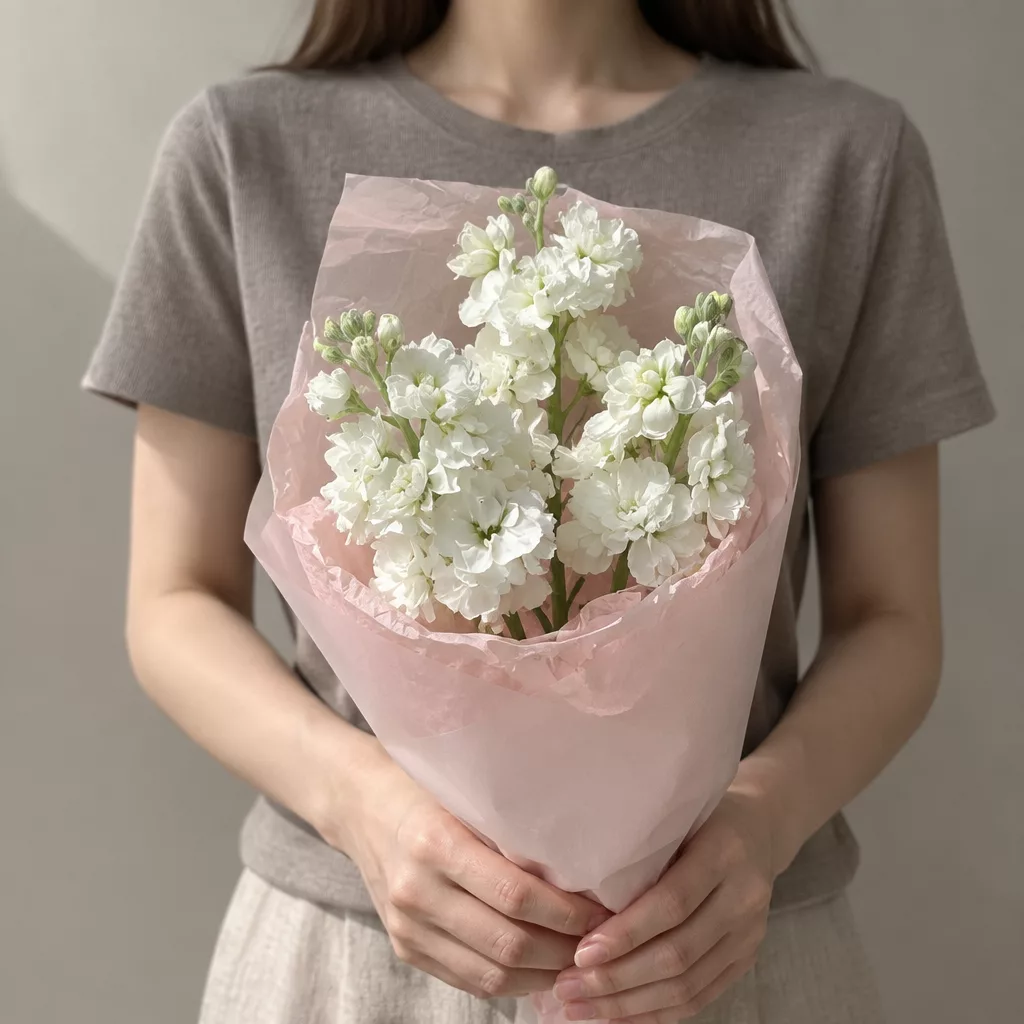
Bouquets we can deliver


Choosing the Right Moment: Time Zones and Delivery Windows
Menzelinsk operates on Moscow Time plus three hours, which is UTC plus five. If you are ordering from Western Europe, you are already three to four hours behind. From North America's east coast, the difference is eight hours. This means that a spontaneous afternoon decision in New York arrives as an evening order in Russia, and you may be working with a tighter delivery window than you realise.
The most reliable delivery slots for a same-day or next-day surprise fall between ten in the morning and seven in the evening local Menzelinsk time. Ordering before noon Moscow time gives the most flexibility. If you are placing an order late in the evening by your own clock, check whether that translates to the following morning in Russia before assuming same-day arrival.
For milestone occasions — birthdays, anniversaries, the birth of a child — scheduling delivery for the morning of the day itself creates the strongest impact. The recipient starts their special day with flowers already in the room. For more spontaneous gestures, two to three hours of lead time is generally sufficient when the address details are complete and correct. Incomplete addresses are the single most common reason deliveries are delayed, so confirm the full street name, building number, apartment number and a working local phone number before you confirm the order. A small amount of extra time spent on address accuracy saves a great deal of frustration later.
What Flowers Suit the Occasion and the Person
Start from the recipient, not the catalogue. A grandmother celebrating her seventieth birthday responds differently to flowers than a young woman receiving a romantic gesture, and both differ from a colleague being congratulated on a promotion. Roses in deep burgundy or soft blush work across almost every warm occasion and are universally understood as a sincere expression of feeling. Garden-style arrangements combining spray roses, lisianthus and eucalyptus read as thoughtful and contemporary without being intimidating.
For romantic gestures, red roses remain the clearest signal, but a monochromatic arrangement of different red and pink varieties — standard roses, spray roses and ranunculus together — has more visual depth and feels less formulaic. If the person you are sending to has a lighter, more playful personality, sunflowers mixed with chamomile and greenery carry warmth and cheerfulness without any heaviness.
For celebrations involving older relatives or family gatherings, chrysanthemums and carnations are genuinely appreciated in Russian culture. They are not considered lesser flowers here the way they sometimes are in Western Europe. A full, round arrangement of white or yellow chrysanthemums with seasonal foliage is a respectful and generous choice. Peonies, when in season from late May through June, are perhaps the most universally beloved flower in Russia and require no explanation — they simply delight almost everyone. Tulips in spring carry the same effortless appeal. Matching the flower to the season and the person, rather than defaulting to the most expensive option, shows real care.
Seasonal Availability and What Changes Through the Year
Ordering from abroad means you may picture flowers that are not at their best in the current Russian season. Understanding the rough seasonal rhythm prevents disappointment and helps you choose something that will genuinely look fresh on arrival.
From January through March, the reliable choices are roses, alstroemeria, gerbera and carnations — all varieties that travel well and hold their condition in cold air. Tulips arrive in abundance from late February, which is fortunate because the eighth of March, International Women's Day, is one of the biggest flower-giving occasions in Russia. Demand is extremely high in the days surrounding that date, so ordering early is essential.
April and May bring lilac, freesia and the first peonies. This is a beautiful window for sending something that feels genuinely seasonal and local. June through August offers the widest variety: peonies at their peak in early summer, sunflowers, lisianthus, hydrangea and garden roses. Summer heat means that ice packs or temperature-controlled transport become more important, and the florist accounts for this in packaging.
September and October shift toward warmer tones — dahlias, eustoma, and richly coloured roses in terracotta and orange shades suit the autumn light beautifully. November and December return to the reliable year-round varieties, with the addition of seasonal greenery and winter textures as the New Year holiday approaches. New Year in Russia is celebrated on the first of January and is the largest gift-giving occasion of the year, so December is another high-demand period worth planning around.
Russian Flower Customs a Foreign Sender Should Know
A few conventions around flowers in Russia differ enough from Western habits that they are worth knowing before you order. The most important is the odd-number rule. Bouquets given as gifts should contain an odd number of stems — one, three, five, seven, eleven, fifteen and so on. Even numbers of flowers are associated with mourning and are brought to cemeteries or memorial occasions. This is not a superstition you can quietly ignore; it is a genuine social convention that the recipient will notice immediately. A professional florist building a gift bouquet already follows this rule automatically, but if you are specifying stem counts in your order notes, keep it odd.
Colour carries meaning too, though less rigidly than the stem-count rule. Yellow flowers have a longstanding association with separation or the end of a relationship in Russian popular belief. This is softening among younger generations in cities, but in a smaller, more traditional city like Menzelinsk it is safer to avoid a purely yellow bouquet for a romantic gesture. Yellow combined with white or orange reads as cheerful and is perfectly fine for birthdays and congratulations.
Presentation matters enormously. A bouquet wrapped in craft paper with a ribbon, or presented in a hat box, signals that real thought went into the gift. Flowers handed over in plain cellophane feel utilitarian. When ordering remotely, specify that you want gift-quality wrapping, and if you have a sense of the recipient's taste — feminine and soft, or clean and modern — mention it. A short handwritten-style card message in Russian, which you can ask the florist to transcribe, adds a layer of warmth that a printed label cannot replicate.
Keeping the Flowers Fresh After Delivery
Once the bouquet is in your recipient's hands, its lifespan depends almost entirely on what happens in the first hour. Most people do not know this, and a beautiful arrangement can fade within two days simply from improper initial care. If you are sending flowers to someone who may not be experienced with fresh arrangements, including a short care note with the delivery is a genuinely kind touch.
The immediate priority is water. Stems should go into a clean vase with fresh, cool water within thirty minutes of arrival. Before placing them in the vase, each stem should be cut at a diagonal angle — about two centimetres from the bottom — using scissors or a sharp knife. This diagonal cut increases the surface area through which the stem drinks. Cutting underwater or immediately before placing in the vase prevents air bubbles from blocking the stem.
Vase life varies by variety. Roses and alstroemeria typically last seven to ten days with good care. Gerbera and sunflowers are closer to five to seven days. Tulips and ranunculus are shorter, around four to six days, but their impact in the first few days is extraordinary. Peonies open dramatically over two to three days and then hold for another four or five. Lisianthus and carnations are among the longest-lasting cut flowers and can stay fresh for ten to fourteen days.
Keep the arrangement away from direct sunlight, heating radiators and fruit bowls — ripening fruit releases ethylene gas which accelerates flower ageing. Change the water every two days and re-cut the stems each time. These small steps double the effective vase life of almost any bouquet.
Making the Order Process Smooth from Any Country
Ordering flowers internationally involves a few practical steps that are worth thinking through before you start. Payment is usually the first question. International bank cards — Visa and Mastercard issued outside Russia — have faced restrictions in recent years due to sanctions, so it is worth checking which payment methods are accepted before you invest time building an order. Many services accept PayPal, cryptocurrency or bank transfer as alternatives. Clarifying this upfront prevents the frustrating experience of completing an order only to find your card is declined at checkout.
The delivery address needs to be complete and precise. In Russia, the standard address format runs: city, street name, building number, apartment or office number. Many buildings in smaller cities also have a door code or intercom number. If the recipient lives in an apartment block, include the floor number and the intercom code if you know it. Without this, the delivery person may be unable to reach the recipient and the bouquet sits in a vehicle.
A working Russian mobile number for the recipient is equally important. Delivery confirmation is almost always done by phone call or text message. If you do not have the recipient's number, consider messaging them in advance to say something is on its way — this does not entirely spoil the surprise and ensures someone is reachable. You can frame it as a small hint without revealing the occasion.
Finally, write your personal message in the order notes with care. Even a few sincere sentences translated into Russian — or written in your own language if that is what you share with the recipient — transform a beautiful bouquet into a complete gift. The flowers carry the feeling, but the words confirm it.
Sending flowers to Menzelinsk from abroad is not complicated once you understand the time difference, the seasonal rhythm, the cultural conventions around stem counts and colour, and the practical steps that keep a bouquet looking its best after it arrives. The distance between you and the person you are thinking of is real, but a well-chosen, properly timed bouquet closes it in a way that a message or a call simply cannot. Someone opens their door, sees flowers, and knows without any ambiguity that they were thought of specifically and deliberately. That is the whole point, and it is entirely achievable from anywhere in the world.
Frequently asked questions
Can I order flowers for Menzelinsk delivery if I am paying from a foreign bank account?
International Visa and Mastercard cards may face processing issues due to current restrictions on cross-border payments into Russia. Before completing your order, check the available payment options on the site. Alternatives such as PayPal or bank transfer are often accepted. Confirming payment method first saves time and avoids a failed checkout after you have already chosen your arrangement.
Why does the number of flowers in a bouquet matter in Russia?
In Russian tradition, an even number of stems is reserved for mourning occasions. A gift bouquet should always contain an odd number of flowers — three, five, seven, eleven and so on. This is not merely a preference; recipients genuinely notice and it affects how the gesture is received. Professional florists follow this rule automatically, but if you specify quantities in your order notes, keep the count odd.
How far in advance should I order for a birthday or anniversary in Menzelinsk?
For a standard occasion, two to three hours of lead time is usually sufficient if the address is complete and a local phone number is provided. For major Russian holidays such as International Women's Day on the eighth of March or New Year, order at least three to five days ahead. Demand spikes sharply around those dates and same-day availability cannot be guaranteed if you wait until the last moment.
Are there flowers I should avoid sending as a romantic gesture in Menzelinsk?
A purely yellow bouquet carries an association with separation or the end of a relationship in Russian popular culture, particularly in more traditional cities. It is safer to avoid an all-yellow arrangement for a romantic occasion. Yellow flowers mixed with white, cream or orange are perfectly cheerful and appropriate for birthdays and congratulations. For romance, roses in red, pink or blush are the clearest and safest choice.
How long will the flowers last after delivery, and what should the recipient do first?
Most bouquets last seven to ten days with basic care. The most important step is immediate: cut each stem diagonally and place in a clean vase of cool water within thirty minutes of arrival. Keep the arrangement away from direct sun, radiators and fruit. Change the water every two days and re-cut the stems each time. Including a short care note with the delivery ensures the recipient knows what to do even if they have little experience with fresh flowers.
Ready to send flowers?
Pick the city, choose the bouquet, and a local florist takes it from there.
Choose a city →