Sending Flowers to Nizhny Novgorod from Abroad: What Actually Works
You are sitting in Berlin, Toronto, or Dubai, and someone you care about is in Nizhny Novgorod waiting for a gesture that words cannot quite carry. Ordering flowers across that distance can feel complicated, but it does not have to be. With the right shop, the right varieties, and a clear understanding of how delivery works in Russia's fifth-largest city, you can have a stunning bouquet at someone's door in one to two hours — fresh, fragrant, and exactly as you imagined it.
Understanding the Time Zone Gap Before You Place Your Order
Nizhny Novgorod runs on Moscow Time plus three hours, which puts it at UTC+3. That single fact shapes everything about ordering from abroad. If you are in New York, the city is eight hours ahead of Eastern Standard Time. London is two hours behind Nizhny Novgorod in winter and one hour behind in summer. Dubai is only one hour ahead. Sydney is seven hours behind local Nizhny Novgorod time.
What this means in practice is that a romantic impulse at nine in the evening in Paris translates to eleven at night in Nizhny Novgorod — late, but still within delivery hours for a service that operates around the clock. A lunch-break order placed from Los Angeles, however, arrives in the late evening local time, which can actually be a pleasant surprise after a long workday.
The smartest approach is to work backwards from the moment you want the flowers to arrive. Think about the recipient's schedule: are they at home, at an office, or celebrating somewhere specific? Nizhny Novgorod is a large city spread across both banks of the Oka and Volga rivers, so address details matter enormously. Specify the district, the building number, the apartment or office number, and a working phone number. A courier who cannot reach the recipient by phone will not be able to complete the delivery, and that is the most common reason a timed surprise goes sideways. Double-check the time zone arithmetic, confirm the address in full, and your order is already off to a strong start.
Bouquets we can deliver


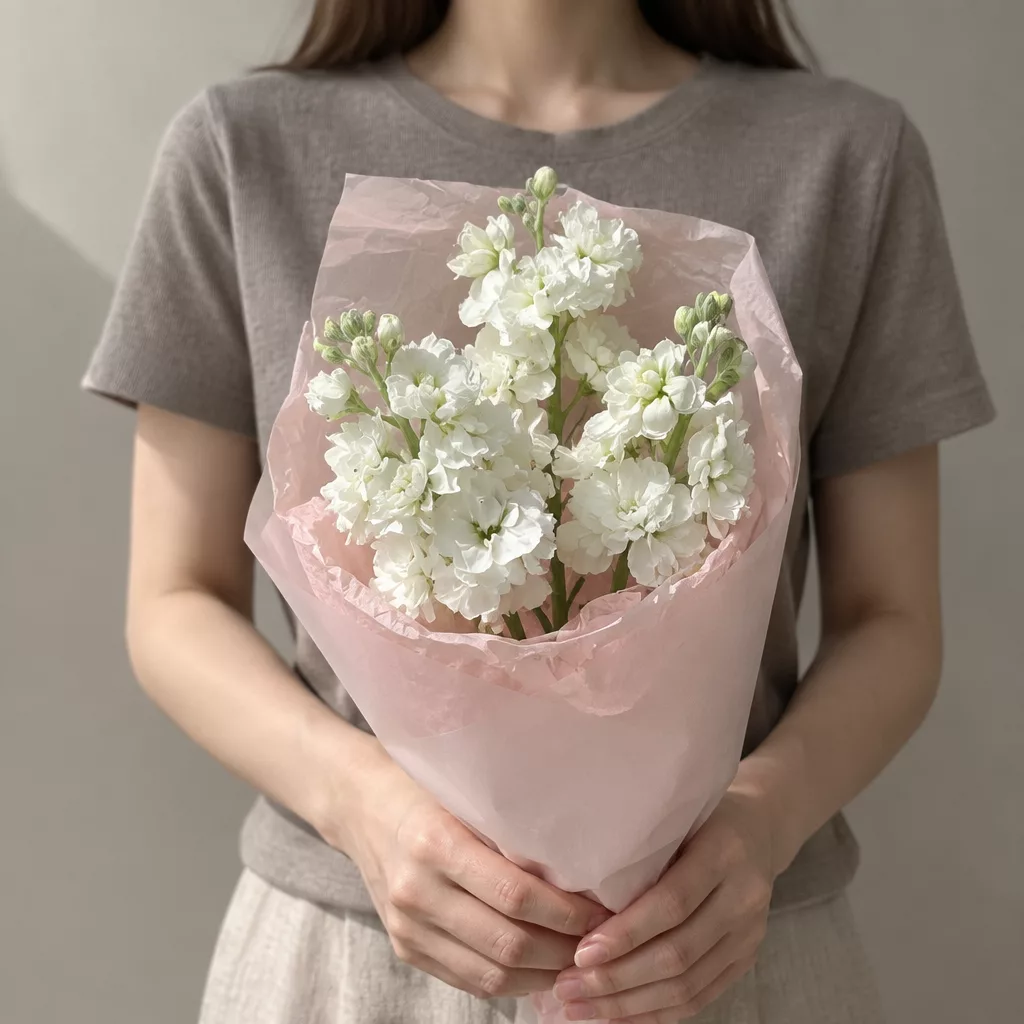
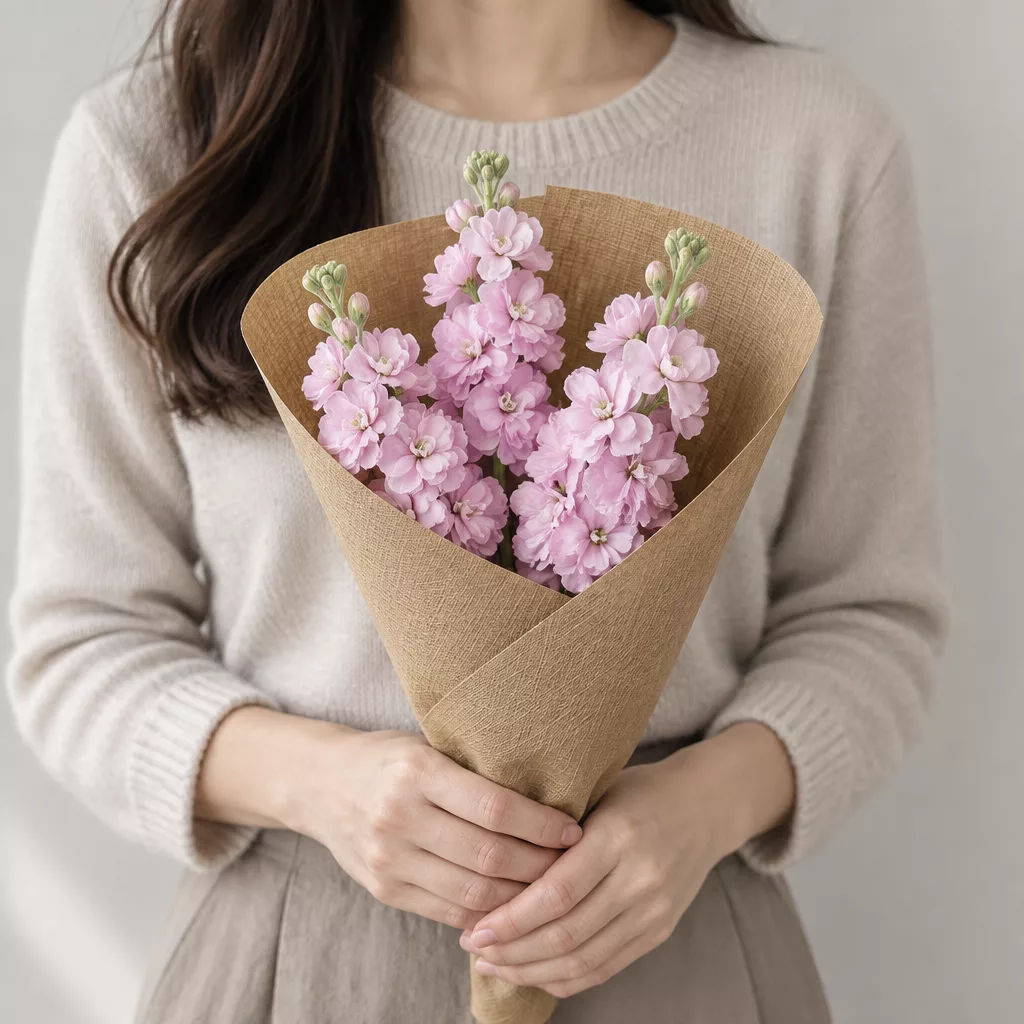
Which Flower Varieties Arrive at Their Best in Nizhny Novgorod
Not every flower handles a Russian winter or a sweltering July equally well, and choosing the right variety is where a florist's knowledge genuinely saves the day. Roses are the backbone of any serious bouquet sent from abroad, and for good reason: Dutch-grown varieties such as Explorer, Avalanche, and Red Naomi have thick petals and strong stems that hold their structure beautifully through transport and temperature changes. Spray roses add texture and volume without overwhelming the main blooms.
For a softer, more romantic look, garden-style ranunculus and lisianthus are excellent choices. Lisianthus in particular is underrated — its ruffled petals resemble peonies but it lasts significantly longer in a vase, which matters when the recipient may not change the water every day. Peonies themselves are spectacular from late May through June, and if your order falls in that window, they are absolutely worth requesting.
Eustoma, alstroemeria, and freesia are practical choices for mixed bouquets because they travel well and fill out an arrangement with genuine elegance rather than filler greenery. Tulips are beloved in Russia and arrive in wonderful condition from October through April when temperatures are cool. In summer, avoid delicate flowers like sweet peas or anemones unless you are confident about same-day delivery, as they wilt quickly above eighteen degrees Celsius.
Greenery matters too. Eucalyptus, ruscus, and pittosporum add depth and a pleasant scent that complements rather than competes with the main blooms. A well-chosen green frame makes even a modest bouquet look considered and generous.
Russian Flower Customs You Should Know Before Choosing a Bouquet
Russia has a few floral traditions that differ noticeably from Western habits, and knowing them helps you avoid an unintentional faux pas while also letting you lean into gestures that will genuinely delight the recipient.
The most important rule is the odd-number convention. In Russia, bouquets with an even number of flowers are associated with mourning and are brought to funerals or left at graves. Always order an odd number: five, seven, nine, eleven, fifteen, or twenty-five. A bouquet of twelve roses, which is perfectly normal in France or the United States, would feel uncomfortable to most Russian recipients. Reputable shops handle this automatically, but it is worth confirming.
Color carries meaning too, though less rigidly than the even-number rule. Red roses are unambiguously romantic and are the go-to choice for a partner or spouse. White flowers are beautiful and appropriate for birthdays, graduations, and professional achievements. Yellow flowers have historically been associated with separation in older Russian culture, though younger generations largely ignore this and simply enjoy them as cheerful and modern. If you are unsure, a mixed bouquet of pink, white, and cream tones is universally safe and genuinely beautiful.
Russians celebrate a remarkable number of occasions with flowers: birthdays, of course, but also March 8th International Women's Day, which is the single biggest flower day in the Russian calendar, February 23rd Defender of the Fatherland Day, graduations, promotions, and even first days at a new job. If your gift coincides with any of these dates, order well in advance, as demand spikes sharply.
How to Write a Card Message That Feels Right in Russian Context
A handwritten card transforms a beautiful bouquet into something truly personal, and getting the message right across a cultural and language gap is easier than most international senders expect.
First, decide on the language. If the recipient reads English comfortably, an English message is warm and personal — it signals that the words came directly from you without translation. If you want the message in Russian, write it out in your own language and request a careful translation from the shop. A good florist will render it naturally rather than word-for-word, which matters because Russian is an inflected language where a literal translation can sound stiff or odd.
Keep the tone genuine rather than formal. Russian recipients appreciate directness and warmth. A simple phrase expressing that you are thinking of someone, that you are proud of them, or that you wish you could be there in person carries more weight than elaborate poetic flourishes. If you know the recipient well, a private reference or an inside joke makes the card unforgettable.
For professional or semi-formal occasions, a brief and respectful message works best. Something like congratulating a colleague on a promotion or wishing a business partner continued success is entirely appropriate and well-received in Russian professional culture, where flowers are a normal part of workplace celebrations.
Avoid overly casual abbreviations or slang that may not translate. Write the message as you would speak it aloud to the person. Include the recipient's name — Russians often use a diminutive form of the first name among friends and family, so if you know that Ekaterina goes by Katya, using that name on the card feels personal and warm rather than distant.
Practical Delivery Logistics for Nizhny Novgorod Addresses
Nizhny Novgorod is a city of over one million people, and its geography has a direct effect on delivery. The city sits at the confluence of the Oka and Volga rivers, dividing it into an upper city on the high bank and a lower city at river level. Districts like Nizhny Novgorod Kremlin area, Gorky Square, and Bolshaya Pokrovskaya Street are central and straightforward. Outer districts such as Avtozavodsky, Sovetsky, and Prioksky require a precise address to avoid delays.
When placing an order, provide the full address in Russian if you can, or in a clearly transliterated Latin form. Include the street name, building number, corpus or block number if applicable, apartment or office number, floor, and any entry code for the main door. Many Russian apartment buildings have an intercom system, and the courier will need the apartment number to ring through. If the building is a gated residential complex, note that as well.
A working local phone number for the recipient is not optional — it is essential. Couriers call ahead to confirm they are on their way and to navigate any last-minute access issues. If the recipient is at work, confirm that flowers can be accepted at the workplace reception or that the person will be available to come down.
For surprise deliveries, you can ask the shop to call you first rather than the recipient, though this requires you to be reachable at the moment of delivery. Consider the time zone difference when making this arrangement. Scheduling delivery for a specific two-hour window is the most reliable way to ensure a fresh, on-time arrival without any logistical drama.
Seasonal Considerations and the Best Times to Order Year-Round
Nizhny Novgorod has a continental climate with real seasons, and each one affects both flower availability and delivery conditions in ways worth understanding before you order.
Winter runs from November through March, with temperatures regularly dropping to minus fifteen or even minus twenty Celsius. Fresh flowers are transported in insulated packaging during these months, and experienced couriers move quickly between vehicle and door. Roses, chrysanthemums, and alstroemeria handle cold transit well. Tropical flowers like anthuriums and birds of paradise are more vulnerable to cold shock and are best avoided for outdoor winter deliveries unless the transit time is very short.
Spring is glorious for flowers. April brings tulips, narcissus, and hyacinths in abundance. May and June are peak season for peonies, which Russians adore and which look spectacular in large, generous bouquets. If you have any flexibility on timing, a May birthday or anniversary is a wonderful excuse to order peonies.
Summer in Nizhny Novgorod can be warm and humid, with July and August occasionally reaching thirty degrees Celsius or above. Flowers need to move quickly in this heat. Same-day ordering and a precise delivery window matter more in summer than at any other time of year. Sunflowers, gerberas, and zinnias are seasonally appropriate and handle warmth better than many other varieties.
Autumn brings dahlias, asters, and the last of the summer roses. September and October are beautiful months for rich, jewel-toned arrangements in burgundy, amber, and deep orange — colors that feel entirely at home against the backdrop of Nizhny Novgorod's famous autumn foliage along the Volga embankment.
Sending flowers from abroad to Nizhny Novgorod is one of the most direct ways to close a geographic distance and remind someone that they are genuinely in your thoughts. The key ingredients are simple: choose varieties suited to the season, respect the odd-number tradition, provide a complete address with a working phone number, and account for the time zone when you want the delivery to land at just the right moment. A florist who knows the city, stocks fresh stems daily, and handles the full journey from arrangement to doorstep makes the rest effortless. The person in Nizhny Novgorod opens their door to something beautiful, and they know immediately that someone far away was thinking of them. That is the whole point, and it works every time.
Frequently asked questions
Can I order flowers for Nizhny Novgorod in the middle of the night from my time zone?
Yes. Orders are accepted around the clock, and delivery operates throughout the day and evening in Nizhny Novgorod. The key is to calculate the local time in the city before confirming your preferred delivery window. Nizhny Novgorod is UTC+3, so check the offset from your location and schedule accordingly to make sure the recipient is actually available to receive the bouquet.
Why do Russian bouquets always have an odd number of flowers?
In Russian tradition, even numbers of flowers are reserved for funerals and mourning. Giving an even-numbered bouquet at a celebration or as a romantic gesture would feel deeply inappropriate to most recipients. Odd numbers — five, seven, eleven, fifteen — are always the right choice for any joyful occasion, and any reputable Russian florist follows this convention automatically when assembling arrangements.
What is the safest flower choice if I do not know the recipient's personal taste?
A mixed bouquet built around cream or blush roses, white lisianthus, and eucalyptus greenery is universally flattering and appropriate for virtually any occasion or recipient. It reads as elegant and thoughtful without being overly romantic or too casual. If you know the person loves a particular color, lean into that — but when in doubt, soft neutral tones never disappoint.
How far in advance should I order for March 8th International Women's Day?
March 8th is the busiest single day in the Russian flower calendar, comparable to Valentine's Day in Western countries but on an even larger scale. Demand surges dramatically in the days before and on the day itself. Placing your order at least three to four days ahead is strongly advisable. Same-day ordering on March 8th is possible but carries a higher risk of delays due to the sheer volume of deliveries citywide.
What information do I absolutely need to have ready before placing an order?
You need the recipient's full address including street, building number, apartment or office number, and any door entry code. A working local phone number for the recipient is essential — couriers use it to coordinate arrival. You should also know the preferred delivery date and time window, and have a clear idea of the occasion so the florist can suggest the most suitable arrangement and card message.
Ready to send flowers?
Pick the city, choose the bouquet, and a local florist takes it from there.
Choose a city →