How to Send Flowers to Novokuznetsk from Another Country
You are sitting in Berlin, Dubai, or Toronto, and someone you love is spending their birthday, anniversary, or first day in a new home in Novokuznetsk. The distance feels enormous, but a bouquet of fresh flowers arriving at their door within hours makes it feel much smaller. Ordering across time zones and borders sounds complicated, but once you understand a few practical things — the city, the climate, how Russian flower customs actually work — the whole process becomes straightforward and genuinely moving for the person on the receiving end.
Understanding Novokuznetsk Before You Order
Novokuznetsk sits in the Kemerovo region of Siberia, in the Kuznetsk Basin — a large industrial city of around 550,000 people. It is not a tourist destination, which means your recipient will feel the gesture even more keenly than someone in Moscow or Saint Petersburg might. Flowers are not an everyday luxury here, and a well-chosen bouquet carries real emotional weight.
The city has a continental climate with serious winters. From November through March, outdoor temperatures regularly fall below minus fifteen degrees Celsius, sometimes reaching minus thirty. This matters enormously for flower delivery. Delicate open blooms — garden roses, anemones, sweet peas — suffer in that cold, even during a short journey from a vehicle to a front door. You want varieties that travel well and hold their composure in the cold.
Summer in Novokuznetsk is genuinely warm, often reaching twenty-five to thirty degrees in July and August, so the seasonal picture flips entirely. In summer, the concern shifts to heat and wilting rather than frost damage. Knowing the season when you place your order helps you choose the right flowers and ask the right questions. Think of it as dressing the bouquet for the weather, the same way you would dress a friend heading out into that city on that particular day.
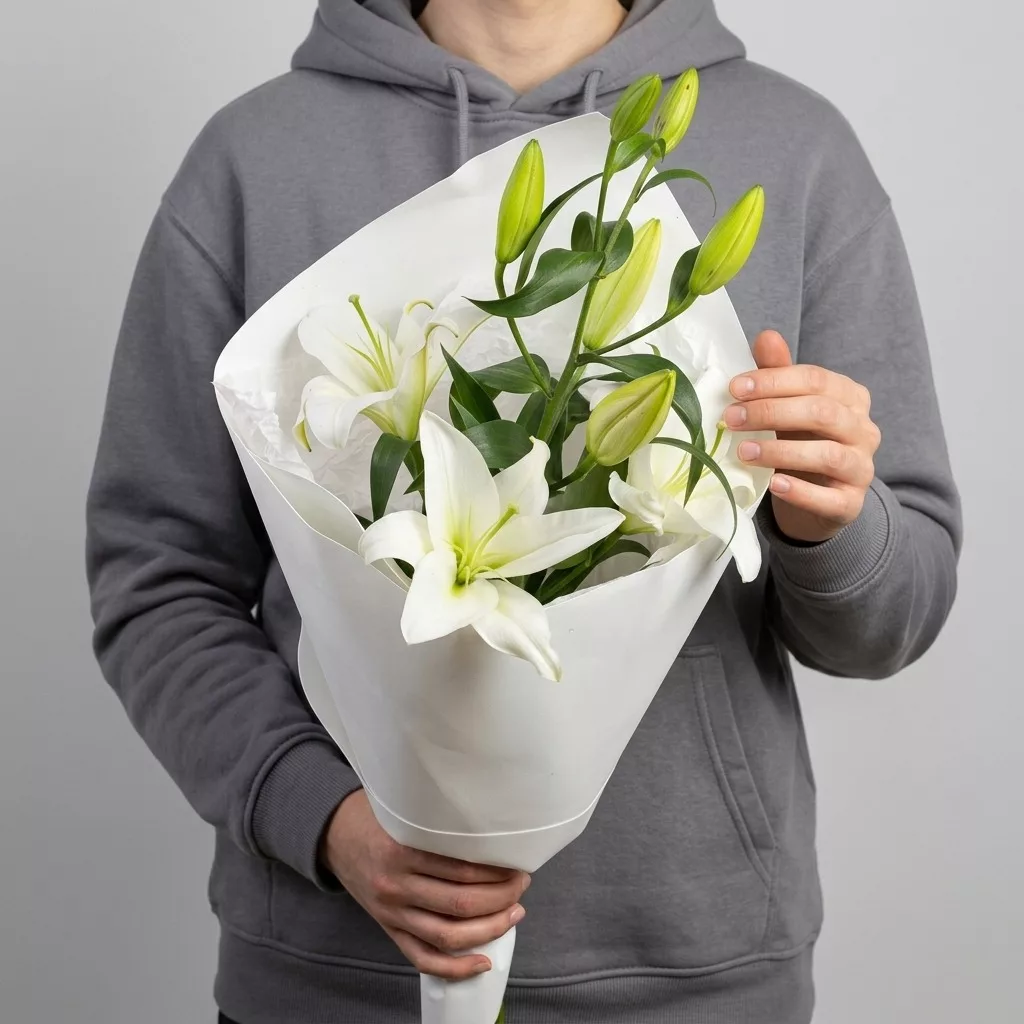
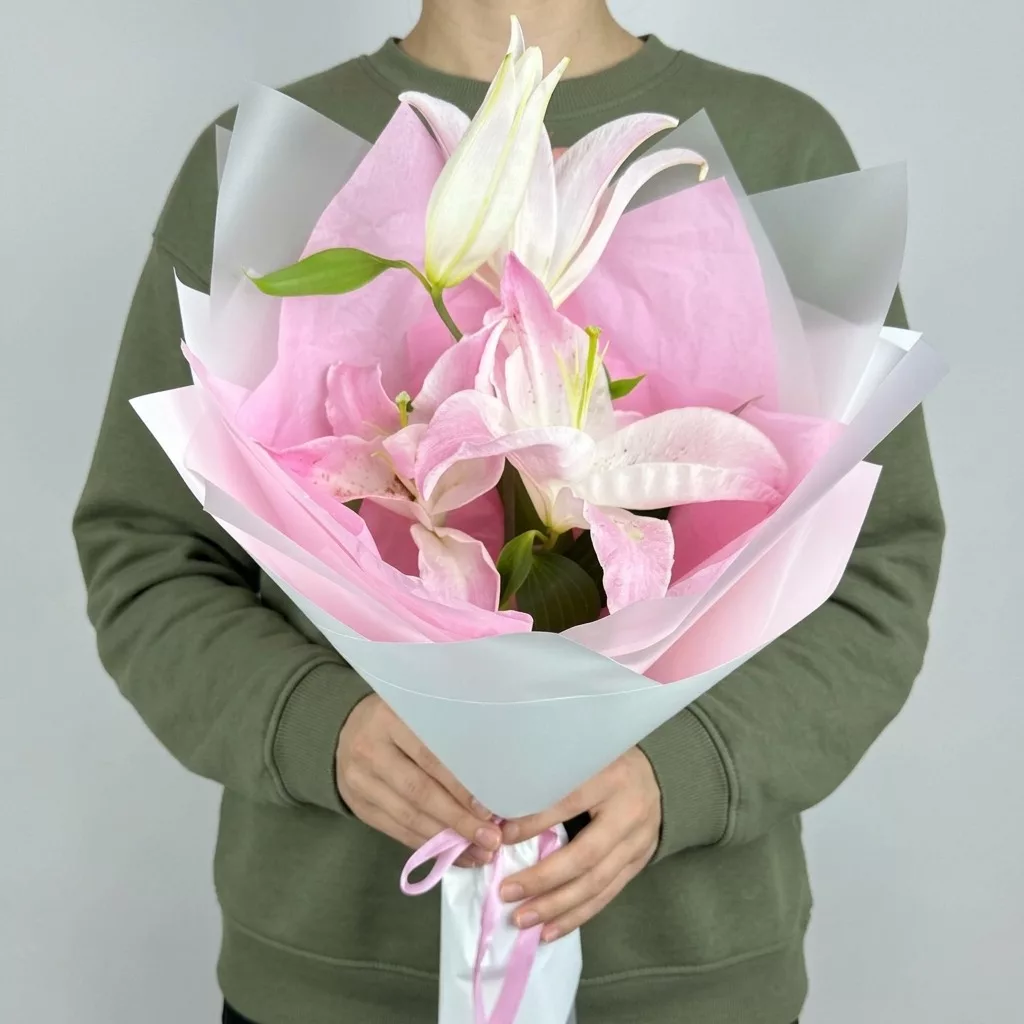
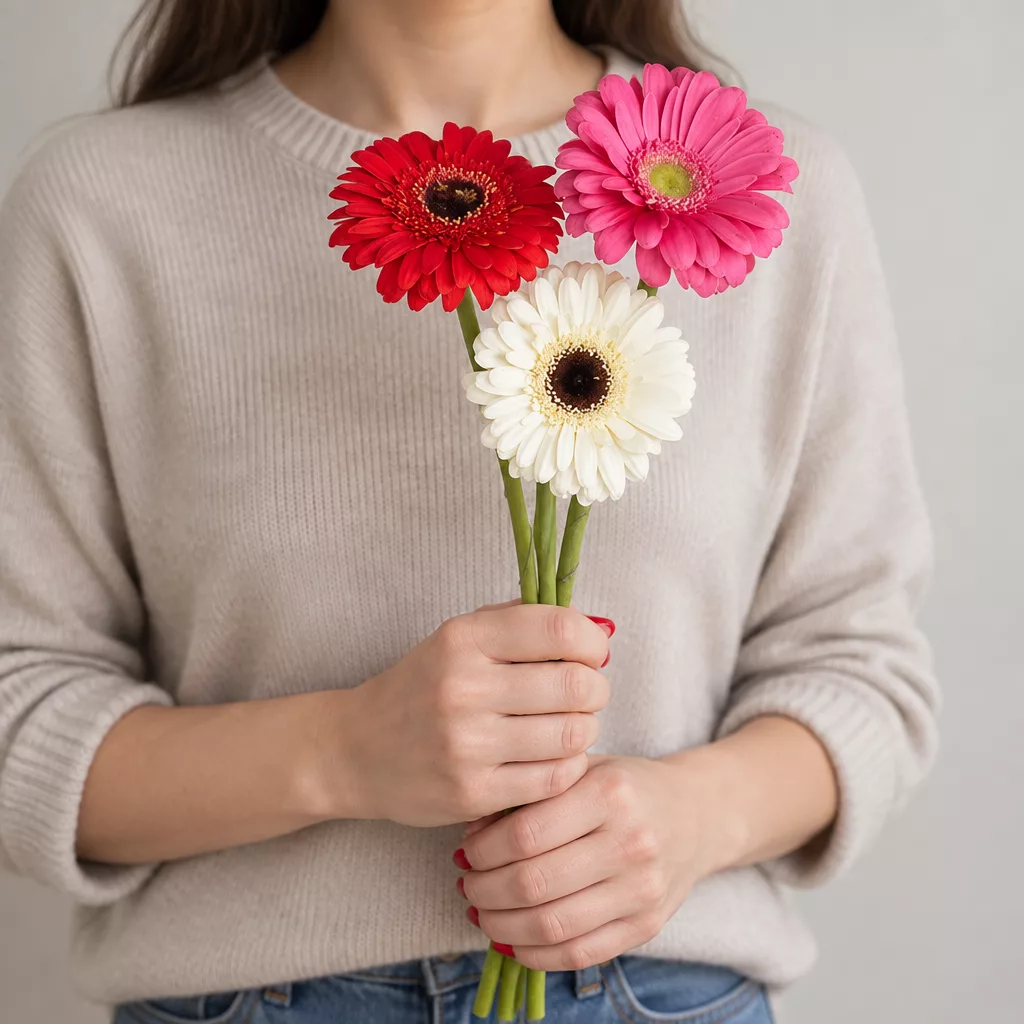
Bouquets we can deliver

What Russian Flower Customs Mean for Your Order
If you are sending flowers from outside Russia, a few local customs are worth knowing so your bouquet lands exactly right. The most important rule is the odd-number tradition. In Russia, even numbers of flowers are associated with mourning and funerals, so bouquets for celebrations, birthdays, and romantic occasions always contain an odd number of stems — five, seven, eleven, fifteen, and so on. This is not superstition to be dismissed; it is a deeply held social convention, and receiving an even-numbered bouquet can genuinely unsettle a Russian recipient. Any professional florist working in Russia will follow this rule automatically, but it is worth knowing so you understand why your order confirmation might say eleven roses rather than ten.
Colour carries meaning too, though less rigidly than the odd-number rule. Red roses signal romantic love clearly and unambiguously. White flowers are beautiful for new beginnings, graduations, and congratulations. Yellow flowers were once considered unlucky in Soviet culture, but that association has softened considerably among younger generations, and a bright yellow sunflower arrangement now reads as cheerful and warm rather than ominous. Mixed palettes — blush pinks, creams, soft corals — work across almost every occasion and demographic, making them a safe and lovely choice when you are not certain of the recipient's personal taste.
Presentation matters enormously in Russian flower culture. A generous, lush arrangement wrapped in craft paper or soft fabric, with a handwritten card, signals that real thought went into the gift. Russians notice the difference between a perfunctory bunch and a considered bouquet.
Choosing Flowers for the Occasion and the Season
Start with the person and the moment before you think about varieties. A colleague celebrating a promotion deserves something confident and structured — perhaps spray roses in warm tones mixed with lisianthus and eucalyptus. A mother receiving flowers on her birthday might love something softer and more romantic, like garden-style roses combined with ranunculus and dusty miller. A friend who has just moved into a new apartment would appreciate something bright and long-lasting, like alstroemeria or chrysanthemums, which hold their colour for ten days or more in a vase.
In winter, the practical choice and the beautiful choice often overlap. Roses — particularly the large-headed Ecuadorian varieties — travel exceptionally well in cold weather and arrive looking composed and fresh. Hypericum berries add texture and hold up in the cold. Carnations, often underestimated, are genuinely resilient and come in a wide range of colours. Avoid anything with very open petals or fragile structure in deep winter.
In summer, you have more freedom. Sunflowers, peonies in season, dahlias, and eustoma all thrive and look spectacular in warm months. Peonies have a short natural season in late spring and early summer, and if your recipient loves them, that window is worth catching. In autumn, the rich tones of chrysanthemums, solidago, and hypericum create arrangements that feel deeply seasonal and generous. Matching the bouquet to what is genuinely fresh at the moment of delivery always produces a better result than insisting on a specific variety that is out of season.
Timing Your Order Across Time Zones
Novokuznetsk operates on Kemerovo Time, which is UTC plus seven hours. When you are placing an order from Western Europe, you are typically five to six hours behind Novokuznetsk. From the east coast of North America, the difference is ten hours. From the Gulf region, you are four hours behind. These gaps matter because delivery windows are real, and a bouquet ordered at what feels like midday to you might already be evening in Novokuznetsk.
The most reliable approach is to order the day before the occasion, specifying a morning or early afternoon delivery window for the recipient's local time. This gives the florist time to prepare the arrangement properly and ensures the flowers arrive when someone is actually home to receive them. A bouquet left outside an apartment door in a Siberian winter, even for twenty minutes, can suffer.
For same-day delivery, check what time it is in Novokuznetsk before you place your order — not your local time. If it is already past midday in Novokuznetsk, a same-day morning delivery is not possible, but an afternoon or evening slot might still be. Being clear about the delivery window you want, and confirming it is feasible given the time difference, avoids the most common disappointment international senders experience. Always include the recipient's phone number when ordering — a delivery driver who can call ahead makes the whole process smoother for everyone, especially in a city where apartment buildings often have multiple entrance codes or intercom systems.
Budgeting Thoughtfully Without Losing the Feeling
When you are sending flowers internationally, it helps to think in three tiers based on what you want the moment to feel like, rather than fixating on a specific stem count. A modest but genuinely beautiful arrangement — five to seven stems of quality roses or spray roses with complementary greenery — delivers warmth and care without excess. This is the right choice for a thank-you, a get-well wish, or a friendly congratulation.
A mid-range arrangement steps up to something more abundant: eleven or fifteen stems, a mix of two or three varieties, perhaps roses combined with lisianthus and ruscus, or sunflowers paired with alstroemeria and decorative grasses. This reads as a proper celebration bouquet and works well for birthdays, anniversaries, and promotions. The mix of textures and heights makes it look considered and generous without being overwhelming.
For a truly significant occasion — a major anniversary, a marriage proposal supported from afar, a parent's landmark birthday — a large, structured arrangement of twenty or more stems, combining premium roses with supporting varieties and a beautiful wrap, creates a moment the recipient will remember and photograph. Adding a small box of chocolates or a soft toy alongside the flowers is common in Russian gift culture and elevates the gesture further.
Whatever your budget, prioritise stem quality and freshness over raw quantity. Seven perfect, fully hydrated roses with healthy foliage will always outperform twenty stems that have been in transit too long. Ask about what is freshest on the day of delivery and trust that guidance — a good florist will steer you right.
Helping Your Recipient Care for Their Flowers
A beautiful bouquet deserves a good life in the vase, and many people in Russia — as everywhere — were never taught the basics of flower care. Including a short care note with the delivery is a lovely touch, and knowing these tips yourself means you can share them in your message.
The first thing your recipient should do when the flowers arrive is trim the stems. Cutting at an angle, about two centimetres from the bottom, under running water or in a bowl of water, prevents air from entering the stem and blocking water uptake. This single step adds several days to vase life. If the bouquet arrives wrapped, unwrap it gently and place the stems in cool, clean water within the first thirty minutes.
Vase water should be changed every two days. Each time the water is changed, a fresh trim of the stems helps enormously. Keep the arrangement away from direct sunlight, radiators, and draughts — in a Novokuznetsk apartment in winter, central heating runs continuously and creates very dry air, which shortens flower life. A cool spot in the room, away from the heating unit, is ideal.
Remove any leaves that fall below the waterline immediately, as they rot and cloud the water, encouraging bacteria that shorten the life of the whole arrangement. With proper care, roses typically last seven to ten days, lisianthus and alstroemeria ten to fourteen days, and chrysanthemums up to two weeks. A recipient who knows these basics will enjoy their gift for much longer, and that extended pleasure is part of what makes flowers such a thoughtful choice from far away.
Sending flowers to Novokuznetsk from another country is one of the most personal things you can do across a long distance. The city is far from the centres that most international senders think of first, which is exactly why the gesture lands so powerfully. Your recipient knows you thought specifically about them, in their city, on that day. With the right variety for the season, the timing handled carefully across time zones, and a little knowledge of Russian customs, the bouquet that arrives at their door will feel like you were almost there in person.
Frequently asked questions
Can I order flowers for Novokuznetsk delivery if I do not speak Russian?
Yes, entirely. You can place your order in English, specify the recipient's address and phone number in Latin characters, and the delivery team will handle the local communication. Including the recipient's phone number is the most important practical step — it allows the driver to coordinate arrival and navigate apartment building entry systems without any language barrier.
How far in advance should I order to guarantee delivery on a specific date?
Ordering the day before is the safest approach for international senders, particularly those working across a significant time difference. It gives you time to confirm the order during business hours in Novokuznetsk, choose the right delivery window, and make any adjustments. For same-day delivery, check the current local time in Novokuznetsk — UTC plus seven — before placing your order.
Which flowers survive Novokuznetsk winters best?
Large-headed roses, particularly Ecuadorian varieties, are the most reliable in cold weather because their sturdy petals and thick stems handle brief exposure to low temperatures well. Carnations and hypericum berries are also excellent winter choices. Avoid fully open, delicate blooms like anemones or sweet peas in the coldest months, as even a short walk from a delivery vehicle to a building entrance can damage them.
Is it appropriate to send flowers to a man in Russia?
Yes, though the choice of arrangement matters. Men typically receive flowers for significant occasions — birthdays, professional milestones, graduations. A structured, bold arrangement works better than a soft romantic bouquet: think sunflowers, large roses in deep red or orange, or a striking combination of chrysanthemums and tropical foliage. The gesture is entirely accepted and appreciated when the style fits the person.
What should I write on the card if I want the message to feel personal?
Write in whatever language you share with the recipient — there is no need to translate into Russian unless you want to. A short, specific message lands better than a generic one: mention the occasion, use their name, and say one concrete thing you appreciate about them. The florist can print the message on a card that accompanies the bouquet, so even a few heartfelt sentences become part of the moment.
Ready to send flowers?
Pick the city, choose the bouquet, and a local florist takes it from there.
Choose a city →