Sending Flowers to Novouzensk from Abroad? Here Is What You Need to Know
You are sitting in Berlin, Toronto, or Dubai, and someone you love is in Novouzensk — a quiet city on the Volga steppe in Saratov Oblast. You want to send flowers, but you are not sure how deliveries work there, what varieties will survive the journey, or what Russian customs expect. This guide is written for exactly that situation, with the kind of honest detail a working florist would give a trusted customer.
What Novouzensk Is Like and Why It Matters for Your Order
Novouzensk sits in the far southeast of Saratov Oblast, close to the border with Kazakhstan. The climate here is continental and unforgiving — summers push well above 35 degrees Celsius, and winters drop sharply below minus 20. That range matters enormously for cut flowers, because a bouquet left on a doorstep in July heat or January frost for even twenty minutes will suffer visibly.
The city itself is smaller and more residential than Saratov, which means the occasion you are marking carries extra weight. Flowers arriving here feel personal and deliberate, not routine. Neighbours notice. The recipient will almost certainly tell people about the bouquet, so presentation and freshness matter as much as the flowers themselves.
When you order from abroad, you are working across time zones. Novouzensk follows Moscow time, which is UTC plus three. If you are in New York, that is an eight-hour gap; from London, three hours; from Tokyo, six hours ahead of Moscow. Place your order with that arithmetic in mind, and aim for a delivery window in the late morning or early afternoon local time, when someone is most likely to be home and the temperature is still manageable before the midday peak in summer.
Bouquets we can deliver

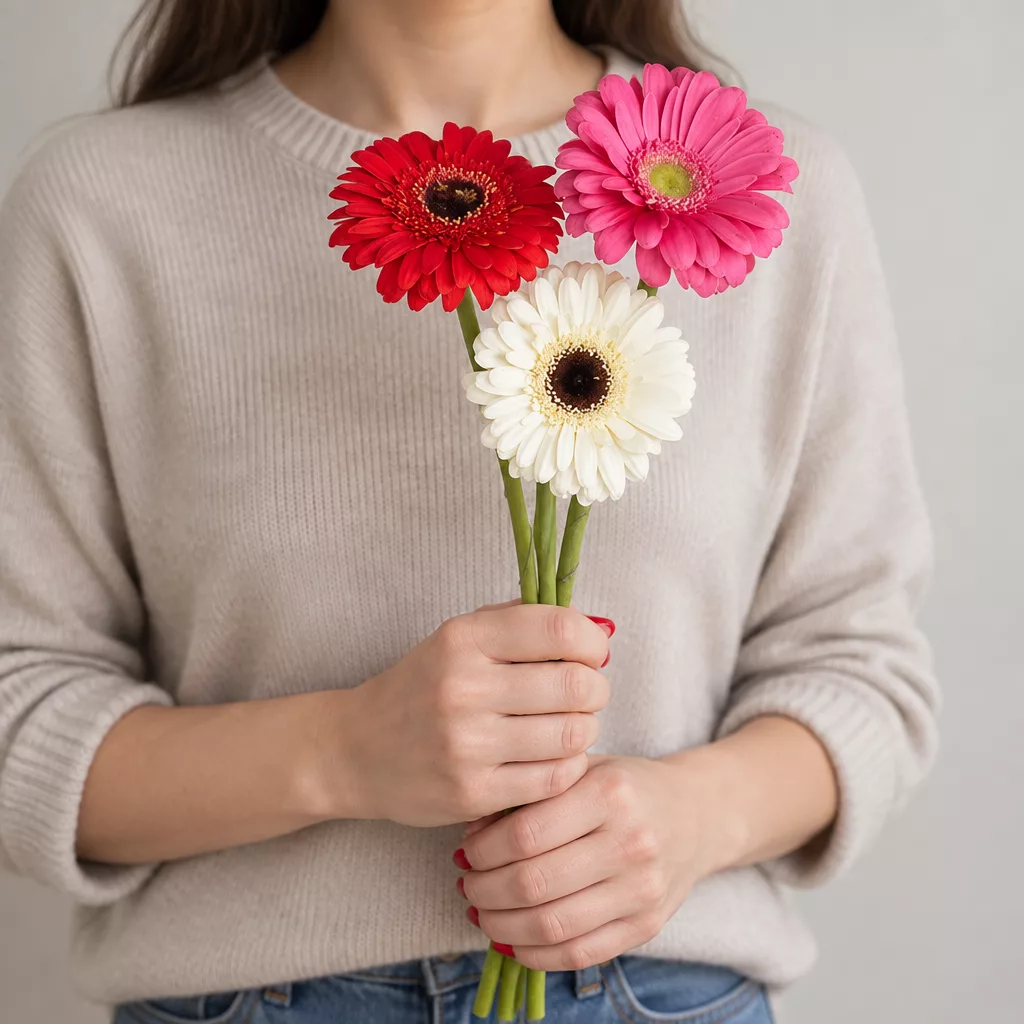

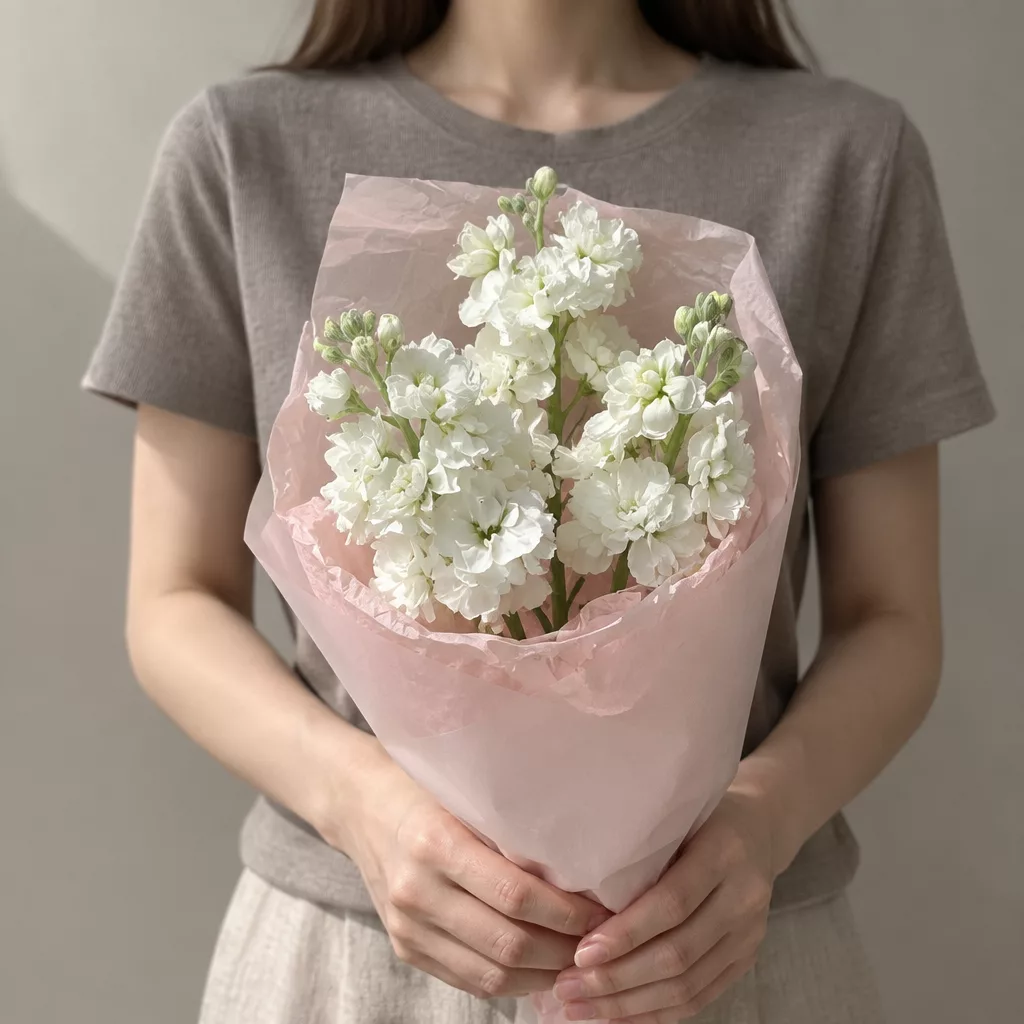
Choosing the Right Occasion Tone Before You Choose the Flowers
Russian flower-giving culture has a few unspoken rules that a sender from abroad should understand before selecting varieties. The most important is the odd-number rule: bouquets are always given in odd numbers — three, five, seven, eleven stems. Even numbers are reserved for memorial occasions, so a neat dozen roses would send entirely the wrong message. This applies whether you are sending for a birthday, a professional achievement, a new home, or simply because you miss someone.
Colour carries meaning too, though it is more relaxed than the odd-number rule. Red roses signal romance clearly. White flowers, especially chrysanthemums, are associated with formal mourning in Russia, so avoid all-white arrangements unless you know your recipient well and the context is celebratory. Bright mixed bouquets — sunflowers with alstroemeria, or spray roses with eucalyptus — read as joyful and warm across almost every occasion.
Think first about who will receive the flowers and what you want them to feel when they open the door. A grandmother celebrating her birthday will respond differently to a lush peony arrangement than to a graphic, architectural bouquet of anthuriums. A young professional who just passed her university exams wants something energetic and colourful. Let that feeling guide your variety choices, and the rest of the decisions become easier.
Which Varieties Hold Up Best in Novouzensk's Climate
Not every flower travels equally well through Saratov Oblast's extremes. For summer orders, when temperatures in Novouzensk regularly exceed 30 degrees Celsius, you want varieties with strong cell walls and low water loss. Chrysanthemums, alstroemeria, and spray roses are reliable choices. Lisianthus holds surprisingly well in heat when it is properly hydrated before dispatch. Gerberas are cheerful and popular but need careful handling in high temperatures — they are a better choice from September through May.
In winter, the challenge reverses. Tropical varieties like orchid stems and anthuriums are sensitive to cold shock — anything below 10 degrees Celsius causes dark patches on the petals within hours. For January or February deliveries, garden roses, carnations, and waxflower are more forgiving. Tulips, which are enormously popular in Russia from late February onward around International Women's Day on March 8th, handle the cold well but need water immediately on arrival.
Spring and autumn are the most forgiving seasons. From April through June and again from September through October, you can order almost any variety with confidence: peonies in May and June, sunflowers in late summer, dahlias in September. If you are ordering for a milestone occasion and the date is flexible, choosing a late-spring or early-autumn window gives the widest selection and the best vase life for the recipient.
How to Structure Your Order When You Are Outside Russia
Ordering from abroad is straightforward once you know the steps. The website and order form are available in Russian and English, and payment can be completed with international cards. The key detail is the recipient's address: include the full street name, building number, apartment number if applicable, and the city name written as Novouzensk. Russian addresses list the country and city first, then the street, then the building — but for the order form, just fill in the fields as prompted and the logistics team handles the formatting.
Provide a working Russian mobile number for the recipient. This is the most common point of failure for international senders. The courier will call ahead to confirm someone is home, and without a reachable number, the delivery window becomes uncertain. If you do not have the recipient's number, ask a family member or friend in Russia who does, or include a message asking the recipient to call the number on the card when they are ready.
Write your card message in the order notes. You can write it in English, Russian, or any language — the message is printed exactly as you write it. Keep it short enough to fit a standard gift card, roughly two to four sentences. If you want the message to feel warm in Russian but you are writing in English, you can request a simple translation note in the order comments and the team will help where possible.
Timing Your Delivery for the Moment That Counts
The best deliveries are the ones that arrive when the moment is right, not just when the logistics allow. For a birthday, aim for morning delivery so the recipient starts the day with flowers on the table. For an anniversary or a congratulations gift after an exam result, early afternoon works well — the day has already unfolded and the flowers feel like a celebration of what happened. For a surprise, coordinate with someone locally who can ensure the recipient is home without giving away the reason.
Novouzensk is served on a same-day and next-day basis depending on when the order is placed. Because of the time zone difference, an international sender placing an order at 9 a.m. in London is already noon in Moscow and mid-afternoon in Novouzensk. Same-day delivery for that order may still be possible if placed promptly, but next-day morning delivery is more comfortable and gives you a confirmed window to communicate to the recipient or their family.
Russian public holidays are worth checking before you order. Around New Year from December 31st to January 8th, International Women's Day on March 8th, and Victory Day on May 9th, demand for flowers spikes sharply and advance ordering becomes important. For Women's Day in particular, which is the single largest flower-giving day in Russia, place your order at least four to five days ahead if you are sending to a smaller city like Novouzensk.
Combinations and Presentation That Feel Considered, Not Generic
A single-variety bouquet of one colour reads as elegant and intentional. A mixed arrangement reads as abundant and celebratory. Neither is wrong — the choice depends on the recipient's personality and the occasion's weight. For a formal congratulation, a structured bouquet of garden roses in a single shade, wrapped in kraft paper with a satin ribbon, feels respectful and polished. For a birthday among close family, a loose, generous mix of alstroemeria, spray roses, solidago, and seasonal greenery feels like a hug.
Greenery matters more than most people think. Eucalyptus adds fragrance and a soft grey-green that makes any colour pop. Ruscus gives structure and longevity. Pistacia and asparagus fern add airiness without bulk. A florist who understands composition uses greenery to frame the focal flowers rather than pad the bouquet, and the difference is visible immediately.
For recipients who will receive the bouquet alone — perhaps an elderly parent living independently — consider requesting a vase-ready arrangement rather than a hand-tied bouquet. Vase-ready means the stems are already trimmed to length and the arrangement is designed to go straight into water without rearranging. It is a small detail, but it removes effort for someone who may not have the energy or the scissors to deal with a tightly wrapped bouquet on their own.
Care Instructions to Pass Along to Your Recipient
Fresh flowers from a professional florist arrive already conditioned — stems cut at an angle, leaves stripped below the waterline, hydrated throughout the cold chain. But what happens in the first two hours after delivery determines how long the bouquet lasts. Pass these instructions to your recipient, or include them on the card.
Fill a clean vase with cool water, not warm. Add the flower food sachet if one is included with the bouquet — it contains a mild acidifier and a sugar source that extend vase life by several days. Recut the stems by about two centimetres at a diagonal angle before placing them in the vase. This reopens the water channels that close during transport.
Keep the vase away from direct sunlight, radiators, and fruit bowls. Ripening fruit releases ethylene gas, which accelerates petal drop in roses and carnations noticeably. Change the water every two days and recut the stems each time. In Novouzensk's dry indoor air, especially in winter when central heating runs constantly, flowers lose moisture faster than in a more humid climate, so topping up the vase daily is worthwhile.
With proper care, spray roses and alstroemeria last ten to fourteen days. Garden roses last seven to ten days. Gerberas and sunflowers typically give five to seven days of good colour. Tulips are shorter at four to six days but are so cheerful in that window that the brevity is forgiven. Knowing the expected lifespan helps the recipient enjoy the bouquet rather than feel disappointed when it naturally begins to fade.
Sending flowers to Novouzensk from the other side of the world is entirely possible, and when it works well, it lands with real emotional weight. A bouquet arriving in a small city on the Volga steppe from someone thousands of kilometres away says something that a text message cannot. The keys are simple: order with the time zone in mind, choose varieties suited to the season, follow the odd-number rule, and give the recipient a clear way to receive the delivery. Everything else is taken care of.
Frequently asked questions
Can I order flowers to Novouzensk if I have no Russian bank card?
Yes. The Turboflora website accepts international payment cards, so you can complete your order from any country without a Russian card or bank account. The checkout process is available in English, and you will receive an order confirmation by email once payment is processed.
What if my recipient is not home when the flowers arrive?
The courier will call the recipient's mobile number before arriving. If there is no answer, the team will contact you as the sender to arrange a new delivery window. This is why providing a working Russian mobile number for the recipient is the single most important logistical step when ordering from abroad.
Is it true that I should never send an even number of flowers in Russia?
Yes, this is a firmly observed custom. Even numbers of flowers are associated with memorial occasions in Russian culture, so a bouquet of twelve or ten stems would feel out of place for a birthday or celebration. Always choose an odd number — five, seven, nine, or eleven are all common and well-received.
Which flowers are most popular to send for International Women's Day on March 8th?
Tulips are by far the most traditional and beloved choice for March 8th across Russia. Mimosa is also classic and carries a strong nostalgic association with the holiday. Because demand is very high around this date, ordering four to five days in advance for delivery to a smaller city like Novouzensk is strongly recommended.
How long will the flowers stay fresh after delivery in Novouzensk's climate?
With proper care — fresh water every two days, stems recut at an angle, vase kept away from heat and sunlight — alstroemeria and spray roses last ten to fourteen days. Garden roses give seven to ten days. In Novouzensk's dry winter heating season, topping up the vase daily helps compensate for faster moisture loss indoors.
Ready to send flowers?
Pick the city, choose the bouquet, and a local florist takes it from there.
Choose a city →