Sending Flowers to Petushki from Abroad? Read This First
You are somewhere far from Russia — maybe London, Berlin, Dubai or New York — and someone you care about is in Petushki, a quiet town in Vladimir Oblast about 120 kilometres east of Moscow. You want to send them flowers, something real and fresh, not a gift card or a digital message. The distance feels enormous, but the gesture itself is simple. What stands between you and a beautiful bouquet on their doorstep is mostly information: how delivery actually works across that distance, what flowers survive the journey in good shape, and what Russian customs mean for the person receiving them.
Why Petushki Is Worth the Extra Planning
Petushki is a small city, but it sits along a well-travelled corridor between Moscow and Nizhny Novgorod, which means it is more reachable than many towns of its size. That said, it is not a major metropolitan centre, and anyone sending flowers there from abroad should understand that the logistics require a coordinated approach rather than a last-minute impulse order. Planning even a day ahead makes a significant difference to the quality of what arrives.
The town itself has a particular atmosphere — unhurried, residential, close-knit. A bouquet arriving there carries weight. People notice a delivery. Your recipient is likely to receive the flowers at home or at work, and in either setting the presentation will be seen by others. That means the arrangement should look considered and deliberate, not like a random grab from a cooler.
For a sender abroad, the main challenge is the time zone. Petushki runs on Moscow Time, which is UTC plus three hours with no seasonal adjustment. If you are in Western Europe, you are two or three hours behind. If you are in North America, the gap is eight to eleven hours. This matters enormously when you are trying to coordinate a delivery for a birthday morning or an anniversary evening. Build that offset into your thinking from the very first moment you start planning, and you will avoid the most common mistake senders make: ordering at what feels like a reasonable hour only to find the window has already closed in Russia.
Bouquets we can deliver

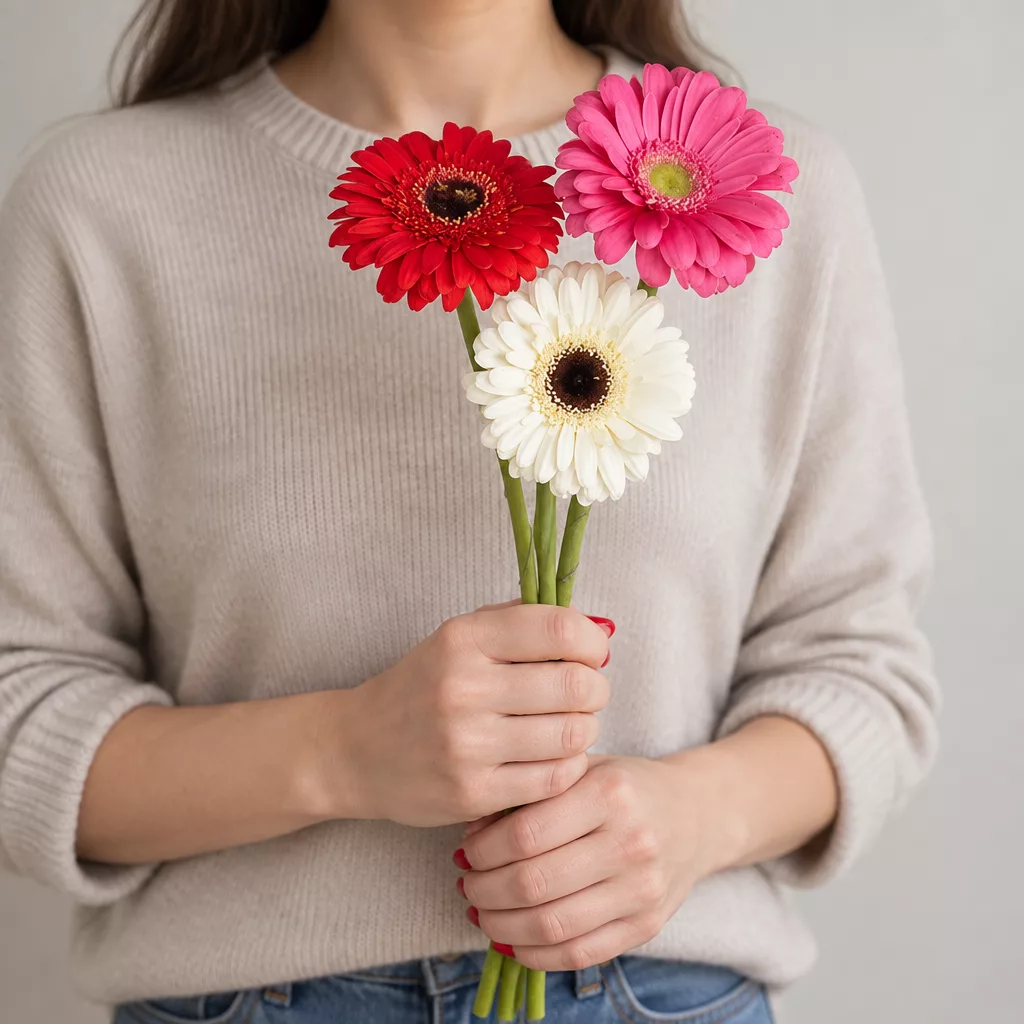

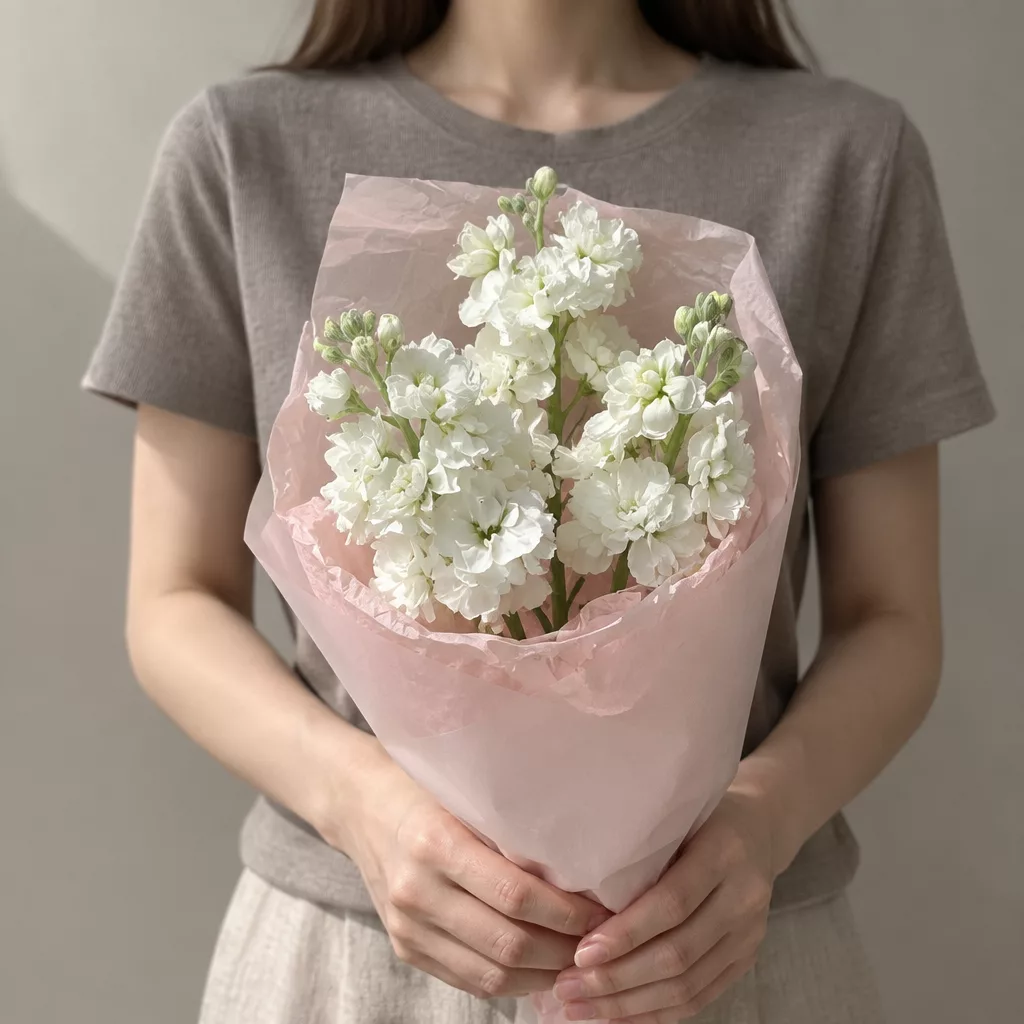
What the Recipient Will Actually Feel When the Flowers Arrive
In Russian culture, receiving flowers is a genuinely significant moment. It is not a casual gesture the way a potted plant might be in some Western contexts. Fresh cut flowers signal that someone thought about you specifically, invested real effort, and cared enough to send something living and perishable rather than something convenient. For your recipient in Petushki, the arrival of a bouquet from someone abroad amplifies all of that — it says the distance did not stop you.
The number of flowers in a bouquet carries meaning in Russia that it does not always carry elsewhere. Even numbers are traditionally associated with mourning and are avoided for celebratory or affectionate occasions. Always choose an odd number: five, seven, nine, eleven, fifteen, twenty-five. This is not superstition your recipient will quietly ignore — it is something they will notice immediately, and an even-numbered bouquet can feel jarring no matter how beautiful the flowers themselves are.
Wrapping and presentation also matter. Russian recipients expect a bouquet to look finished and intentional. Kraft paper wrapping with a satin ribbon, or a structured round bouquet in a hat box, reads as a proper gift. A loosely wrapped bunch without clear styling can feel incomplete even if the flowers are premium. When you place your order, describe the occasion clearly so the florist can match the presentation to the moment — a birthday for a young woman calls for something different than an anniversary bouquet for a couple who have been together for decades.
Choosing Flowers for the Season and the Journey
Petushki experiences a full continental climate. Winters are cold and genuine, with temperatures regularly dropping below minus ten Celsius from December through February. Summers are warm and sometimes humid, with July and August reaching above thirty degrees on hot days. The season you are ordering in shapes everything about which flowers will arrive in good condition.
In winter, roses, chrysanthemums, carnations, and spray roses are excellent choices. They handle cold transport well and hold their structure when moved from a chilled van into a warm apartment. Tulips are beautiful in winter but require careful handling — they continue growing after cutting and can droop quickly in overheated interiors. Lisianthus and alstroemeria are reliable all-year options that travel well and last longer in the vase than many showier alternatives.
In summer, heat is the enemy of delicate flowers. Peonies, which are gloriously popular in Russia from May through June, have a short vase life even under ideal conditions — around five to seven days — and in warm weather that window shrinks. Hydrangeas wilt quickly without water and need to be delivered fast and kept cool. Sunflowers, on the other hand, are robust summer choices that arrive looking cheerful and stay that way for over a week with basic care.
Spring is the season of tulips, daffodils, and hyacinths — all of which your recipient in Petushki will associate with the thaw and with celebration. Autumn suits dahlias, eustoma, and rich-toned roses in burgundy, terracotta and deep orange, colours that feel right against the changing leaves outside the window.
How to Time Your Order Across Time Zones
The single most practical piece of advice for anyone sending flowers to Petushki from abroad is this: convert the delivery time you want into Moscow Time before you do anything else. Write it down. Then subtract at least two hours for order processing and preparation, and that is the latest moment you should be placing your order in your local time.
For a morning delivery — say, flowers waiting when your recipient wakes up or arrives at work around nine in the morning Petushki time — you may need to place your order the previous evening if you are in a significantly earlier time zone. Senders from the United States West Coast, for example, are eleven hours behind Moscow Time in winter. A nine AM delivery in Petushki corresponds to ten PM the previous evening in California. That is entirely manageable once you know it, but it catches people off guard when they have not done the conversion.
Same-day delivery is possible for orders placed early enough in the Russian morning. Turboflora delivers within one to two hours of order confirmation, which means a well-timed order placed by mid-morning Moscow Time can reach your recipient before lunch. For special occasions where timing is part of the gift — flowers before a job interview, a bouquet waiting when someone gets home from a long trip — precision matters and the time zone calculation is what makes it achievable.
If you are uncertain about the exact delivery address or your recipient's schedule, a flexible afternoon window is safer than a rigid morning slot. Petushki is a compact town, and deliveries move efficiently once they are on the road.
Combinations That Work and Ones to Avoid
A bouquet is not a list of flowers — it is a conversation between shapes, textures and colours. For someone receiving flowers in Petushki, the most memorable arrangements are the ones that feel coherent and intentional, where every element seems to belong alongside the others. When ordering from abroad, you are often choosing from a menu rather than standing at a design table, so understanding a few principles helps you make better decisions.
Roses with eucalyptus and white gypsophila is a classic combination that reads as elegant without being fussy. It works for birthdays, anniversaries, and thank-you gestures alike. For a younger recipient, mixing spray roses with ranunculus and green pitto creates a softer, more romantic look. Tulips paired with muscari and Italian ruscus have a springtime freshness that feels personal rather than corporate.
Avoid mixing flowers with very different vase life expectations in the same bouquet if longevity matters to your recipient. Combining gerbera daisies, which last around a week, with garden roses, which can go two weeks with proper care, means the arrangement will look uneven within days. A better approach is to choose flowers at a similar stage of their lifespan.
Colour combinations also carry cultural associations worth knowing. White flowers are beautiful and widely given in Russia for celebrations, but an all-white bouquet can feel formal or cold to some recipients. Mixing white with blush, peach or soft yellow warms the arrangement immediately. Red roses remain the clearest romantic signal in Russian culture — if that is not the message you intend, soften the palette with pink or add complementary foliage to shift the tone.
Vase Life and Care Instructions for Your Recipient
When you send flowers to someone in Petushki, you are not just sending the bouquet — you are sending the experience of having flowers in their home for as long as possible. A little guidance, passed along with the order or written in the card message, can double the time your gift stays beautiful. Most people in Russia know basic flower care, but specific tips for specific varieties always help.
The first step after unwrapping is a fresh diagonal cut across each stem, made with a sharp knife rather than scissors, which can crush the vascular tissue. Stems should go immediately into clean, cool water — not cold, not warm. A small amount of flower food, usually included with a delivery, extends vase life noticeably by feeding the bloom and inhibiting bacterial growth in the water.
Roses need their lower leaves removed so that no foliage sits below the waterline, where it rots and clouds the water. Tulips should be placed in a tall, narrow vase so they have support as they continue to grow and lean. Hydrangeas benefit from being fully submerged in water for thirty minutes if they arrive slightly wilted — they absorb moisture through their petals as well as their stems.
Changing the water every two days and re-cutting the stems each time adds several days to vase life across almost all varieties. Keeping the vase away from direct sunlight, radiators and fruit bowls — ethylene gas from ripening fruit accelerates wilting — makes a real difference in a Russian apartment in winter, where central heating can be intense. These are small habits that turn a five-day bouquet into a ten-day one.
What to Write on the Card When You Are Far Away
The card message is often the part that senders from abroad think about least and regret most. A beautiful bouquet with a generic message — Happy Birthday, With Love — is still a lovely gift, but it misses an opportunity. The card is where the distance collapses. It is where your recipient hears your voice even though you are thousands of kilometres away.
Write something specific. Reference a shared memory, an inside joke, something only the two of you would understand. In Russian culture, personal and warm messages are valued over formal ones. If you are sending flowers for a birthday, acknowledge the year that has passed and something you admire about the person. If it is an anniversary, name the years and what they mean.
If you do not write in Russian, do not worry. A heartfelt message in English, French, or German will be understood or translated by the recipient, and the effort of writing in your own language reads as authentic. If you would like the message transliterated or written in Russian, note that in your order instructions.
For professional occasions — congratulating someone on a new job, celebrating a promotion, marking the opening of a business — keep the tone warm but measured. A single strong sentence often works better than several effusive ones. Something like: I knew you would get there. Congratulations from across the world. That kind of directness lands with weight.
Avoid filler phrases that sound copied from a template. Your recipient in Petushki will read the card more than once. Make it worth reading twice.
Sending flowers to Petushki from abroad is entirely achievable, and when it is done well, it is one of the most personal gestures you can make across a long distance. The keys are simple: plan around Moscow Time, choose flowers suited to the season, get the number of stems right, and write something on the card that only you could have written. The bouquet will arrive fresh, the presentation will be considered, and the person who opens the door in Petushki will know, without any doubt, that someone far away was thinking of them.
Frequently asked questions
Can I order flowers for Petushki if I do not speak Russian?
Yes, entirely. Turboflora handles international orders and you can communicate in English. Provide the recipient's full name, address in Petushki, a contact phone number, the delivery date and time in Moscow Time, and any notes about the occasion. The team will take it from there without requiring you to navigate Russian.
How far in advance should I order from a different time zone?
For same-day delivery, place your order at least two to three hours before the desired delivery time in Moscow Time. If you are more than five hours behind Moscow, ordering the evening before is the safest approach for morning deliveries. For special dates like birthdays or anniversaries, ordering twenty-four hours ahead removes all time-zone stress and gives the florist time to source the best available flowers.
Why does the number of flowers in the bouquet matter in Russia?
In Russian tradition, even numbers of flowers are associated with mourning and are brought to funerals. For any celebratory, romantic or affectionate occasion, an odd number is always chosen — five, seven, nine, eleven and so on. Your recipient will count the stems instinctively. An odd number signals that the sender understood the custom, which adds a layer of care to the gift.
Which flowers last longest in a Petushki apartment in winter?
Chrysanthemums, carnations, alstroemeria and spray roses consistently last ten to fourteen days with basic care, making them excellent choices for winter delivery when you want the gift to stay beautiful for as long as possible. Roses last seven to twelve days depending on the variety and care. Avoid delicate summer flowers like sweet peas or garden peonies in the cold months — they are not widely available and do not travel well in winter conditions.
Can I include a gift alongside the flowers, such as chocolates or a soft toy?
Yes, combination orders with chocolates, macarons or small plush toys are popular and can be noted when placing your order. These additions are particularly well-received for children's birthdays or when the recipient lives alone and the gift is meant to feel especially warm and generous. Mention the add-on in your order notes and the team will put together a coordinated presentation.
Ready to send flowers?
Pick the city, choose the bouquet, and a local florist takes it from there.
Choose a city →