Sending Flowers to Plast from Abroad? Here Is Everything That Matters
Plast is a small city in the Chelyabinsk region, tucked into the southern Ural mountains, and the person waiting there for your flowers deserves something that actually arrives fresh, looks considered, and feels like you chose it for them personally. Ordering from another country adds a layer of distance — not just geographic but informational. You cannot pop into a local shop, you cannot check the weather yourself, and you may not know what Russian flower customs look like up close. This guide closes that gap, so your bouquet lands exactly the way you imagined it.
What Plast Is Like and Why It Changes Your Flower Choice
Plast sits at roughly 400 metres above sea level in a continental climate zone where winters are genuinely cold and summers can be surprisingly hot. That temperature range matters more than most senders realise. In January and February, outdoor temperatures regularly fall below minus 20 degrees Celsius, which means a bouquet of delicate garden roses or open ranunculus can suffer between the delivery vehicle and the front door if the packaging is not designed for the cold. In July and August, the opposite problem appears: heat accelerates the opening of tulips and peonies, so a bud that looked tight in the morning can be fully open by afternoon delivery.
Plast is not a large city, so the recipient will likely know their neighbours and colleagues. A bouquet here carries social weight in a way that can feel more visible than in a big metropolis. Choosing something that looks considered — a structured hand-tied arrangement rather than a loose bunch — signals that the sender put real thought into the gift from far away.
The city has a mining and gold-extraction history, so many residents have a practical, unpretentious character. That does not mean simple flowers only; it means the arrangement should feel genuine rather than showy. A well-built bouquet of spray chrysanthemums, alstroemeria and eucalyptus reads as generous and real. An over-stuffed tower of identical stems can feel impersonal even when expensive.
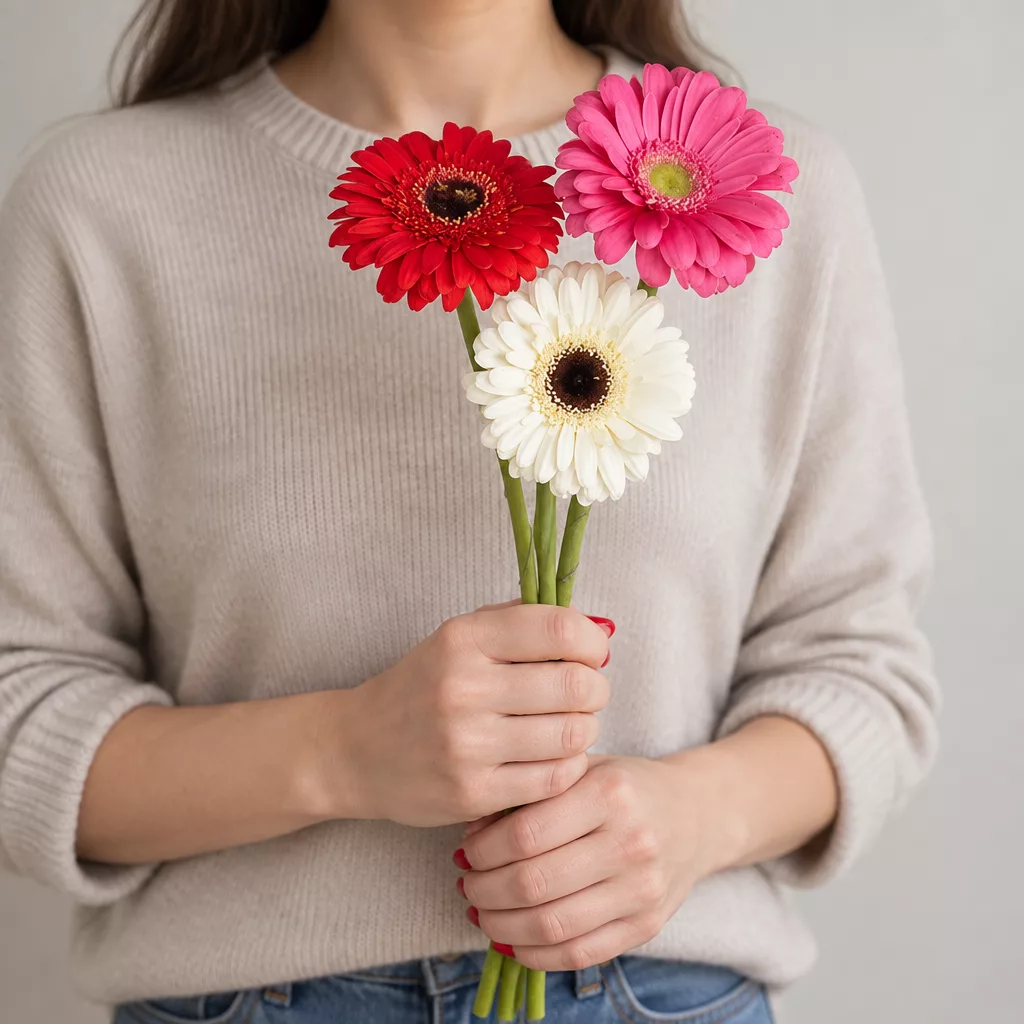
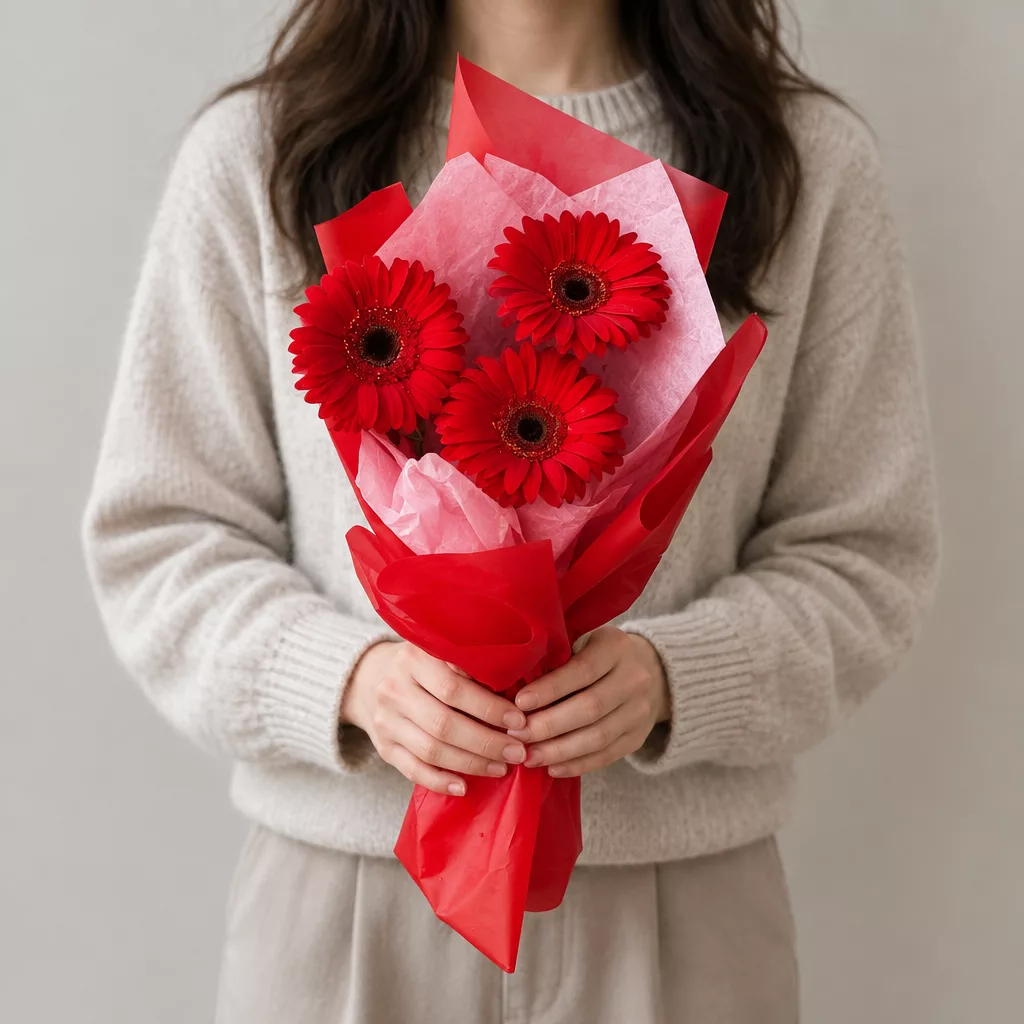
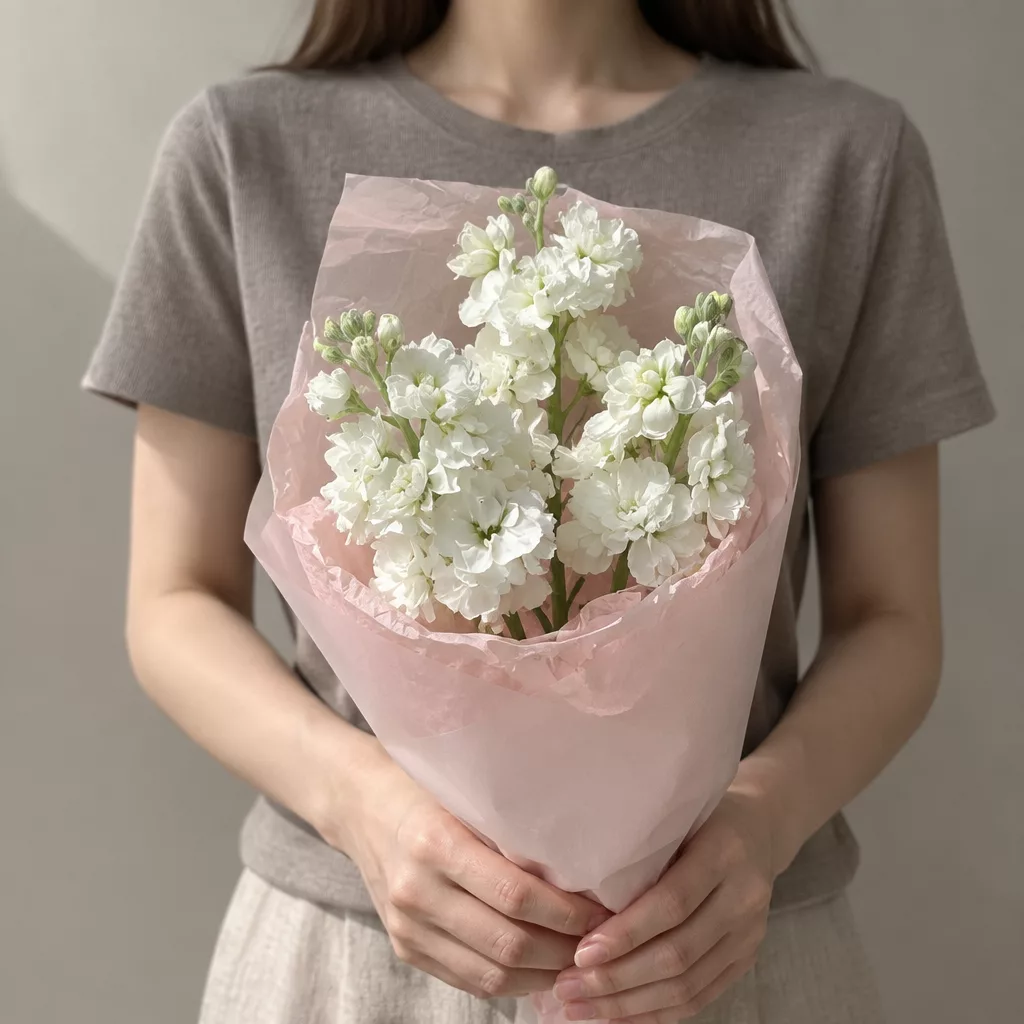
Bouquets we can deliver

Timing Your Order Across Time Zones and What Can Go Wrong
Plast operates on Yekaterinburg time, which is UTC plus 5. If you are placing an order from Western Europe, you are already four or five hours behind. From the United States East Coast, you are eight hours behind. That gap is the single most common reason international senders miss their intended delivery window. Someone who wants flowers delivered at noon for a birthday lunch needs to place the order by early morning Plast time — which may be the middle of the previous night in their own time zone.
Turboflora delivers across Russia within one to two hours of order confirmation, and that speed is real. But the clock starts when the order is confirmed and the florist begins assembly, not when you first open the website. Payment processing, address verification and any back-and-forth over recipient details all add time. Budget an extra thirty minutes of buffer on top of your target delivery window, especially if you are paying by an international card that occasionally triggers a verification step.
Public holidays in Russia follow the Russian calendar, not European or American ones. International Women's Day on March 8th is the single busiest flower day in Russia — demand is enormous, prices rise, and delivery slots fill early. If your occasion falls near any Russian public holiday, place your order at least a full day in advance. Victory Day on May 9th and New Year from December 31st through January 8th are other periods when planning ahead makes a measurable difference to what you receive.
Choosing Flowers for the Person, Not Just the Occasion
Russian gifting culture places strong emphasis on the recipient's personality and relationship to the sender. A bouquet for a grandmother in Plast carries different expectations than one for a young colleague or a romantic partner. Older recipients often appreciate classic, full-bodied flowers: garden roses, carnations, gladioli and chrysanthemums are all genuinely loved rather than considered old-fashioned. Younger recipients tend to respond well to more textured, botanical arrangements — think lisianthus with its ruffled petals, waxflower as a filler, and a few stems of dried pampas grass for structure.
For romantic occasions, red roses remain the clear cultural signal of love in Russia, and that tradition is sincere rather than clichéd. A hand-tied arrangement of deep red roses with dark foliage lands with real emotional weight. For friendships and celebrations, mixed colour palettes — warm peach tones, coral and cream — feel festive without the intensity of a single-colour statement.
If you are sending to someone who has just moved into a new home, which is a common gifting occasion in Russia, choose flowers with a longer vase life. Alstroemeria, statice and spray carnations all hold well for ten days or more with basic care. Avoid flowers that are already at full bloom when arranged, because they will fade faster during the excitement of settling into a new space when water changes get forgotten. A bud that opens slowly over several days is a gift that keeps giving.
Seasonal Varieties That Work Well in the Ural Climate
The Ural region has four distinct seasons, and working with them rather than against them improves both the look and the longevity of your bouquet. In spring, from March through May, tulips are at their best in Russia — they are abundant, affordable and deeply associated with the season. Dutch tulips in single colours, particularly strong violet, white and coral, hold their shape well and travel reliably. Peonies arrive in late May and June and are enormously popular; if your occasion falls in that window, a peony-led arrangement is one of the most emotionally resonant choices you can make.
Summer brings sunflowers, which are a genuine staple of Russian flower culture rather than a novelty. A mixed arrangement anchored by sunflowers with tansy, rudbeckia and seasonal greenery looks effortlessly regional and suits Plast's character well. Autumn, from September through November, is the season for dahlias, which come in extraordinary variety — cafe au lait dahlias with their muted caramel tones are particularly striking in an autumn bouquet.
Winter is the season where florists rely most heavily on imported stock: roses from Ecuador, chrysanthemums and alstroemeria that travel well in refrigerated conditions. These are not lesser flowers — Ecuadorian roses in particular have exceptional stem length and petal density. The key in winter is to ask for flowers that are still in tight bud, because they will open gradually in the warmth of an interior and last significantly longer than blooms that were already open at the time of delivery.
Getting the Delivery Address Right When You Are Overseas
Address errors are the leading cause of delayed deliveries to smaller Russian cities, and Plast is compact enough that a wrong street number can send a driver to the opposite end of town. Russian addresses follow a specific format that differs from Western conventions: the city comes first, then the street name, then the building number, then the apartment number. If your recipient lives in a multi-entrance apartment block, the entrance number matters too — many buildings have four or more separate stairwells, and without the entrance number a driver may wait at the wrong door.
When you place your order, write the address exactly as the recipient has given it to you, in Russian if possible. If you only have it in transliteration, that is workable, but double-check the street name spelling carefully. Common transliteration errors — swapping an 'e' for a 'ye', or dropping a soft sign — can make a street name unrecognisable to a local driver.
Always include the recipient's phone number. In Russia, the florist or driver will typically call ahead to confirm they are approaching, which also gives the recipient a chance to come downstairs if the building has a locked entrance. If the recipient is at work, include the workplace name and floor if you know it — office deliveries in Russia are common and warmly received, but the building reception needs enough information to direct the delivery. A small note in the order comments field explaining any access detail, even something like 'the intercom code is 45', saves real time.
Flower Care Instructions to Pass Along to the Recipient
The bouquet arrives, the recipient is delighted, and then it sits in a vase without a water change for four days. That is the most common reason flowers fade faster than expected, and it happens everywhere, not just in Russia. When you place your order, you can ask for a care card to be included, but it also helps to send a quick message yourself with the basics.
The first step is always a fresh diagonal cut at the base of each stem, made with a sharp knife rather than scissors, which crush the stem tissue. The cut should happen while the stem is submerged in water if possible, or immediately before placing it in the vase. Room temperature water works well for most varieties; very cold water slows uptake and is not recommended except for tulips, which actually prefer cooler water to stay upright longer.
Vase water should be changed every two days. Each time it is changed, a small fresh cut on each stem restores uptake. Flowers last longest away from direct sunlight, heat sources like radiators, and fruit bowls — ripening fruit releases ethylene gas, which accelerates petal drop in roses and carnations noticeably.
For specific varieties: roses benefit from removing the lower leaves that would sit below the waterline, because submerged leaves rot quickly and cloud the water. Tulips continue to grow after cutting and will bend toward light sources, which some people find charming and others find frustrating — rotating the vase occasionally keeps them more upright. Alstroemeria and chrysanthemums are the most forgiving and will reward basic care with ten days or more of vase life.
Adding a Personal Message That Lands Well Across the Distance
A handwritten card tucked into the bouquet is standard practice in Russian flower gifting, and recipients genuinely look for it. If you are ordering from abroad, you will compose the message in the order form, and the florist will write it by hand or print it on a card. Either way, keep the tone warm and direct — Russian emotional expression in written notes tends to be sincere and personal rather than formal or ironic.
If you are writing in English and the recipient reads English, that is perfectly fine and often touching — it signals that you wrote it yourself rather than translating through a phrase book. If you want the message in Russian and do not speak the language, a careful machine translation of a short, simple sentence works reasonably well for straightforward sentiments. Avoid long, complex sentences for translation, because nuance gets lost and the result can read oddly.
Think about what the recipient will feel when they read the card, not just what you want to say. A specific detail — referencing a shared memory, using a nickname, or naming the flowers you chose and why — makes a card feel irreplaceable. Generic phrases like 'wishing you all the best' are kind but forgettable. Even one concrete sentence, such as 'I chose peonies because I remembered you said they were your favourite,' transforms the whole gift.
If there is a language barrier and you want the message to feel native, keep it to two or three short sentences and ask the florist in the order notes to check that it reads naturally. A brief, genuine note always outperforms a long, awkward one.
Sending flowers to Plast from another country is a gesture that crosses a real distance, and the person receiving them will feel that. The practical details — timing, address format, seasonal variety, cold-weather packaging — are all manageable once you know what to look for, and getting them right is what turns a good intention into a bouquet that genuinely moves someone. The warmth of the gift is yours; the logistics are ours to handle.
Frequently asked questions
Can I order flowers for Plast if I am paying with a foreign bank card?
Yes, international cards are accepted, though some banks flag cross-border transactions and add a verification step. To avoid delays, have your card ready to approve the payment immediately after checkout. If a payment fails, try again or contact your bank to whitelist the transaction before placing the order again.
What happens to the flowers if the recipient is not home when they are delivered?
The driver will call the recipient's phone number before arriving. If there is no answer, the florist will contact you as the sender to agree on next steps — rescheduling, leaving with a neighbour if the recipient has arranged that, or holding the order for a short period. Including a reliable phone number for the recipient is the best way to prevent any missed delivery.
Are there flower types I should avoid sending to Plast in winter?
Delicate open blooms — fully open garden roses, open ranunculus, anemones — are more vulnerable to brief cold exposure between the vehicle and the door. Tight buds and hardier varieties like spray chrysanthemums, alstroemeria and carnations handle winter conditions better. Our florists pack winter bouquets with insulating wrapping as standard, but choosing robust varieties adds an extra layer of protection.
Is it appropriate to send flowers to a man in Russia?
Yes, though the context matters. Flowers for a man are most common on milestone occasions — a significant birthday, a professional achievement, a graduation. The arrangement should feel structured and confident rather than soft: think bold single-colour compositions, architectural foliage, or dramatic stems like gladioli and anthurium. Avoid pastel palettes, which carry a strong feminine association in Russian gifting culture.
How far in advance should I order for March 8th delivery to Plast?
March 8th, International Women's Day, is the highest-demand date in the Russian flower calendar. Place your order at least 48 hours in advance to secure your preferred time slot and bouquet style. Orders placed on the day itself may face limited variety availability. Earlier is always better — some senders order a week ahead for this particular date.
Ready to send flowers?
Pick the city, choose the bouquet, and a local florist takes it from there.
Choose a city →