Sending Flowers to Russia from Abroad: A Complete Practical Guide
You are sitting in Berlin, Toronto, or Dubai, and someone you love is celebrating a birthday in Saint Petersburg or marking an anniversary in Novosibirsk. You want to send flowers, real ones, not a digital gift card. The good news is that ordering a fresh bouquet for delivery anywhere in Russia from abroad is entirely possible today, and when you know the right steps it is genuinely straightforward. This guide walks you through everything, from choosing varieties that survive a Russian winter to paying securely in euros or dollars, so the flowers arrive on time and in perfect condition.
Understanding How Cross-Border Flower Delivery to Russia Actually Works
The first thing to understand is that you are not shipping flowers through customs. When you place an order from abroad, a florist team based inside Russia assembles the bouquet fresh on the day of delivery and drives it to the recipient's door. Nothing crosses a border, which means no import delays, no wilted stems sitting in a cargo hold, and no customs declarations for your recipient to deal with. The order, the payment, and the communication all happen online, while the flowers themselves are sourced and arranged locally.
This model matters because it affects freshness dramatically. A rose cut in the Netherlands and flown to Moscow can spend three to five days in transit before it ever reaches a vase. A rose assembled into a bouquet on the morning of delivery in Saint Petersburg arrives at peak hydration, with petals firm and fragrance intact. For temperature-sensitive varieties like garden roses, ranunculus, or sweet peas, that difference is visible the moment the recipient opens the door.
What you need on your end is a reliable internet connection, a valid international payment card or an alternative payment method accepted by the shop, the recipient's full address in Russian or Latin transliteration, and a confirmed delivery window. The florist handles everything else, including selecting stems that are at the right stage of bloom for the specific delivery time, wrapping them appropriately for outdoor temperatures, and contacting the recipient to coordinate access if needed. Understanding this flow removes most of the anxiety around international orders.
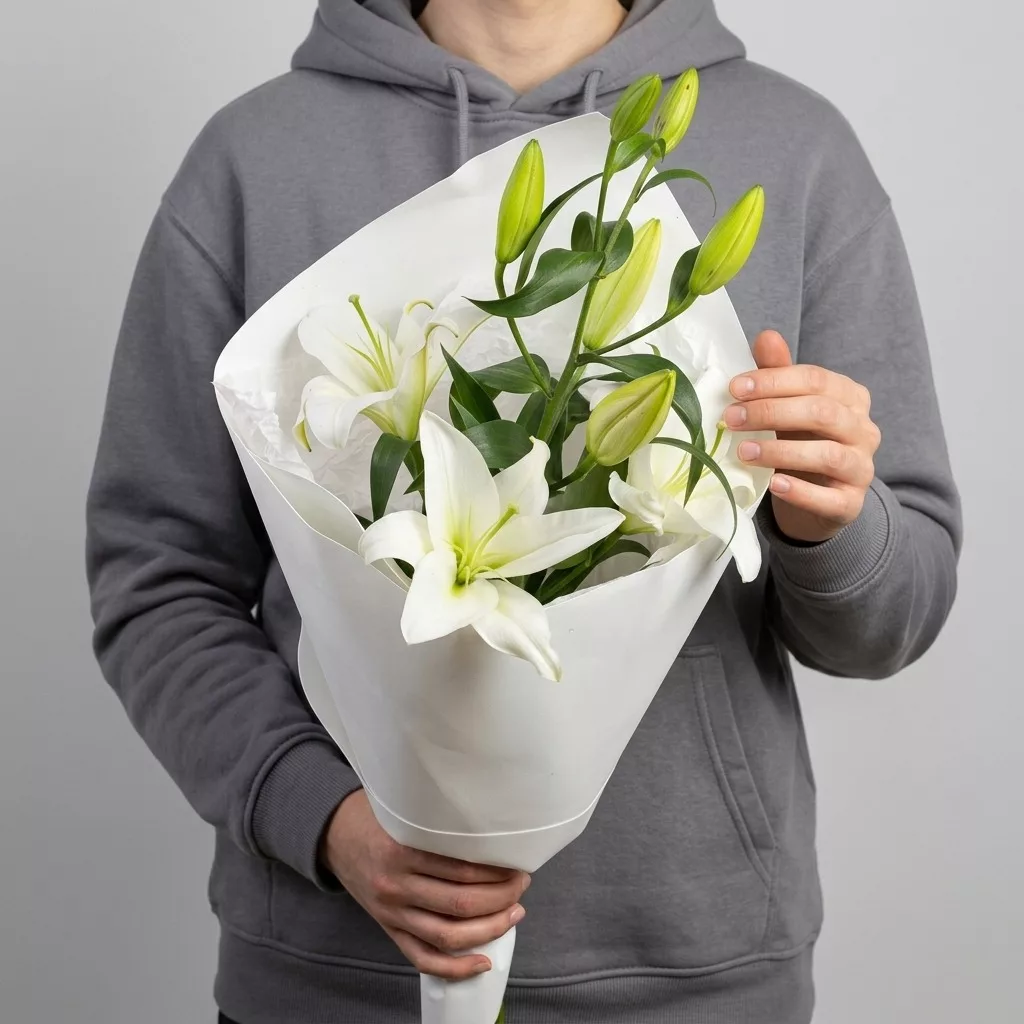
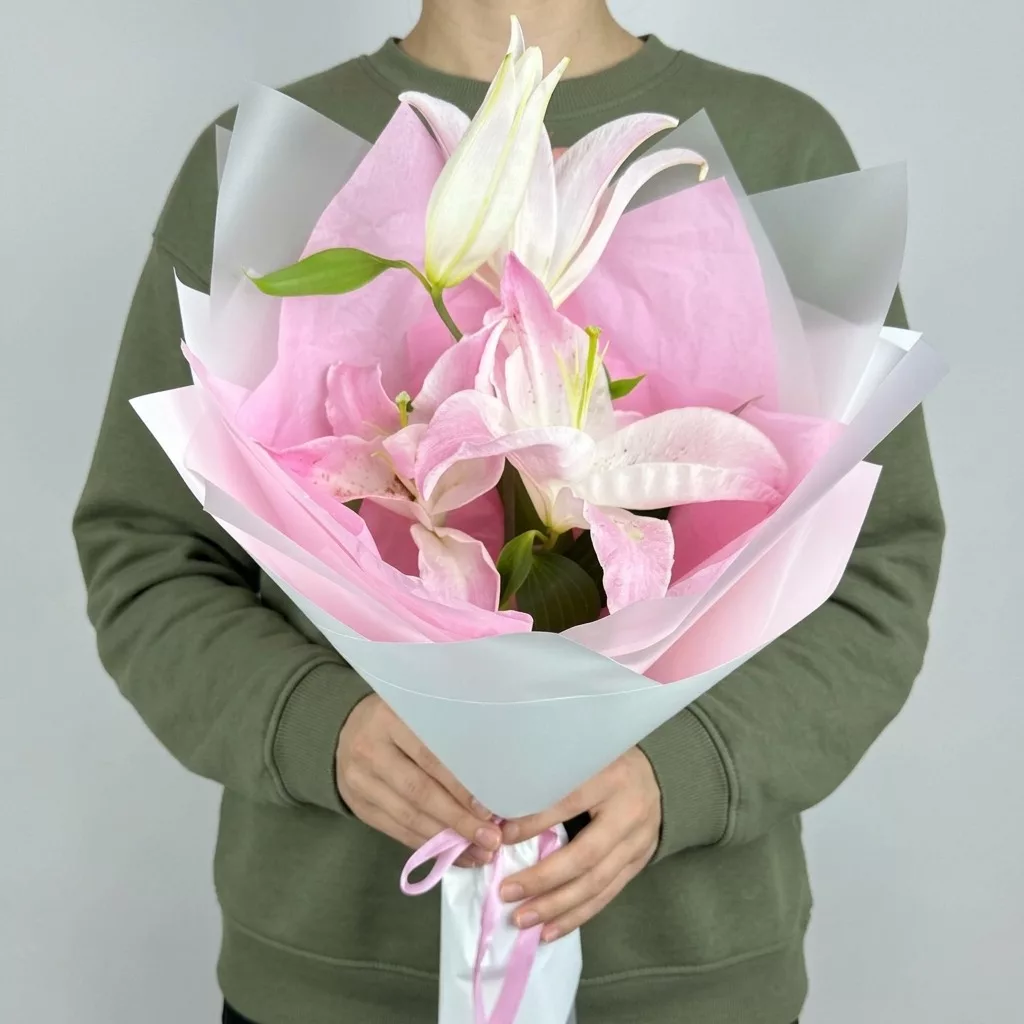
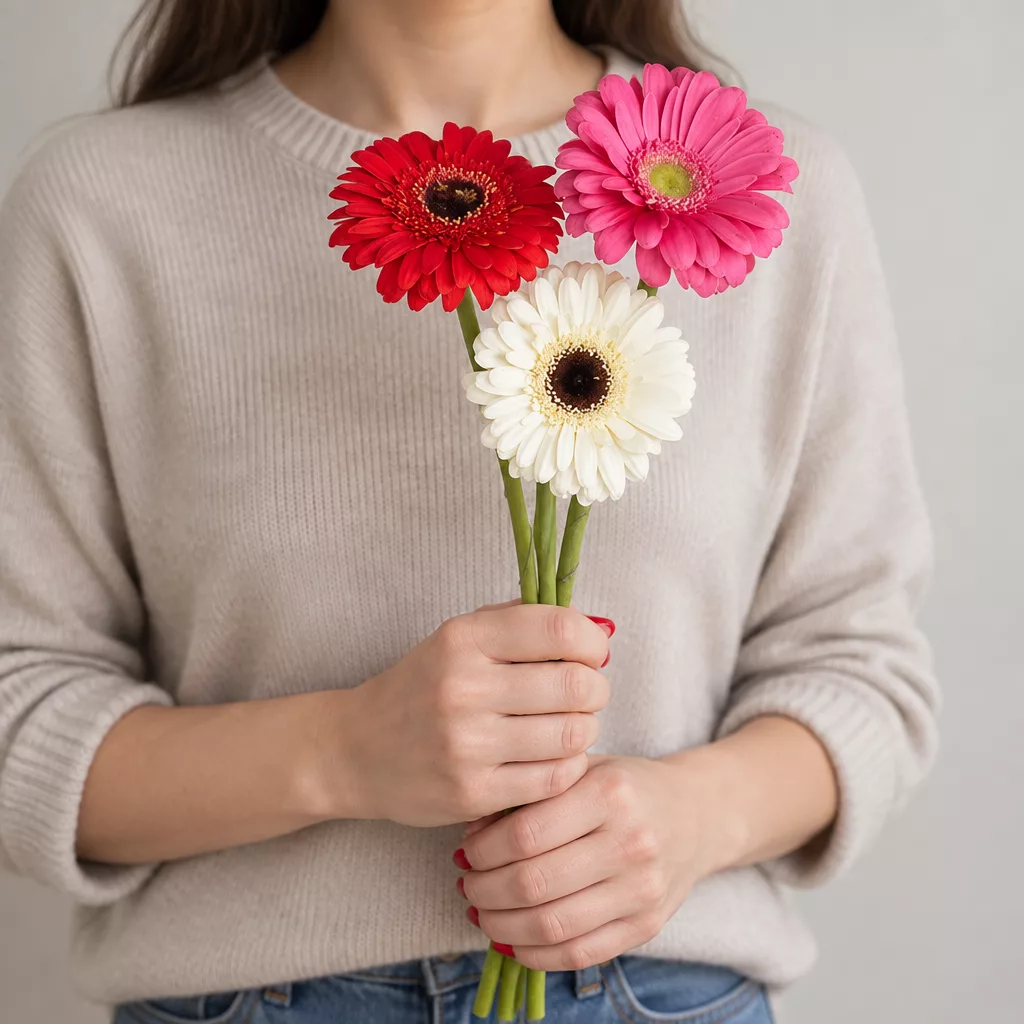
Bouquets we can deliver

Choosing the Right Flowers for the Russian Climate and the Occasion
Russia spans eleven time zones and experiences some of the most dramatic seasonal temperature swings on earth. In Saint Petersburg, January temperatures regularly drop to minus fifteen Celsius, while July can bring genuine heat above thirty degrees. This matters enormously for flower selection, and a good florist will guide you, but it helps to arrive at the conversation with some knowledge.
In winter, choose flowers with sturdy cellular structure. Spray chrysanthemums, alstroemeria, and standard carnations handle cold transport far better than open garden roses or tropical varieties like bird of paradise. Tulips are a beloved Russian flower and widely available from October through April, but they need to be ordered as closed buds so they do not freeze on the doorstep. Hypericum berries and eucalyptus branches add texture and survive cold beautifully.
In spring and summer, the range opens up considerably. Peonies are deeply associated with Russian celebrations and are at their best from late May through June. Lisianthus, also called eustoma, is popular for birthdays and looks elegant in both classic and modern arrangements. Sunflowers are cheerful and sturdy. Roses are available year-round, but in summer you can request varieties with a stronger fragrance, such as David Austin-style garden roses, because they travel well in cooler delivery bags during warmer months.
For celebrations specifically, Russians traditionally give flowers in odd numbers. Even numbers are reserved for somber occasions, so always order three, five, seven, or more stems. This is one of the most important customs to know, and any florist serving Russia will follow it automatically, but it is worth confirming when you place the order.
How to Place Your Order Correctly from an Overseas Location
Placing an order from abroad introduces a few practical details that differ from a domestic purchase. Work through them methodically and you will avoid the most common mistakes.
Start with the delivery address. Russian addresses follow a specific format: city, street, building number, apartment number, and often a door code or intercom number for residential buildings. If you only have the address in English transliteration, that is usually fine for the order form, but ask your recipient in advance for the intercom code or entry instructions. Many Russian apartment buildings have a locked entrance requiring a code or a call to the flat number, and a courier arriving without that information may be unable to complete the delivery.
Next, confirm the recipient's phone number with the correct country code. Russia uses plus seven as its international dialing prefix. The florist will call or message the recipient to coordinate the handoff, especially for surprise deliveries where the exact timing needs to align with the person being home.
Choose your delivery window carefully. Same-day delivery is available when you order before the shop's cut-off time, which varies by city. For distant cities beyond Saint Petersburg and Moscow, allow at least one day. If the occasion is time-sensitive, such as a birthday dinner at seven in the evening, request an afternoon delivery window rather than open-ended same-day service.
Write your card message in the language the recipient reads most comfortably. The shop can print messages in Russian, English, or other languages. If you write in English and want it translated, simply ask when placing the order. A warm personal message matters more to most recipients than a perfectly formatted address, so do not skip it.
Payment Methods and Currency for International Customers
Paying for flowers in Russia from abroad has become more nuanced in recent years, and it is worth understanding your options before you reach the checkout page so you are not surprised.
Many international Visa and Mastercard cards issued outside Russia no longer process payments directly to Russian merchant accounts due to banking restrictions introduced since 2022. This does not mean ordering is impossible; it means you need to use the payment channels the shop has set up specifically for international customers. These typically include payment via non-sanctioned card networks, cryptocurrency payments, transfers through intermediary payment processors, or invoicing in euros or US dollars through accounts held outside Russia.
When you contact the shop, mention upfront that you are paying from abroad and specify your country. A professional florist serving the diaspora will immediately tell you which payment routes work reliably from your location. Do not attempt to use a VPN to disguise your location for payment purposes; this creates mismatches that trigger fraud filters and delay your order.
Always request a payment confirmation by email before the flowers are assembled. This protects you and gives the shop a clear record. Keep the confirmation until delivery is confirmed, because it is your reference point if any follow-up is needed.
Currency conversion rates vary by payment method. Some channels convert at the interbank rate, others apply a small margin. Ask about this when you inquire about payment options. The difference is usually minor relative to the total order value, but knowing it in advance prevents any confusion when you see the charge on your statement. Budget a small buffer for conversion and any international transaction fees your own bank may apply.
Tracking Your Delivery and Staying in the Loop from Thousands of Kilometres Away
One of the most anxious moments in sending flowers internationally is the silence between placing the order and knowing the bouquet has been received. A well-organized florist will give you clear checkpoints so you are never left wondering.
After payment is confirmed, you should receive an order confirmation with a reference number and a summary of the delivery details. Before the courier departs, many shops send a second notification with an estimated arrival window. Once delivery is completed, you should receive a final confirmation, sometimes including a photo of the delivered bouquet at the door.
If you have asked for a surprise delivery, coordinate with the shop about how they will reach the recipient. Calling ahead is standard practice in Russia, and most recipients expect a brief call from a courier before arrival. The florist can frame this call simply as a delivery without revealing who sent the flowers, preserving the surprise while ensuring someone is home to receive them.
For deliveries to offices or workplaces, the process is slightly different. Russian office buildings often have reception desks or security checkpoints. Give the shop the office name, floor, and a contact name if possible. Deliveries to large companies in Moscow or Saint Petersburg are routine, but having a point of contact inside the building speeds things up considerably.
If something goes wrong, such as the recipient not being reachable or an address detail being incorrect, the shop will contact you directly. Make sure the phone number and email address you provide at checkout are ones you actively monitor on the day of delivery. A missed message can mean a missed delivery, and re-scheduling costs time on both sides.
Common Mistakes Expats Make and How to Avoid Them
After years of handling orders from customers in Europe, North America, and the Middle East, certain patterns of error appear again and again. Knowing them in advance saves you from a frustrating experience.
The most frequent mistake is ordering too late. Many people assume that because they are sending flowers and not physically traveling, the time difference does not apply. It does. If you are in Los Angeles, which is ten or eleven hours behind Moscow, and you want flowers delivered on the morning of a birthday, you may need to place your order the previous evening by your local time. Map out the time zones before you sit down to order.
The second common mistake is providing an incomplete address. Missing the apartment number, omitting the building block letter, or forgetting the intercom code are all reasons a delivery can fail. Russia uses a building and block system in many residential areas, where a single street number may have multiple lettered or numbered sub-buildings. Confirm every detail with your recipient in advance, even if it spoils part of the surprise.
Third, some customers choose flowers based on photographs without considering the season. Ordering peonies in November or tulips in August leads to disappointment because availability follows natural growing cycles. Trust the florist's seasonal recommendations rather than insisting on a variety that is not at its best.
Finally, do not skip the card message. In Russian culture, flowers arrive with a personal note, and a bouquet without one can feel impersonal or even confusing to the recipient. Even a short sentence in English, translated by the shop, carries warmth that a bare bouquet simply does not. Take two minutes to write something genuine.
Sending flowers to Russia from abroad is not nearly as complicated as it might seem from the outside. The key is working with a florist who understands both the logistical realities of international payments and the cultural expectations of Russian recipients. Get the address right, respect the time zones, choose varieties suited to the season, and communicate clearly about your payment situation. Do those things, and the person you care about will open their door to a fresh, beautifully arranged bouquet that feels as though you handed it to them yourself. Distance is real, but a well-delivered flower arrangement has a way of closing it.
Frequently asked questions
Can I order flowers for delivery in Russia if I live outside Europe, for example in the United States or Canada?
Yes, absolutely. Customers from North America, the Middle East, Asia, and Australia place orders regularly. The main consideration is the time difference when calculating delivery windows. Contact the shop directly to confirm which payment methods work from your specific country, as options can vary by region.
How far in advance should I place my order to guarantee delivery on a specific date?
For same-day delivery in Saint Petersburg, order before the daily cut-off time shown on the website. For other Russian cities, placing the order one to two days ahead is safest. For major holidays like International Women's Day on March 8th, which is the busiest flower day in Russia, book at least a week in advance.
Is it possible to send flowers as a surprise without the recipient knowing who sent them?
Yes, but the courier will still need to call the recipient to arrange handoff, which is standard practice in Russia. The florist can keep the sender's identity off the call while still ensuring delivery. The card message inside the bouquet is where the reveal happens, so write something that makes the moment special.
What happens if the recipient is not home when the courier arrives?
The courier will attempt to reach the recipient by phone. If contact cannot be made, the shop will contact you for instructions. Depending on the situation, redelivery can often be arranged. This is why providing an active phone number for both yourself and the recipient is important when placing the order.
Are there flowers I should definitely avoid sending for a birthday or celebration in Russia?
Avoid even numbers of stems, as even quantities are associated with mourning in Russian tradition. Yellow flowers are sometimes considered unlucky in older generations, though attitudes vary and many younger Russians love them. When in doubt, ask the florist for a culturally safe recommendation based on the recipient's age and the occasion.
Ready to send flowers?
Pick the city, choose the bouquet, and a local florist takes it from there.
Choose a city →