Flowers for a Russian Grandmother: Classic Blooms and Personal Touches
A grandmother in Russia does not just receive flowers — she reads them. The variety, the colour, the scent, the number of stems: each detail tells her something about how much thought you put in. If you are ordering from abroad or simply want to get it right for a woman who grew up with strong floral traditions, this guide will walk you through every choice, from the bloom on the doorstep to the vase it will live in for the next week.
Why Flowers Mean So Much to Older Russian Women
For women who grew up in the Soviet era, fresh flowers were a genuine luxury. They were not available year-round in shops, and receiving a bouquet was a meaningful event rather than a casual gesture. That history has left a deep cultural imprint: a grandmother who opens her door to a delivery of flowers will feel genuinely honoured, not just pleased.
This also means she will notice if the bouquet feels careless. A single colour thrown together without thought, or blooms that are already drooping at the edges, will register as a missed opportunity. The good news is that getting it right is not complicated — it is mostly about choosing varieties she recognises and loves, and presenting them with a little intention.
Traditionally, Russian women of this generation have strong preferences for fragrant flowers. Scent matters enormously. A bloom that looks beautiful but has no smell will feel incomplete to many older recipients. Roses, carnations, freesias, and lilies all carry that quality, and they all sit comfortably within the classic Russian floral vocabulary that a grandmother will find immediately familiar and deeply welcome.
Numbers also carry meaning in Russian tradition. Even numbers of stems are associated with mourning and are never given as a gift. Always choose an odd number — five, seven, nine, eleven — and make sure whoever is placing the order knows this rule. It is one of the most important details to get right, and it costs nothing to observe.
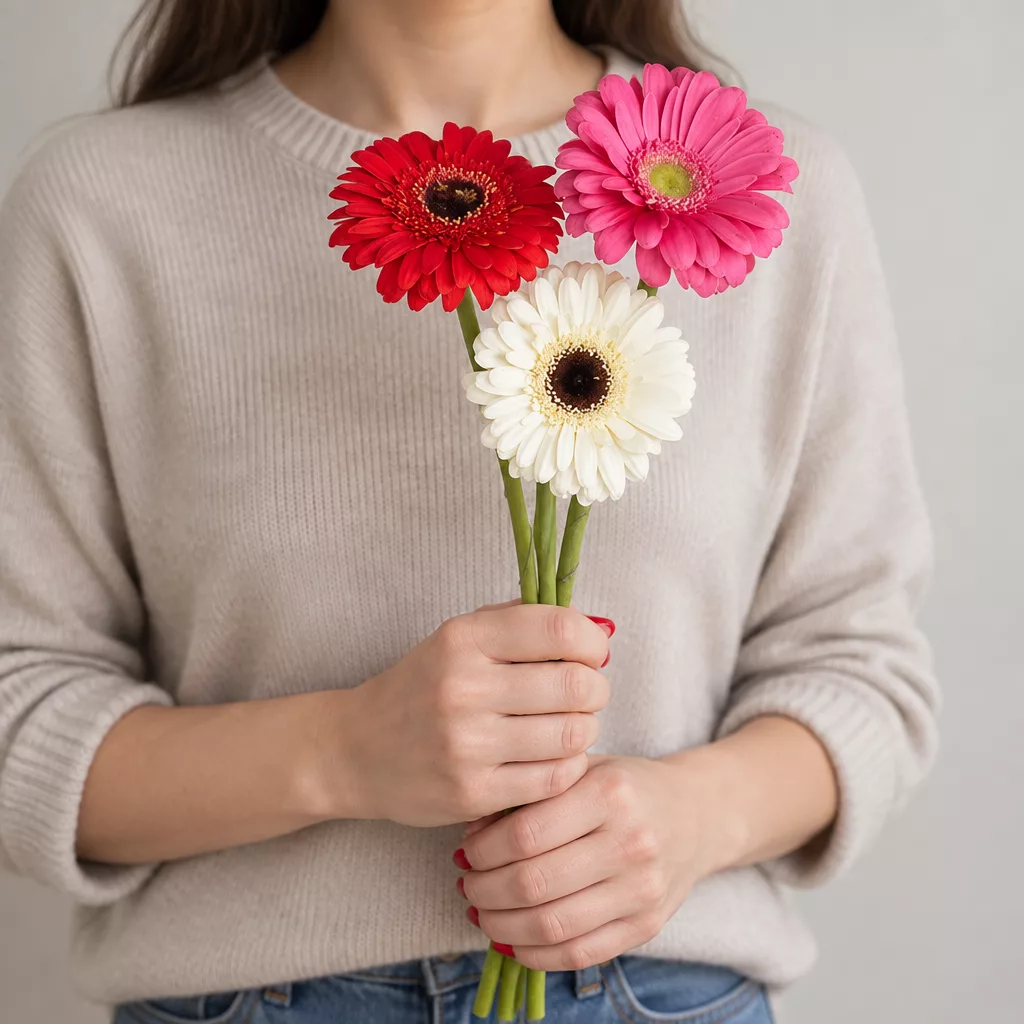
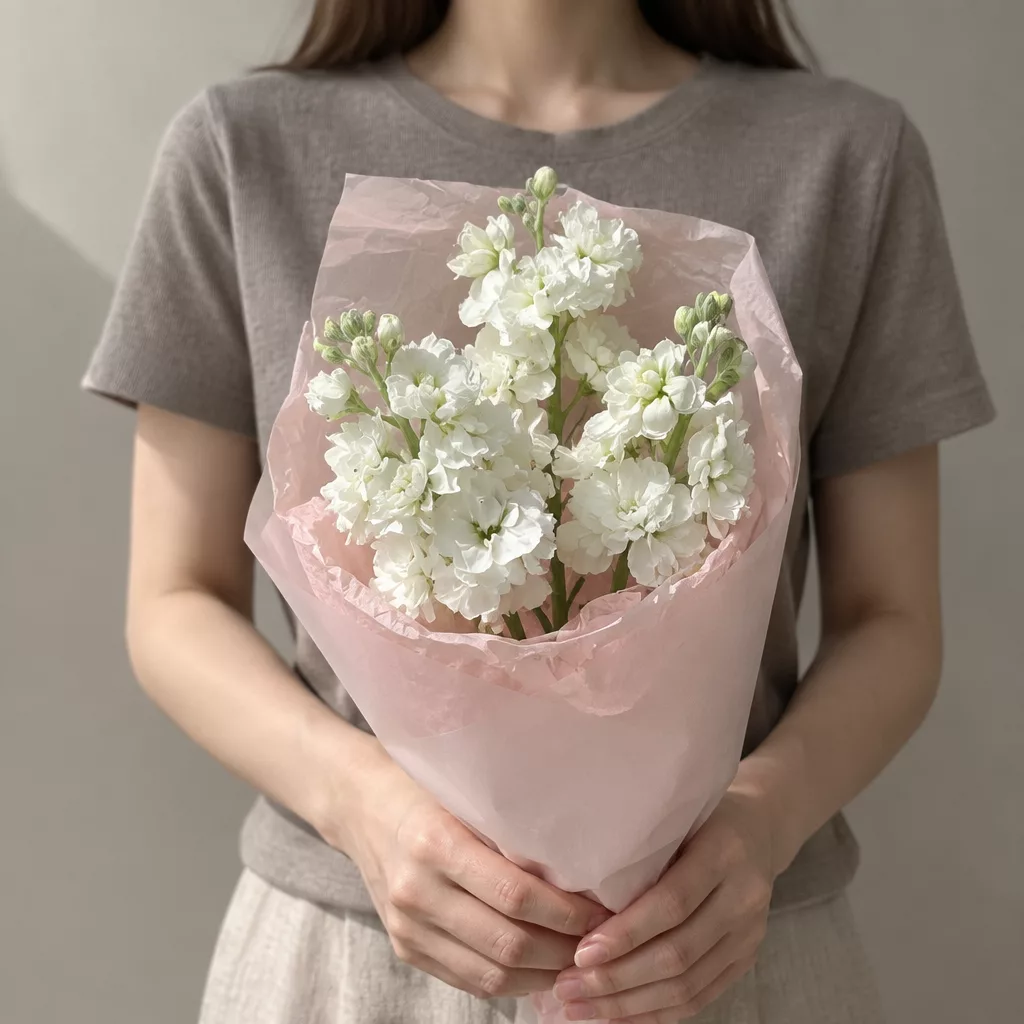
Bouquets we can deliver


The Blooms She Is Most Likely to Adore
Roses are the cornerstone of any bouquet for an older Russian woman. Cream, blush pink, deep red, and soft peach tones are universally loved. Varieties with a strong fragrance — such as garden-style roses with densely packed petals — will make a far stronger impression than the long-stemmed, lightly scented varieties bred mainly for appearance. If you can request fragrant roses specifically when ordering, always do.
Carnations deserve a special mention. In many Western countries they have fallen out of fashion, but in Russia they remain a flower of genuine respect and affection. A grandmother will often associate them with important celebrations and with the people who have honoured her over the years. A cluster of ruffled carnations in white, pink, or burgundy alongside roses is not a budget compromise — it is a culturally fluent choice.
Freesias bring an exceptional fragrance and a delicate, arching stem that adds movement to any arrangement. They come in white, yellow, lilac, and deep purple, and even a few stems woven through a bouquet will fill a room with scent within hours of delivery. Lilies — particularly Oriental varieties — are another strong option, though one stem of an open Oriental lily can be overpowering in a small apartment, so ask for buds that will open gradually over several days.
Tulips and peonies are also beloved, especially in spring. Peonies in particular carry a sense of abundance and celebration that resonates deeply with older Russian women. If the season is right, they are an excellent anchor for the whole bouquet.
Choosing by the Occasion: Birthday, Name Day, or Just Because
A birthday calls for something generous and celebratory. This is not the moment for a minimalist arrangement of three stems. A grandmother's birthday bouquet should feel abundant — fifteen or more stems is appropriate, and a mix of roses with supporting flowers like freesias or spray chrysanthemums creates that sense of occasion. Rich colours such as deep pink, coral, and cream work beautifully together and feel festive without being garish.
Name days, known in Russian as imeniny, are celebrated on the feast day of the saint whose name a person bears. They are often treated with the same warmth as birthdays, sometimes more so for older generations who grew up with this tradition. The floral gesture for a name day can be slightly softer — a bouquet of seven or nine fragrant roses, or a mix of carnations and freesias in gentle tones, is exactly right.
International Women's Day on the eighth of March is the single biggest flower-giving occasion in Russia. If you are ordering for this date, plan ahead by at least a week. Delivery windows fill quickly, and the most beloved varieties — particularly tulips and roses — are in enormous demand. A bouquet of yellow and white tulips, an odd number of course, is one of the most classic and appreciated gifts for this day.
Sending flowers without a specific occasion is also perfectly natural in Russian culture. A simple note saying you were thinking of her, combined with a modest but fragrant bouquet, will be remembered warmly for a long time. It does not need to be large to be meaningful.
Colour Choices That Feel Right Versus Colours to Avoid
Warm tones are almost always a safe and welcome choice for an older Russian recipient. Deep reds, soft pinks, peach, cream, and warm yellows all carry positive associations. Red roses in particular remain a classic expression of deep respect and love — not just romantic love, but the broader, profound kind that exists between family members who have shared decades together.
Yellow flowers deserve a word of clarification. In some Russian superstitions, yellow flowers are associated with separation or the end of a relationship. This belief is more common among older generations and varies by region and individual. If you know your grandmother is not superstitious about this, a bouquet of yellow freesias or yellow tulips is genuinely beautiful. If you are unsure, mixing yellow with white or cream neutralises any concern while keeping the warmth of the colour in the arrangement.
White flowers are elegant and appreciated, particularly in combination with other colours. An all-white bouquet can feel very formal or ceremonial, which is not always the right register for a warm family gift. Pairing white roses or white carnations with blush pink or soft lavender creates something that feels both refined and affectionate.
Avoid purple and dark tones as the dominant colour in a bouquet for an older Russian woman. While individual purple stems like lavender or lilac are lovely as accents, a predominantly dark or cool-toned bouquet can feel sombre. The overall impression you want is warmth, generosity, and joy — colours that make her feel celebrated the moment she opens the door.
Adding a Personal Touch She Will Remember
A handwritten note is not a small thing. For a grandmother who values ceremony and personal expression, a card with a few genuine sentences will often matter more than the flowers themselves. Write in Russian if you can — even imperfect Russian is deeply appreciated as an act of effort and love. If you are ordering through Turboflora, you can add your message in Russian or English and we will ensure it is presented beautifully with the bouquet.
Consider adding a small gift alongside the flowers. A jar of good honey, a box of chocolates, or a small tin of tea are all warmly received by older Russian women and complement a bouquet naturally. These additions are not extravagant — they are thoughtful, and they extend the sense of celebration beyond the flowers themselves.
The wrapping of the bouquet also carries meaning. A grandmother who grew up receiving flowers in simple brown paper will find a beautifully wrapped arrangement in kraft paper with a ribbon genuinely special. Avoid overly modern or deconstructed presentations — a classic, generous wrap that shows the blooms clearly is always the right choice for this recipient.
If you know she has a favourite flower from her own garden — lilacs in spring, dahlias in summer, chrysanthemums in autumn — request that variety specifically. This level of personal knowledge, translated into the bouquet, communicates something that no amount of money can substitute. It says you paid attention, and for a grandmother, that is everything.
Timing the Delivery and Getting the Temperature Right
Timing a flower delivery to a grandmother requires a little thought about her daily rhythm. Older Russian women are often early risers and may be out for a morning walk or at the market by eight or nine in the morning. A delivery between ten in the morning and two in the afternoon is usually the safest window — she is home, she has time to receive the flowers properly, and the moment does not feel rushed.
If the delivery is for a specific occasion, aim to arrive on the day itself rather than the evening before. Flowers received on the right day carry a different emotional weight than those that arrive early. Turboflora delivers across Russia within one to two hours of ordering, so you can time the arrival with precision even if you are placing the order from another city or country.
Temperature matters significantly for flower longevity. In Russian winters, flowers transported in unheated vehicles or left in an entrance hall in freezing temperatures will suffer visible damage within minutes — petals bruise and stems weaken. Turboflora uses temperature-controlled delivery to protect the bouquet from doorstep to door. When you receive flowers in cold weather, bring them inside immediately and let them adjust to room temperature for thirty minutes before cutting and placing in water.
In summer, the opposite risk applies. Heat above twenty-five degrees accelerates wilting dramatically. If a grandmother's apartment is warm and sunny, advise her to keep the vase away from direct sunlight and away from fruit bowls, as ripening fruit releases ethylene gas that shortens the life of cut flowers significantly.
Vase Life and Care Tips to Pass Along
A grandmother who loves flowers will want them to last as long as possible, and a few simple instructions passed along with the bouquet will help her get the most from your gift. Cut stems at a forty-five-degree angle under running water before placing them in the vase — this increases the surface area for water absorption and prevents air bubbles from blocking the stem. A sharp knife is better than scissors, which can crush the stem tissue.
Change the water every two days and rinse the vase each time. Add a small amount of flower food if it is included with the bouquet — these sachets contain a mild acidifier, a sugar source, and a biocide that together extend vase life meaningfully. If no flower food is available, a teaspoon of sugar and a few drops of lemon juice in a litre of clean water is a reasonable substitute.
Remove any leaves that fall below the waterline, as submerged foliage rots quickly and introduces bacteria that shorten the life of the whole arrangement. Keep the vase away from radiators, which are often running at full capacity in Russian apartments through the long heating season from October to April.
Different flowers in a mixed bouquet will age at different rates. Carnations and chrysanthemums typically last ten to fourteen days with good care. Roses last seven to ten days. Freesias and tulips are shorter at five to seven days. As individual stems fade, removing them allows the remaining flowers to look their best and gives the bouquet a second life as a smaller, tighter arrangement. A grandmother who knows this trick will appreciate the bouquet twice over.
Getting flowers right for a Russian grandmother is less about spending more and more about choosing with care. The right fragrance, a familiar variety, an odd number of stems, and a warm note in her language will mean far more than an expensive but impersonal arrangement. She has seen enough of life to know the difference between something chosen and something sent. When you order through Turboflora, you can add all of those personal details — the note, the preferred varieties, the precise delivery window — and we will make sure the bouquet arrives fresh and beautiful wherever in Russia she is. That is the kind of gift she will talk about long after the last petal falls. We deliver bouquets across Russia in 1–2 hours.
Frequently asked questions
Is it appropriate to send flowers to a Russian grandmother without a specific occasion?
Absolutely. In Russian culture, sending flowers simply to express love or gratitude is warmly received by older women. A modest bouquet of seven fragrant roses or carnations with a heartfelt note needs no birthday or holiday to justify it. The gesture itself communicates that she is thought of, which is often the most meaningful message of all.
How many stems should a bouquet for a grandmother contain?
Always choose an odd number of stems — five, seven, nine, eleven, or more. Even numbers are traditionally associated with mourning in Russian culture and should never be given as a gift. For a birthday or significant occasion, fifteen or more stems feels appropriately generous. For a quieter gesture, seven or nine is perfectly right.
Are yellow flowers really bad luck in Russia?
Some older Russians do associate yellow flowers with separation or the end of a relationship, though this belief varies by region and individual. If you are unsure, mix yellow with white or cream to soften any concern. Many grandmothers have no issue with yellow flowers at all, so if you know her well enough to ask, that is always the best approach.
What is the best flower for International Women's Day on March 8th?
Tulips are the most traditional and beloved choice for March 8th in Russia. Yellow and white tulips are especially classic, though pink and red are equally popular. Order at least a week in advance as delivery slots and flower stock fill very quickly around this date. An odd number of fifteen or more tulips makes a genuinely celebratory gift.
How can I make sure the flowers survive a long delivery in cold Russian winter weather?
Turboflora uses temperature-controlled delivery to protect flowers from the cold during transit. Once delivered, the recipient should bring the bouquet inside immediately and allow it to rest at room temperature for about thirty minutes before cutting the stems and placing them in water. This gradual adjustment prevents cold-shock damage to petals and stems.
Ready to send flowers?
Pick the city, choose the bouquet, and a local florist takes it from there.
Choose a city →