Sending Flowers to Sevastopol from Abroad: What Actually Works
You are somewhere far from Russia — maybe London, Dubai, Berlin, or Almaty — and someone you love is in Sevastopol waiting for a reason to smile. You want flowers on their doorstep, fresh and beautiful, not a wilted afterthought that arrived a day late. Sending flowers across borders into Russia feels complicated until someone walks you through it clearly. This guide does exactly that: what to order, when to order it, what your recipient will actually receive, and how to make the whole gesture land the way you intend it.
Understanding Delivery to Sevastopol Before You Order
Sevastopol sits on the southwestern tip of Crimea, a city with a strong maritime character and a population that genuinely appreciates a thoughtful gesture. Before you place any order from abroad, the single most important thing to understand is time zones. Sevastopol operates on Moscow Time, which is UTC plus three hours. If you are calling or ordering from Western Europe, you are already two hours behind. From North America you may be eight to eleven hours behind. This matters because a flower order placed at what feels like midday your time might arrive after the recipient has already left for work or gone to bed.
Delivery windows in Sevastopol are typically organised in two-hour slots, and a florist based in Saint Petersburg coordinates the logistics to reach the city reliably. The key is giving the recipient's address precisely: include the building number, apartment or office number, entrance code if there is one, and a working local phone number. Russian addresses follow a specific order — city, district, street, building, apartment — and skipping any part of that creates real delays at the door.
Do not assume that ordering the evening before is always safe. For morning deliveries, orders placed before midnight Moscow Time the previous day are processed with priority. For same-day delivery, aim to order before noon Moscow Time. If you are celebrating a birthday or anniversary, build in a buffer of at least one day to account for any unexpected situation.
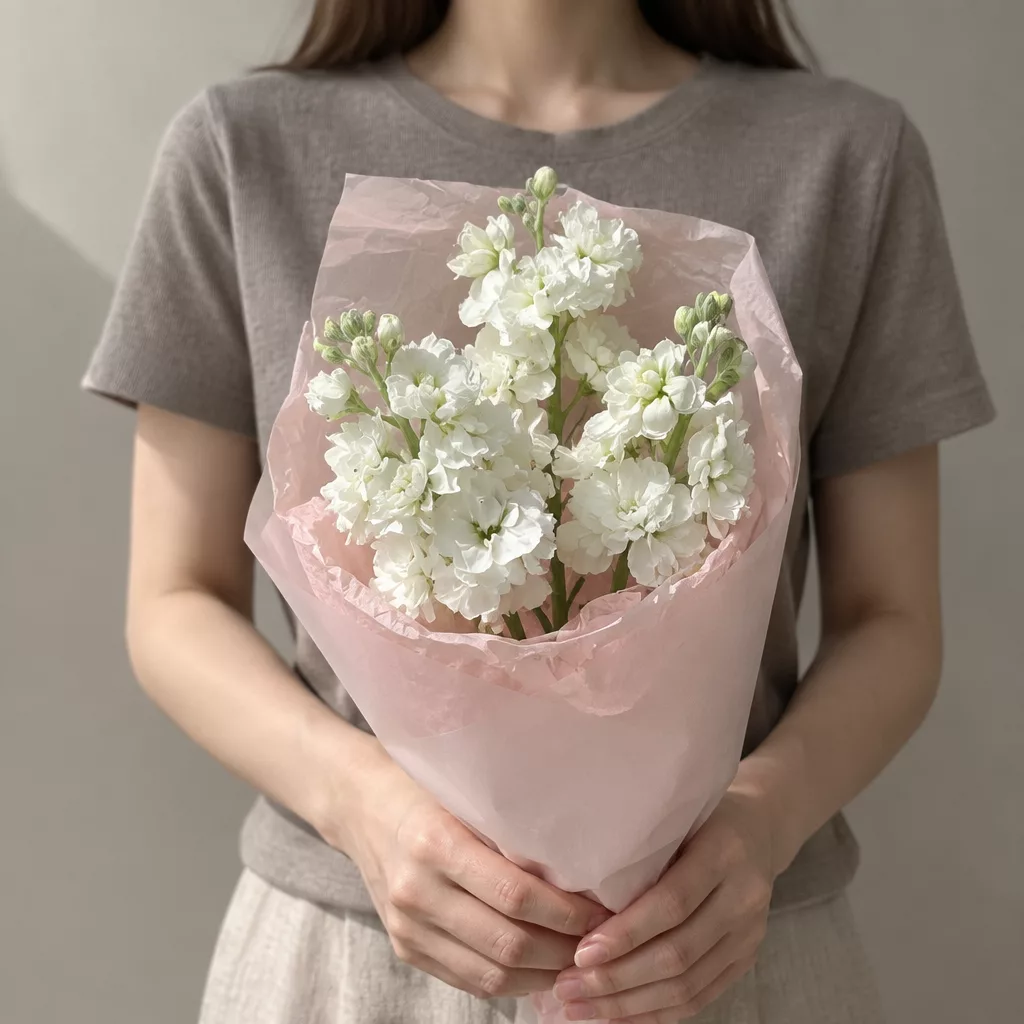
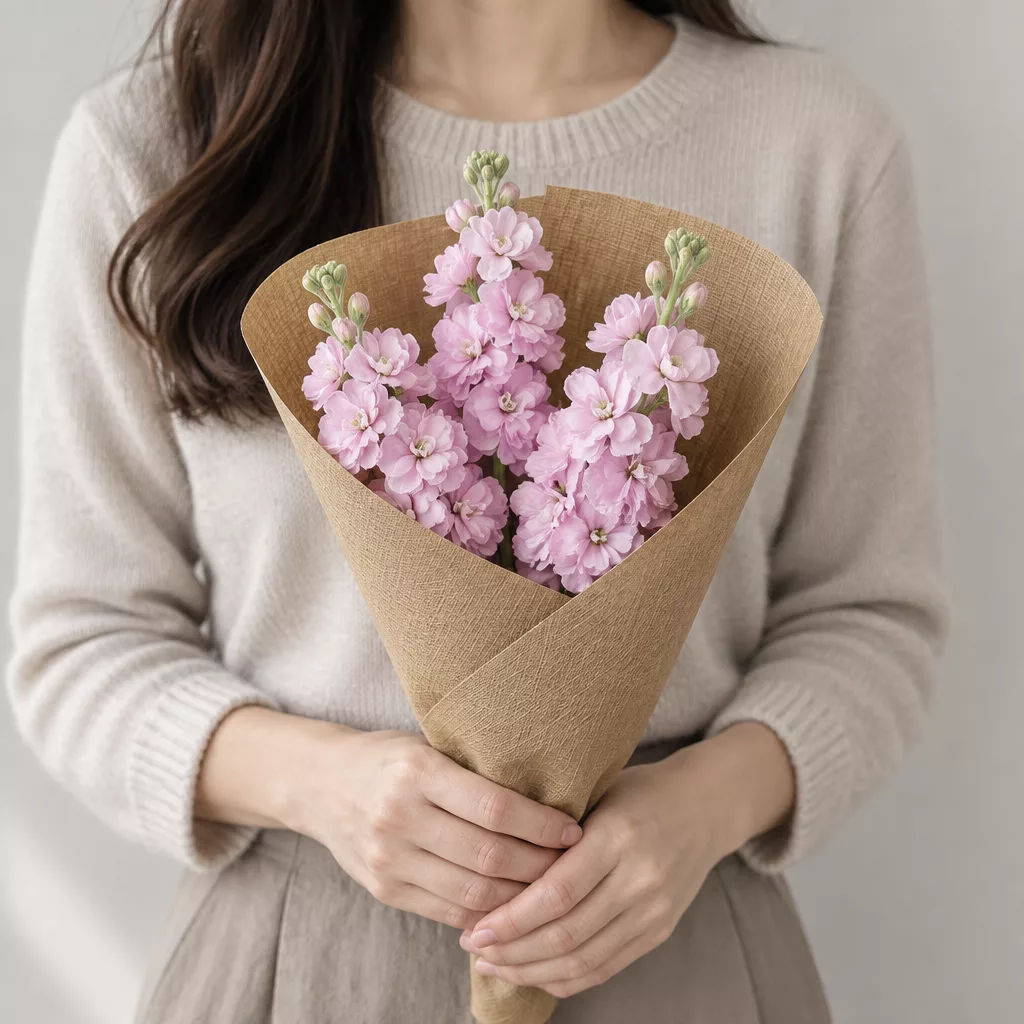
Bouquets we can deliver


What the Occasion Tells You About What to Send
Before you open any catalogue, think about your recipient and what they will feel when the door opens. A young woman celebrating her birthday wants something that makes her gasp a little — full, abundant, unapologetically romantic. Garden roses in blush and cream, mixed with ranunculus and eucalyptus, create that layered, lush feeling. A mother receiving flowers from her child living abroad wants warmth and softness: soft pink peonies in season, or a generous bunch of white and lilac alstroemeria that will last well into the following week.
For a professional milestone — a promotion, a successful defence of a thesis, a business opening — the tone shifts. White and green combinations feel polished and intentional. Chrysanthemums in pure white alongside green trick grass or ruscus have a clean, celebratory quality without being overly sentimental. Orchid stems, particularly Cymbidium, carry a sense of occasion that translates well across cultures.
Sevastopol has a strong tradition around certain dates: International Women's Day on March 8th is the largest flower holiday in Russia by far, and Valentine's Day is growing in popularity, especially among younger residents. If you are sending for either of these dates, order at least three to four days in advance. Demand spikes sharply and the best varieties — particularly red and pink roses, tulips in spring, and peonies in early summer — sell out quickly. Knowing the occasion shapes everything: the variety, the palette, the size of the bouquet, and the note that goes with it.
Choosing Flowers by Budget Without Losing the Feeling
Budget shapes the composition of a bouquet, but it does not have to shrink the feeling it creates. The secret is in choosing the right anchor flower for the price point and building around it intelligently. At a modest budget, a single-variety bouquet done generously — fifteen stems of bright yellow or orange spray roses, for instance — looks intentional and full rather than sparse. Spray roses have multiple small blooms per stem, which gives volume without the cost of large-headed varieties.
At a mid-range budget, you can introduce a second or third element. Alstroemeria paired with white statice and a few stems of blue delphinium is a combination that photographs beautifully and lasts up to ten days in a vase. This is the range where most senders land, and it allows for real creativity in colour and texture. Adding a ribbon in a contrasting colour or a simple kraft paper wrap elevates the presentation considerably.
At a higher budget, the world opens up. Garden roses — varieties like David Austin types with their quartered, full-petalled heads — combined with ranunculus, sweet peas in season, and trailing jasmine create something that feels genuinely luxurious. Protea adds an architectural quality that is increasingly popular in Sevastopol. Tall vase arrangements with Anthurium or Amaryllis make a statement in a home or office that lasts for days.
Whatever the budget, always include a handwritten card message in Russian if possible, or ask the florist to transcribe your words. A bouquet without a note is a missed opportunity to say what the flowers themselves cannot.
Seasonal Availability and What Grows When
Sevastopol has a mild Mediterranean-influenced climate, which means the city itself can grow things that struggle further north. But the flowers in your bouquet are sourced and prepared in Saint Petersburg and delivered fresh, so what matters is what is at peak quality in the wholesale market at the time of your order.
In winter — December through February — roses, carnations, chrysanthemums, and Alstroemeria are the reliable workhorses. Tulips begin appearing in January from Dutch and domestic greenhouse growers. Avoid ordering tropical varieties like Strelitzia in deep winter if the delivery involves any outdoor transit time, as temperatures can damage them between vehicle and door.
Spring brings the most excitement. From March onward, tulips are everywhere in every colour. By April, hyacinths and narcissi fill the market with fragrance. May is when the first peonies arrive, and they are worth ordering specifically — a full bouquet of pale pink or coral peonies in May is one of the most joyful things you can send to anyone.
Summer is the season of lisianthus, sunflowers, and the first dahlias. Dahlias peak in August and September, and their dinner-plate varieties in burgundy, peach, and deep orange are extraordinary. Autumn brings the richest palette: deep red roses, orange and bronze chrysanthemums, berry branches, and dried elements that add texture and longevity.
Ask about what is genuinely at its best on the week you are ordering. A florist who knows their stock will always steer you toward what will look best on arrival, not just what is available.
How to Place Your Order Correctly from Outside Russia
Ordering from abroad requires a few practical steps that differ from a domestic purchase. First, payment: Turboflora accepts international payment methods, so you do not need a Russian bank card. Use the website directly and complete checkout in the currency and method available to you. Keep your confirmation email — it is your reference if you need to follow up.
When entering the delivery address, write it in full Russian transliteration or, better, ask your recipient to send you their address in Russian Cyrillic so you can paste it directly. Errors in street names are the most common reason for delivery delays from international orders. The recipient's phone number must be a working Russian mobile number — a number starting with +7. If your recipient uses WhatsApp or Telegram on that number, note it in the order comments, as couriers often message before calling.
The message card is your personal touch. You can write in English and the team will include it exactly as written, or you can ask for a Russian translation of a short phrase. Keep card messages warm and specific — mention the occasion, say something only you would know, use their name. Generic messages feel like an afterthought.
If you are sending to a workplace rather than a home address, include the company name, floor, and the recipient's full name as it appears on their work ID. Receptionists in Russian offices will not release a delivery without confirming the recipient by name. A small note in the order comments saying the delivery is to an office helps the courier prepare accordingly.
Helping Your Recipient Care for Their Flowers
A beautiful bouquet deserves to last, and the difference between flowers that fade in three days and flowers that stand for ten is almost entirely in how they are handled when they arrive. Because you are not there to help, include care instructions with your order note or send them separately by message.
The first thing your recipient should do is re-cut the stems at an angle — about two centimetres from the bottom — using scissors rather than a knife, and do this under running water or while the stems are submerged. This prevents air bubbles from blocking water uptake. Remove any leaves that would sit below the waterline in the vase, as submerged foliage rots quickly and clouds the water.
Fresh, cool water changed every two days extends vase life significantly. Roses and tulips prefer a cooler room; direct sunlight and radiators shorten their life noticeably. In Sevastopol summers, temperatures in an apartment can climb, so a north-facing room or a spot away from windows is better than a sunny windowsill.
Different flowers have different lifespans. Alstroemeria and chrysanthemums are the longest-lasting cut flowers, often going ten to fourteen days. Roses and lisianthus give a reliable seven to ten days with good care. Tulips and hyacinths are shorter — four to six days — but their impact in that time is worth it. Peonies, when they arrive as tight buds, can take two days to open fully and then last another five to seven days at their peak.
If you want to add something with a longer presence, consider including a small succulent or potted plant alongside the bouquet. It stays long after the cut flowers are gone and becomes a quiet reminder of the person who sent it.
Sending flowers to Sevastopol from abroad is not complicated once you understand the rhythm of it: order ahead of the occasion, give a precise address with a working phone number, choose varieties that suit the season and the person, and include a message that says something real. The distance between you and your recipient is real, but a well-chosen bouquet arriving at exactly the right moment closes that distance in a way that a text or a call simply cannot. Turboflora handles the logistics from Saint Petersburg to Sevastopol so that your care arrives fresh, on time, and exactly as you imagined it.
Frequently asked questions
Which flowers hold up best during delivery into Sevastopol given the distance from abroad?
Chrysanthemums, alstroemerias, and spray roses travel well because they are hardy and do not bruise easily in transit. Peonies and garden roses are beautiful but need careful timing — order them for cooler months or early morning delivery slots. Avoid open lilies for long journeys; ask for them in bud so they open after arrival.
How does the time zone difference between my city and Sevastopol affect when I need to place my order?
Sevastopol runs on Moscow Time, UTC plus three. If you are in London that is two hours behind, in Dubai one hour ahead. For a morning delivery, place your order before midnight Moscow Time the night before. Work backwards from that deadline using your local time so you are not caught scrambling at the last moment.
Can a florist coordinating from Saint Petersburg reliably reach addresses in Sevastopol itself?
Yes, but the address must be complete. Include the street, building number, apartment number, entrance code, and a local Sevastopol phone number the courier can call. Incomplete addresses are the most common reason deliveries are delayed or missed, especially when the order originates internationally and there is no easy way to clarify details quickly.
What combination of flowers works well for a recipient in Sevastopol who appreciates the city's maritime character?
Think of whites, soft blues, and sandy creams — white freesias with dusty miller and pale hydrangea echo the coast without being literal about it. Lavender and eucalyptus add a Mediterranean feel that suits the city's climate and character. Avoid overly tropical arrangements; they can feel disconnected from the setting and the person receiving them.
Is same-day delivery from abroad to Sevastopol genuinely possible, and what does it require?
It is possible but narrow. Your order needs to reach the coordinating florist before noon Moscow Time, the recipient's address must be complete, and their local phone number must be active. Any gap in those three conditions pushes the order to the next available slot. For anything important — a birthday, an anniversary — place the order a day ahead and remove the uncertainty entirely.
Ready to send flowers?
Pick the city, choose the bouquet, and a local florist takes it from there.
Choose a city →