Sending Flowers to Sosensky from Abroad? Here Is What Actually Matters
You are somewhere in Europe, North America, or Asia, and someone you love is in Sosensky — a quiet town in Kemerovo Oblast, deep in Siberia. You want to send flowers that arrive fresh, feel thoughtful, and land at exactly the right moment. The distance between you and that person is real, but it does not have to show in the bouquet. This guide walks you through everything a sender outside Russia needs to know, from placing an order across time zones to choosing varieties that survive a Siberian winter and still open beautifully on a kitchen table.
Understanding Where Sosensky Actually Is
Sosensky sits in Kemerovo Oblast in western Siberia, a region most people outside Russia picture only as somewhere very cold and very far away. That instinct is correct on both counts, and it matters when you are ordering flowers. The town is small, the winters are long, and temperatures in January and February regularly drop well below minus twenty degrees Celsius. Summer is short but genuinely warm, with July temperatures reaching the mid-twenties.
For a sender abroad, the most important practical fact is the time difference. Sosensky runs on Kemerovo Time, which is UTC plus seven. If you are in London, that is a seven-hour gap in winter and six in summer. If you are in New York, you are looking at ten hours or more. This means the moment you think of ordering — say, nine in the evening on a Tuesday in Berlin — it is already four in the morning on Wednesday in Sosensky. Planning one day ahead is not overcaution; it is simply good sense.
Knowing the geography also helps you choose the right flowers. Varieties that travel well in cold conditions, such as spray roses, alstroemeria, and sturdy chrysanthemums, are more reliable choices in winter than delicate open-faced blooms like garden ranunculus or anemones. A florist who understands the route will compose accordingly, making sure the bouquet survives the last stretch and still looks like something worth photographing when it arrives at the door.
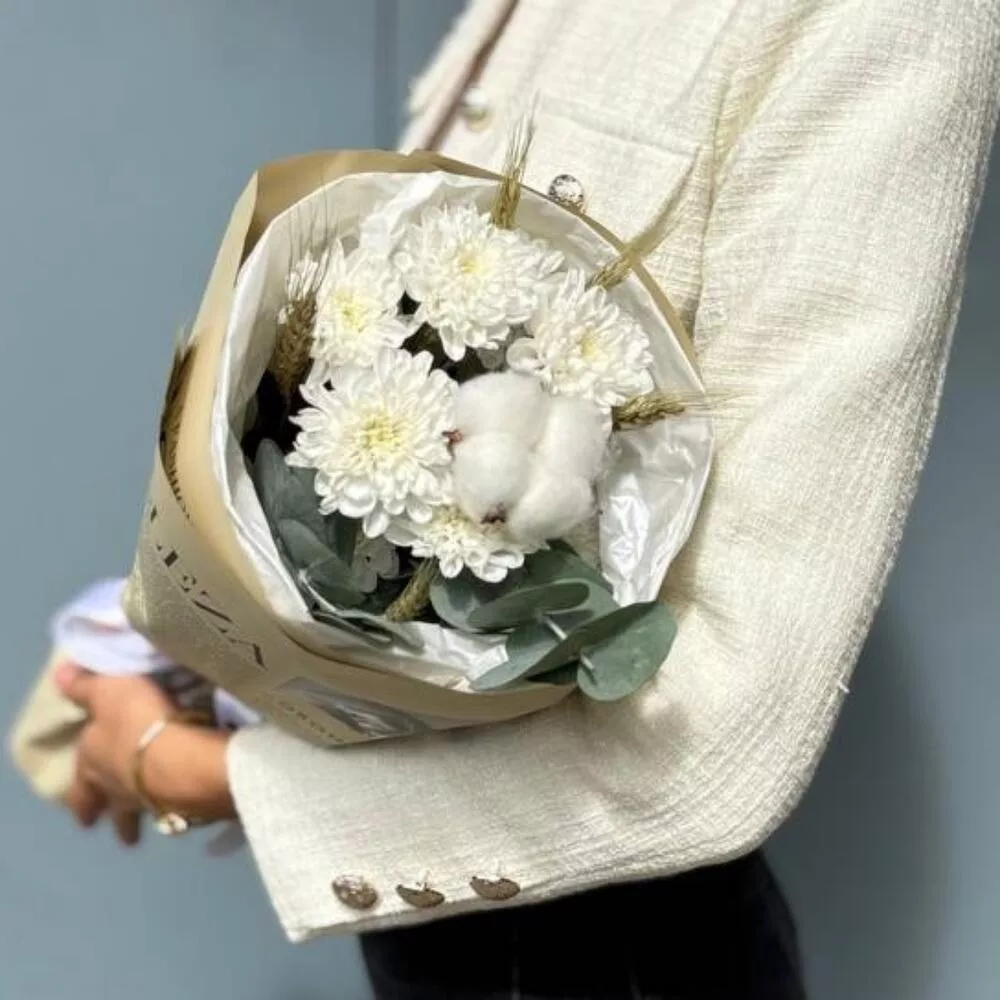
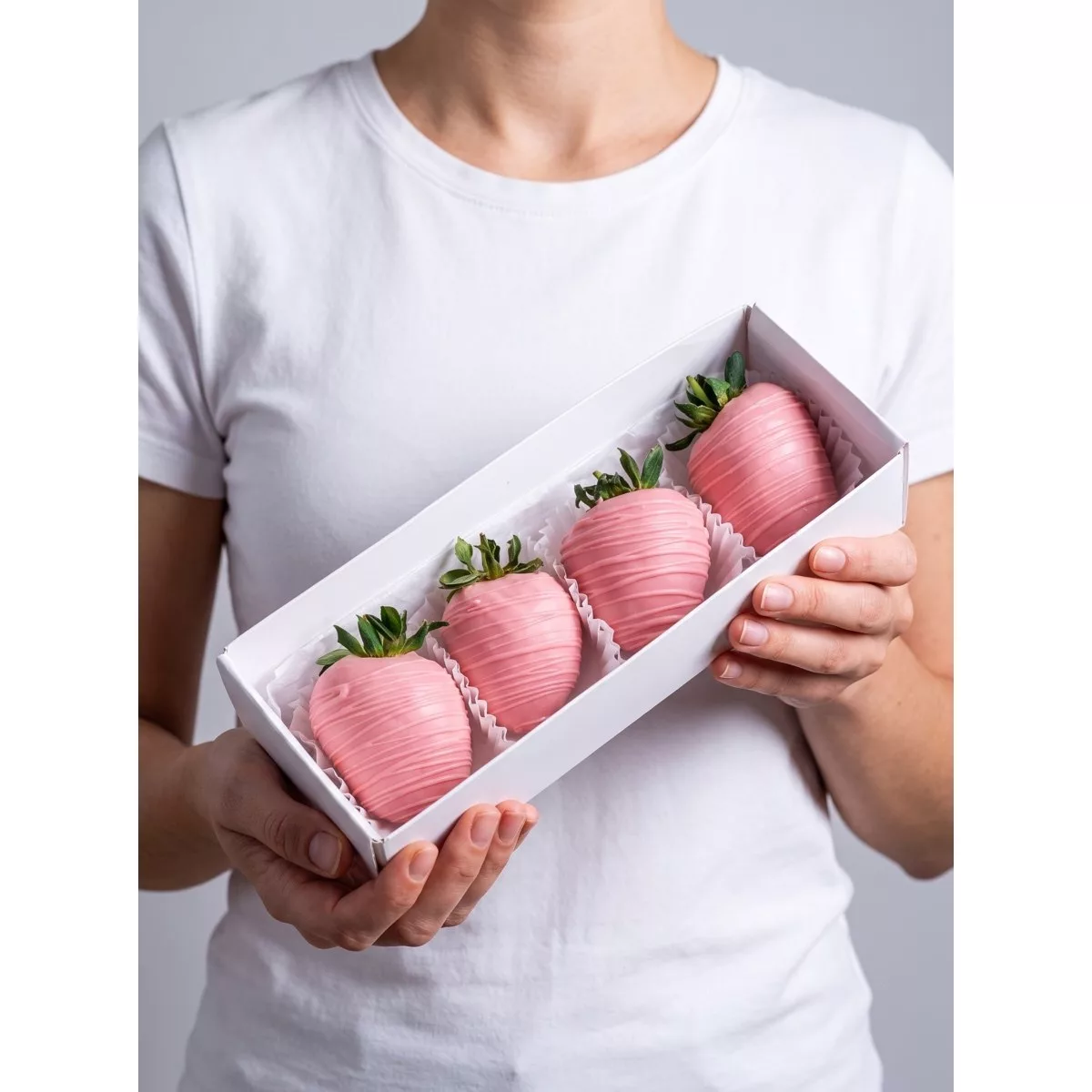
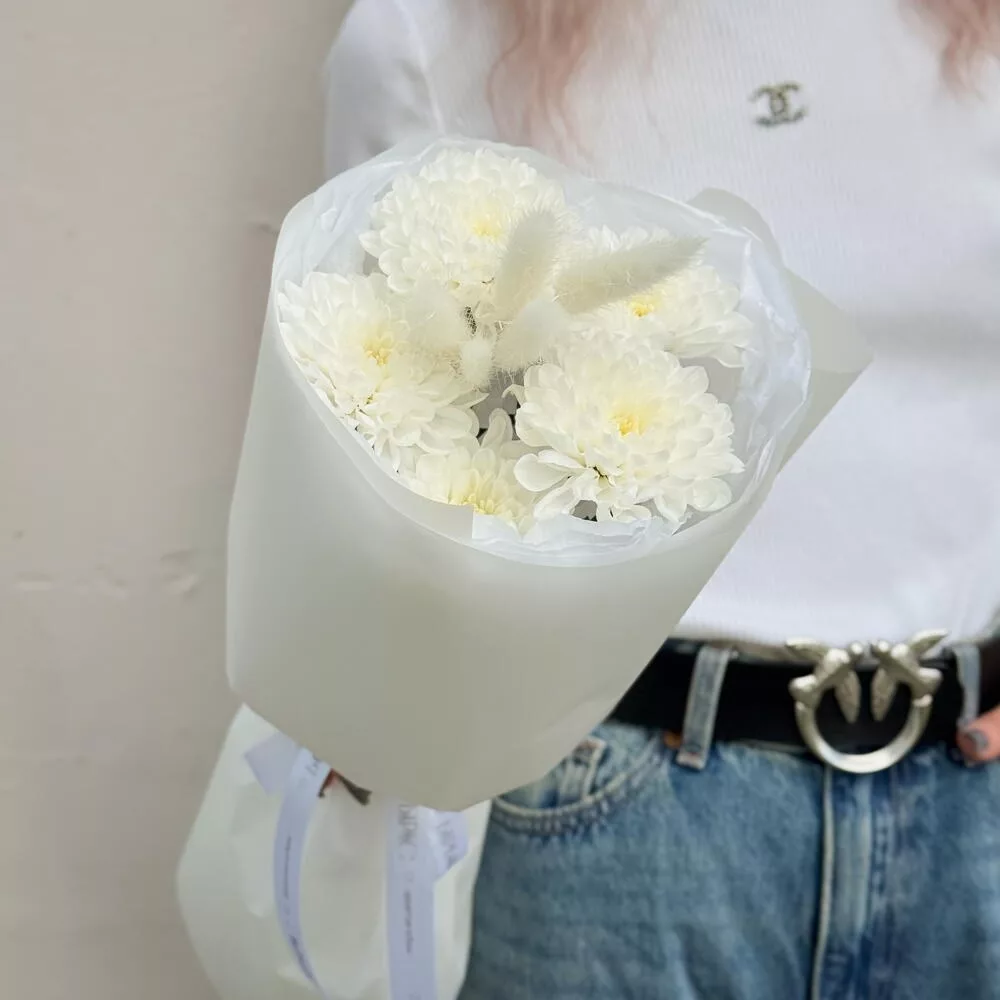
Bouquets we can deliver

Choosing the Right Occasion and What Russian Recipients Expect
Russian flower-giving culture has a few conventions that are genuinely different from what most Western senders are used to, and understanding them will make your gift land far better. The most important rule is the odd-number rule: bouquets given as gifts always contain an odd number of stems. Even numbers are reserved for very different occasions that you want to avoid entirely. If you order a wrapped bouquet and specify twelve roses, a good florist will adjust to eleven or thirteen without being asked. It is worth knowing this so you are not surprised by the count.
Birthdays are the most common occasion for flower delivery, and Russians tend to take them seriously. A birthday bouquet is expected to feel abundant and celebratory rather than minimal. Roses are the default and always appreciated, but a mix of spray roses, lisianthus, and eucalyptus reads as genuinely considered rather than last-minute. For a woman turning a significant age — thirty, forty, fifty — scale matters. A small hand-tied bunch is sweet; a full, structured bouquet says you thought about it.
For anniversaries and romantic occasions, red roses remain the classic choice and they carry no ambiguity in meaning. Softer palettes of blush, peach, and cream work well for newer relationships or for gestures of appreciation rather than romance. For a colleague, teacher, or neighbor — occasions that come up more than people expect — single-variety bouquets of tulips in spring or chrysanthemums in autumn feel appropriate and not overly personal. The key is matching the scale of the gesture to the relationship, and a florist can help calibrate that if you describe the situation.
How to Place an Order from Outside Russia Without Confusion
Ordering from abroad sounds complicated until you break it down into a few concrete steps. The first thing to sort out is the delivery address. Russian addresses follow a specific format: street name, building number, apartment number, city, region, and postal code. If you only have a partial address — say, a street and a name — ask the recipient's family member if possible, or note in your order that you need confirmation. An incomplete address is the single most common reason a delivery is delayed or rerouted.
Payment from abroad is handled through international card processing, which Turboflora supports. Most major Visa and Mastercard cards work without issue. If your card is declined on the first attempt, it is usually a bank security flag on an unfamiliar merchant country, not a problem with the order itself. A quick call or message to your bank resolves it in minutes. Some senders prefer to use a family member inside Russia to place the order on their behalf, which also works smoothly.
The message card is worth taking time over. You can write in English and have it transliterated, or write in Russian if you have the capability. Either way, keep the message warm and specific — mention the occasion, say something only you would say, and avoid generic phrases. A card that reads like it was written by a person rather than copied from a template means more than the flowers themselves to many recipients. If you are unsure of the Russian transliteration of your name, write it phonetically and the florist will handle the rest. The card is printed and included with the bouquet, not handwritten, so legibility is not a concern.
Seasonal Flowers That Work Well in Sosensky's Climate
Sosensky's climate shapes which flowers are available and which hold up best at different times of year. In winter, from November through March, the safest choices are flowers that tolerate cold transport: roses, carnations, spray roses, alstroemeria, and chrysanthemums. These varieties are grown in controlled greenhouse conditions and arrive in good condition even when the last leg of delivery involves stepping out into minus fifteen. Avoid requesting open tropical blooms like bird of paradise or anthuriums in deep winter, as temperature shock can cause rapid browning.
Spring, from April through May, brings tulips in abundance. Tulips are enormously popular in Russia for spring birthdays and for Women's Day on the eighth of March, which is one of the biggest flower-giving occasions in the Russian calendar. If the person you are sending to has a birthday or an anniversary in early March, expect high demand and order at least two days in advance. Daffodils and hyacinths also appear in spring and are genuinely loved, carrying a sense of freshness that heavier roses sometimes do not.
Summer opens up the palette considerably. Lisianthus, which looks like a softer, ruffled rose, becomes more available and holds well in warmer temperatures. Peonies arrive in June and are considered by many Russian recipients to be among the most luxurious flowers you can send — they have a short season, so receiving them feels timely and special. Sunflowers work beautifully in summer arrangements for cheerful, informal occasions. Autumn brings dahlias and solidago, which combine well with deep-toned roses for a warm, harvest-season feeling that suits September and October birthdays particularly well.
Timing Your Order Across Time Zones
The time zone gap between most countries and Sosensky is the detail that trips up more senders than any other. Turboflora delivers within one to two hours of order confirmation, which is genuinely fast — but that window only opens during operating hours in Sosensky's time zone, not yours. Before you place an order, convert the current time to UTC plus seven and check that delivery will land at a reasonable hour for the recipient. A bouquet arriving at seven in the morning is a surprise; one arriving at eleven at night is an inconvenience.
For same-day delivery, place your order before early afternoon Sosensky time. If you are in Western Europe, that means ordering before eight or nine in the morning your time. If you are in North America, same-day delivery to Sosensky almost always requires ordering the evening before your local time, which corresponds to morning in Sosensky. It sounds counterintuitive but becomes second nature once you have done it once.
For milestone occasions — a significant birthday, a wedding anniversary, a graduation — ordering the day before is genuinely worth it. You can specify a delivery window, which means the bouquet arrives when the recipient is home and in the right setting to receive it, rather than being left with a neighbor or at a door. If the occasion is a surprise, note that in the order so the delivery team can be discreet about the sender's name until the card is opened. These small details are what separate a good delivery from a genuinely memorable one, and they cost nothing extra to request.
Presentation, Wrapping, and What the Bouquet Will Look Like on Arrival
Russian bouquet presentation has its own aesthetic that differs noticeably from Scandinavian minimalism or British hand-tied styles. Wrapping tends to be full and generous — kraft paper, matte film, or fabric wrapping that encloses the stems completely and creates a gift-like silhouette. The bouquet is often tied with a wide satin ribbon in a color that complements the flowers. This presentation style signals care and celebration rather than casualness, which is appropriate for most gifting occasions.
If you want to add something alongside the flowers, a small box of chocolates or a soft toy for a child's birthday can be included with the order. These additions are not afterthoughts in Russian gift culture — they make the delivery feel more complete, especially when the sender cannot be there in person. A handwritten-style card, even when printed, should be placed visibly with the bouquet rather than tucked inside the wrapping, so the recipient sees it immediately.
On arrival, the recipient will typically unwrap the bouquet and place it in water within the first hour. It helps to include care instructions, which Turboflora adds to the order. The standard advice — trim stems at an angle, change water every two days, keep away from direct heat and drafts — extends vase life significantly. Roses and lisianthus last seven to ten days in good conditions. Tulips are shorter at four to six days but open dramatically and look stunning while they last. Chrysanthemums are the longest-lasting cut flower available in Russia, often holding for two weeks, which makes them a practical choice for someone who lives alone and cannot refresh a vase frequently.
Common Mistakes Senders from Abroad Make and How to Avoid Them
The most frequent mistake is underestimating how much lead time the time zone difference requires. Senders in the United States often place an order at what feels like a reasonable midday hour, not realizing it is already late evening in Sosensky. The order goes in, the delivery window has passed, and the bouquet arrives the following morning instead of on the birthday itself. The fix is simple: convert the time before you start, not after.
The second common mistake is providing an incomplete or incorrectly formatted address. Russian addresses include building numbers that can have sub-numbers — for example, building 14, corpus 2, apartment 37. If you leave out the corpus number, the delivery may go to the wrong entrance of a large residential complex. When in doubt, ask the recipient's family member to confirm the full address in writing, then copy it exactly into the order form.
A third mistake is choosing flowers based purely on personal taste without considering the season or the recipient's context. Sending peonies in January is not possible because they are not in season. Sending a very large, formal arrangement to a recipient in a small apartment can feel overwhelming rather than generous. Describing the recipient and the occasion to the florist — her age, the relationship, whether she lives alone or with family — produces a much better result than simply picking a photograph from a catalogue.
Finally, some senders forget to account for Russian public holidays, when demand spikes and same-day delivery windows fill quickly. Women's Day on March eighth, Valentine's Day, and New Year's Eve are the three busiest periods. Ordering forty-eight hours ahead during these windows is not excessive — it is the difference between the bouquet your recipient deserves and a rushed alternative.
Sending flowers to Sosensky from abroad is entirely achievable, and when it goes well, it goes very well. The distance collapses the moment someone opens a door and finds a fresh, carefully composed bouquet waiting for them — something that says you thought about them specifically, not just about sending something. Get the time zone right, give the full address, choose varieties that suit the season and the person, and let the florist handle the rest. The one to two hour delivery window means the flowers arrive close to when you intended, not days later. For someone far from home reaching out to someone even further away, that precision is exactly the point.
Frequently asked questions
Can I send flowers to Sosensky if I do not speak Russian?
Yes, entirely. The Turboflora order process works in English, and your card message can be written in English or transliterated into Russian. You do not need to know the language to place a complete, accurate order. The only thing to double-check is that the delivery address is written in the correct Russian format, which a family member inside Russia can confirm for you.
What is the best flower to send for a birthday in Sosensky in winter?
Roses are the safest and most appreciated choice in winter, as they travel well in cold conditions and read as genuinely celebratory. Spray roses combined with lisianthus and greenery make a fuller, more considered bouquet than single-variety arrangements. Chrysanthemums are also excellent in winter — long-lasting, widely loved, and available in a range of colors that suit both younger and older recipients.
How far in advance should I order for Women's Day on March eighth?
At least forty-eight hours in advance, ideally more. March eighth is the single busiest flower-giving day in Russia, with demand that significantly exceeds a normal day. Placing your order on March sixth or even March fifth ensures your chosen variety and arrangement size are available and that a delivery window is secured for the time you want the bouquet to arrive.
Will the flowers survive the cold during delivery in a Siberian winter?
Yes, when the right varieties are chosen. Roses, carnations, alstroemeria, and chrysanthemums are all robust in cold transit and are standard choices for winter delivery in Siberia. The delivery is handled quickly — within one to two hours of order confirmation — which minimizes exposure time. Avoid requesting tropical or very delicate open-faced blooms in January and February, as temperature shock can affect them.
Can I include a gift with the flowers, and does it need to be ordered separately?
Small additions such as a box of chocolates or a soft toy for a child's birthday can be included with your flower order and do not require a separate transaction. Mention what you would like to add in the order notes or during checkout. These additions are common in Russian gift culture and make the delivery feel more complete, particularly when the sender cannot be present for the occasion.
Ready to send flowers?
Pick the city, choose the bouquet, and a local florist takes it from there.
Choose a city →