Sending Flowers to Tosno from Abroad — Your Practical Florist's Guide
You are sitting in Berlin, Toronto, or Dubai, and someone you care about is in Tosno — a quiet town about fifty kilometres south of Saint Petersburg. You want to send them flowers, something real and fragrant that arrives on time, not a wilted afterthought. Ordering across borders feels uncertain, but it does not have to be. Here is everything a sender outside Russia genuinely needs to know before placing that order.
Why Tosno Is Easier to Reach Than You Might Think
Tosno sits along the main Moskovsky highway corridor, and its residential addresses are well mapped and accessible. For a florist operating out of Saint Petersburg, this town is a natural delivery zone — close enough that a courier can reach most streets within one to two hours of the order being confirmed. That matters enormously when you are sending flowers for a birthday morning or a spontaneous anniversary surprise from thousands of kilometres away.
What makes international ordering feel complicated is usually the time zone gap, not the geography. Saint Petersburg runs on Moscow Time, which is UTC plus three. If you are in London, that is three hours ahead of you. If you are in New York, it is eight hours ahead. Plan your order with that offset in mind, and the logistics become straightforward. Placing an order at nine in the morning your time might mean midday delivery in Tosno — which is often perfect.
Tosno is a working town, not a tourist destination, so the recipient will genuinely appreciate a thoughtful bouquet arriving at their door. People here are not accustomed to extravagant floral gestures from abroad, which means the impact of a well-chosen arrangement is even greater. The surprise lands harder, the emotion is more visible, and the effort you made across time zones is felt immediately. Start with that image in mind when you are choosing what to send.
Bouquets we can deliver
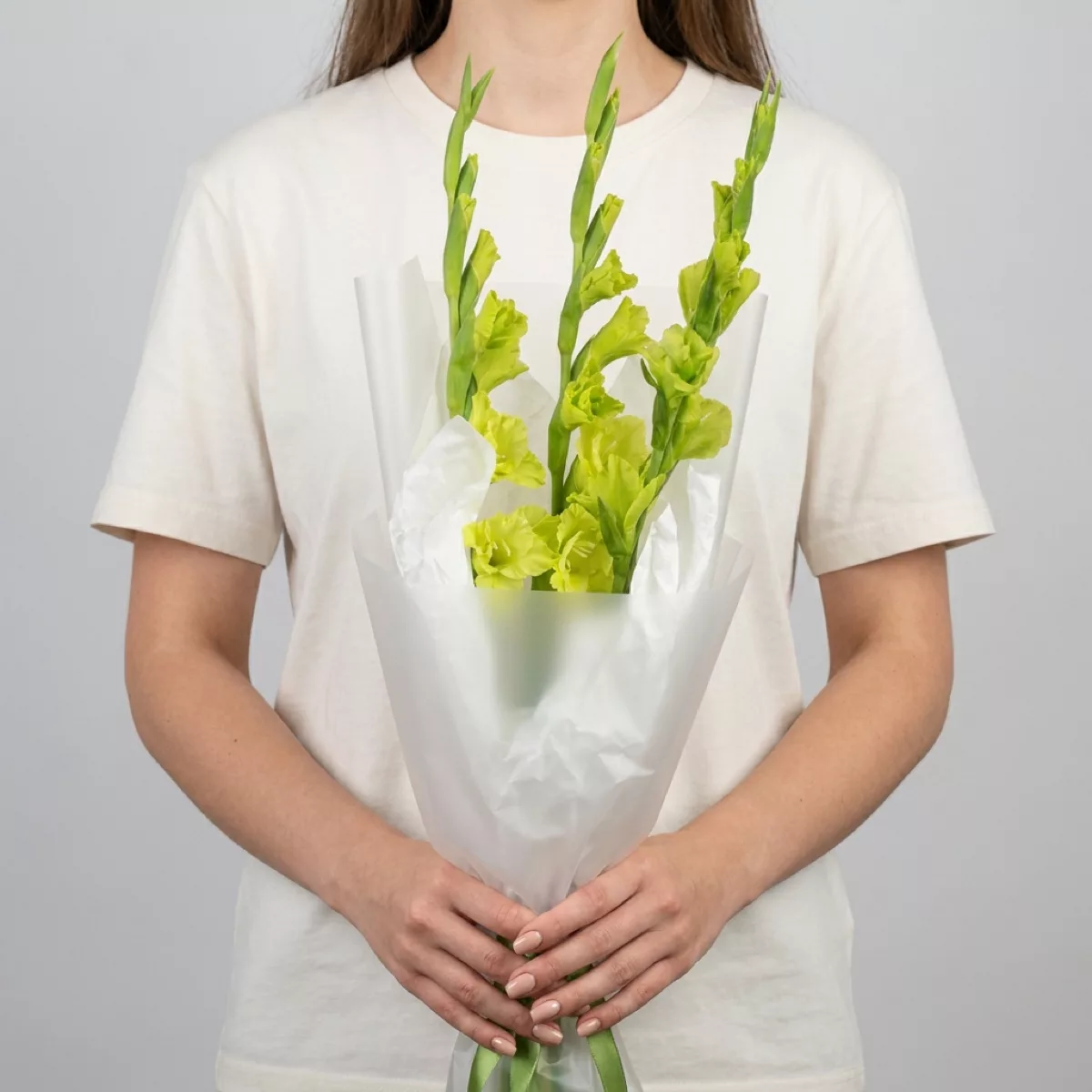
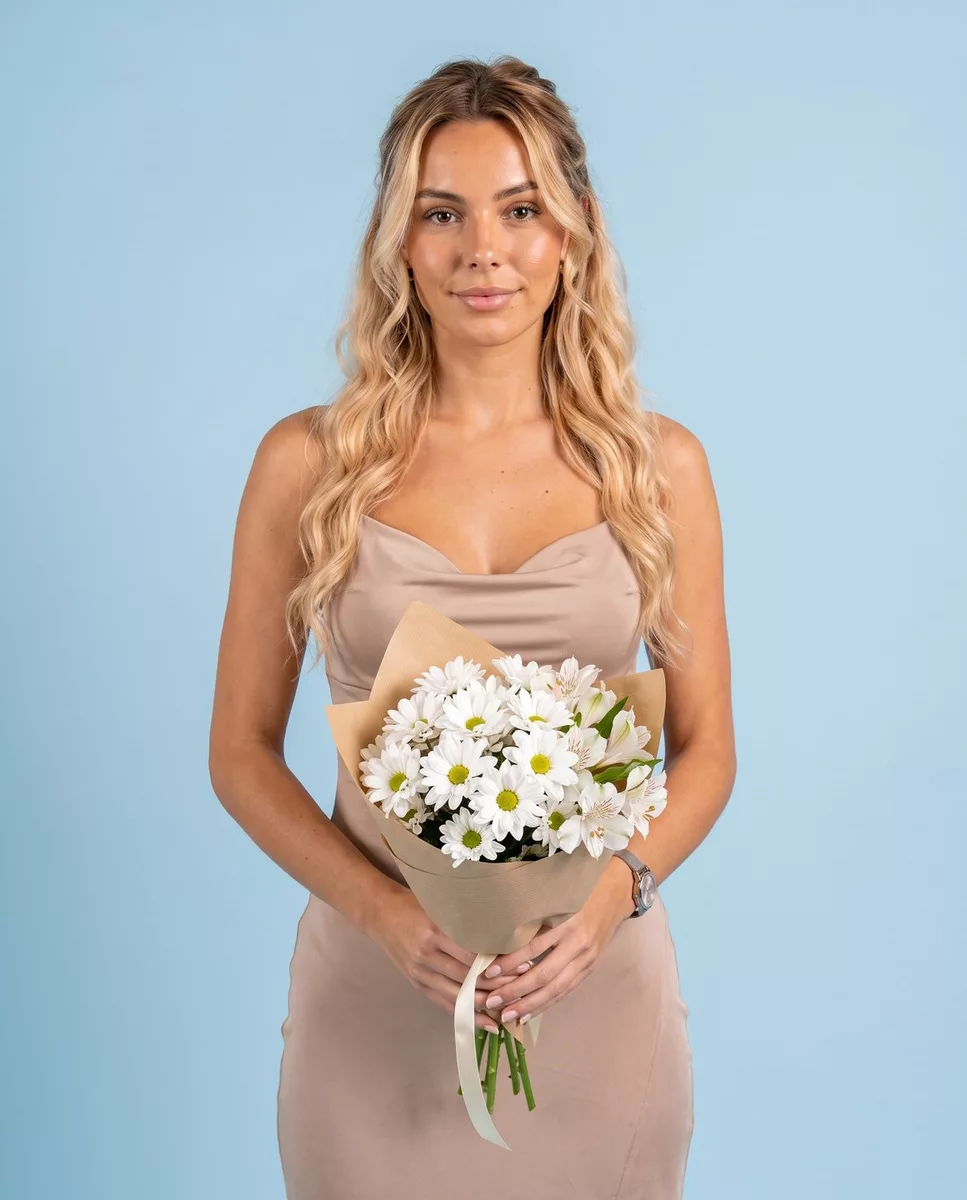
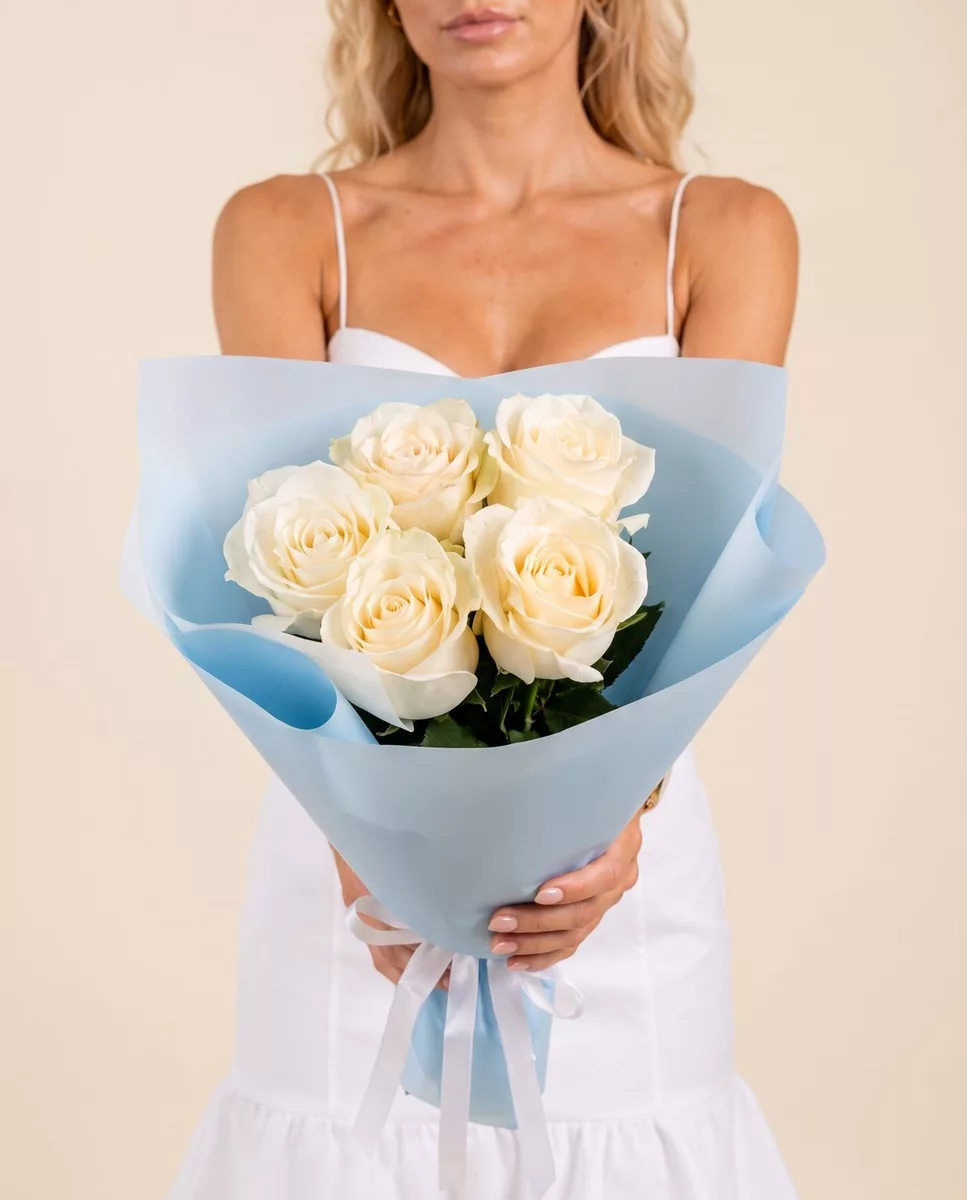
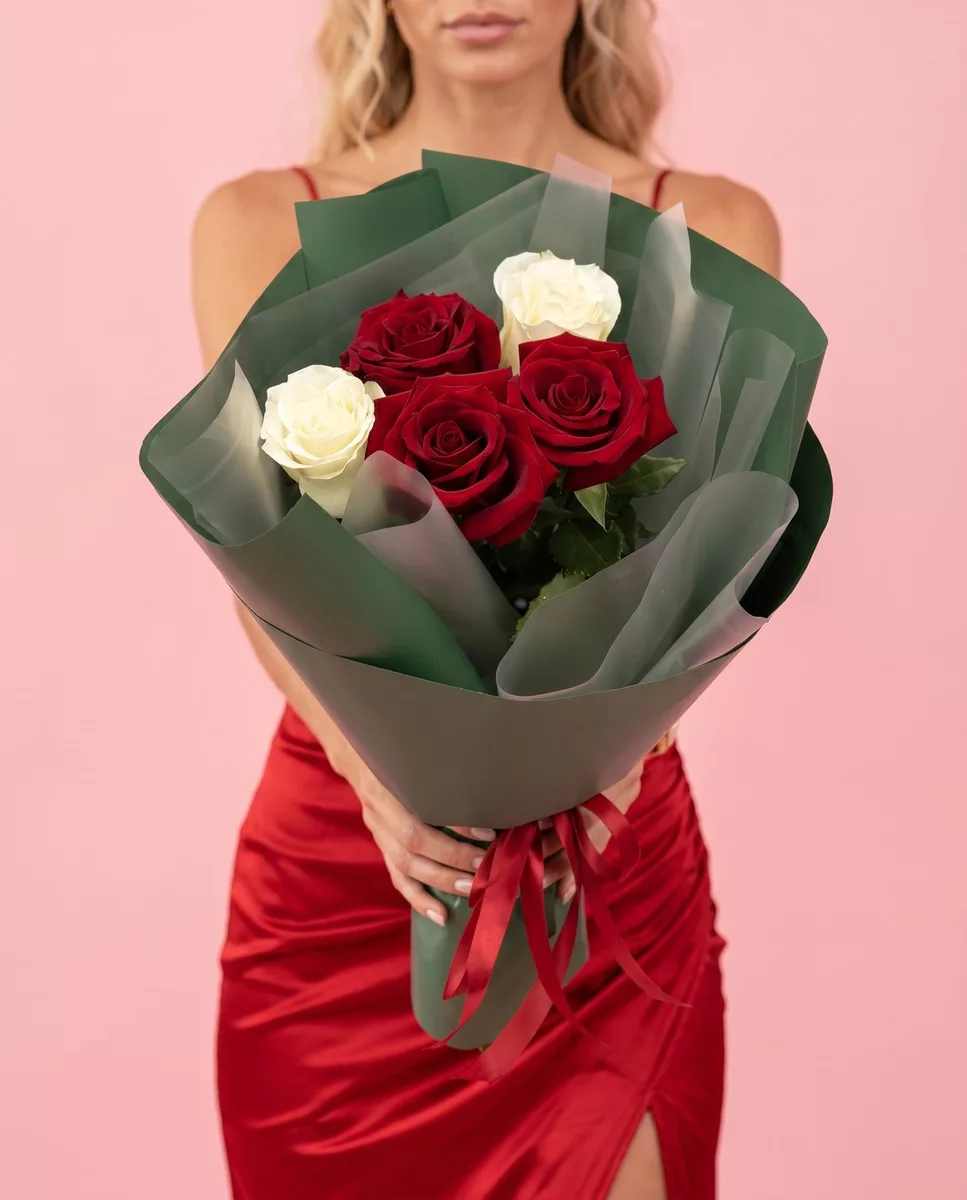
Understanding Russian Flower Customs Before You Order
Russian floral culture has a few unwritten rules that a sender from abroad should know, because getting them right shows genuine care and getting them wrong can create an awkward moment for the recipient. The most important rule is the odd-number rule: bouquets given as gifts always contain an odd number of stems — one, three, five, seven, and so on. Even numbers are associated with mourning ceremonies and are not appropriate for celebratory or affectionate occasions. A good florist will already compose bouquets this way, but it is worth confirming when you place a bespoke order.
Red roses carry a strong romantic meaning in Russia, more so than in many Western countries. Sending a large red rose bouquet to a colleague or a platonic friend might be misread. For friendships, birthdays, and family occasions, softer palettes work beautifully — blush peonies, white lisianthus, lavender spray roses, or sunflowers depending on the season. These feel warm and celebratory without any romantic ambiguity.
Russians also place real value on lush, full-looking bouquets. A sparse, deconstructed arrangement that might feel chic in a Scandinavian context can read as stingy or incomplete here. Volume and layering — different flower heights, some greenery, a generous wrap — signal that the sender put genuine thought and generosity into the gift. When in doubt, go fuller rather than more minimal, and let the florist guide the composition.
Choosing the Right Flowers for the Person and the Moment
Think first about who is receiving the bouquet and what they will feel when they open the door. A grandmother celebrating her birthday in Tosno will likely treasure something classic and fragrant — garden roses, white or cream chrysanthemums, or a mixed bouquet with alstroemeria that lasts well into the following week. A younger woman might love a bouquet built around ranunculus, eucalyptus, and dusty miller in muted, sophisticated tones. A man receiving flowers for a professional achievement might appreciate something structured — anthurium, tropical leaves, or a bold sunflower arrangement.
For romantic occasions, deep burgundy roses paired with white gypsophila remain a timeless combination in Russia. If you want something more contemporary, try blush garden roses with dried pampas grass accents or a monochromatic arrangement in coral and peach tones using spray roses and lisianthus. These feel fresh without being unfamiliar to the recipient.
The season matters too. In winter, tulips and hyacinths arrive from greenhouse growers and feel genuinely luxurious because they carry the idea of spring. In summer, peonies are the star of every Saint Petersburg market from late May through June, and they travel beautifully to Tosno in the cooler morning hours. Autumn calls for dahlias, orange roses, and warm-toned chrysanthemums that echo the colours outside the window. Matching the bouquet to the season shows attention that the recipient will notice and remember.
Timing Your Order Across Time Zones Without Stress
The single most common mistake international senders make is placing an order too late in their own evening, not realising it is already past working hours in Russia. Saint Petersburg florists typically handle same-day delivery for orders placed before a certain cutoff — usually early to mid-afternoon Moscow Time. If you miss that window, the delivery shifts to the following morning, which may or may not suit your occasion.
A reliable approach is to plan one day ahead. If the birthday is on a Thursday, place the order on Wednesday evening your time — which in most European and American time zones falls within Thursday morning in Saint Petersburg. This gives the florist time to source the freshest stems for that day, compose the arrangement carefully, and dispatch the courier with no rush. Last-minute orders are possible and we handle them regularly, but a day's notice almost always produces a better result.
For very specific delivery windows — say, you want the flowers to arrive before the recipient leaves for work at eight in the morning — communicate that clearly in the order notes. Russian florists understand the idea of timed delivery, and a good shop will do its best to honour a specific hour. Include any access notes for the address: whether it is a flat in a multi-storey building, whether there is an intercom, and whether the recipient should expect the courier or be surprised. That last detail changes how the delivery is handled entirely.
What to Write on the Card — Across Languages and Distances
A handwritten card accompanying a bouquet is standard in Russia, and most recipients expect one. When you are ordering from abroad, you will type the message and the florist prints or writes it out. Keep this in mind: a message in English will be delivered as written, and if the recipient does not read English fluently, the emotional impact is diluted. If you know even a few words in Russian, use them — or ask the florist to help translate a short phrase.
Common occasions have fairly standard phrases in Russian. For a birthday, the phrase is simply S Dnyom Rozhdeniya, which means Happy Birthday. For a general warm greeting, Vsego nailuchshego means All the best. These are easy to include phonetically if you do not read Cyrillic, and the florist can render them properly on the card. Even one sentence in Russian, however imperfect, tells the recipient that you made an extra effort.
Keep the message short and specific. Rather than a general greeting, name the occasion and say something personal — something only you would know to say. That specificity is what makes the card worth reading twice. Avoid overly formal language, which can feel cold in Russian culture; warmth and directness are much more appreciated. If the bouquet is a surprise, you can ask that the card be placed inside the wrapping rather than visible on the outside, so the recipient discovers it when they unwrap the flowers at home.
Helping Your Recipient Care for the Flowers Once They Arrive
Flowers delivered in winter face a particular challenge in Russia. Stepping from a heated courier bag into a cold hallway and then into a warm apartment creates temperature stress that shortens vase life. Advise your recipient — if they know the flowers are coming — to let the bouquet rest in a cool room for twenty to thirty minutes before unwrapping and trimming the stems. This acclimatisation step makes a genuine difference, especially for tulips and roses, which are sensitive to sudden warmth.
The basic care steps are the same everywhere but worth passing along. Trim the stems at a diagonal cut under running water, which prevents an air bubble from blocking water uptake. Remove any leaves that would sit below the waterline, because submerged foliage rots quickly and clouds the water. Change the water every two days and re-trim the stems each time. Keep the vase away from direct sunlight, radiators, and fruit bowls — ethylene gas from ripening fruit accelerates petal drop.
For specific varieties: roses last seven to ten days with proper care; lisianthus and alstroemeria can reach twelve to fourteen days; tulips are shorter at five to seven days but open beautifully in a warm room. Peonies, when they arrive as tight buds, need a warm room and fresh water to open fully — this usually takes twenty-four to forty-eight hours and the result is spectacular. Letting your recipient know what to expect from their specific bouquet is a small gesture that extends the pleasure of receiving it.
How to Place the Order and What Information You Will Need
Ordering from abroad is straightforward when you have the right details ready before you begin. The most important piece of information is the full delivery address in Tosno — street name, building number, flat number, and the recipient's phone number. Russian addresses follow the format of street name first, then building number, then flat number. If you are not sure of the exact address, a phone number for the recipient is essential, because the courier will call ahead to confirm location and access.
Payment from abroad is typically handled by international card, and most reputable Russian flower shops support this. You will usually select the bouquet or arrangement type, specify the delivery date and preferred time window, add the card message, and complete payment in one session. The whole process takes about ten minutes if you have your information ready.
If you have a special request — a specific flower that is important to the recipient, a particular colour palette, or a non-standard arrangement size — write it in the order notes rather than assuming the default options will cover it. Florists appreciate specific direction because it helps them make something that genuinely fits the person. Also note if the delivery is a surprise: in that case, the courier will not call the recipient in advance but will ring the doorbell and present the bouquet directly. This is a common request and handled smoothly when flagged at the time of ordering.
Sending flowers to Tosno from another country is less complicated than the distance suggests. The key is knowing the time zone, respecting a few Russian customs around odd numbers and bouquet volume, choosing flowers that suit the person and the season, and giving the florist enough information to deliver something genuinely beautiful. When all of those pieces come together, what arrives at the door in Tosno is not just a bouquet — it is proof that someone on the other side of the world was thinking carefully about this person on this particular day. That is what flowers across distance are really for.
Frequently asked questions
Can I order flowers for Tosno delivery if I am in a completely different time zone?
Yes, absolutely. The key is to account for the time difference with Saint Petersburg, which runs on Moscow Time at UTC plus three. Placing your order the evening before the occasion in your local time usually means the flowers arrive fresh on the morning of the event in Tosno. Clear delivery instructions in the order notes help enormously when you cannot be reached easily during Russian working hours.
Why do Russian bouquets always have an odd number of flowers?
In Russian tradition, even numbers of flowers are associated with funeral and mourning ceremonies, while odd numbers are used for all joyful and affectionate occasions. This is a deeply held cultural norm across generations. A florist serving Russian recipients will automatically compose gift bouquets with odd stem counts, but if you are placing a very specific custom order, it is worth confirming this detail to avoid any unintended message.
What flowers are available for delivery to Tosno in winter?
Winter is actually a strong season for greenhouse-grown tulips, which feel luxurious and spring-like when everything outside is frozen. Roses, chrysanthemums, alstroemeria, and lisianthus are available year-round through professional supply chains. Hyacinths appear in late winter and are wonderfully fragrant. Peonies and garden roses are not typically available fresh in January and February, so a florist will suggest the best seasonal alternatives.
How do I make sure the delivery is a surprise and the recipient does not find out early?
When placing your order, specify clearly in the notes that the delivery is a surprise. This tells the courier not to call the recipient in advance to confirm arrival — they will simply ring the doorbell and present the bouquet. Make sure the delivery address and building access details are accurate, since the courier cannot ask the recipient for help without revealing the surprise. A working phone number for a neighbour or building manager is useful as a backup.
How long will the flowers last after delivery in Tosno?
Vase life depends on the variety. Roses typically last seven to ten days with clean water and trimmed stems. Alstroemeria and lisianthus can reach twelve to fourteen days. Tulips are shorter at five to seven days but open beautifully. The biggest factor after delivery is keeping the bouquet away from heat sources and direct sunlight, changing the water every two days, and re-trimming the stems each time. Winter heating in Russian apartments can shorten vase life, so a cool spot in the room helps.
Ready to send flowers?
Pick the city, choose the bouquet, and a local florist takes it from there.
Choose a city →