Sending Flowers to Ulyanovsk from Abroad Without the Guesswork
You are somewhere far from Russia — a different time zone, a different climate, maybe a different season altogether — and someone you care about is in Ulyanovsk waiting, perhaps without knowing it yet. Sending flowers across that distance feels complicated, but it does not have to be. What it takes is understanding a few things about the city, the occasion, and how fresh flowers actually travel and arrive in good condition. This guide walks you through everything, from choosing the right bouquet for the right moment to knowing what your recipient will do with it once it lands in their hands.
Understanding Ulyanovsk Before You Order
Ulyanovsk sits on the Volga River in central Russia, roughly 900 kilometres east of Moscow. The city has a genuine continental climate, which means winters are properly cold — temperatures regularly drop below minus fifteen Celsius from December through February — and summers can be warm and dry. This matters for flowers more than most senders realise. In January, a bouquet left on a doorstep for even twenty minutes in that frost will suffer. In July, direct sun through a car window can wilt roses before the driver reaches the address.
The city itself is a place with strong cultural roots — it is the birthplace of Lenin, and locals are proud of that history without being defined by it. People in Ulyanovsk celebrate the same occasions as anywhere in Russia: birthdays, anniversaries, graduations, the 8th of March, and New Year. Flowers are genuinely valued here, not treated as a formality. A well-chosen bouquet is noticed and remembered.
For an international sender, the key practical point is time zones. Ulyanovsk operates on Moscow Time plus one hour, which puts it at UTC plus four all year round. Russia does not observe daylight saving time. When you place your order from London, Tokyo, or New York, factor in that your recipient's afternoon may be your early morning. Ordering in advance — ideally the evening before your local time — gives the delivery team the full working window to prepare and deliver at a moment that feels right rather than rushed.
Bouquets we can deliver

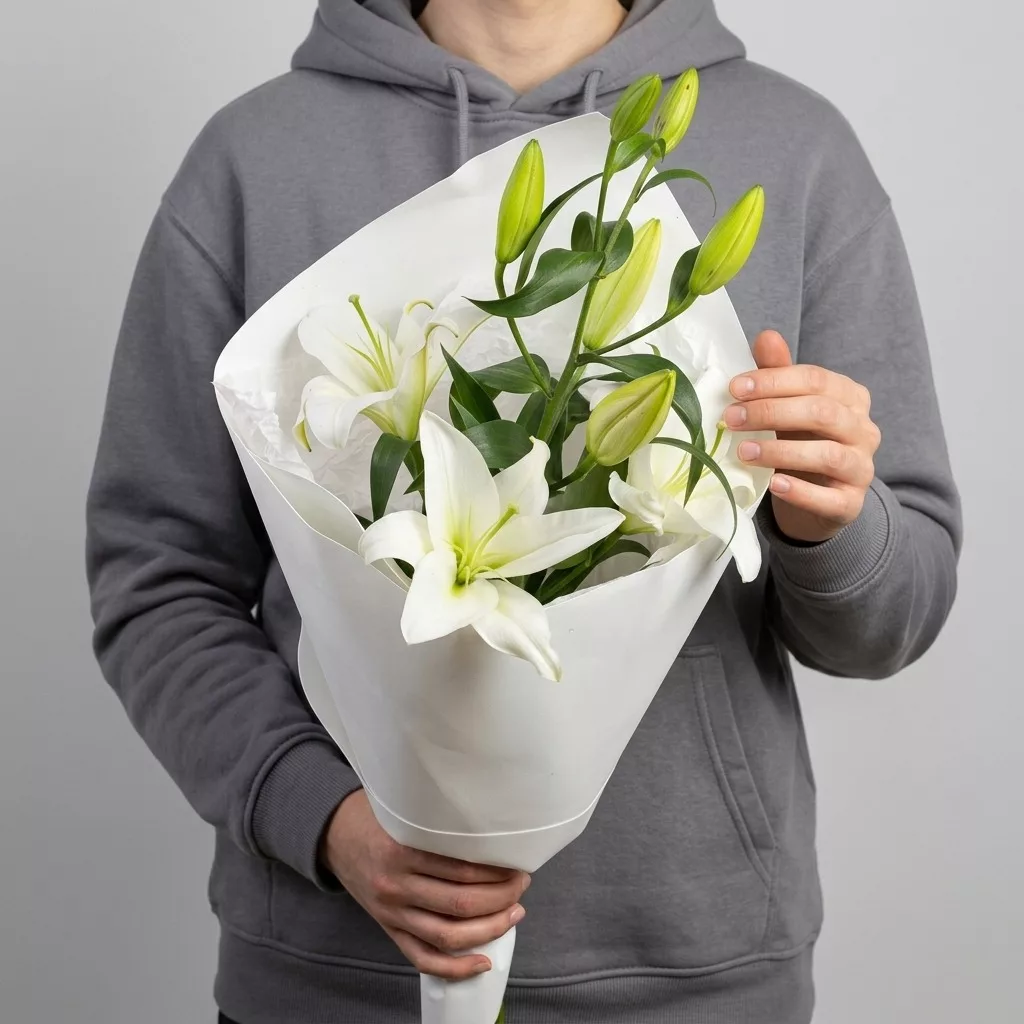
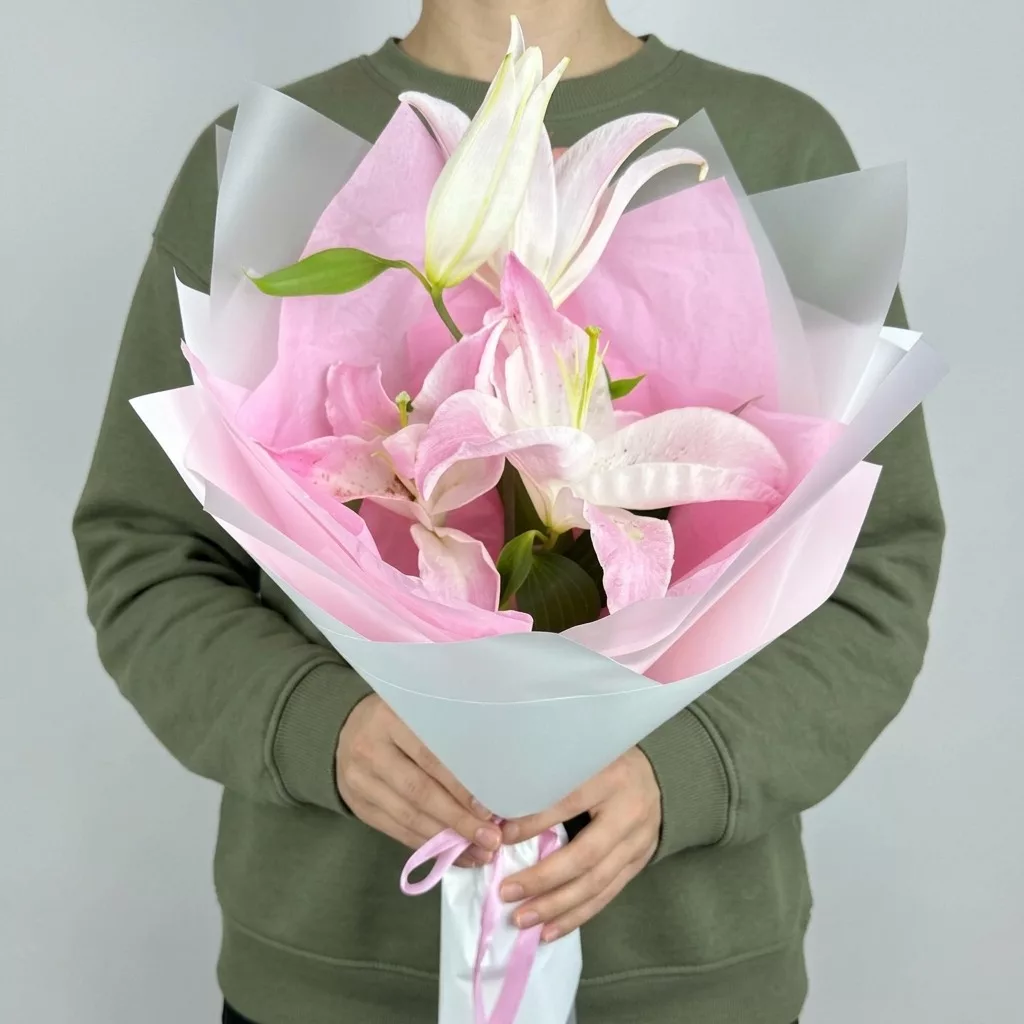

Choosing Flowers for the Occasion, Not Just the Season
The first question to ask is not what is available but what the moment calls for. A birthday for a woman in her thirties is different from a congratulations bouquet for a colleague's promotion. A romantic gesture needs different flowers than a thank-you arrangement for a relative who has been helping with the children.
For romantic occasions, garden roses in blush, cream, or deep red remain the most understood and appreciated choice in Russia. Peonies carry enormous warmth when they are in season — late spring through early summer — and a mono-bouquet of full, open peonies reads as genuinely generous rather than generic. For birthdays, mixing textures works beautifully: spray roses combined with lisianthus and eucalyptus gives depth without looking overcrowded.
For celebrations like graduations or new jobs, something with energy suits the mood — sunflowers paired with orange gerberas, or a structured arrangement of chrysanthemums in white and yellow. These varieties also hold up well in transit and last reliably once home, which matters when you cannot be there to replace them.
One Russian custom worth knowing: the number of flowers in a bouquet should always be odd. An even number is associated with grief and is brought to cemeteries. This is not a superstition to dismiss — it is a real social norm, and your recipient will notice. Any reputable florist preparing the order will follow this rule automatically, but if you are specifying a quantity yourself, keep it at five, seven, nine, eleven, or any other odd number. A single stem is also perfectly acceptable and can feel elegant rather than sparse when it is a large, beautiful bloom like a protea or a garden rose.
Timing Your Delivery for Maximum Impact
Timing a flower delivery from abroad requires thinking in two time zones simultaneously and leaving more margin than you think you need. The most meaningful deliveries arrive before the event, not after. A bouquet that reaches your mother on the morning of her birthday, before anyone else has called, creates a completely different feeling than one that arrives the following day with apologies.
For Ulyanovsk, same-day delivery is available when orders are placed with sufficient lead time accounting for the time difference. The city is well-served, but it is not a capital, and certain arrangements — particularly large compositions or orders requiring specific seasonal flowers — benefit from being placed twenty-four hours ahead. If the occasion is fixed, like an anniversary or a birthday you have known about for weeks, ordering two days in advance removes all pressure and allows for better flower selection.
Morning deliveries, roughly between nine and noon local Ulyanovsk time, tend to work well for surprises. The recipient is likely to be home or reachable, and the rest of their day unfolds with the flowers already there. Evening deliveries suit occasions where you know the person will be out during the day — a dinner party, for instance, where flowers arriving at six in the evening fit naturally.
Avoid scheduling delivery for very early morning in winter without confirming the recipient will answer the door. A bouquet left outside in minus-ten temperatures for thirty minutes will not recover. The florist will always attempt contact, but having the recipient's phone number included in the order details makes the whole process smoother and protects the flowers.
Seasonal Flowers and What to Expect Each Month
Russia's flower supply is more international than many senders assume. Roses, alstroemeria, chrysanthemums, and carnations are available year-round through established supply chains from Ecuador, the Netherlands, and domestic growers. This means a sender in February is not limited to whatever survives the cold — the range is genuinely broad across all twelve months.
That said, seasonal flowers are worth choosing when they align with the calendar. Tulips flood the market beautifully in late February and March, driven by the enormous demand around International Women's Day on the 8th of March. If you are sending for that occasion, tulips — especially in mixed pastels or a single vivid colour like deep purple — feel exactly right and carry strong cultural resonance. Order well ahead for the 8th of March; it is the single busiest flower day in Russia by a wide margin.
Peonies arrive from late April through June and are genuinely beloved. A full, fragrant peony bouquet in May or early June is one of the most generous things you can send. Sunflowers peak in summer and carry warmth without formality. Autumn suits dahlias, which hold their structure well and come in extraordinary colours from burgundy through pale yellow. In winter, amaryllis and hyacinths bring fragrance and drama when outdoor colour is absent.
Iris is a flower that travels particularly well in cold weather and opens beautifully in a warm room — a practical choice for January or February when you want something that will genuinely last and reward the recipient over several days rather than arriving already open and fading quickly.
How to Write a Message That Lands Well in Russian Culture
The card that accompanies a bouquet is not a minor detail. In Russia, a handwritten or printed message is expected with any meaningful flower delivery, and the absence of one can feel cold or impersonal. If you are sending from abroad, you have the opportunity to write something that makes the distance feel smaller rather than larger.
You do not need to write in Russian. A message in English, French, or any other language is entirely acceptable and can actually feel more personal — it reflects where you are and makes the gesture feel genuinely international. If you would like the message to be in Russian, many florists can assist with translation for simple phrases, or you can use a trusted translation tool for short, clear sentences and then review them carefully before submitting.
Russian communication tends to be more direct and warm than some Western styles. Effusive formality can read as distant. A message that says specifically what you admire about the person, or names the occasion clearly, lands better than a generic greeting. "These flowers are for you because you deserve to feel celebrated today" works better than "Wishing you all the best on this special occasion."
For romantic messages, do not hold back. Russians are not embarrassed by sincere declarations, and a card that says exactly how someone feels is received as courage rather than excess. For family occasions — a mother's birthday, a grandparent's anniversary — warmth and gratitude expressed plainly are always right. Keep the message short enough to read in one breath: two or three sentences is ideal. The flowers do the rest of the talking.
Helping Your Recipient Care for the Flowers
You will not be there when the bouquet arrives, but you can still influence how long it lasts. Including simple care instructions with the delivery — or sending a quick message to the recipient afterward — makes a real difference. Most people in Russia know the basics, but a few specifics help any bouquet reach its full vase life.
The first step is always to recut the stems. Even if the bouquet was cut fresh that morning, the stems seal over during transport. A diagonal cut of about two centimetres, made with a sharp knife rather than scissors, opens the maximum surface area for water uptake. Scissors can crush the stem tissue and reduce absorption. This one step extends vase life noticeably.
Water temperature matters by variety. Roses and most tropical flowers prefer room-temperature water. Tulips and hyacinths actually prefer cool water and will open more slowly and last longer when kept away from heat sources. In Ulyanovsk's heated winter apartments — Russian central heating is thorough and consistent — keeping flowers away from radiators and direct sunlight is genuinely important. A cool hallway or a spot near a north-facing window extends life considerably.
Change the water every two days and re-cut the stems each time. Remove any leaves that fall below the waterline immediately, as they decompose and cloud the water, encouraging bacteria. Most cut flowers last five to ten days with proper care. Lisianthus, chrysanthemums, and alstroemeria are particularly long-lasting — up to two weeks — making them excellent choices when you want the gesture to linger. Roses typically give seven to nine days when well cared for, and peonies, though they seem extravagant, hold beautifully for five to seven days once fully open.
Sending flowers to Ulyanovsk from abroad is an act of presence across distance — it says that you thought about someone specifically, chose something for them specifically, and made it happen across time zones and thousands of kilometres. The logistics are manageable when you plan ahead, account for the time difference, follow the cultural details that matter, and trust that a well-chosen bouquet in good condition will do exactly what you hope it will do: make someone feel genuinely seen and cared for on a day that matters.
Frequently asked questions
Does the Ulyanovsk winter actually damage flowers before they reach the door?
It can, between December and February. A bouquet left outside in minus fifteen loses petals and snaps stems within minutes. Local florists who know the city wrap cold-weather orders in insulating kraft and thermal sleeves, and experienced couriers move quickly between vehicle and entrance. When ordering in winter, confirm with your florist that cold-weather packaging is standard practice, not an optional extra.
Which flowers hold up best during a long Ulyanovsk summer when the recipient has no air conditioning?
Chrysanthemums, alstroemerias, and spray carnations tolerate warm dry conditions far better than tulips or garden roses. If you are sending in July or August, ask your florist to avoid open garden roses and lilies already in full bloom. Tight buds travel and last better in heat. A mixed bouquet built around chrysanthemums with seasonal greenery will still look generous without wilting by evening.
Can I send flowers to Ulyanovsk for the 8th of March without ordering weeks ahead?
Three to five days ahead is the practical minimum for the 8th of March, not weeks. Ulyanovsk florists are genuinely stretched across that one date, and the flowers most associated with it — tulips and mimosa — arrive in the city in large quantities but sell fast. Ordering by the fourth or fifth of March gives your florist time to source what you want rather than substitute at the last moment.
What combination works for a graduation bouquet rather than a birthday in Ulyanovsk?
Graduation calls for something structured and slightly formal — think white or cream flowers with clean lines rather than a loose romantic mix. Eustoma, white chrysanthemums, and eucalyptus read as celebratory without being romantic. A single-colour palette feels more considered than a bright mixed bouquet for this occasion. If the graduate is a woman, adding one or two stems of a pale pink rose softens it without losing the sense of occasion.
How do I know whether my Ulyanovsk order actually arrived fresh and as described?
Ask your florist upfront whether they send a delivery photo to you as the sender, not just a confirmation message. Reputable services photograph the bouquet at the door or upon handover. If that is not offered automatically, request it when placing the order. A photo sent to your email or messenger within an hour of delivery gives you confirmation without having to contact your recipient and spoil the surprise.
Ready to send flowers?
Pick the city, choose the bouquet, and a local florist takes it from there.
Choose a city →