Sending Flowers to Yakhroma from Abroad? Start Here
You are sitting in Berlin, Toronto, or Dubai, and someone you care about is in Yakhroma — a quiet town on the Dmitrov highway north of Moscow. You want them to open the door and feel genuinely surprised, not just receive a generic bunch. The distance between you and them does not have to show in the flowers. What does take a little planning is understanding how ordering works from outside Russia, what the season means for the bouquet, and what small details make the delivery feel personal rather than transactional.
Why Yakhroma Is Different from Ordering to a Big City
Yakhroma sits roughly 65 kilometres north of central Moscow, in the Dmitrov district. It is a small town with a real community feel — people know their neighbours, and a flower delivery is noticed. That changes what the bouquet should say. A grand, theatrical arrangement designed for a Moscow restaurant opening would feel out of place at a modest apartment door. Something generous but warm, with garden-style flowers and soft colour, lands much better.
The town experiences a full continental climate. Winters are genuinely cold, often dropping well below minus fifteen Celsius, and summers are short but warm. This matters for your flower choice because some delicate tropical varieties do not travel well in deep winter, while peonies and garden roses thrive in the cooler months when they are in season and kept refrigerated properly.
Delivery logistics to Yakhroma are straightforward when you use a service that covers the Moscow region directly. The route from a well-stocked Moscow flower hub takes under two hours in normal traffic. Rush-hour timing on the Dmitrovskoye highway can add time, so placing your order in the morning — before noon Moscow time — gives the best window for same-day delivery. If you are ordering from a time zone that is several hours behind Moscow, calculate carefully: your afternoon may already be their evening.
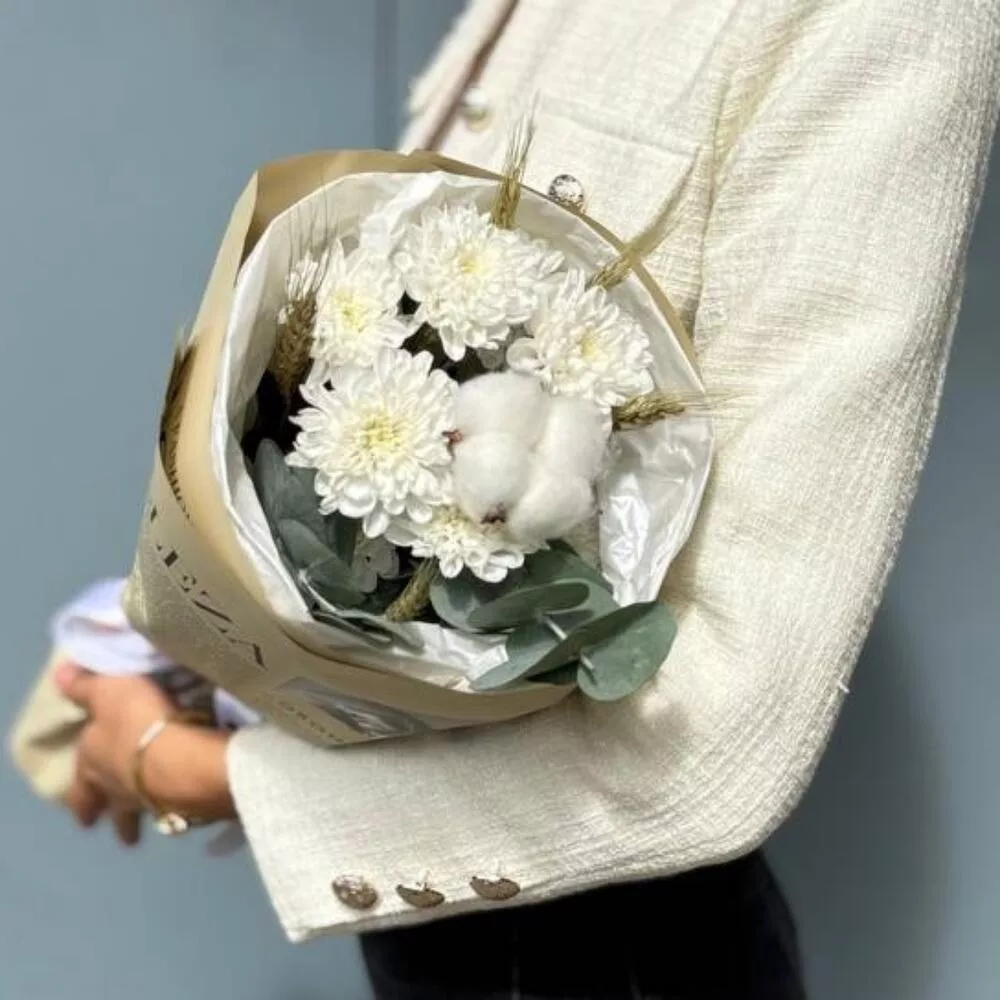
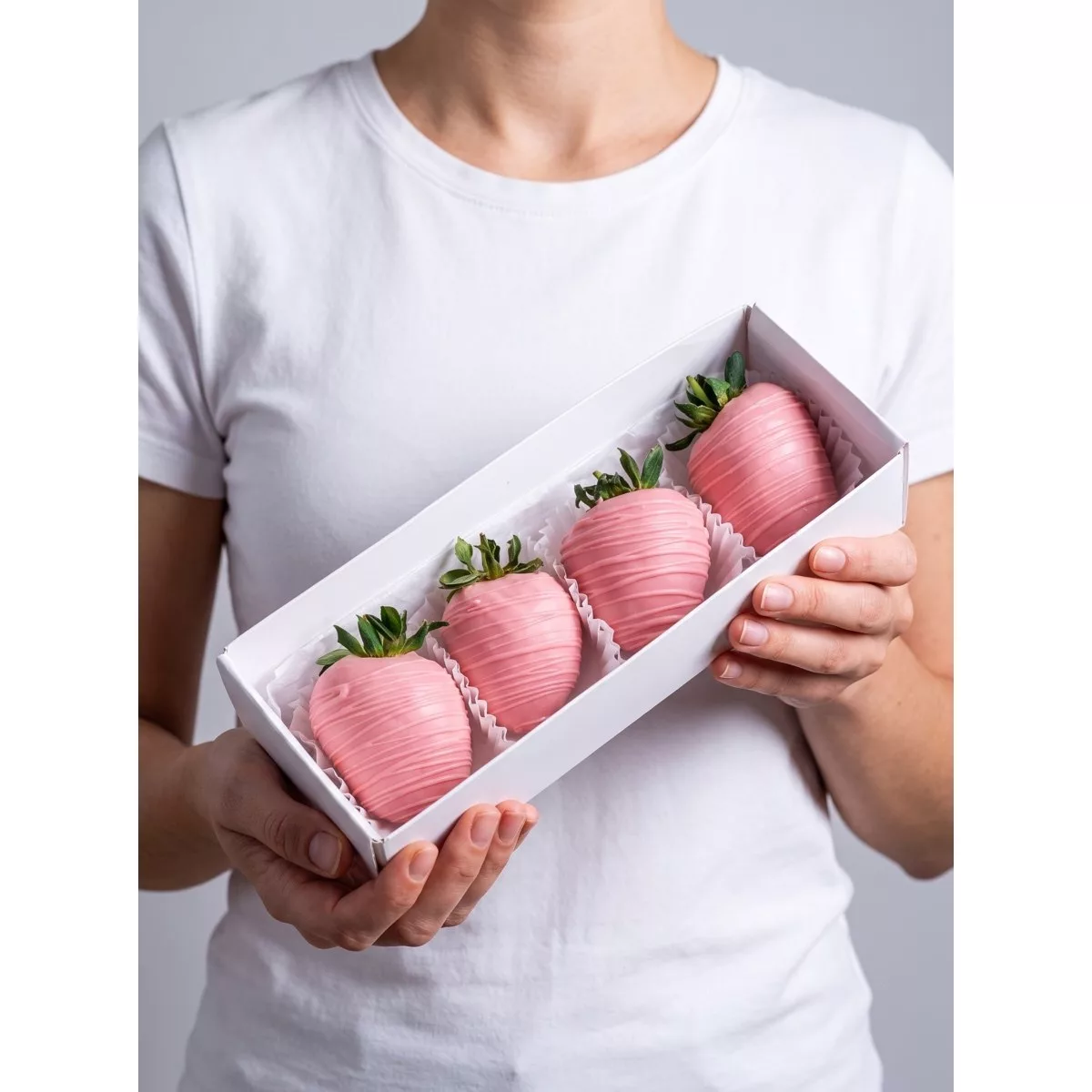
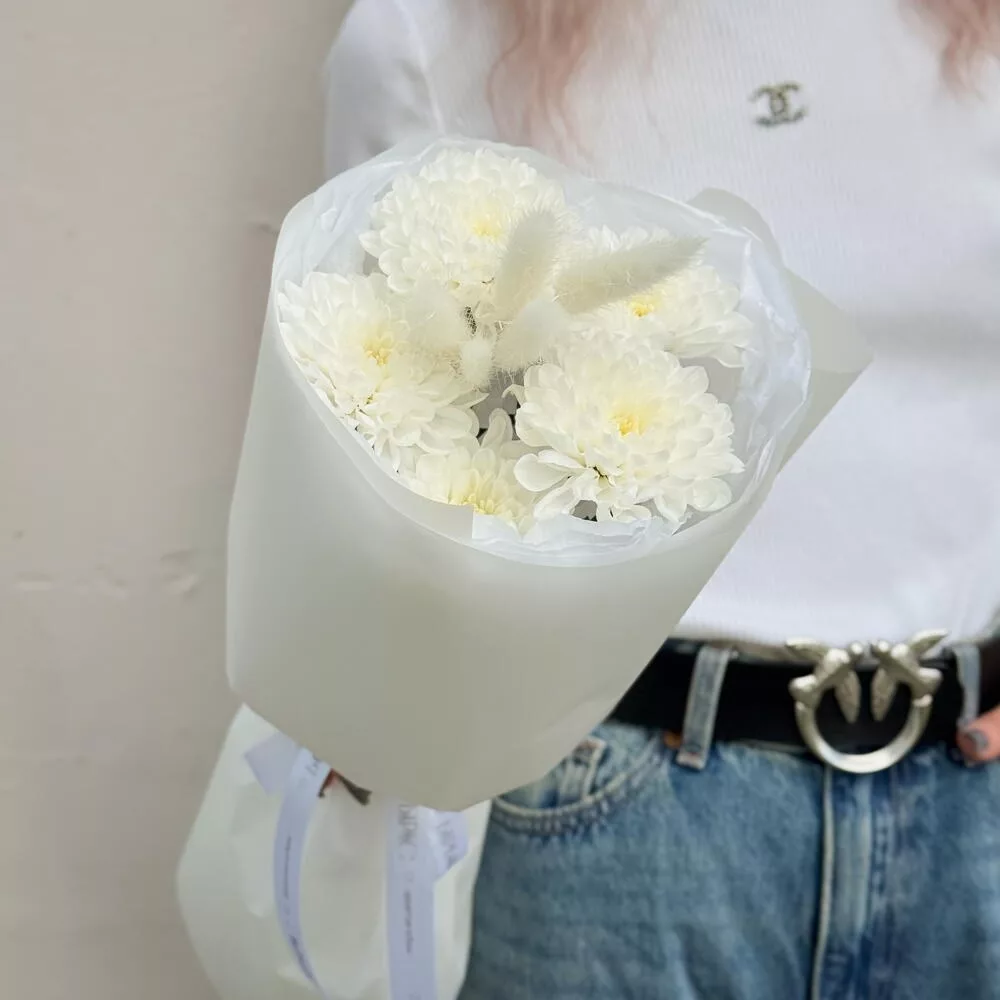
Bouquets we can deliver

Reading the Occasion Before You Choose the Flowers
Russian flower-giving has its own logic, and understanding it helps you choose something that resonates rather than something that simply looks nice on a screen. Odd numbers of flowers are for living recipients — a bouquet of five, seven, or eleven stems is correct and expected. Even numbers are associated with mourning and would genuinely unsettle someone receiving them as a birthday or anniversary gift. This is not a superstition you can skip; it is a real social convention.
Colour carries meaning too, though less rigidly than the number rule. Red roses signal romantic love clearly and universally. White flowers read as elegant and sincere — good for new babies, housewarmings, and professional congratulations. Yellow flowers, which in some Western cultures suggest friendship, are perfectly acceptable in Russia and are not considered negative as long as the rest of the arrangement is warm and intentional.
Think first about who is receiving the flowers and what they will feel when they open the door. A grandmother celebrating a birthday wants abundance and familiar blooms — chrysanthemums, alstroemeria, and spray roses in warm tones. A young woman receiving flowers from a partner abroad wants something with a sense of occasion — garden roses, lisianthus, and eucalyptus in a hand-tied style. A colleague being congratulated on a promotion wants something professional and unfussy — a clean mono-bouquet of tulips or freesias in a single colour. Let the recipient and the moment guide you before you think about specific varieties.
Seasonal Flowers That Actually Arrive Fresh
One of the most common mistakes people make when ordering from abroad is choosing a flower that looks beautiful in a photo but is out of season and therefore either unavailable or already past its peak by the time it is delivered. A florist working honestly will tell you what is performing well on the day, not just what is listed in a catalogue.
In winter, from November through February, ranunculus, tulips, and hyacinths are excellent choices. They are cold-tolerant, hold their structure well during transport in low temperatures, and their colours — deep purples, coral pinks, creamy whites — feel rich rather than sparse. Roses are available year-round but winter roses from good suppliers are particularly firm and long-lasting.
Spring brings tulips in abundance, then peonies from late April onward. Peonies are the flower of the Russian spring celebration season — they appear around Victory Day in May and continue through June. If your recipient's occasion falls in that window, peonies are an almost certain success. They open slowly, filling a room with scent over several days.
Summer offers the widest range: garden roses, dahlias, lisianthus, snapdragons, and sunflowers. Autumn narrows back toward chrysanthemums, spray roses, and asters. These are genuinely beautiful flowers with a long vase life — up to twelve days when properly conditioned — and they suit the mood of September and October well. Asking your florist what arrived fresh that morning is always the right question.
Placing an Order from a Foreign Country Without Confusion
The practical side of ordering internationally is simpler than most people expect, but there are a few points where things go wrong. Payment is the first one. Most international cards work fine on a properly set-up Russian e-commerce checkout, but some banks flag the transaction as unusual and block it automatically. If your card declines, try again with a different card or use an international payment option if the shop offers one. It is worth having a backup method ready before you start.
The address is the second common problem. Russian addresses follow a specific format: city, street, building number, apartment number, floor if relevant. If you are not sure of the exact apartment number, call or message the recipient discreetly beforehand — or include a phone number so the courier can call on arrival. A delivery to a residential building without an apartment number cannot be completed.
Time zones are the third issue. Moscow operates on UTC plus three, with no daylight saving adjustment. If you are ordering from New York, you are six hours behind in winter and five in summer. From London you are three hours behind. From Tokyo you are six hours ahead. Work out the Moscow time before you place the order and confirm that your chosen delivery window is realistic. Ordering at what feels like midday to you might already be evening in Yakhroma, and a late evening delivery to a residential address should be agreed with the recipient or at least expected by them.
Always leave a message with your order. Even a short note — written in Russian if you can manage it, or in English for the florist to translate — makes the delivery feel considered.
Writing a Card Message That Translates Well
A card message is often the part that overseas senders leave blank because they are not sure what to write across the language gap. This is a missed opportunity. The flowers arrive, the door opens, and there is nothing personal to read — just a generic label. Even a few words matter more than silence.
If you write in English, a good florist service will either include the original text or offer a simple translation. Keep the message short and direct so nothing is lost in translation. Avoid idioms, cultural references, or phrases that depend on shared context. "I am thinking of you today and wanted you to know it" travels perfectly. "You knocked it out of the park" does not.
If you want to write in Russian and you do not speak it, a short phrase typed into a reliable translation tool and then checked by a native speaker — a Russian-speaking friend, a colleague — is worth the effort. Some phrases that work well for common occasions: "S dnyom rozhdeniya" means Happy Birthday. "Pozdravlyayu" means Congratulations. "S lyubovyu iz" followed by your city — "S lyubovyu iz Londona" — means With love from London, which is a warm and simple way to acknowledge the distance.
Avoid anything that might read as formal or cold in translation. Russian communication between people who care about each other tends to be warm and direct. Match that tone, and the message will feel right even if the language is imperfect.
How to Help the Recipient Keep the Flowers Looking Good
You have put thought and effort into the order. The bouquet arrives fresh. What happens next depends entirely on what the recipient does in the first hour, and most people — unless they are experienced with flowers — do not know the basics. Passing on a few care instructions as part of your message, or asking the florist to include a care card, makes a real difference to how long the flowers last.
The single most important step is a clean diagonal cut on the stems, made with a sharp knife rather than scissors, and done under water or immediately before placing the stems in water. Scissors crush the stem tissue and reduce water uptake. A diagonal cut increases the surface area and keeps the stem from resting flat against the bottom of the vase.
Water temperature matters more than most people realise. Lukewarm water encourages most flowers to open and drink more readily than cold water — except for tulips, which prefer cold water to slow their opening and extend their vase life. Change the water every two days and trim the stems slightly each time.
Keep the bouquet away from direct sunlight, radiators, and fruit bowls. Ethylene gas released by ripening fruit — especially apples and bananas — accelerates the aging of cut flowers noticeably. In a Yakhroma apartment in winter, where central heating runs hot and dry, placing the vase in a cooler room overnight extends the flowers by two or three days. Roses, lisianthus, and alstroemeria are particularly responsive to this kind of care and can last ten to fourteen days with good handling.
Making the Delivery Feel Personal Across the Distance
There is a version of sending flowers from abroad that feels impersonal — a transaction completed online, a generic bouquet dropped at a door, no real connection felt on either end. And there is a version that feels like you were almost there. The difference is in the details you choose, not the price you pay.
Start with the wrapping. A hand-tied bouquet in kraft paper with a ribbon in the recipient's favourite colour feels considered. A bouquet in clear cellophane with a printed sticker feels like a supermarket purchase. Ask specifically for a presentation style that suits the occasion — loose and garden-style for something romantic, structured and elegant for something professional.
Add a small extra if the occasion warrants it. A single stem of a flower that has meaning to the two of you — the flower from your first meeting, or one that grows in your garden back home — tucked into a larger bouquet is the kind of detail that gets remembered for years. It does not need to be expensive. It needs to be intentional.
Finally, time the delivery to the moment. A birthday bouquet that arrives the morning of the birthday, before the day gets busy, creates a different feeling than one that arrives in the evening when the celebration is already winding down. A congratulations delivery that arrives the same day as the news feels immediate and connected. Think about when your recipient will be home, when they will be emotionally ready to receive something, and build your order around that moment rather than around your own convenience. That is what turns a flower delivery into something that actually closes the distance.
Sending flowers to Yakhroma from the other side of the world is not complicated once you understand the rhythm of it — the time zones, the seasonal varieties, the cultural details around numbers and colour, the care that extends a bouquet's life in a centrally heated apartment in February. What you are really doing is sending your attention and your care in physical form, and the flowers are just the medium. Get the timing right, choose something fresh and seasonal, write something honest on the card, and the distance between you and the person opening that door will feel much shorter than it is.
Frequently asked questions
Can I order flowers for Yakhroma delivery if I have no Russian bank card?
Yes. Most international Visa and Mastercard cards work on the checkout. Some banks flag Russia-based transactions automatically, so have a second card ready if the first is declined. The process takes only a few minutes once payment goes through, and you will receive confirmation by email.
What is the latest I can place an order and still get same-day delivery to Yakhroma?
Orders placed before noon Moscow time generally reach Yakhroma the same day. Moscow is UTC plus three with no daylight saving changes. If you are ordering from a time zone that is several hours behind, calculate carefully — your morning may already be Moscow afternoon, which tightens the window significantly.
Are there flowers I should avoid sending in deep winter because of the cold transit?
Tropical varieties like anthuriums and birds of paradise are more vulnerable to cold damage during winter transport. Roses, tulips, ranunculus, and chrysanthemums handle low temperatures well and arrive in excellent condition. A good florist will advise you on what is performing best on the day you order.
Why do I need to send an odd number of flowers — is this really important?
It is genuinely important in Russian culture. Even numbers of flowers are associated with mourning and funerals. Receiving an even-numbered bouquet as a birthday or celebration gift would unsettle most Russian recipients. Always specify an odd number — five, seven, nine, eleven — and a good florist will confirm this automatically.
Can the florist include a card message in Russian if I write it in English?
Yes. Write your message clearly in English and ask for a translation to be included on the card. Keep the text short and free of idioms so the meaning carries across accurately. Some senders include both the original English and the Russian translation, which adds a personal touch that reflects the sender's real location.
Ready to send flowers?
Pick the city, choose the bouquet, and a local florist takes it from there.
Choose a city →