Sending Flowers to Yasnogorsk from Abroad? Read This First
You are somewhere far from Russia — a different time zone, a different season entirely — and someone you love is in Yasnogorsk waiting, perhaps without knowing it, for something that says you remembered. Sending flowers across that distance feels complicated until you understand a few simple things about how delivery actually works, what grows well in a Russian winter, and what a bouquet means to the person opening the door. This guide covers everything a sender outside Russia needs to feel confident placing that order.
Why Yasnogorsk Is Worth the Extra Thought
Yasnogorsk is a small city in the Tula region, sitting roughly 100 kilometres south of Moscow. It has the quiet, close-knit character of provincial Russian life, where a flower delivery is genuinely noticed by neighbours and colleagues, not just the recipient. That social warmth is worth knowing because it shapes how you should think about presentation. A bouquet here is not a discreet gesture — it is a moment, often shared.
The city sits in a continental climate zone, which means cold winters with temperatures regularly dropping below minus fifteen Celsius and warm, dry summers. That temperature range matters enormously for which flowers travel well and which will not survive even a short journey from a van to a front door in January. Delicate tropical blooms like anthurium or bird of paradise can suffer in deep cold, while roses, spray chrysanthemums and alstroemeria handle the chill far better when properly wrapped.
For a sender abroad, the key is to think of Yasnogorsk not as remote but as reachable with the right preparation. Turboflora delivers to cities across Russia, and Yasnogorsk is within that network. What makes the difference is placing your order with enough lead time, choosing varieties suited to the season, and giving a precise delivery address — including the apartment number and any entry code for the building, since many Russian apartment blocks have a coded door, called a domofon.
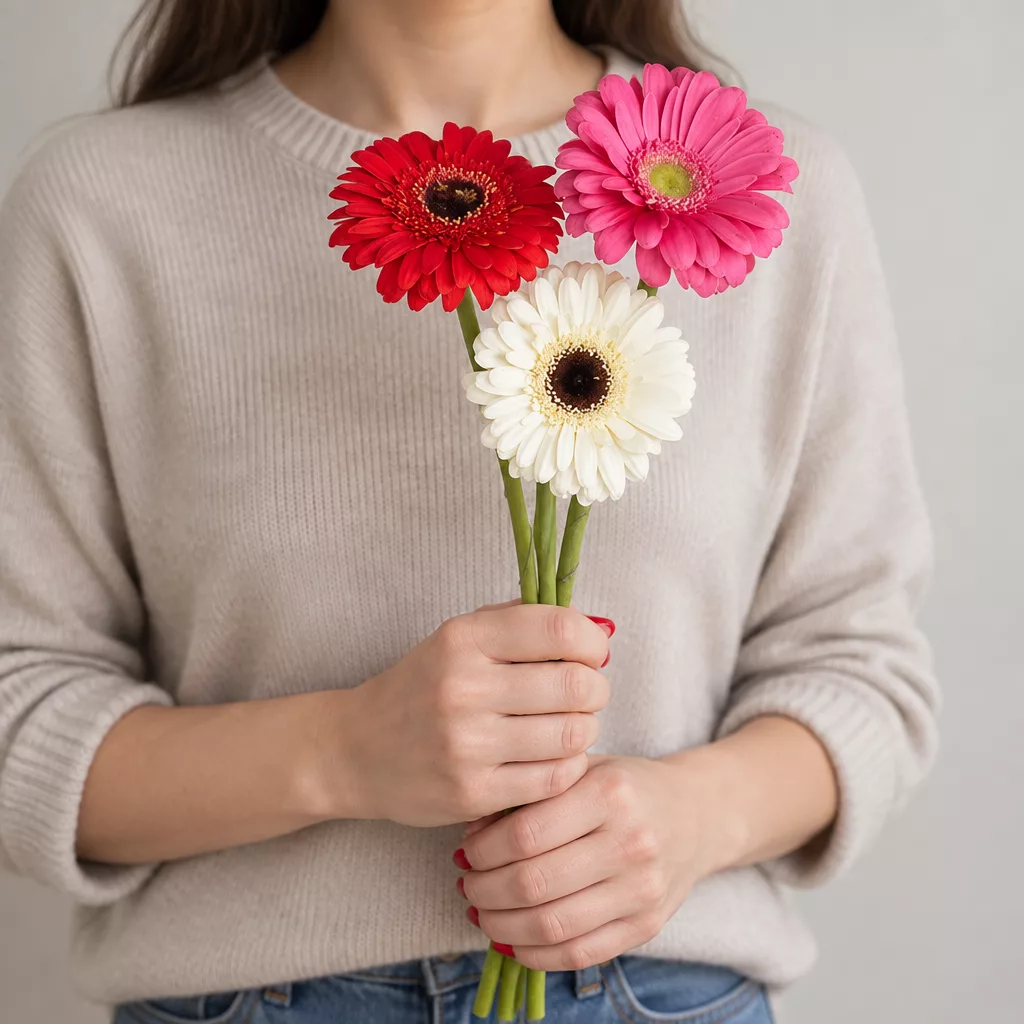
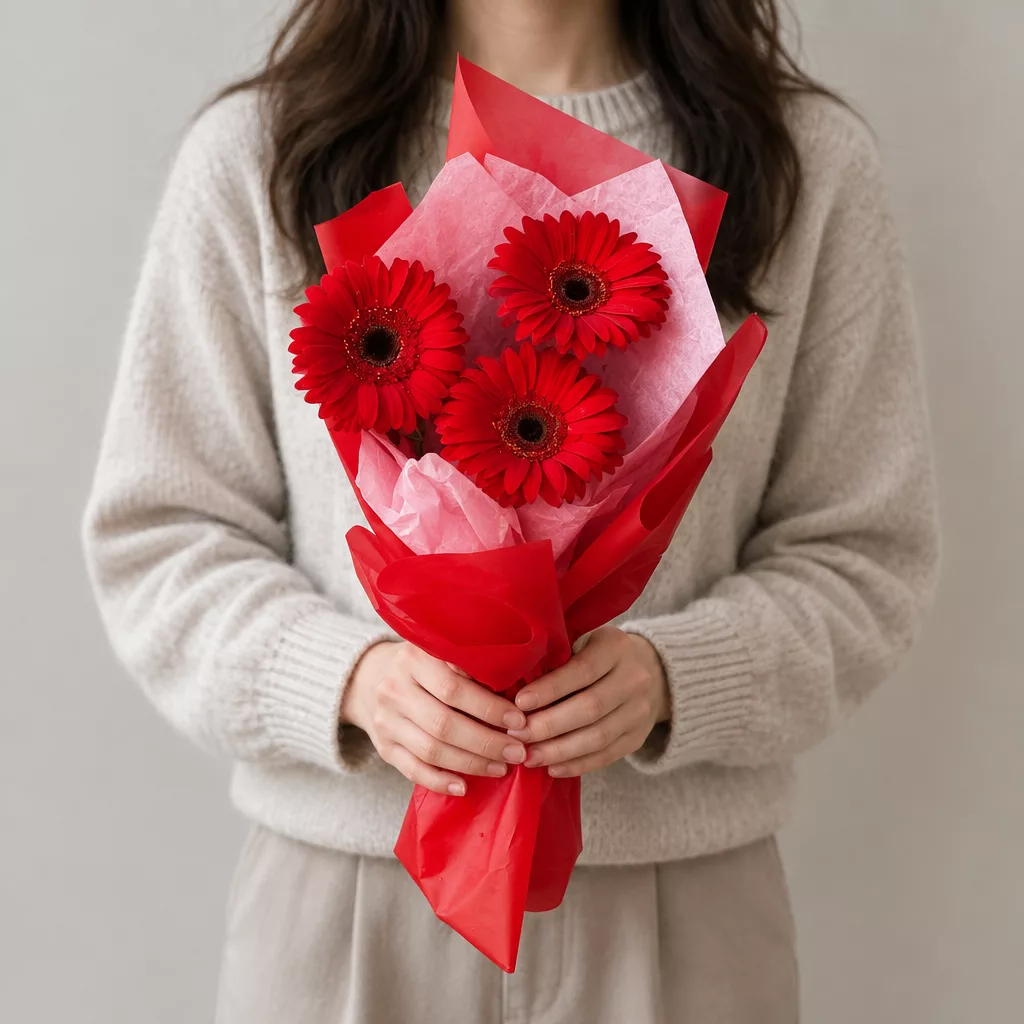
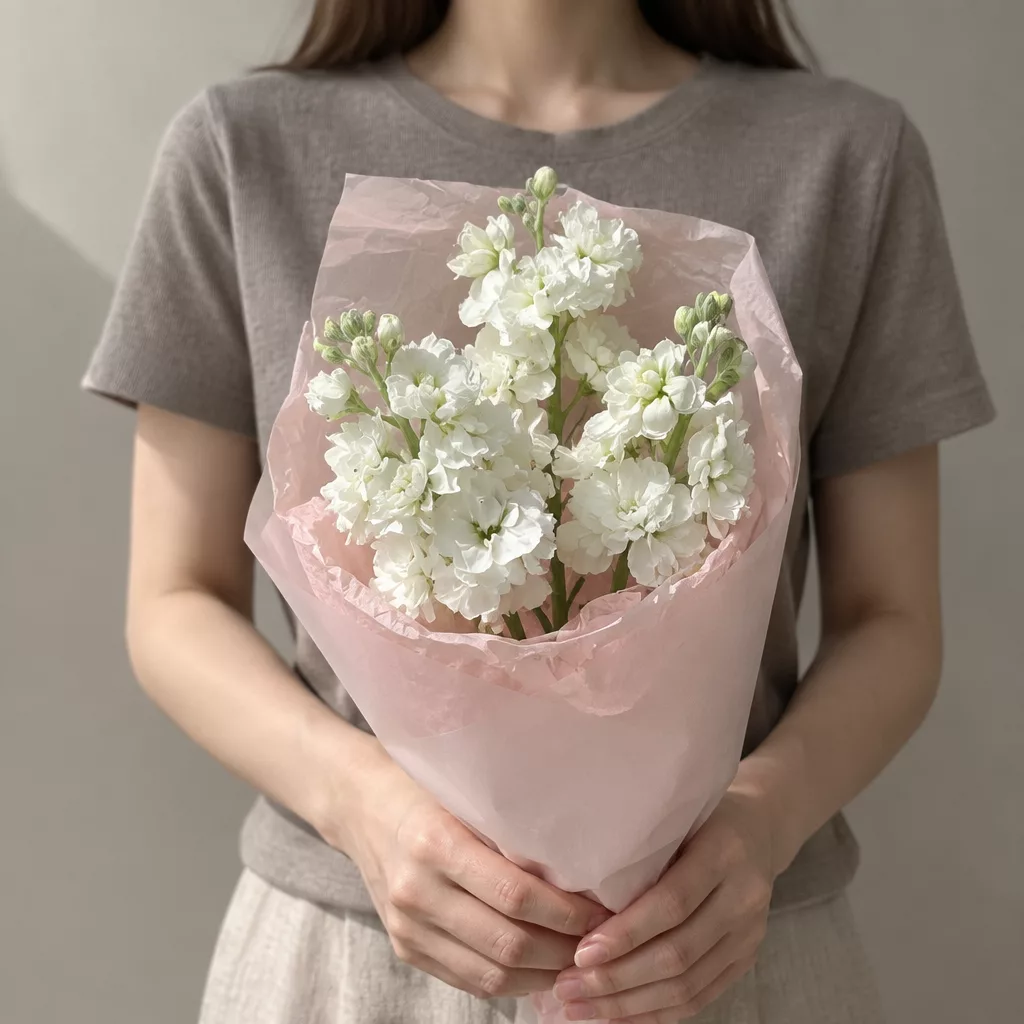
Bouquets we can deliver

Choosing the Right Moment: Timing Across Time Zones
Yasnogorsk runs on Moscow Time, which is UTC plus three, with no daylight saving adjustment. That means if you are in New York it is eight hours behind, if you are in London it is three hours behind in winter and two in summer, and if you are in Tokyo you are six hours ahead. Before you place an order, convert the delivery window you want into Moscow Time and confirm it matches a reasonable hour for the recipient.
Turboflora's delivery window is one to two hours from the moment the order is confirmed. That speed is one of the most useful things about ordering through a service that operates its own logistics. There is no waiting for a third party to pick up the job. But that speed only works in your favour if the order reaches the florists during working hours. Placing an order at what feels like mid-afternoon to you in Vancouver may land at two in the morning in Yasnogorsk.
For surprise deliveries, the safest approach is to aim for a midday arrival in Yasnogorsk time — between eleven and one o'clock. Most people are at home or reachable, and if the recipient is at work, the afternoon gives a natural window for redelivery or a pickup arrangement. Avoid scheduling for early morning on weekdays if the recipient commutes. Russian working hours typically start at nine, and a doorbell at eight on a Tuesday is more startling than delightful. A small note in the order about the recipient's likely schedule goes a long way.
What to Send: Seasonal Flowers That Actually Arrive Well
The safest flowers for Yasnogorsk year-round are roses, carnations, alstroemeria, spray chrysanthemums and lisianthus. These varieties have strong cell walls, hold water efficiently and do not bruise easily in transit. They also have good vase life — between seven and fourteen days with basic care — which matters when the recipient may not have a florist background.
In winter, from November through March, lean toward these hardy varieties without hesitation. Avoid ranunculus, sweet peas and garden-style blooms like cosmos or open poppies. They are beautiful but they wilt fast in cold air and do not recover well once chilled. If you want something softer and more romantic for a winter birthday or anniversary, double-petalled tulips or spray roses in blush and cream tones create that feeling without the fragility.
Spring and early summer open more options. Tulips are enormously popular in Russia from late February onward, tied to the tradition of giving flowers on the 8th of March, International Women's Day. If your recipient's occasion falls near that date, a generous bunch of tulips — Dutch varieties like Ile de France in deep red or Angelique in soft pink — will feel exactly right culturally and seasonally. Summer allows peonies, which Russians adore, and sunflowers, which make a bold, cheerful statement. Autumn suits dahlias, hypericum berries and warm-toned chrysanthemums. Matching the bouquet to the season is one of the most fluent things a sender from abroad can do.
Understanding Russian Gifting Customs Before You Order
If you are sending flowers from outside Russia, a few local customs are worth knowing so your gift lands exactly as intended. The most important is the odd-number rule. In Russian tradition, even numbers of flowers are associated with mourning and are brought to funerals or memorial services. Always choose an odd number — five, seven, nine, eleven, fifteen, twenty-five. A bouquet of twelve roses, however elegant it looks in a Western context, carries an unintended message in Russia. When in doubt, ask the florist to compose an odd count.
Wrapping style matters too. Russian bouquets are typically presented with generous, decorative packaging — kraft paper, organza, or layered wrapping with ribbon. A bare-stemmed bunch feels unfinished to most Russian recipients. The presentation is part of the gift, not an afterthought. Turboflora's compositions are wrapped with this in mind.
Colour carries meaning in a relaxed but real way. Red roses remain the classic romantic declaration. White flowers are elegant and suitable for birthdays, graduations and professional congratulations. Yellow flowers were once considered unlucky in older Soviet-era belief, but that association has faded significantly among younger generations in cities and towns like Yasnogorsk. Still, if you are sending to someone over sixty and want to be safe, lean toward pink, peach, or red tones.
Finally, a handwritten card is genuinely valued. Even a few words in English are warmly received — the effort reads as personal. If you can manage a phrase in Russian, even a simple 'S dnyom rozhdeniya' for happy birthday, it will be remembered.
How to Write a Delivery Address That Works
Russian addresses follow a specific format that differs from what most Western senders are used to, and getting it right is the single most practical thing you can do to ensure smooth delivery. The structure runs from largest to smallest: city, street, building number, apartment number, and any entry or intercom code. A typical Yasnogorsk address might read: Yasnogorsk, ulitsa Lenina, dom 14, kvartira 7, domofon 74.
The word 'ulitsa' means street, 'dom' means building, and 'kvartira' means apartment. Many Russian apartment buildings have multiple entrances called 'podezd,' numbered from the street. If the recipient lives in a large block, knowing the entrance number saves the courier from ringing every intercom. Ask your recipient casually or check with someone who knows their address before placing the order.
If the recipient lives in a private house rather than an apartment building, note that explicitly. Private houses, called 'chastny dom,' do not have apartment numbers, and the delivery approach is different — usually a gate or a yard. Include any landmark or note that helps locate the property, especially on smaller residential streets.
For senders using a non-Russian keyboard, transliteration is fine. Write the address in Latin characters as it sounds, and the florist team will interpret it correctly. What causes delays is vague information — a street name without a building number, or a building number without an apartment. Double-check with the recipient if you are uncertain rather than guessing. A confirmed address takes thirty seconds and saves everyone a frustrating missed delivery.
Flower Care Instructions to Pass Along with Your Order
One of the kindest things you can do alongside sending flowers is include a few simple care notes, either on the card or in a message to the recipient afterward. Most people in Russia, as anywhere, want their bouquet to last but may not know the basics. A florist's brief advice makes a real difference to vase life.
The first step when a bouquet arrives is to cut the stems at an angle, about two centimetres from the bottom, using a sharp knife rather than scissors. Scissors crush the stem cells and reduce water uptake. The cut should be made under running water or immediately before placing the stems in a vase, so no air enters the stem. This one step alone can add two to three days of vase life.
Fill the vase with cool, clean water — not warm, not ice cold. Room temperature water with a slight chill is ideal. Remove any leaves that would sit below the waterline, as submerged foliage rots quickly and clouds the water with bacteria. Change the water every two days and recut the stems each time.
Keep the bouquet away from direct sunlight, radiators and fruit bowls. Fruit releases ethylene gas as it ripens, which accelerates flower ageing significantly. In a Russian apartment in winter, the area near a window but away from the heating unit is usually the sweet spot — cool air, good light, no direct heat.
Roses and alstroemeria will last ten to fourteen days with this care. Tulips and ranunculus are shorter — five to seven days — but they are worth it for their beauty. Chrysanthemums are the endurance champions and can go two weeks or more.
Making the Order Feel Personal from Thousands of Kilometres Away
Distance does not have to make a gift feel generic. The details you add to an order from abroad are what transform a bouquet into something the recipient talks about. Start with the card message. Write it in the language that feels most natural between you and the recipient. If you normally speak Russian together, write in Russian. If your relationship is in English, that is fine too — the delivery team will pass the card as written.
Think about what the recipient loves beyond flowers. A person who keeps a minimalist home might appreciate a single-variety bouquet of fifteen long-stemmed white roses rather than a mixed garden arrangement. Someone expressive and warm might love a lush, asymmetric composition with peonies, eucalyptus and ranunculus. Sharing a short note about the recipient's personality when placing the order helps the florist make composition choices that feel tailored rather than default.
Timing the delivery to a specific moment adds meaning. Flowers arriving just as someone wakes up on their birthday, or at the end of a long work week, feel more considered than a midday drop during an ordinary Tuesday. If you know the recipient's schedule — they finish work at six, they have a family dinner at seven — you can request a window that creates a small ceremony around the arrival.
Finally, consider adding a second element to the order if it is available — a small plant, a candle, or a box of chocolates. In Russian gifting culture, a composed gift with more than one element reads as generous and thoughtful. It signals that the sender spent time imagining the moment, not just completing a transaction. That intention is felt, even from the other side of the world.
Sending flowers to Yasnogorsk from abroad is less complicated than it sounds once you understand the time zone, the seasonal choices, the address format and the small cultural details that make a Russian recipient feel genuinely seen. The distance between you and the person you are thinking of is real, but a well-chosen bouquet, arriving on time and wrapped beautifully, closes that gap in a way that a message never quite can. Turboflora handles the logistics so that what reaches the door is not just flowers but the feeling you intended to send.
Frequently asked questions
Can I send flowers to Yasnogorsk if I do not speak Russian?
Yes, entirely. You can place your order in English and include a card message in any language. The delivery team will pass the card exactly as written. For the address, Latin-character transliteration of the Russian street name works fine — the florists will read it correctly. The only thing to confirm is the full address including apartment number and any intercom code.
How far in advance should I order for a same-day delivery to Yasnogorsk?
Because Turboflora delivers within one to two hours of order confirmation, you do not need days of lead time. However, you do need to place the order during working hours in Moscow Time. Account for your time zone difference carefully. Ordering the evening before in your local time is a safe approach if you are unsure — it ensures the order is ready to process first thing in the morning Yasnogorsk time.
Why does the number of flowers in a bouquet matter in Russia?
Russian tradition associates even numbers of flowers with funerals and memorial occasions. Giving an even-numbered bouquet to a living recipient carries an unintended and unwelcome meaning. Always choose an odd number — seven, nine, eleven, fifteen or twenty-five are all common and feel generous. When placing your order, you can simply specify an odd count and let the florist compose accordingly.
What flowers hold up best in Yasnogorsk's cold winters?
Roses, carnations, alstroemeria and spray chrysanthemums are the most reliable choices in cold weather. They have firm stems and handle brief exposure to low temperatures without wilting or bruising. Avoid open, delicate blooms like ranunculus, sweet peas or garden cosmos in winter — they suffer in the cold air between the van and the front door and do not recover well once chilled.
What information do I need from the recipient before placing the order?
You need the full delivery address: city, street name, building number, apartment number, and the intercom or entry code if the building has one. Knowing the recipient's schedule helps you choose the best delivery window. If it is a surprise, try to get the address from a mutual contact. A confirmed, complete address is the single most important factor in a smooth, on-time delivery.
Ready to send flowers?
Pick the city, choose the bouquet, and a local florist takes it from there.
Choose a city →