Sending Flowers to Zhirnovsk from Abroad? Read This First
You are somewhere far from Russia — a different time zone, a different season, a different language on every sign around you — and you want flowers to arrive at a door in Zhirnovsk today or tomorrow. That is a specific, solvable task, and thousands of people do it every year. What makes it work is knowing the small things in advance: when to place the order, what grows well in transit, how Russian recipients think about flowers, and what a good bouquet looks like when it lands on a doorstep in a small Volga-region city. This article walks you through all of it.
Why Zhirnovsk Is Different from Ordering to Moscow
Zhirnovsk is a modest city in the Volgograd Oblast, sitting in the steppe belt of the Volga region. It is not a metropolitan hub, and that changes the delivery equation in ways worth understanding before you place an order. When you send flowers to Moscow or Saint Petersburg, same-day delivery within a few hours is standard. Zhirnovsk operates on a slightly different rhythm, and the courier network there is thinner than in a regional capital.
This does not mean flowers cannot reach a Zhirnovsk address quickly — they can, and Turboflora handles exactly this kind of delivery — but it does mean that placing your order early in the Russian day gives the arrangement the best possible journey. Moscow time is UTC plus three, and Volgograd Oblast follows the same zone. If you are calling from London, New York or Tokyo, calculate that gap before you hit confirm.
The city itself has a warm continental climate with cold winters and genuinely hot summers. That temperature range matters for the flowers you choose. A bouquet of garden roses traveling in July heat needs different handling than the same bouquet in a January frost. Knowing the season at the destination, not the season where you are sitting, is the first real skill of ordering internationally. Always think from the recipient's side of the world.
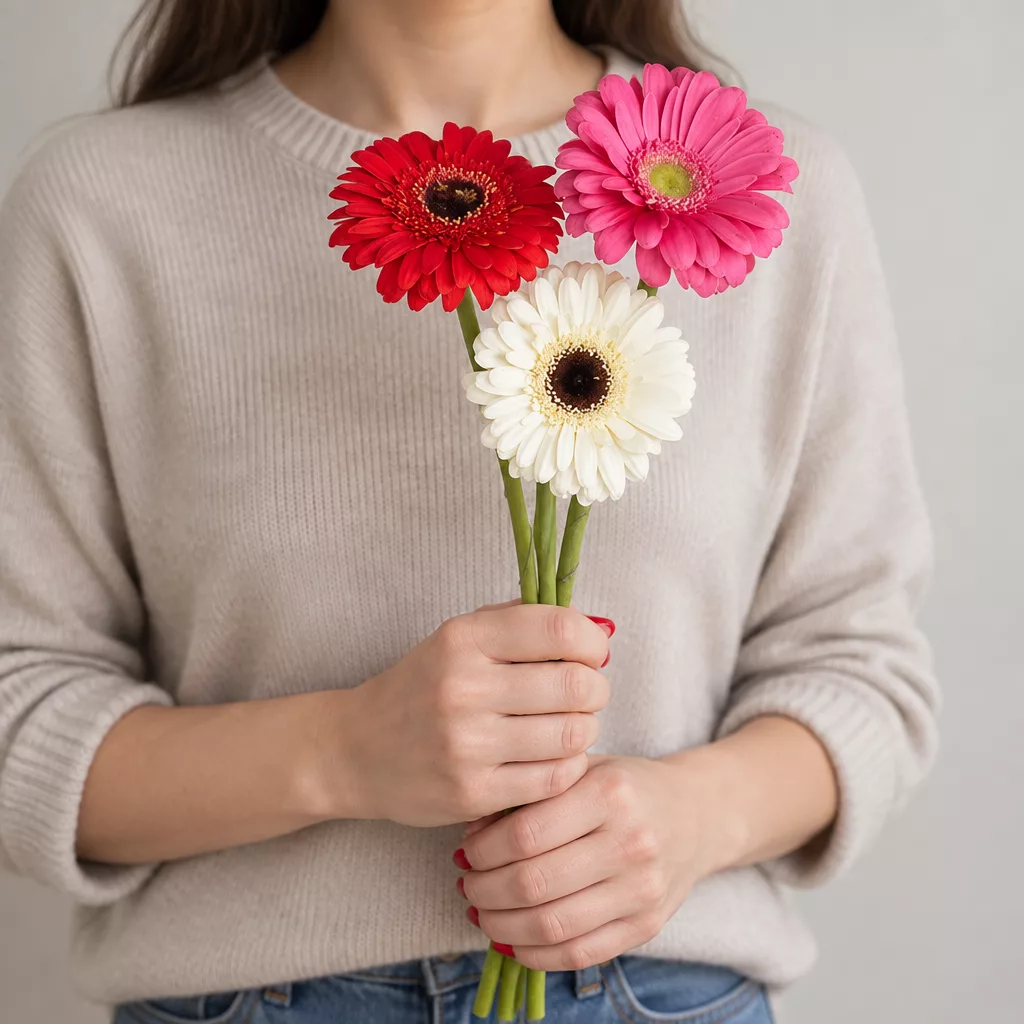
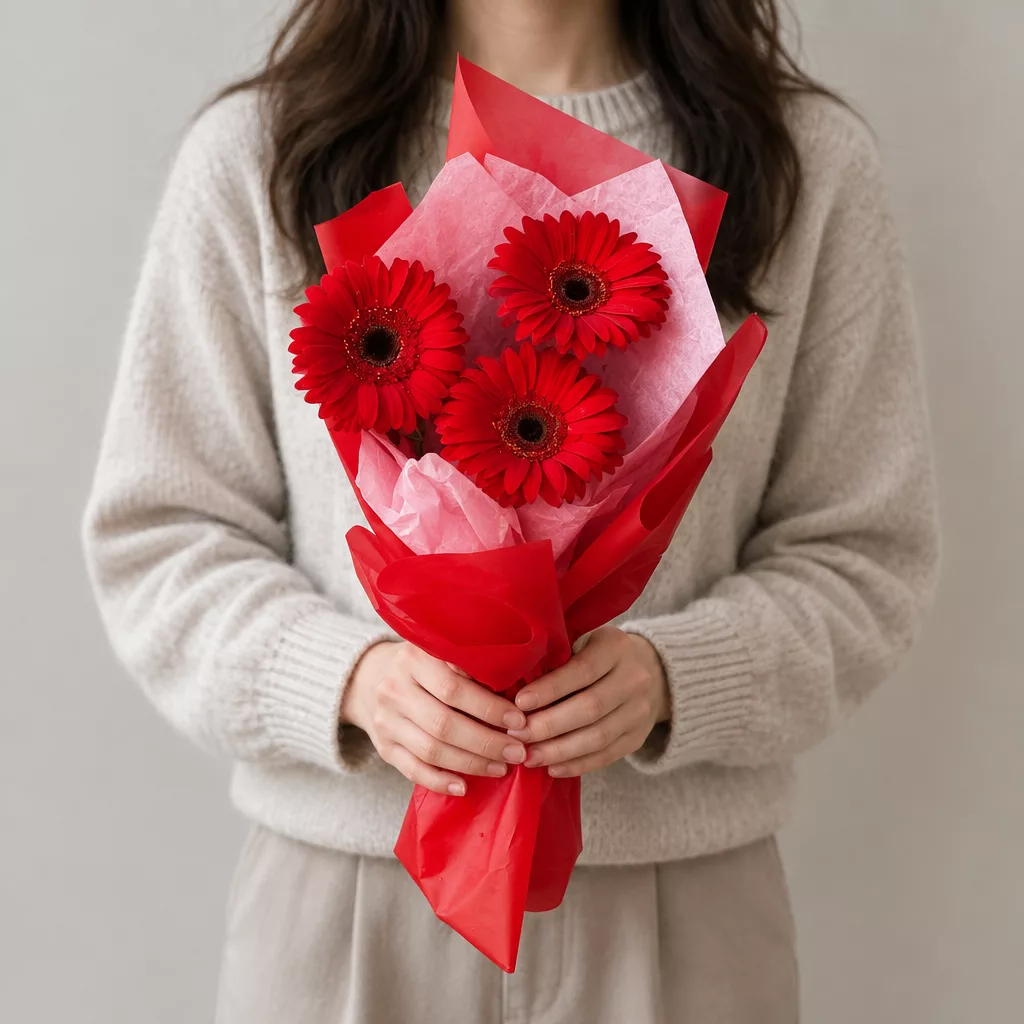
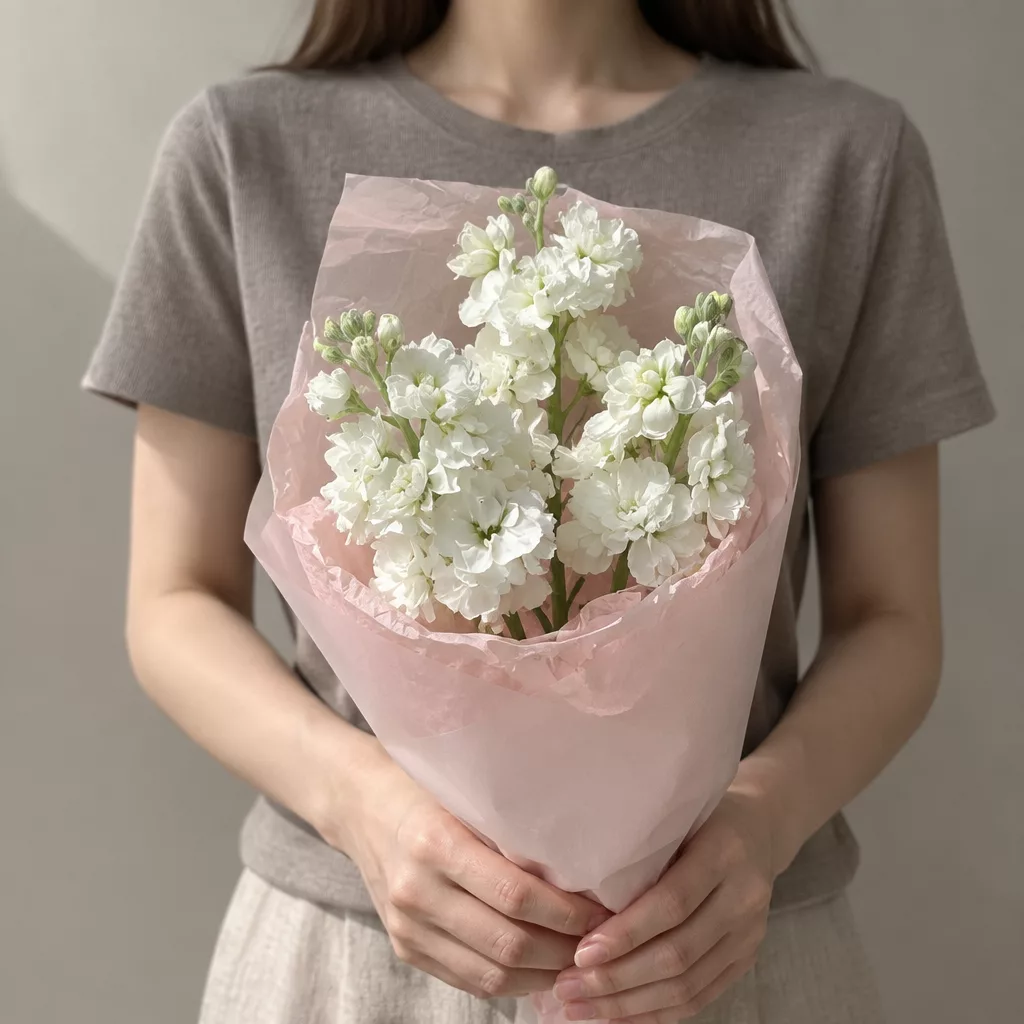
Bouquets we can deliver

The Right Time to Place Your Order from Overseas
Timing is where most international senders make their first mistake. They order at a convenient hour for themselves and assume that maps onto a convenient hour for delivery. It rarely does. Zhirnovsk runs on Moscow time, so if you are in Los Angeles that is an eleven-hour difference, and if you are in Sydney it is a seven-hour gap in the other direction. A quick calculation before you choose a delivery slot saves a lot of disappointment.
For same-day delivery, the order generally needs to be placed before midday Moscow time. If you are aiming for a morning arrival at the recipient's address — perhaps before they leave for work, or to greet them at the start of a birthday — place the order the evening before your own local time. For an afternoon or evening delivery, placing it in your morning usually works well. The key is building in enough lead time for the bouquet to be assembled fresh and dispatched without rushing.
Special occasions have their own timing pressures. International Women's Day on the eighth of March is the single busiest flower day in Russia, and demand in every city, including Zhirnovsk, spikes dramatically. Valentine's Day has grown in popularity among younger Russians too. For those dates, ordering two or even three days ahead is genuinely wise. The florists are working at full capacity, and last-minute orders on peak days risk arriving late or with substituted varieties. Planning ahead is a form of care in itself.
Choosing Flowers That Travel Well and Feel Right
Not every beautiful flower is a good traveler. Delicate open blooms like sweet peas or fully open peonies can bruise in transit and arrive looking tired. For a delivery to Zhirnovsk, you want varieties that hold their form across a journey and still look fresh when the door opens. Roses are the reliable backbone of almost any bouquet — spray roses especially hold their buds well and open gradually after delivery, which means the recipient gets days of unfolding beauty rather than a single peak moment.
Chrysanthemums are another strong choice. They are robust, long-lasting, and deeply woven into Russian flower culture. Eustoma, also called lisianthus, offers the layered, ruffled look of a peony but travels far better and lasts longer in the vase. Alstroemeria adds color and longevity to any mixed arrangement. Hypericum berries and eucalyptus give structure and scent without wilting quickly.
In summer, when temperatures in the Volgograd Oblast can climb above thirty degrees Celsius, avoid flowers that are heat-sensitive — garden tulips, for instance, will droop in warm conditions. In winter, the opposite concern applies: extreme cold can freeze delicate petals during the last stretch of outdoor transit. Roses and chrysanthemums handle both extremes better than most. When you are unsure, describe the occasion and the recipient to the florist, and let the professional make the final call on what will actually look its best on arrival.
Understanding Russian Flower Customs for a Zhirnovsk Recipient
If you did not grow up in Russia, some local flower customs might surprise you, and knowing them helps you order with confidence. The most important one is the odd-number rule. In Russia, even numbers of flowers are traditionally associated with mourning and are brought to funerals. When you send a bouquet to celebrate, congratulate or simply show love, the arrangement should contain an odd number of stems — three, five, seven, eleven, fifteen or more. This is not a superstition to ignore: Russian recipients notice, and an even-numbered bouquet can feel jarring even if the sender had no idea.
Color carries meaning too, though interpretations are more personal than rigid. Red roses are universally understood as romantic. White flowers are elegant and suit many occasions. Yellow flowers were once considered a bad omen in Soviet-era thinking, though that association has faded significantly among younger Russians, especially in cities. Still, if you are sending to an older recipient or are unsure of their preferences, a mixed palette with warm tones is the safest and most universally pleasing choice.
Wrapping and presentation matter enormously in Russian flower culture. A beautifully wrapped bouquet — with quality paper, a ribbon and a neat handwritten card — signals real effort and genuine care. Russians often keep the wrapping on display along with the flowers. Including a personal message in the card, even a short one, transforms the bouquet from a transaction into a moment. If you write in English, that is completely fine — it often adds a charming personal touch for the recipient.
What to Write on the Card When You Are Far Away
The card is the part of the bouquet that speaks when you cannot be in the room. For an international sender, it carries extra weight because the physical distance makes the words do more work. A short, warm, specific message lands better than a generic greeting. Instead of writing happy birthday, try something like: I wish I could be there with you today — these flowers are standing in for me. That kind of sentence makes the recipient feel the sender's presence rather than their absence.
If you are writing in English and the recipient reads Russian, do not worry. The gesture of writing in your own language is itself meaningful, and most people appreciate the authenticity. If you want to include a phrase in Russian, a florist can help you transliterate a simple greeting. A few Russian words from an international sender often delight the recipient.
For formal occasions — a colleague's promotion, a business anniversary, a teacher's day gift — keep the tone warm but measured. For romantic occasions, be as personal as you like. For family members, a line that references a shared memory or inside reference will mean far more than any standard greeting. Think of the card as a small letter, not a label. It does not need to be long. Three sentences written with genuine feeling will outlast a paragraph of polished but impersonal text. The flowers fade after a week; a good card gets kept in a drawer for years.
Vase Life and Care Instructions for the Recipient
One of the most thoughtful things an international sender can do is make sure the recipient knows how to care for the flowers once they arrive. Many people in Russia receive bouquets regularly but have not always been told the basics that extend vase life significantly. If you are ordering as a gift, you can ask for care instructions to be included with the arrangement, or you can send a quick message to the recipient yourself.
The first step is always a fresh diagonal cut on each stem, made with a sharp knife rather than scissors, which can crush the stem tissue and block water uptake. Roses benefit from having their lower leaves removed so no foliage sits below the waterline — submerged leaves rot quickly and cloud the water. The vase should be filled with clean, cool water, and it should be changed every two days.
Keep the bouquet away from direct sunlight and heat sources. In a Zhirnovsk apartment in summer, that means avoiding windowsills facing south or west during the afternoon. A cool room, away from fruit bowls — fruit releases ethylene gas that accelerates flower aging — will add days to the display. Eustoma and chrysanthemums can last ten to fourteen days with good care. Roses typically give seven to ten days. Alstroemeria is one of the longest-lasting cut flowers available, often going two weeks in clean water. A well-cared-for bouquet is a gift that keeps giving long after the delivery day.
Making the Experience Smooth from Start to Finish
Ordering flowers internationally to a Russian city involves a few practical steps that are worth getting right the first time. Start with the recipient's address written in full — street name, building number, apartment number and any entry code for the building door if the building has one. Russian residential buildings very commonly have a coded entry panel, called a domofon, and a courier without the code cannot reach the apartment door. If you do not have this information, ask the recipient casually beforehand, or leave a note in your order for the courier to call on arrival.
Have the recipient's Russian mobile number ready. Couriers in Russia typically call ahead to confirm they are on their way, and a working local number is essential. If the recipient has an international number only, note that in your order so the logistics team can plan accordingly.
Payment from abroad is handled online, and most major international cards are accepted. The process is straightforward, and you do not need to navigate Russian banking to complete a transaction. Once the order is placed, you will receive confirmation, and you can track the delivery status. If you have any doubt about whether the bouquet arrived, a quick message to the recipient is always the warmest follow-up — it extends the moment of the gift rather than closing it. The flowers open the conversation; you keep it going. That combination of a physical gift and a personal message is what makes long-distance giving genuinely touching rather than merely logistical.
Sending flowers from the other side of the world to a small Russian city is less complicated than it sounds when you know the details in advance. Get the timing right for the Moscow time zone, choose varieties that travel well in the local season, remember the odd-number rule, and put real words on the card. The distance between you and the recipient is real, but a fresh bouquet arriving at their door closes it in a way that almost nothing else can. Turboflora delivers across Russia, including Zhirnovsk, and the florists there understand exactly what it means to make that moment land well.
Frequently asked questions
Can I order flowers to Zhirnovsk if I do not speak Russian?
Yes, completely. The ordering process at Turboflora is available in English, and you can write your card message in any language you prefer. The recipient's address and phone number are the only details that need to be accurate. If you are unsure how to format a Russian address, the support team can help you get it right before the order is confirmed.
How far in advance should I order for a birthday delivery to Zhirnovsk?
For a standard birthday, placing the order the evening before your local time — which typically means the morning of the delivery day in Moscow time — is usually enough. For peak dates like March 8th or Valentine's Day, order two to three days ahead. The earlier you place the order, the more flexibility the florists have to assemble the freshest possible arrangement.
Why does the number of flowers in a Russian bouquet matter?
In Russian tradition, even numbers of flowers are associated with funerals and are not given as celebratory gifts. An odd number — five, seven, eleven, fifteen — is the correct choice for any happy occasion. This is a widely observed custom across generations and regions, including in smaller cities like Zhirnovsk, so it is worth paying attention to when placing your order.
What happens if no one is home when the flowers are delivered?
The courier will call the recipient's mobile number before arriving. If there is no answer and access to the building is not possible, the delivery team will contact you to arrange a new time slot or alternative instructions. This is why providing an accurate and active Russian mobile number for the recipient is one of the most important steps when placing an international order.
Which flowers last longest after delivery in a Zhirnovsk apartment?
Alstroemeria, chrysanthemums and eustoma are among the longest-lasting cut flowers, often staying fresh for ten to fourteen days with proper care. Roses typically last seven to ten days. The key factors are clean water changed every two days, a fresh stem cut on arrival, and keeping the bouquet away from direct sun, heat sources and fruit bowls, which release ethylene gas that shortens flower life.
Ready to send flowers?
Pick the city, choose the bouquet, and a local florist takes it from there.
Choose a city →