Sending March 8 Flowers to Your Mother in Russia When You Live Abroad
You are thousands of kilometres away, the time zones are confusing, and March 8 is in three days. Your mother is in Saint Petersburg, Kazan, Novosibirsk, or another Russian city, and you want her to open the door to something beautiful — not a generic box, but a real bouquet that says you remembered, you planned, and you care. This is exactly the situation we handle every year for families spread across Europe, North America, and beyond. Here is what you need to know to get it right.
Why March 8 Is the Biggest Flower Day in Russia
International Women's Day on March 8 is not a minor observance in Russia — it is one of the most deeply felt holidays of the year, comparable in warmth to a birthday or New Year. Every woman in a man's life receives flowers: mothers, grandmothers, wives, daughters, colleagues. For a mother especially, the bouquet is a gesture of gratitude and love that carries real emotional weight. Arriving without flowers on that day would be noticed.
The tradition goes back generations, so your mother almost certainly grew up expecting this moment. Even if she says she does not need anything, she does. A bouquet delivered to her door — especially when you are far away — will mean more than you might expect, because it shows the distance did not make you forget.
The flowers themselves are very specific to this holiday. Mimosa, with its tiny yellow powder-puff clusters and soft, dusty scent, is the classic March 8 flower in Russia. You will also see tulips in every colour, hyacinths, ranunculus, and early spring roses. These are not arbitrary choices: they are the scents and colours that Russian women associate with the holiday from childhood. Choosing them signals that you understand the occasion, not just that you ordered something pretty. If you are sending from abroad and want the bouquet to feel genuinely Russian in spirit, lean into these seasonal varieties rather than substituting them with something tropical or unfamiliar.
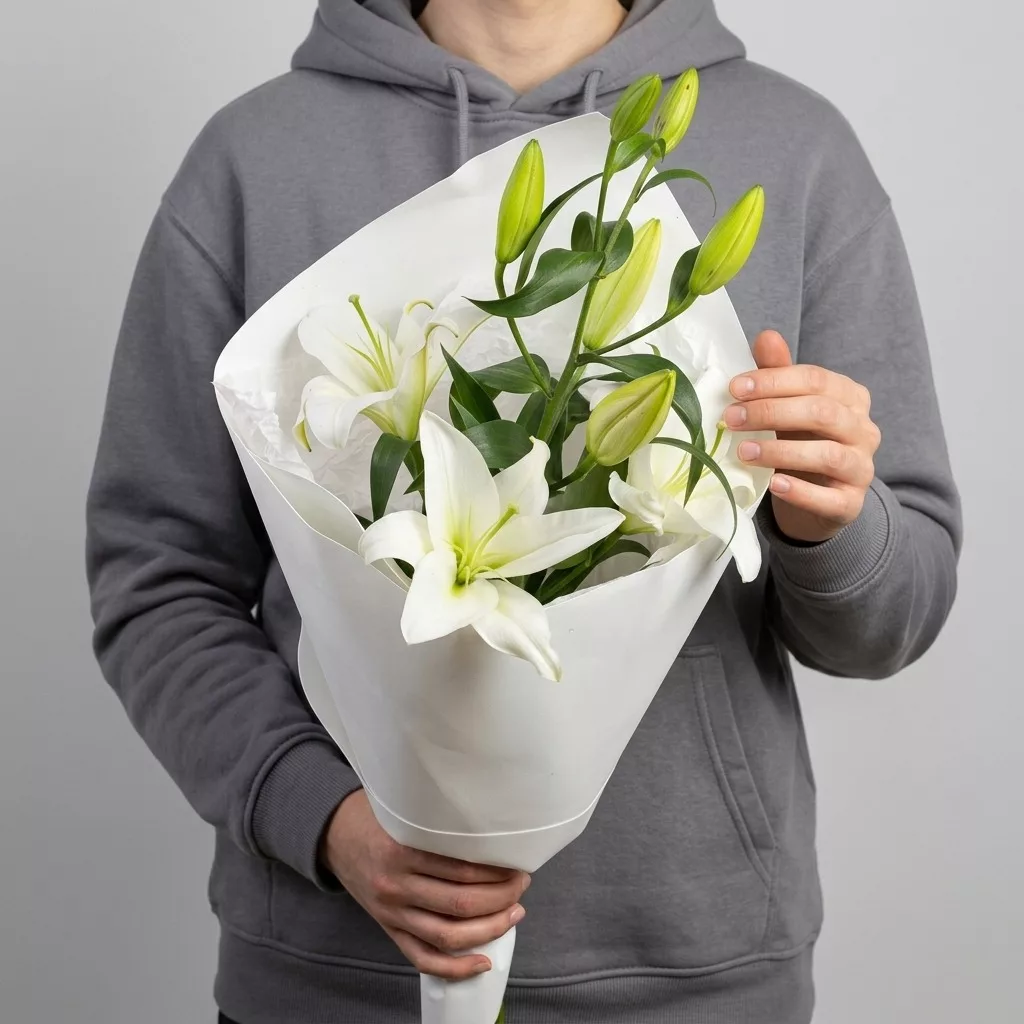
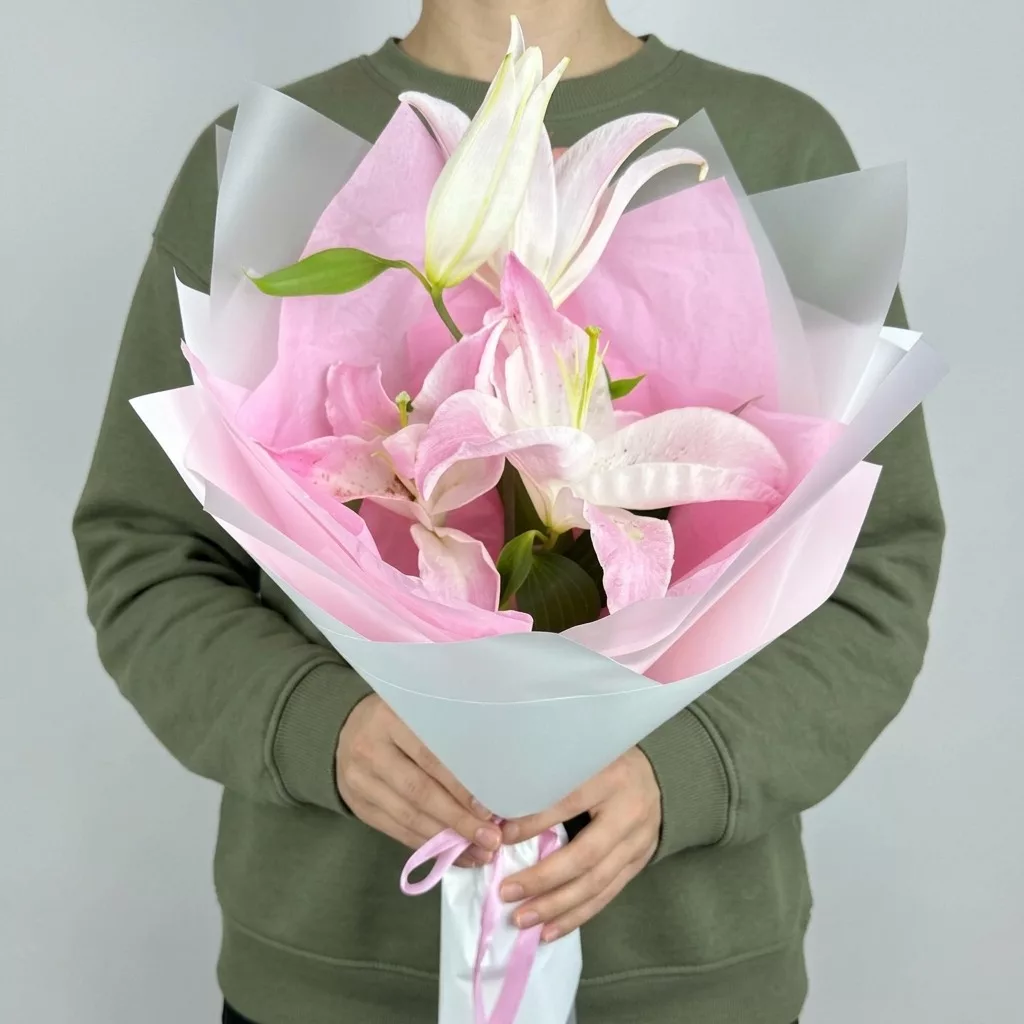
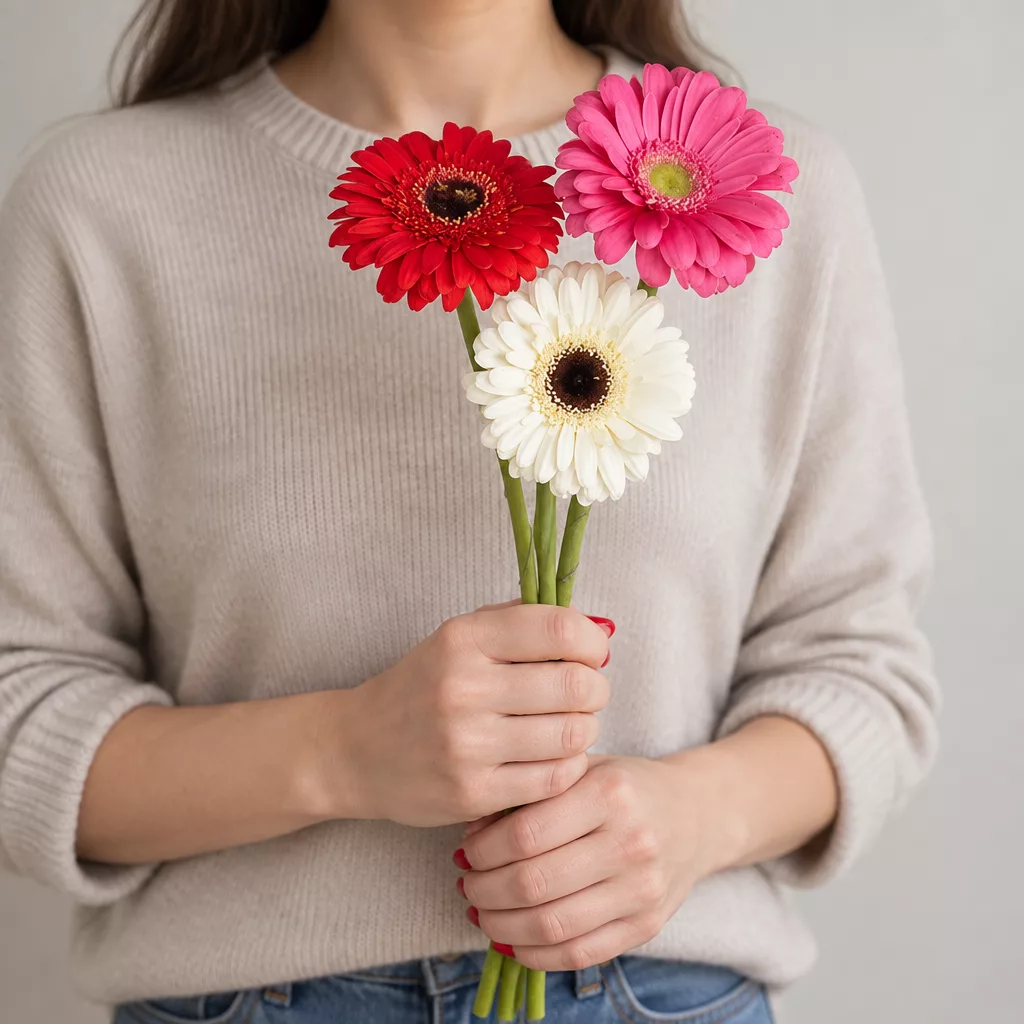
Bouquets we can deliver

Choosing the Right Moment to Order — Timing Across Time Zones
This is where most people living abroad make their first mistake. They think about the order on the evening of March 7 their local time, which may already be the morning of March 8 in Russia. Moscow time is UTC+3, and cities further east — Yekaterinburg, Novosibirsk, Vladivostok — are even further ahead. By the time you are having breakfast in London or New York, your mother in Novosibirsk may already be halfway through her holiday.
The safest approach is to place your order at least 48 hours before you want the flowers delivered. Pre-ordering for a specific time slot on March 8 is the most reliable method. Choose morning delivery — between 9 and 11 in the morning in your mother's local time — so she receives the bouquet before the day fills up with family visits, calls, and celebrations. Nothing feels better than flowers arriving first thing.
March 8 is the single highest-demand day of the year for every flower shop in Russia. Courier capacity fills up fast. If you wait until the day itself, you risk delays, reduced variety, or no available slots at all. Ordering two or three days ahead also gives the florists time to source the best stems — mimosa in particular needs careful handling and is reserved for pre-orders first. Set a reminder now, whatever day you are reading this.
What to Order: Bouquets That Feel Like Spring
Think about what your mother will see when she opens the door. A bouquet for March 8 should feel like spring arriving — light, fragrant, and full of colour. Mimosa branches paired with white or cream tulips create the most iconic combination for this holiday. The contrast between the soft yellow clusters and the clean tulip petals is simple but genuinely beautiful, and the scent of mimosa fills a room within minutes.
If your mother prefers something more lush, ranunculus are an excellent choice for early March. Their layered petals look almost like peonies but they are available in late winter, and they hold their shape well during delivery. Soft pinks, corals, and whites work especially well. Hyacinths add a powerful, sweet fragrance and come in purple, pink, and white — a single stem can scent an entire hallway.
For a larger arrangement, combine tulips, ranunculus, and a few stems of alstroemeria for volume and longevity. Alstroemeria lasts up to two weeks in a vase, which means your mother will be reminded of you long after the holiday is over. Avoid heavy tropical flowers like anthuriums or birds of paradise for this occasion — they feel out of place with the season and the sentiment.
When choosing by size, think about where your mother lives. A compact apartment calls for a medium bouquet of 15 to 21 stems rather than an enormous arrangement that overwhelms the space. A generous, well-composed medium bouquet almost always looks more considered than a very large one put together quickly under holiday pressure.
How to Place the Order From Outside Russia
Ordering from abroad is straightforward if you have the right information ready before you start. You will need your mother's full delivery address including the apartment number and entrance code if there is one — Russian apartment buildings often have a door code or intercom system, and a courier without that detail will be stuck outside. Ask your mother's neighbour or another family member if you are not sure.
You will also need a working phone number for the recipient. The courier will call ahead to confirm they are on their way, which is standard practice. If your mother does not know a bouquet is coming and you want to keep it a surprise, you can note that in the order comments — a good florist will instruct the courier to message rather than call, or to call only when they are at the door.
Payment from abroad is handled online. Most Russian flower delivery services accept international cards, though some may require a Mastercard or Visa issued outside Russia — check this before you begin. If your card is declined, PayPal or a transfer through a family member inside Russia are common workarounds. Write your personal message in the order form in Russian if you can, or in English and ask for it to be transliterated — seeing your words on a card in her language will mean a great deal to your mother.
Double-check the delivery city carefully. Russia is large, and city names can repeat across regions. Confirm the full city name and region when you fill in the address.
Flowers in March: What Your Mother Should Know About Care
March in Russia is still cold — temperatures in Saint Petersburg and Moscow hover around zero to five degrees Celsius, and in Siberian cities they can be well below freezing. This actually works in the bouquet's favour during delivery: cold air keeps flowers fresh and firm. The moment they arrive indoors, though, they need attention.
Tulips in particular are sensitive to warmth. They will continue to grow after cutting — sometimes by several centimetres — and they lean toward light sources. Your mother should trim the stems at an angle under running water, place them in a clean vase with cool water, and keep them away from radiators and direct sunlight. Changing the water every two days and re-trimming the stems will extend their vase life to seven or eight days.
Mimosa is more delicate. It wilts quickly in dry, heated air, which is common in Russian apartments in winter. Lightly misting the clusters with water once a day helps. Mimosa branches last about five to seven days in a vase, but even after they dry, the tiny flowers hold their shape and colour — many people keep dried mimosa as a memory of the holiday.
Ranunculus and hyacinths prefer cool rooms and fresh water. Hyacinths are often sold with their bulb still attached; if so, your mother can pot the bulb after the stems fade and it may bloom again. Pass these care tips along in your message — it shows you thought about the flowers beyond the moment of delivery, which is a lovely detail.
Making It Personal: The Message and the Finishing Touch
The card is not an afterthought. For a mother receiving flowers from a child who lives far away, the written message is often the most treasured part of the whole gesture. Keep it warm and specific rather than formal. Instead of 'Happy Women's Day,' try something that references a shared memory, an inside joke, or a simple honest sentence about what she means to you. Even three lines written from the heart will stay with her long after the petals fall.
If you are not confident writing in Russian, write in English and ask the florist to include it as written — your mother will almost certainly appreciate seeing your own words, even in another language. Alternatively, have a friend or family member help you translate a sentence or two into Russian for the card. The effort will be visible and touching.
Consider adding a small extra to the order if it is available: a box of chocolates, a scented candle, or a small plant. On March 8, the gesture of thinking ahead matters enormously. A plant — a small orchid or a pot of hyacinths — lasts far longer than cut flowers and becomes a living reminder of the day.
If other siblings are abroad as well, coordinate the order together. A single generous bouquet from all of you carries more impact than two or three smaller ones arriving separately and causing confusion at the door. Decide on a message you all agree on, pool the budget, and send something she will genuinely be surprised by. That coordination, done quietly from different corners of the world, is its own kind of love.
March 8 comes once a year, and the distance between you and your mother does not have to show. A bouquet ordered carefully, timed correctly, and chosen with the season in mind will reach her door smelling of spring — mimosa and tulips and the particular freshness of cut stems in cold air. She will know you planned it. She will know you thought of her. That is the whole point, and it is entirely within reach from wherever you are sitting right now.
Frequently asked questions
Can I order March 8 flowers for my mother in a city other than Saint Petersburg?
Yes. Turboflora delivers fresh bouquets to cities across Russia, not only Saint Petersburg. When placing your order, enter your mother's full address including the city and region. Confirm the exact city name carefully, as some names appear in more than one region of Russia.
What if I want the delivery to be a surprise and my mother does not know it is coming?
Add a note in the order comments asking the courier to message rather than call ahead, or to call only when they are standing at the door. Make sure the apartment number and entrance code are correct so the courier can reach the door without needing to contact her in advance.
Which flowers last the longest after delivery on March 8?
Alstroemeria typically lasts the longest — up to two weeks with fresh water and trimmed stems. Tulips and ranunculus last seven to ten days with proper care. Mimosa is shorter at five to seven days but dries beautifully and keeps its shape, so many people preserve it as a keepsake from the holiday.
My payment card was declined. How can I complete the order from abroad?
Some international cards face restrictions when processing payments to Russian services. Try a different Visa or Mastercard if you have one. Alternatively, ask a trusted family member inside Russia to place the order on your behalf and transfer the amount to them through an international payment service.
Is it acceptable to send flowers to my mother on March 8 even if she is older or lives alone?
Absolutely — in fact, for a mother living alone, a bouquet delivered to her door may be the most meaningful moment of the entire holiday. March 8 is celebrated across all generations in Russia. Receiving flowers at home when family cannot be present in person is a deeply appreciated gesture at any age.
Ready to send flowers?
Pick the city, choose the bouquet, and a local florist takes it from there.
Choose a city →