What Is the Spanish Flower? A Guide to Carnations and Gifts
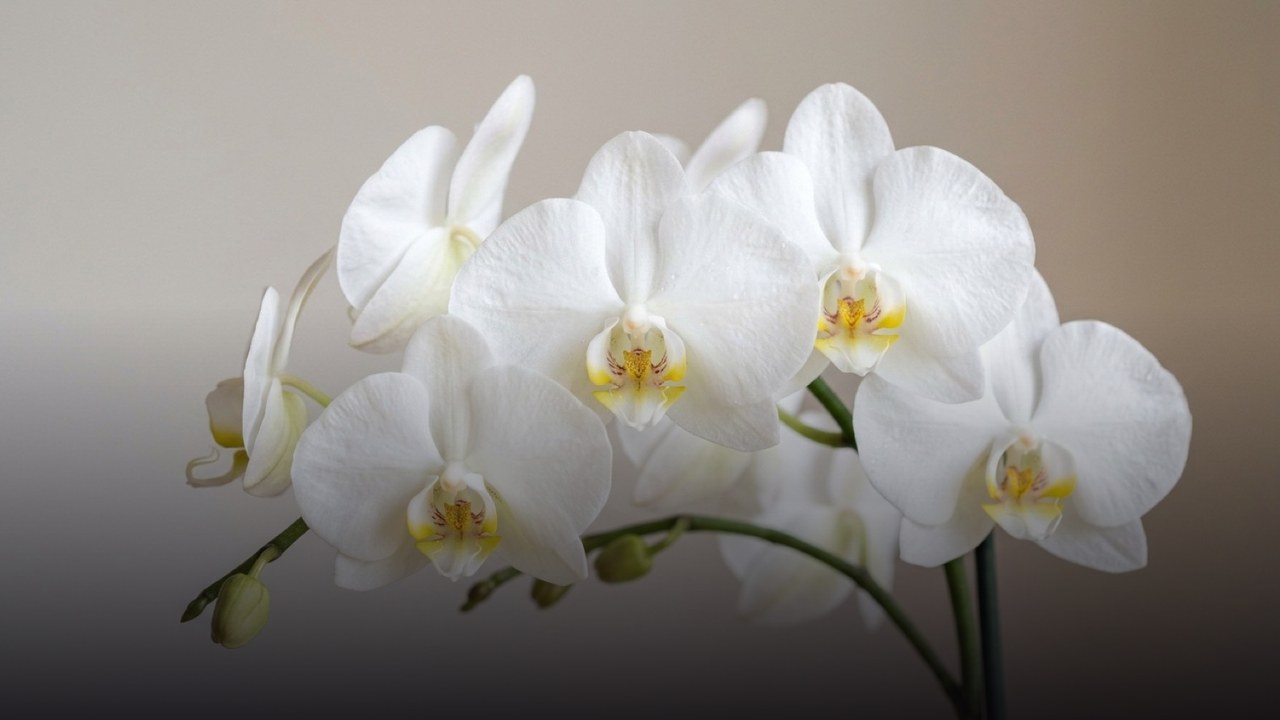
If you mean Spain’s national flower, the usual answer is the red carnation, widely regarded as a floral symbol of the country. “Spanish flower” can also describe flowers associated with Spanish gardens and celebrations; the Spanish word for flower is flor.
For a gift, that distinction helps: a carnation bouquet makes a clearer reference to Spain than a general mix of Mediterranean-looking flowers. You can express the connection through colour, texture and a personal card without needing flowers grown in Spain. Here is how to choose a meaningful arrangement, care for it and organise a delivery if your recipient lives in Russia.
Why the carnation is associated with Spain
The carnation, Dianthus caryophyllus, is called clavel in Spanish; the plural is claveles. Its frilled petals and distinctive silhouette appear in Spanish festive imagery, including flowers worn with traditional dress. The red carnation has a particularly strong association with Spain, although that cultural connection does not mean every carnation comes from there.
You may see the carnation described simply as Spain’s national flower. For a personal gift, “a traditional floral symbol of Spain” is a useful, careful way to explain your choice without making a claim about an official designation. If you are writing a card for someone with Spanish roots, connect the flower to a shared memory rather than relying on a national label alone.
From a florist’s perspective, carnations offer a rounded, textured flower head that works in both compact bunches and looser arrangements. A bouquet dominated by one colour makes the ruffled edges especially noticeable. Red creates a strong visual reference to Spain; pale pink or white gives a softer result if those colours better suit the person receiving it.
Other flowers you may recognise from Spanish settings
Carnations are only one part of Spain’s floral landscape. Pelargoniums, commonly called geraniums, are familiar in pots on balconies and in courtyards, including the patios associated with Córdoba. They are useful inspiration for a bright, informal colour palette, but a flowering balcony plant and a bouquet of cut stems have different care needs and should not be treated as interchangeable gifts.
Orange blossom has a close cultural connection with southern Spain, particularly Seville. Its Spanish name is azahar, a word also used for the blossom of other citrus trees. If you are remembering a spring visit, orange blossom may be the flower you have in mind. That memory can guide your card text without assuming the blossom will be available as a cut flower.
Bougainvillea is another recognisable feature of sunny Spanish streets and gardens. The papery pink, purple or red parts that attract attention are bracts surrounding small flowers. For a bouquet inspired by that view, think about the vivid colour contrast rather than requesting a direct recreation: plants that look striking on a wall do not necessarily translate well into a delivered arrangement.
Bouquets we can deliver




Choose the meaning for the person and the occasion
Red carnations commonly suggest love or admiration, while pink is often associated with affection and gratitude. White can suggest purity, remembrance or a restrained, elegant gesture. These meanings vary across countries and families, so treat them as a starting point. Your relationship with the recipient and the message you include are more reliable guides than a rigid flower dictionary.
For someone in Russia, consider the number of stems as well as the colour. An odd number is customary for a celebratory bouquet when the stems are counted individually; even numbers are traditionally associated with mourning. Red carnations can also evoke remembrance and commemorative occasions. For a birthday or romantic gift, explain the Spanish connection if that is central to your choice.
A short card can make the intention unmistakable: “These carnations reminded me of our evenings in Seville” says more than an unexplained symbolic colour. For a colleague, keep the wording appreciative and avoid an unexpectedly intimate message. For a partner, a specific memory or a sentence about why you chose the flowers makes the gift personal without requiring an elaborate arrangement.
How to care for cut carnations at home
Start with a clean vase and fresh water. Remove leaves that would sit below the waterline, then trim the stem ends with clean, sharp scissors or secateurs before arranging them. Keep the lower stems clear of foliage: leaves left underwater decay and make it harder to keep the vase clean. Give the stems enough room so that flower heads are not crushed together.
If flower food is supplied, follow the packet’s dilution instructions instead of guessing the amount. Check the water each day, top it up as needed and replace it regularly, washing the vase when you do. Recut the stem ends when refreshing the arrangement. Avoid adding household mixtures such as sugar or bleach, where an unsuitable concentration can damage the flowers.
Place the bouquet away from direct sun, radiators, draughts and ripening fruit. Remove fading flowers and any leaves that fall into the water. In a mixed bouquet, different flowers may age at different rates, so you can rearrange the remaining healthy stems in a smaller vase. A fixed vase-life promise would be misleading because condition, handling and the room environment all affect longevity.
Turn a Spanish flower idea into a suitable gift
Begin with the person’s taste, then decide how strongly you want the Spanish theme to appear. For someone who loves carnations, a focused arrangement may be the clearest choice. For someone whose favourite colour is lilac or cream, that preference may matter more than using red. Use the Bouquets catalogue to explore options, and check any particular flower requirement before ordering.
When discussing your choice, describe the elements that matter: carnations as the main flower, a warm colour palette, a compact shape or a message recalling Spain. Separate an essential requirement from an optional preference. If the specific flower is the reason for the gift, say so clearly and ask what can be arranged; a colour theme alone does not communicate that priority.
You can contact a manager on WhatsApp for help choosing a bouquet and agreeing the address, delivery time and card text. You can also request a photo of the bouquet before delivery. A card with your text is free, so use it to explain the Spanish reference or simply tell the recipient why you are thinking of them.
Arrange flower delivery to Russia from abroad
Turboflora delivers flowers across Russia. City delivery costs 500 RUB; for remote districts and suburbs, the operator confirms the price when confirming the order. Before arranging delivery, prepare the recipient’s address and phone number, and make clear which date and local delivery time you mean. This is especially useful when you and the recipient are in different time zones.
In large cities, express delivery is available in 1–2 hours after the order is confirmed. You can also arrange an exact time with a margin of plus or minus 30 minutes, choose a window of 09–12, 12–15, 15–18 or 18–21, or pre-order 1–30 days ahead. Choose a period when the recipient is likely to be available, and agree the details rather than assuming a surprise requires no contact.
The courier calls the recipient about 15 minutes before arrival. Delivery is anonymous by default: the courier does not name the sender, so sign the card if you want your identity to be clear. If the recipient is absent, we agree a second delivery that day or, with your consent, hand the flowers to a neighbour or concierge. Online checkout uses CloudPayments; check the options displayed there for your payment method. See Delivery and payment for delivery information.
Frequently asked questions
What is the national flower of Spain?
The red carnation is widely regarded as Spain’s national flower and is a familiar cultural symbol. In Spanish, a carnation is called clavel.
Does “Spanish flower” mean a flower grown in Spain?
Not necessarily: it may refer to a flower associated with Spanish culture, especially the carnation. A Spanish-inspired bouquet describes an idea or style and does not establish where its flowers were grown.
Are red carnations suitable for a birthday in Russia?
They can be, especially if the recipient likes them, but red carnations also have commemorative associations in Russia. Choose an odd number when individual stems are counted, and use the card to make the birthday sentiment clear.
Can I order flowers to Russia using a foreign card?
Online checkout uses CloudPayments, and you should check the payment options displayed at checkout. Acceptance of every foreign card cannot be guaranteed.
Ready to send flowers?
Pick the city, choose the bouquet, and a local florist takes it from there.
Choose a city →