Want Your Bouquet to Last? Try Splitting It Into Separate Vases
A beautiful mixed bouquet arrives at your door and you want it to stay that way for as long as possible. The instinct is to keep everything together, arranged exactly as it came. But here is something most florists know and rarely explain out loud: certain flowers actively shorten the life of the stems around them, and a single vase can become a quiet battleground within twenty-four hours. Separating a mixed arrangement into two or three smaller vases is one of the most effective things you can do, and it takes about ten minutes.
Why Some Flowers Are Quietly Ruining the Others
Flowers communicate chemically, and not always kindly. The most well-known example is ethylene gas, a natural ripening agent that some flowers and fruits produce in significant quantities. When ethylene builds up in the water and air around a vase, it accelerates aging in every stem nearby. Petals drop faster, buds refuse to open, and leaves yellow ahead of schedule.
Narcissus and daffodils are the most notorious offenders in a mixed bouquet. Their stems release a sticky sap called narcissine into the water, which is genuinely toxic to other flowers. Roses, tulips, and hyacinths placed in the same water as daffodils will wilt hours earlier than they should. This is not a matter of water quality or room temperature — it is chemistry.
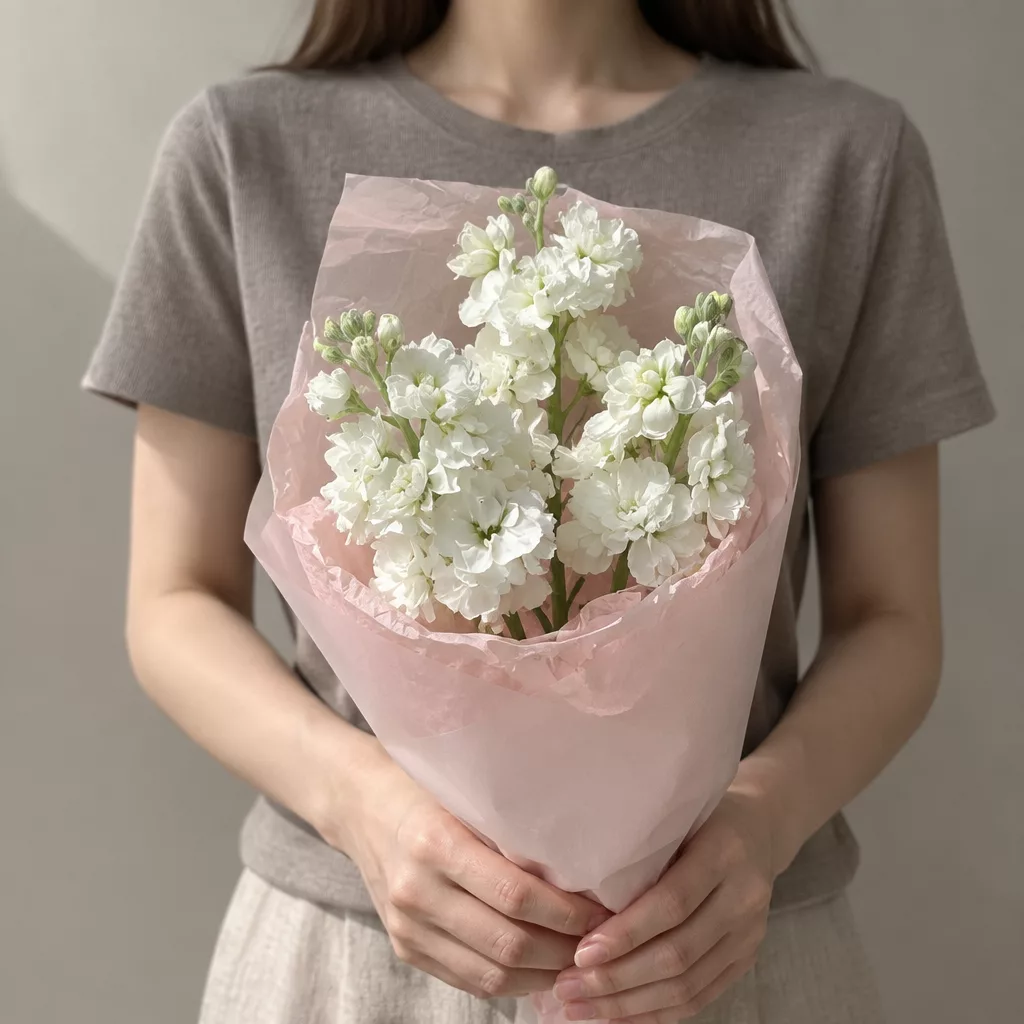
Ethylene producers include lilies, carnations, and snapdragons. Roses are sensitive receivers, meaning they react strongly to ethylene from other sources. Placing a bunch of carnations next to roses in one vase is a reliable way to shorten the roses' vase life by a day or two.
The good news is that once you know which combinations to avoid, separating a bouquet becomes straightforward. You are not trying to create a new arrangement from scratch. You are simply giving each flower group the environment it needs to thrive, and the result is that your home ends up with several smaller, equally lovely displays instead of one that fades all at once.
Bouquets we can deliver


The Flowers That Must Always Have Their Own Vase
Daffodils and narcissus belong alone, full stop. Condition them separately for at least four to six hours before introducing them anywhere near other flowers, and even then keep them in their own vessel. If you want them in the same room as roses or tulips, that is perfectly fine — just use separate water. After the conditioning period, the sap release slows considerably, but the safest approach is always a dedicated vase.
Tulips are a special case for a different reason. They continue to grow after cutting, sometimes by several centimetres, and they move toward light in a way that can push other stems aside and disturb an arrangement. They also drink a surprising amount of water and prefer cooler temperatures than most flowers. Pairing tulips with roses in warm indoor conditions often means the tulips collapse before the roses have even fully opened.
Lilies deserve their own space not because of chemistry alone but because of scale. A single open lily stem can dominate a mixed vase and block light and air from reaching smaller flowers like freesia or spray roses. Separated into a tall, narrow vase with fresh cool water, a lily stem can last eight to twelve days. Crowded into a mixed arrangement, that number drops noticeably.
Hyacinths are heavy drinkers and produce their own compounds that affect sensitive neighbours. They do well in a short, wide vase with only a few centimetres of water, changed every day. Keeping them apart also means you get the full benefit of their scent without it competing with everything else in the room.
Good Companions: Flowers That Share Water Happily
Not every combination is a conflict. Some flowers genuinely coexist well and can share a vase without shortening each other's life. Knowing which groups work together helps you plan your split intelligently rather than giving every single stem its own glass.
Roses and lisianthus are excellent companions. Lisianthus has a similar stem structure, prefers the same water depth, and is not particularly sensitive to ethylene. Together they create a full, layered look and both last well in a clean vase with fresh water every two days. Adding a few stems of eucalyptus to this pairing works beautifully — eucalyptus has mild antibacterial properties that can actually help keep the water cleaner for longer.
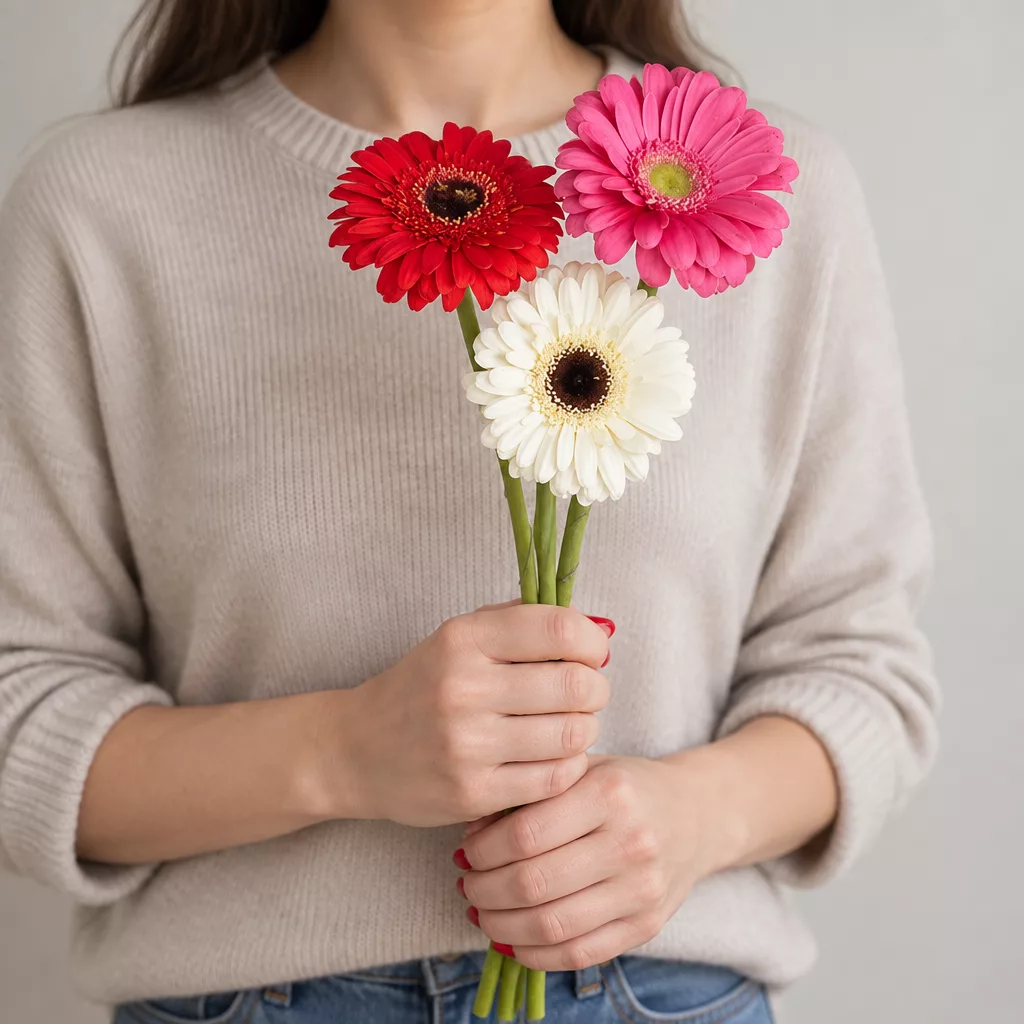
Chrysanthemums and gerberas share similar care needs: fresh water, a clean cut every two days, and moderate room temperature. They are both relatively ethylene-tolerant and do not produce large amounts of it themselves. A vase of mixed chrysanthemums and gerberas in warm autumn tones can last ten days or more with basic care.
Freesia and ranunculus are another natural pairing. Both are delicate, both prefer cool rooms, and neither produces significant ethylene. They look wonderful together and neither overwhelms the other in terms of scale or scent.
The guiding principle is simple: group flowers by their care needs first, then consider their chemistry. Flowers that want the same water temperature, the same depth, and the same light level will naturally support rather than compete with each other. When you split a bouquet with this in mind, you are not just preventing damage — you are actively creating better conditions for every stem.
How to Actually Do the Split: Tools and Technique
You do not need professional equipment to separate a bouquet well. A sharp kitchen knife or scissors, several clean vases or even tall glasses, cool water, and about ten minutes are everything required. The most important tool is the knife — scissors can crush stem cells and reduce water uptake, so if you only have scissors, make sure they are very sharp and cut at a clean diagonal angle.
Start by laying the bouquet on a clean surface and identifying the groups: daffodils out first, lilies next, then tulips. What remains is usually a core of roses, filler flowers like gypsophila or waxflower, and foliage. Work with clean hands and a clean cutting surface to avoid introducing bacteria into the stems.
Fill each vase with cool, clean water before you cut. Room temperature or slightly cooler is ideal for most flowers — not ice cold and not warm. Remove any leaves that would sit below the waterline, because submerged leaves rot quickly and cloud the water with bacteria that block stem uptake. This single step makes a significant difference to vase life.
Cut each stem at a forty-five degree angle, about one to two centimetres from the bottom, and place it immediately into water. Do not let cut stems sit in air for more than a few seconds. For roses specifically, cutting under running water or in a bowl of water prevents air bubbles from forming in the stem channel, which is one of the most common reasons roses droop prematurely.
Arrange each smaller vase with its group, add a small pinch of sugar if you have no flower food, and place them in a cool spot away from direct sun and fruit bowls.
Where to Place Each Vase in Your Home
Placement matters as much as separation. Different flowers have genuinely different temperature preferences, and placing every vase in the same warm, sunny corner of the room is a missed opportunity.
Tulips and daffodils prefer the coolest spot you have. A north-facing windowsill, a hallway, or even a cool bathroom shelf will keep them fresh significantly longer than a heated living room. If your home is warm in winter due to central heating — which is common in Russian apartments, where radiators run at high capacity from October through April — these flowers will fade within two to three days in a heated room but can last five to seven in a cool one.
Roses and lisianthus are comfortable at normal room temperature, around eighteen to twenty-two degrees Celsius, but they dislike drafts and heating vents. Avoid placing them directly above a radiator or near an open window in cold weather. A stable temperature matters more than a specific number.
Lilies should go where they have space to open fully without being touched or brushed. They are also best kept away from bedrooms if you or anyone in your household is sensitive to strong scent, as a fully open lily can perfume an entire room. A dining table or hallway table gives them room to perform.
Fruits, especially apples and pears, produce significant ethylene on their own. Keep every vase away from the fruit bowl. This is one of the most commonly overlooked reasons why flowers in kitchens fade faster than those in other rooms. Moving a vase from the kitchen counter to a side table in the hallway can add a full day to its life with no other change.
Daily Care Once the Bouquet Is Split
Once separated, each vase needs only a few minutes of attention every day or two, and the routine is the same regardless of which flowers are inside. Fresh water is the single most important factor. Change it completely every two days, or every day if the room is warm. When you change the water, rinse the vase itself to remove the bacterial film that builds up on the glass — this film is invisible but it clogs stem ends and shortens vase life noticeably.
Each time you change the water, re-cut the stems. Remove another centimetre at the same diagonal angle. This keeps the uptake channel open and removes any softened or sealed tissue that has formed since the last cut. It takes thirty seconds per vase and makes a measurable difference. Florists do this as a matter of habit, and it is the single step that home flower care most often skips.
Remove any flowers that are fading before they affect the others. A single rotting stem in a vase releases bacteria and ethylene into the water and can accelerate the decline of every remaining stem. Pulling it out the moment it begins to droop is not wasteful — it is protective.
For daffodils in their separate vase, change the water daily rather than every two days. Their sap continues to leach into the water even after the initial conditioning period, and fresh water slows the buildup. For lilies, remove the orange pollen-bearing anthers from each flower as it opens. This prevents pollen from dropping onto petals, which causes staining, and it also extends the individual flower's open period by a day or two.
When the Flowers Fade at Different Rates
One of the unexpected pleasures of splitting a bouquet is that you stop losing everything at once. Instead of one arrangement that goes from full to finished in a concentrated rush, you have several smaller vases at different stages, and some will still be beautiful when others are done.
Daffodils and tulips typically last five to seven days. Roses and lisianthus, with good care, will go eight to ten. Lilies can stay open for ten to fourteen days if conditioned well and kept at a stable temperature. Chrysanthemums often outlast everything else in a mixed bouquet, sometimes reaching two weeks. This staggered timeline means your home has flowers for longer overall, even though the original bouquet was delivered on a single day.
As individual vases empty, consolidate thoughtfully. Once the tulips are finished, their vase is free. If the roses are still going strong and you have a few stems of gypsophila left, combine them into one vase — they are compatible, and the smaller arrangement will look intentional rather than sparse. Add a fresh stem of something simple, like a single branch of waxflower, to refresh the look.
This approach to flowers — treating them as something that evolves over days rather than a static arrangement — is deeply satisfying. It also changes how you receive a bouquet. Rather than watching it slowly decline as a whole, you are actively involved in its life, moving stems, refreshing water, and curating what remains. The flowers last longer, and your relationship with them becomes more attentive and more rewarding.
Splitting a mixed bouquet takes ten minutes and costs nothing, but it can add three to five days to the life of every stem in the arrangement. The principle is simple: flowers have different chemistry, different temperature preferences, and different water needs, and honoring those differences is the most effective form of flower care there is. Keep daffodils alone, give lilies space, pair roses with compatible companions, and change the water every two days without fail. What started as one beautiful delivery becomes several smaller displays that evolve across two weeks, each one a reminder that good flowers, well cared for, give generously. We deliver bouquets across Russia in 1–2 hours.
Frequently asked questions
Can I put daffodils with other flowers after conditioning them for six hours?
It is safer to keep daffodils in their own vase throughout their entire life. The conditioning period reduces sap release but does not eliminate it entirely. If space is limited, use a separate container placed near other vases rather than mixing them into shared water. The risk to roses and tulips in particular is significant enough to warrant the extra vase.
How do I know if my flowers are suffering from ethylene rather than just aging normally?
Ethylene damage tends to look like premature petal drop, buds that brown without ever opening, and leaves that yellow from the tips inward while the stem still feels firm. Normal aging usually shows wilting first, then browning. If your flowers are dropping petals while the stems still feel strong and the water looks clean, ethylene from a neighbouring plant, fruit bowl, or ripening flower is likely the cause.
Is it worth splitting a small bouquet of only five or six stems?
Yes, if those stems include daffodils or narcissus alongside roses or tulips. Even a single daffodil stem in shared water will affect its neighbours. For a small bouquet of compatible flowers — say, roses and lisianthus — there is no need to split. The decision should be based on which varieties are present, not the total number of stems.
What is the best water temperature for cut flowers?
Cool water, roughly ten to fifteen degrees Celsius, suits most cut flowers and slows bacterial growth. Tulips and daffodils prefer the cooler end of that range. Tropical flowers like anthuriums and birds of paradise prefer room-temperature water. Avoid very cold water straight from the tap in winter, as the shock can cause stem cells to contract and reduce uptake temporarily.
Does the shape of the vase affect how long flowers last?
Yes, meaningfully. A narrow-necked vase supports tall stems like roses and delphiniums and reduces the surface area of water exposed to air, slowing bacterial growth. A wide, shallow vase suits short stems like ranunculus and anemones. Overcrowding any vase restricts airflow around the stems and accelerates decay, so choosing a vase where stems have a centimetre or two of space between them is always worthwhile.
Ready to send flowers?
Pick the city, choose the bouquet, and a local florist takes it from there.
Choose a city →