Spring Holidays in Russia: Which Flowers Belong to Which Day
Spring in Russia arrives in three distinct emotional waves. March 8 is tender and personal — it is about the women in your life feeling seen. May 1 is collective and cheerful, the first real warmth of the year spilling into the streets. May 9 is solemn and proud, a day when flowers carry the weight of memory. Each occasion has its own palette, its own rhythm, and its own unspoken rules. If you are sending flowers from outside Russia, or simply want to get the gesture exactly right, this guide will walk you through all three holidays so that nothing is left to guesswork.
March 8: What This Day Actually Means for the People Receiving Flowers
International Women's Day on March 8 is not a political statement in Russia — it is one of the most warmly felt holidays of the year. Every woman in a man's life receives flowers: mothers, grandmothers, wives, daughters, colleagues, teachers. The gesture is expected and genuinely appreciated, which means the pressure to choose well is real. Getting it right matters more than spending a lot.
The emotional register of the day is softness and gratitude. Recipients are not looking for dramatic statements. They want to feel remembered and cherished. That shapes everything — the colours, the scale, the wrapping.
Tulips are the defining flower of March 8 in Russia. They arrive in shops weeks before the holiday, and a bouquet of fifteen or twenty-one tulips in cream, pink, or soft lilac reads immediately as a March 8 gift. Mimosa — the small yellow acacia-like branches that smell of early spring — is the other classic. It is not always easy to keep fresh, but its scent alone makes it worth including.
For a grandmother or mother, a round bouquet of tulips with a few sprigs of mimosa and white gypsophila is both traditional and genuinely beautiful. For a younger woman, ranunculus in blush tones or a mixed bouquet built around garden roses and anemones feels more contemporary without losing warmth. Avoid red roses on March 8 — they read as romantic rather than celebratory and can feel mismatched for a colleague or a relative.
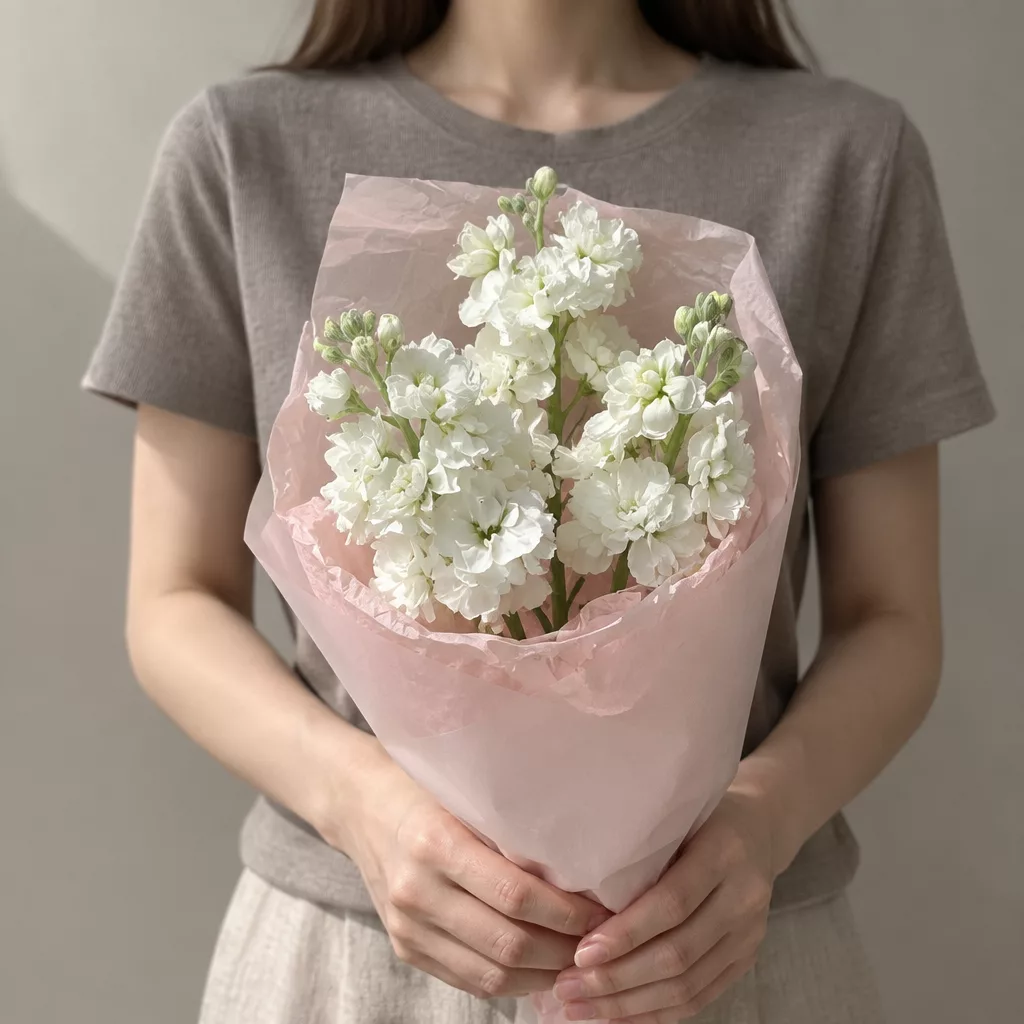
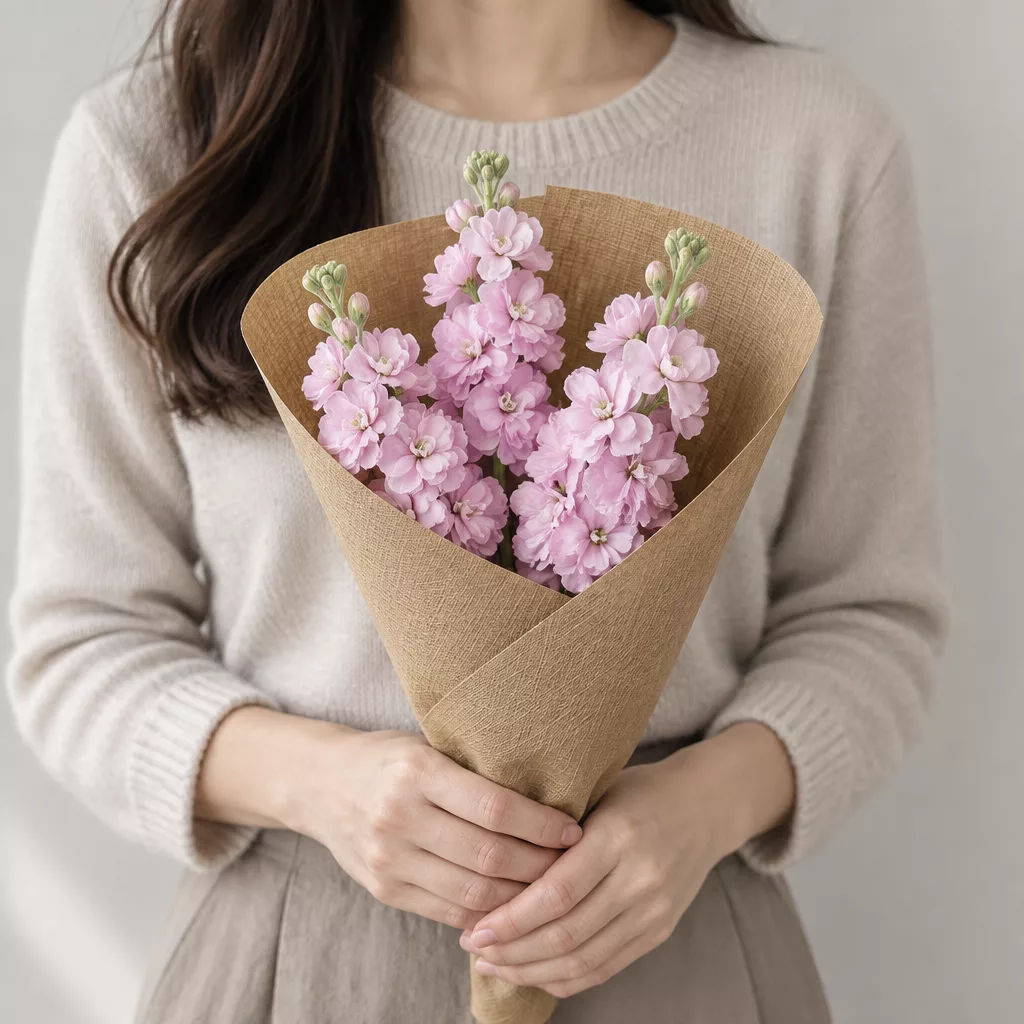
Bouquets we can deliver


Choosing by Relationship: March 8 Flowers for Different Women in Your Life
The relationship between giver and recipient changes everything about the right bouquet. A single bunch of tulips works for almost anyone, but a more considered choice will be remembered long after the flowers have faded.
For a mother or grandmother, lean into warmth and familiarity. Peonies are not yet in season in early March in Russia, so soft pink or white tulips combined with freesia — which carries a sweet, light fragrance — make an excellent substitute. Freesia is hardy in transit and holds its scent for five to seven days in a cool room, which matters when delivery distances are long.
For a wife or partner, the bouquet can be more personal. If she has a favourite flower, use it as the centrepiece and build around it. Ranunculus in peach or apricot tones, garden roses in cream, or a single-variety bouquet of white tulips in a generous quantity all feel considered rather than generic. Add a few eucalyptus stems for texture — they last well and give a fresh, slightly herbal note that balances sweetness.
For a colleague or a teacher, keep it light and unpretentious. A hand-tied bunch of five to seven tulips in a single colour, wrapped simply, is exactly right. It says you remembered without overstepping the relationship. Bright yellow or orange tulips work well here — they are cheerful and read as friendly rather than intimate.
One practical note: order at least two days before March 8. Demand peaks sharply on March 7 and the morning of March 8, and same-day availability of specific varieties cannot be guaranteed during the holiday rush.
May 1: The Holiday That Calls for Colour and Abundance
May Day in Russia — officially the Day of Spring and Labour — is a public holiday with a festive, outdoor character. By early May, temperatures in most of central Russia have climbed enough that people are genuinely outside, walking in parks, gathering with family, and feeling the season turn. The flowers that suit this day are exuberant and colourful, reflecting the mood of the street rather than the intimacy of a living room.
By May 1, the seasonal range opens up considerably compared to March. Tulips are still available but nearing the end of their prime. Narcissus — in both single and double varieties — are at their best and carry a honeyed, green scent that feels unmistakably like spring. Lilac, if you can find branches with tight buds rather than open blooms, is a spectacular choice: it wilts quickly once open, but buds will open slowly over three to four days in a cool vase.
Mixed bouquets work especially well for May 1 because the holiday is collective rather than personal. A combination of narcissus, muscari, and light-coloured tulips in a loose, garden-gathered style suits the day perfectly. Think of it as bringing the outside in — or rather, celebrating that the outside has finally arrived.
For a host or hostess if you are visiting family, a vase-ready bouquet in bright spring tones is a thoughtful gift. Avoid anything that looks too formal or structured. The mood of May 1 is relaxed abundance, not ceremony. Wrap loosely in kraft paper rather than cellophane, and the presentation will feel exactly right.
May 9: Flowers That Carry Memory Without Being Funeral
Victory Day on May 9 is the most emotionally complex of the three spring holidays, and it requires a different kind of attention. It commemorates the Soviet victory in the Second World War and is a day of both pride and grief — families remember relatives who did not come home, and the country honours those who did. It is not a day for celebration in the ordinary sense, but it is also not a day of mourning.
The flower most associated with May 9 is the red carnation. This is a specifically Russian and Soviet tradition — carnations were the flower of official Soviet commemorations, and they remain deeply connected to the day in popular memory. Red carnations placed at memorials, given to veterans, or left at eternal flame monuments are a gesture that any Russian will immediately understand.
If you are sending flowers to someone who has lost family in the war — which for older generations is nearly universal — a bouquet of red carnations with a few white ones mixed in is both appropriate and genuinely moving. Keep the arrangement simple. This is not a day for elaborate combinations.
For a veteran or an elderly relative being honoured on this day, red carnations remain the right choice. If carnations feel too stark, a bouquet of deep red tulips or burgundy anemones can carry the same gravity with slightly more softness. Avoid bright pastels, yellow, or anything that reads as festive in a lighthearted way. The day asks for dignity, and the flowers should match that.
Keeping Spring Flowers Fresh: What Temperature and Water Actually Do
Spring flowers are almost all cool-weather plants, and they behave accordingly. Tulips, narcissus, ranunculus, and anemones all last significantly longer when kept away from heat sources and direct sunlight. In a room at eighteen to twenty degrees Celsius, a fresh tulip bouquet will hold for five to seven days. At twenty-five degrees, that drops to two or three days. This is not a small difference.
The single most common mistake people make with tulips is putting them in a warm room near a radiator. In Russian apartments in early March, heating is often still running at full capacity, and a bouquet placed on a windowsill above a radiator will wilt within twenty-four hours regardless of how fresh it was on arrival. The best spot is a cool corner away from heat, ideally somewhere with indirect light.
Change the water every two days and cut a centimetre from the stems at an angle each time you do. This keeps the stem ends from sealing over, which is what prevents water uptake. Use a clean vase — residue from a previous bouquet introduces bacteria that shorten vase life significantly.
Narcissus and mimosa are the most temperature-sensitive of the spring varieties. Narcissus stems release a sap that is mildly toxic to other flowers, so if you are mixing them with tulips, let the narcissus stems sit in water alone for two hours first, then rinse before combining. Mimosa should be misted lightly every day and kept in a very cool room — it dries out quickly in centrally heated spaces. Lilac branches benefit from having the cut end split slightly with a knife to help them drink.
Ordering Ahead: Timing Your Delivery Around Russia's Spring Peak Days
The three spring holidays fall close enough together that florists — and the supply chains behind them — experience a sustained period of high demand from late February through mid-May. Understanding this rhythm helps you plan so that the flowers you want are actually available when you need them.
March 8 is by far the busiest single day for flower deliveries in Russia. Demand begins building on March 6 and peaks on the morning of March 8 itself. If you want a specific variety — particular tulip colours, mimosa, or ranunculus — order by March 5 at the latest. Generic orders placed on March 7 will be fulfilled, but variety choices become limited as stock moves quickly.
May 1 sees a moderate increase in orders but nothing like the March 8 peak. Two to three days of advance ordering is usually sufficient. The main risk here is lilac: it has a very short window between tight bud and full bloom, and availability varies week to week depending on the season's progression in the growing regions.
May 9 orders are typically placed one to two days before. Red carnations are reliably available throughout the first half of May, so last-minute orders are more feasible for this holiday than for March 8.
For deliveries across Russia — to cities like Moscow, Kazan, Novosibirsk, or Yekaterinburg — factor in that flowers travel in refrigerated conditions to preserve freshness. Turboflora delivers within one to two hours of order confirmation, but for holiday periods, earlier ordering ensures you get the time slot you need. A bouquet that arrives on the morning of the holiday, rather than the evening before, always makes a stronger impression.
Spring in Russia is a season of layered meaning, and each holiday asks something slightly different from the flowers you send. March 8 calls for softness and personal attention. May 1 wants colour and the feeling of abundance. May 9 asks for simplicity and dignity. When you match the flowers to the emotional register of the day — and to the person receiving them — the gesture lands exactly as it should. Order with enough time to choose well, keep the bouquet in a cool spot when it arrives, and the flowers will do the rest.
Frequently asked questions
Are tulips always the right choice for March 8, or can I send something different?
Tulips are traditional and universally understood, but they are not mandatory. Ranunculus, freesia, and garden roses all work beautifully for March 8. The key is to stay in soft, warm tones — blush, cream, lilac, peach — and avoid anything that reads as overly formal or romantic unless the relationship calls for it.
Can I send flowers for May 9 to someone who is not a veteran?
Absolutely. Many Russians send flowers to elderly relatives or parents on May 9 as a way of honouring family history and shared memory. A simple bouquet of red carnations or deep red tulips is appropriate for anyone you want to acknowledge on this day, not only veterans.
How far in advance should I order for March 8 if I am sending to another city?
For deliveries to cities outside Saint Petersburg, order by March 5 at the very latest. Specific varieties — mimosa, coloured ranunculus, particular tulip shades — sell out earliest. A generic order placed on March 7 will likely be fulfilled, but you may have less control over what the bouquet looks like.
Why do narcissus stems need to be kept separate from tulips before arranging?
Narcissus stems release a sap that is mildly harmful to other flowers, particularly tulips. Letting narcissus sit alone in water for about two hours allows most of the sap to leach out. Rinse the stems before adding them to a mixed vase, and your tulips will last noticeably longer alongside them.
Is mimosa a reliable flower to include in a March 8 bouquet, or does it wilt too fast?
Mimosa is delicate and does wilt faster than tulips, especially in warm, centrally heated rooms. It is worth including for its scent and its strong association with the holiday, but keep the bouquet in a cool spot and mist the mimosa branches lightly each day. Expect it to look its best for three to four days.
Ready to send flowers?
Pick the city, choose the bouquet, and a local florist takes it from there.
Choose a city →