Statice colours: a practical guide to shades and combinations
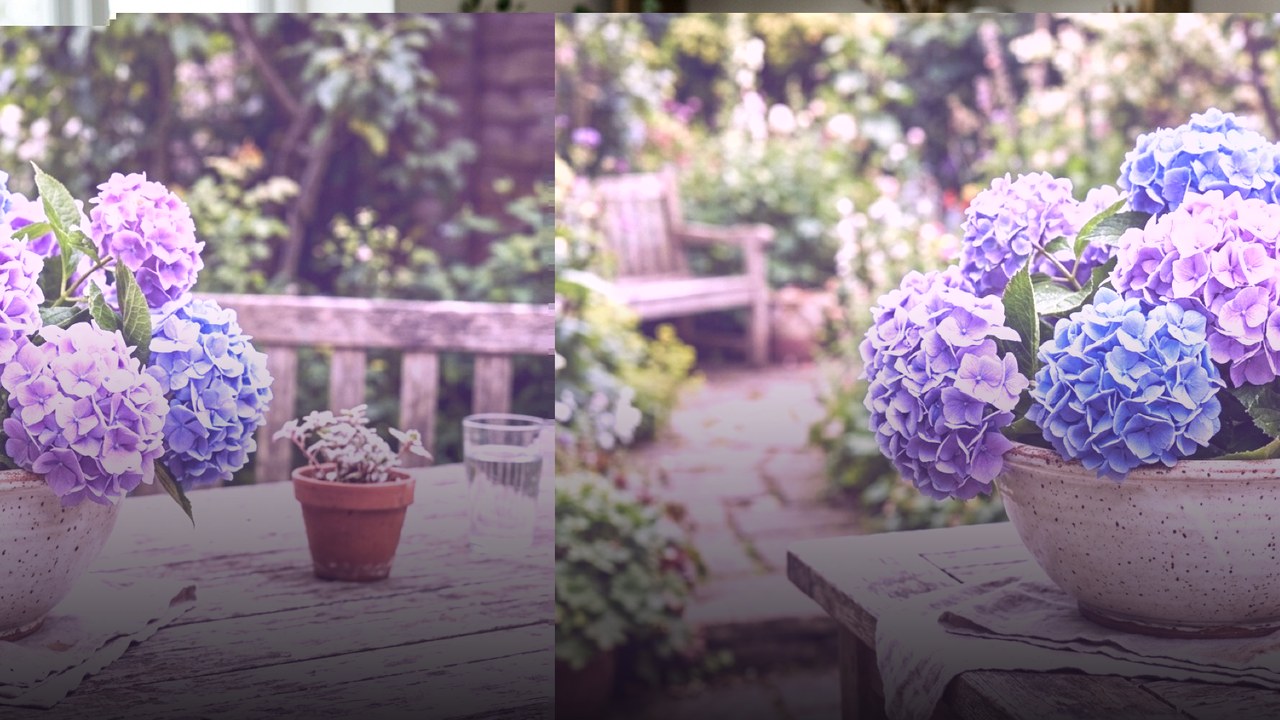
Statice colours include violet, lavender, blue, pink, white, yellow and peach or apricot shades, depending on the variety. The lasting colour comes mainly from papery calyces surrounding the small flowers, which is why statice can look dry even when freshly cut. For a bouquet, choose a colour family first and check the available shade before settling on an exact match.
The same statice can look different beside cream roses, bright yellow flowers or dark foliage. Its branching stems spread small patches of colour throughout an arrangement, so it can gently connect several shades or make a strong contrast. If you are choosing flowers for someone in Russia from abroad, describing the effect you want—soft, bright, restrained or colourful—is often more useful than sending a single colour name.
Which statice colours are natural?
Violet and lavender are familiar statice shades, alongside blue, white, yellow and pink. Peach, apricot and rose tones also occur in cultivated varieties. These names describe broad colour families: one lavender may be pale and silvery, while another looks closer to purple. Variety, maturity and lighting all affect how you see the shade.
What looks like a tiny coloured petal is usually part of the persistent, papery calyx. The actual flowers are small and may appear white or yellowish within it. A stem can therefore show two colours at once, especially when you look closely. Those little pale centres are normal; they do not necessarily indicate that the coloured parts are fading.
Florists may also use dyed or tinted statice, particularly for unusual colour effects. An intensely saturated shade in a photograph is not enough to establish whether it is natural. If that distinction matters to you, ask specifically about the stems proposed for your bouquet. Screen settings and artificial light can also make blue look more violet or a soft pink look warmer.
How to combine purple, blue, pink, white and yellow
Violet or blue statice gives pale flowers a clear outline. Pair it with white or cream for a crisp arrangement, or with lavender and blush for a gentler transition. Because each stem has many small branches, even a modest amount can distribute colour widely. Ask for violet as an accent if you want the larger, lighter flowers to remain the main focus.
Pink and apricot statice work well in warm palettes with peach, cream and soft yellow. The useful distinction is between a cool, lilac pink and a warmer salmon pink: they create quite different results beside the same flowers. To keep a pastel bouquet coherent, describe two or three related shades and say whether you prefer a warm or cool overall effect.
Yellow statice can brighten white flowers or contrast strongly with purple. White statice adds fine texture with less colour contrast against pale blooms, although it becomes much more noticeable beside dark flowers. For a mixed bouquet, choose one leading colour, one supporting colour and a small accent. For more ideas about its role in arrangements, see our statice flower guide.
Bouquets we can deliver




Choose the mood without relying on a colour code
Statice is often associated with remembrance and lasting affection, but there is no universal meaning for each shade. Purple does not communicate the same message to every recipient, and white is used in both celebratory and commemorative arrangements. Treat these associations as background. The occasion, the whole bouquet and your card text give the recipient much clearer guidance.
For a birthday or a friendly thank-you, start with the person's favourite colours rather than a symbolic rule. Someone who enjoys bright interiors may appreciate yellow and violet; someone who wears muted colours might prefer lavender, cream and blush. If you know little about their taste, a limited palette is easier to describe and assess than an arrangement containing many competing shades.
For a condolence gesture or a formal occasion in Russia, explain the purpose when discussing the bouquet. Colour alone cannot establish whether an arrangement is appropriate, and family preferences matter. A short, direct card message can remove uncertainty about your intention. A card with your text is free, so you can make the sentiment explicit without asking the flowers to carry the entire message.
Fresh statice care: protect the colour and the stems
Fresh statice feels papery by nature, so touch alone is a poor test of freshness. Look at the whole stem: avoid obvious mould, slimy submerged sections or a strong unpleasant smell. The coloured calyces should not be confused with soft petals that need frequent misting. For more on that distinctive texture, read about why fresh statice looks dried.
Use a clean vase, trim the stem ends with a clean cutting tool and remove foliage that would sit below the waterline. Add fresh water and follow the directions if you use cut-flower food. Check the water regularly and change it when it becomes cloudy, cleaning the vase as needed. In a mixed bouquet, keep an eye on the larger flowers too, as their condition may determine when the arrangement needs attention.
Place the vase away from direct sun, radiators and strong heat sources. Avoid repeatedly spraying the coloured clusters: trapped moisture can encourage mould, particularly where stems are packed together. Statice often retains its colour as it dries, but that does not mean every stem in a mixed bouquet will age at the same rate. Remove deteriorating flowers rather than leaving them among healthy stems.
What happens to statice colours when you dry them?
Statice is useful for drying because its papery coloured parts can keep their shape and much of their colour. The result still varies: a vivid fresh shade may become softer, and some stems fade more noticeably than others. If you want to preserve a bouquet, start while the statice is in good condition instead of waiting until the arrangement has begun to decay.
Separate the statice from flowers that are wilting or holding moisture. Remove unnecessary foliage, make small loose bunches and hang them upside down in a dry, ventilated place away from direct sunlight. Leave space between bunches so air can circulate. Crowding damp stems together makes drying less reliable; check them periodically rather than assuming a fixed drying time will suit every room.
Once dry, display the stems away from damp areas and strong sunlight, and handle them gently because the branches become brittle. Dust lightly with a soft brush instead of washing them. If colour matching matters for a dried arrangement, compare the stems after drying before adding ribbons or other decorations. The fresh bouquet photograph is a useful reference, but it cannot guarantee the eventual dried shade.
How to request a statice palette for delivery in Russia
Start with the bouquets catalogue, then describe your preferred statice colours and the role they should play: a few lavender accents, a strong violet contrast or a soft mixed palette. Tell us if a particular shade is essential. Contact a manager on WhatsApp to discuss the choice, agree the address, delivery time and card text, and request a photo of the bouquet before delivery.
We deliver flowers across Russia. City delivery costs 500 RUB; for remote districts and suburbs, the operator confirms the price when confirming the order. In large cities, express delivery is available 1–2 hours after order confirmation. You can also arrange delivery at an exact time with a tolerance of ±30 minutes, choose a 09–12, 12–15, 15–18 or 18–21 window, or pre-order 1–30 days ahead. When ordering from abroad, state the date and time in the recipient's city.
Delivery is anonymous by default: the courier does not name the sender. Include your name in the card text if you want the recipient to know who sent the flowers. The courier calls about 15 minutes before arrival; if the recipient is absent, we agree a second delivery that day or a handover to a neighbour or concierge with your consent. Online checkout uses CloudPayments; check the payment options displayed there, as acceptance of every foreign card is not guaranteed. We deliver bouquets across Russia in 1–2 hours.
Frequently asked questions
What colours does statice come in?
Statice comes in violet, lavender, blue, pink, white, yellow and peach or apricot shades, depending on the variety. Exact tones and availability vary, so check the proposed flowers if a particular shade matters.
Is blue statice naturally blue?
Statice varieties can have naturally blue or blue-violet calyces. Dyed flowers also exist, so ask about the actual stems if you want a natural colour rather than judging from a photograph.
Does statice keep its colour when dried?
It often retains much of its colour, although shades may soften or fade. Dry healthy stems in small bunches away from direct sunlight, then keep the finished arrangement away from damp and strong light.
Which statice colours work well with white flowers?
Violet and blue create a pronounced contrast, while lavender, blush pink and apricot give a softer effect. White statice adds texture to a pale bouquet without introducing another strong colour.
Can I request a specific statice colour for delivery in Russia?
You can discuss your preferred shade and bouquet details with a manager on WhatsApp before ordering. Explain whether an exact colour is essential or whether nearby shades would suit, and request a photo of the bouquet before delivery.
Ready to send flowers?
Pick the city, choose the bouquet, and a local florist takes it from there.
Choose a city →