Stems of a Flower: A Practical Guide to Bouquets and Care
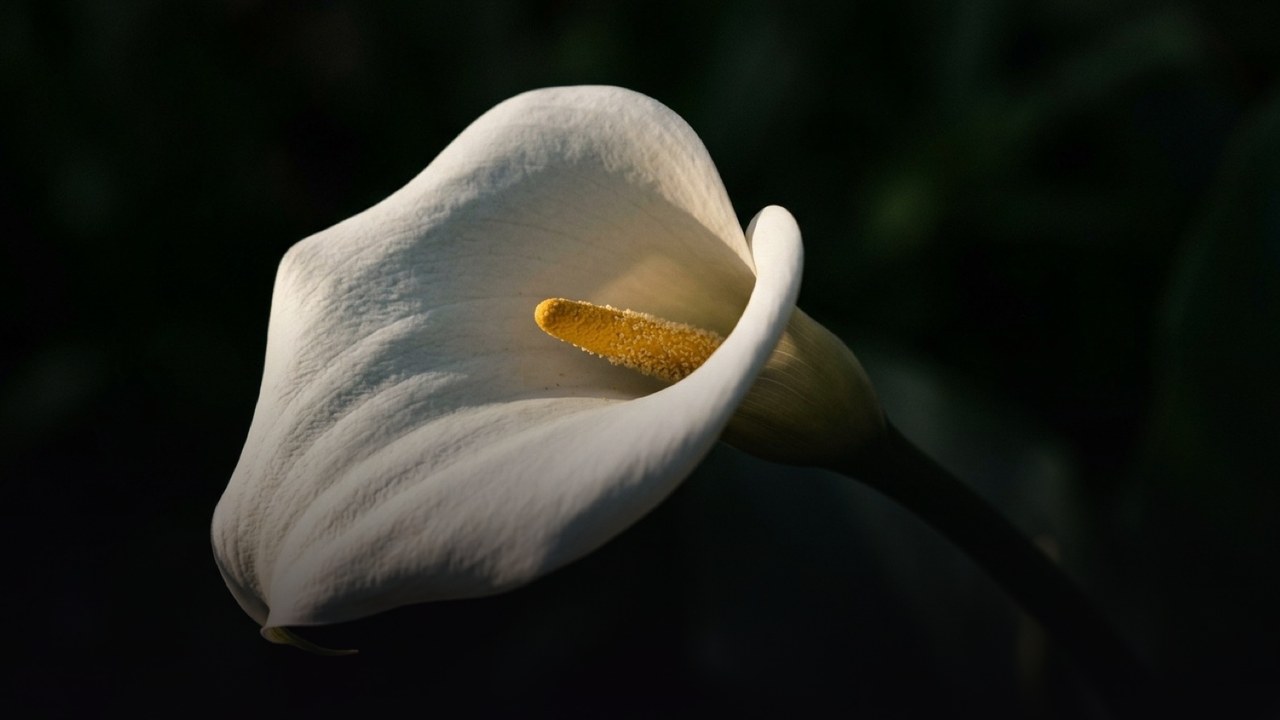
The stems of a flower support its blooms and leaves and contain tissues that transport water, minerals and sugars through the plant. In a cut bouquet, the stem remains the route by which water reaches the flower head. When you order flowers by stem count, you are usually counting individual cut stems, each of which may carry one bloom or several.
That distinction matters when you choose a gift: a bouquet of branching stems can look very different from the same number of single-headed roses. Stem length, thickness and condition also affect how flowers sit in a vase and how easily you can arrange them. Here is how to read a bouquet description, prepare the stems after delivery and choose flowers thoughtfully for someone in Russia.
What a flower stem does
Think of the stem as both a support and a transport route. Its xylem carries water and dissolved minerals, while its phloem moves sugars around the living plant. After cutting, a flower loses its connection to the roots, so access to clean vase water becomes especially important. A bloom can still look fresh when its water supply is beginning to struggle.
On many stems, you can see nodes: the points where leaves, buds or side shoots attach. The spaces between them are called internodes. A flowering stem may end in one large head or divide into several smaller flowering branches. This is why the words stem, flower and bloom are related but are not interchangeable when describing a bouquet.
Stems also differ in structure. Some are soft and flexible, others firm or woody, and some are hollow. Those differences affect the tool you need and the support a vase provides. Avoid treating every stem alike: a thin, delicate stalk needs a gentle grip, while a woody stem needs a sharp tool capable of making a clean cut without crushing it.
How to count stems and judge bouquet size
For a practical count, look at the separate cut ends at the base of the bouquet. A spray rose stem with several blooms normally counts as one stem, just as a single-headed rose does. One branching chrysanthemum stem can carry several flower heads, too. Counting visible blooms in a photograph therefore will not reliably tell you the number of stems.
Stem count alone is a poor measure of fullness. Flower-head size, branching, foliage and the spacing between stems all change the outline. A compact bunch of large blooms may appear substantial with relatively few stems; slender flowers can create a lighter, more open shape. Look at the bouquet's overall proportions as well as any stated quantity.
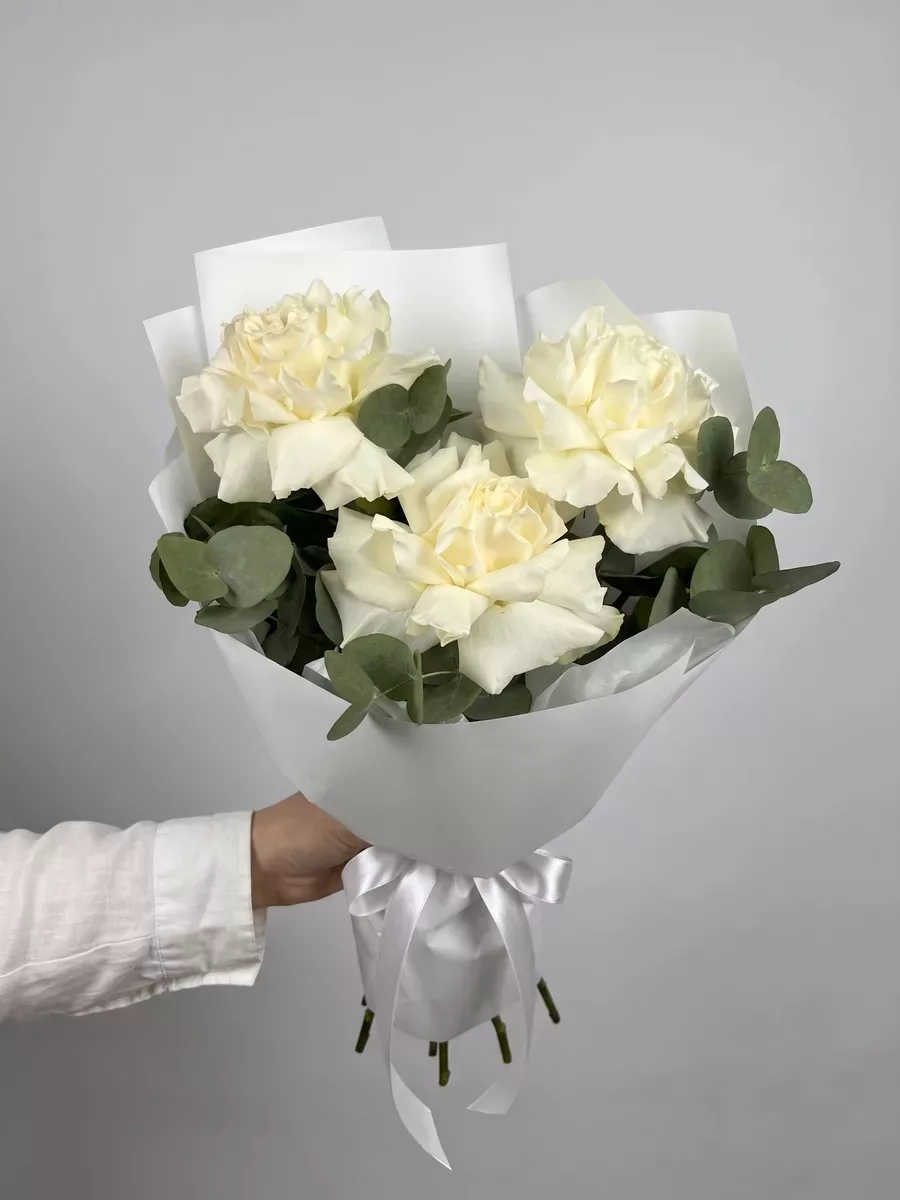
When choosing from the bouquets catalogue, decide whether you want a close, rounded arrangement or something airy with visible space between flowers. If the number itself matters to you, clarify which flowering stems are included in the count. Our guide to how many flowers make a bunch explains why there is no universal bunch size.
Bouquets we can deliver



How to trim stems when your flowers arrive
Prepare the vase before you cut anything. Wash it thoroughly, rinse away any detergent and add fresh water. Remove wrapping that would sit in the water or stop you positioning the flowers properly. Keep a tie in place if it helps preserve the arrangement, provided you can still inspect the lower stems and remove any submerged leaves.
Use a clean, sharp blade or suitable secateurs to shorten each stem enough to expose a fresh cut surface. A small angled cut is useful for many common cut flowers because it helps keep the end from sitting flat against the vase base. Avoid blunt household scissors on thick stems: squeezing and tearing the tissue can damage the water-conducting area.
Put the freshly cut stems into water promptly. Before shortening them, check the vase height and leave enough length to support the flower heads above the rim. You can remove more later, but you cannot restore a stem cut too short. For tool choice and a fuller method, see our guide to trimming flower stems after delivery.
Keep the stems clean and watch the water
Remove leaves that would sit below the waterline. Submerged foliage breaks down and encourages microbial growth, which can interfere with water uptake. Leave healthy foliage above the water where it contributes to the arrangement. There is no need to strip every leaf from a stem simply to make it look tidy; focus on the part inside the vase.
Check the water every day, especially in a crowded bouquet where the level can be hard to see. Top it up as needed and replace it when it becomes cloudy or develops an unpleasant smell, cleaning the vase at the same time. If flower food is supplied, follow its instructions and dilution rate rather than adding an unmeasured amount.
Keep the vase away from direct sun, heaters and strong draughts, and avoid placing flowers beside ripening fruit. Remove fading flowers and any loose plant material from the water. A drooping head does not always mean the whole bouquet has reached its end: check the water level and stem condition, then recut sound stems if needed. Recovery depends on the flower and the cause.
Choose stem length and count for the recipient
Match stem length to where the flowers are likely to stand. Long stems need a vase with enough height and weight to support them; a low vase usually suits a shorter arrangement. If you know the recipient has limited table space, consider a compact bouquet. Tall flowers can be striking, but they also need room above and around the vase.
In Russian gift-giving, an odd number of flowers is customary for a celebratory bouquet when the individual stems are clearly counted. Even numbers are traditionally associated with mourning. This distinction is particularly noticeable in simple, single-variety bouquets. With mixed or branching flowers, clarify the intended count if following that custom is important to you.
Let the occasion and the recipient guide the rest. Colour meanings vary between people and cultures, so a favourite flower or colour is often a more useful starting point than a rigid symbolism chart. For a birthday, thank-you or message of support, a short personal card can explain your intention more clearly than the stem count alone. A card with your text is free.
Ordering flowers to Russia from abroad
Turboflora delivers flowers across Russia. City delivery costs 500 RUB; for remote districts and suburbs, the operator confirms the delivery price when confirming the order. You can contact a manager on WhatsApp for help choosing a bouquet, agreeing the address, delivery time and card text, and arranging a photo of the bouquet before delivery.
In large cities, express delivery is available within 1–2 hours after the order is confirmed. You can also arrange delivery at an exact time with a margin of plus or minus 30 minutes, choose a 09–12, 12–15, 15–18 or 18–21 window, or pre-order 1–30 days ahead. If you are abroad, specify the intended date and time in the recipient's city to avoid time-zone confusion.
Delivery is anonymous by default: the courier does not name the sender, so include your name in the card if you want it known. The courier calls the recipient about 15 minutes before arrival. If the recipient is absent, we agree a second delivery that day or, with the sender's consent, hand the flowers to a neighbour or concierge. Online checkout uses CloudPayments; check the options displayed there for your card. See delivery and payment for the ordering information.
Frequently asked questions
What is the difference between a flower stem and a bloom?
A stem is the supporting structure that carries water to the flower; a bloom is the flower head itself. One cut stem may carry one bloom or several, depending on the plant and variety.
Does more stems always mean a bigger bouquet?
No: large flower heads and branching stems can create a full bouquet with fewer cut stems. Compare the overall shape, flower types and proportions as well as the count.
Should I crush or split flower stems before putting them in water?
For routine home care, make a clean cut with a sharp tool rather than crushing or splitting the stem. Damaged tissue can deteriorate in the water, so follow any flower-specific care instructions you receive.
How much of the stem should be under water?
Keep the cut ends submerged and use a vase that supports the flowers securely. Remove foliage below the waterline and check the level daily, since water needs differ between flower types and arrangements.
Can I send flowers to Russia without revealing my name?
Yes, delivery is anonymous by default and the courier does not name the sender. If you want the recipient to recognise the gift, include your name in the text for the free card.
Ready to send flowers?
Pick the city, choose the bouquet, and a local florist takes it from there.
Choose a city →