Teacher's Day Flowers in Russia: What Pupils Traditionally Bring
Every year on October 5, Russian classrooms fill with the scent of fresh flowers as pupils arrive carrying bouquets for their teachers. If you are new to this tradition — or simply want to get it right this time — the choices can feel surprisingly specific. Certain flowers, certain colours, and even certain bouquet sizes carry meaning here. This article walks you through exactly what is expected, what looks generous without being excessive, and how to place an order so the bouquet arrives fresh on the morning that matters.
Why October 5 Is Such a Big Flower Day in Russia
Teacher's Day in Russia falls on October 5, aligned with the international date established by UNESCO. In Russian culture it sits alongside New Year and International Women's Day as one of the three occasions when giving flowers is considered almost obligatory rather than optional. Schools across the country transform into something close to a flower market for the morning, with pupils arriving from the first bell carrying bouquets.
The tradition has roots in the Soviet era, when showing respect to educators through flowers was a civic gesture as much as a personal one. Today it remains deeply felt. Teachers genuinely expect flowers, and a child who arrives without them can feel conspicuous. That social weight is worth understanding if you are a parent deciding whether to bother — the answer, in Russian school culture, is always yes.
October is also a practical month for flowers. Summer heat has passed, and many autumn varieties are at their peak. Dahlias, chrysanthemums, and certain rose varieties are abundant and affordable at this time of year, which is part of why the tradition feels so natural to maintain. The season works in your favour, and a florist who knows the Russian school calendar will already have stock prepared for this date specifically.
Bouquets we can deliver

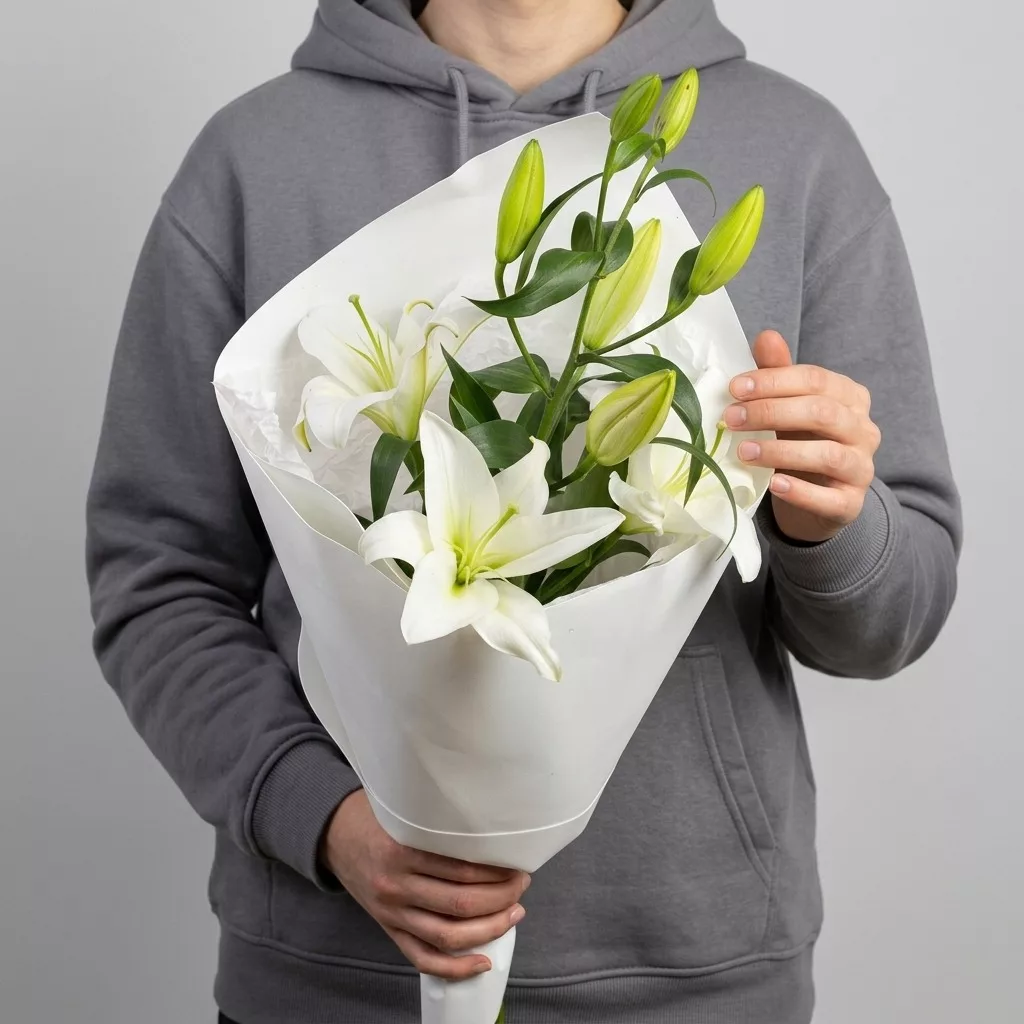
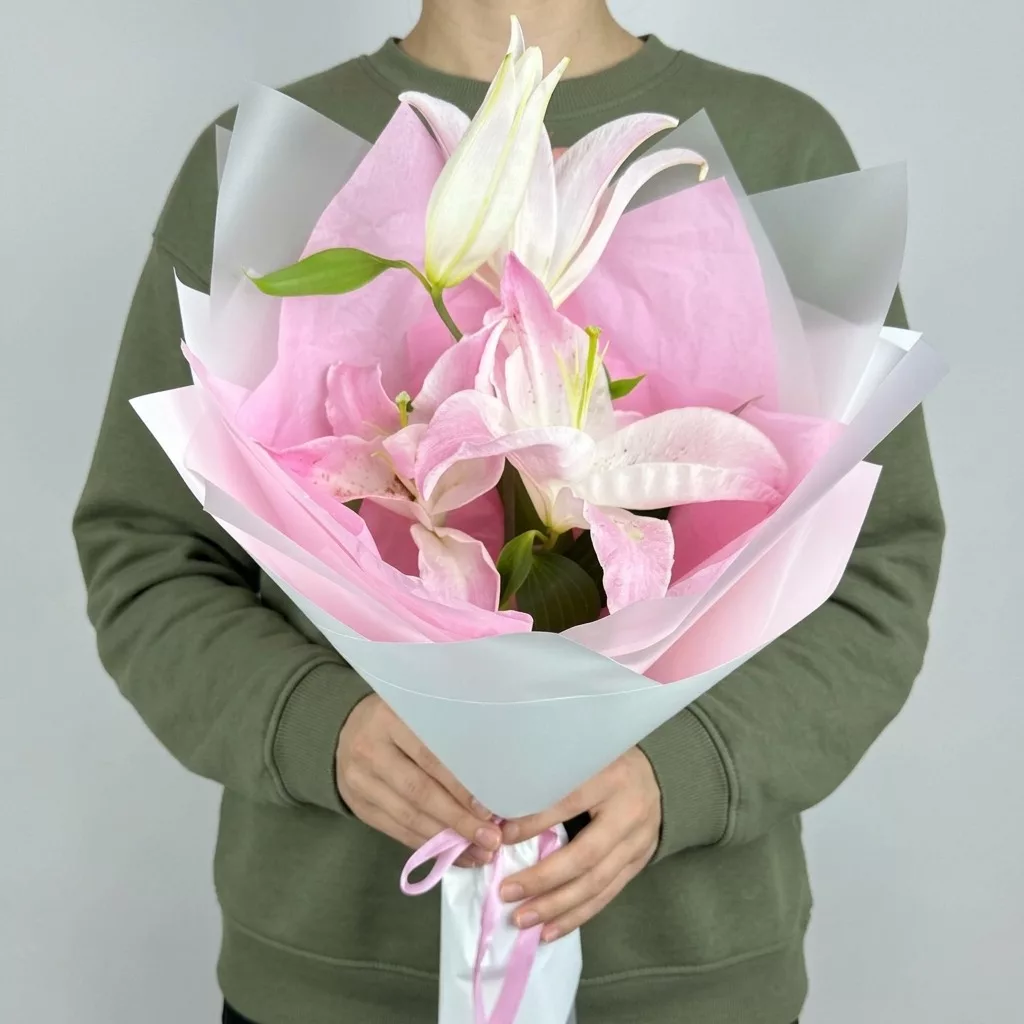

The Flowers Pupils Most Commonly Choose and Why
Chrysanthemums are the single most popular choice for Teacher's Day in Russia, and there is a reason for that beyond price. They come in whites, yellows, soft pinks, and deep burgundies, they last well out of water during the school commute, and a single large spray chrysanthemum can anchor a bouquet the way a rose does in other contexts. Spray varieties — the multi-headed stems — give a generous, full look without requiring a large quantity of stems.
Roses follow closely. Deep red roses read as the most formal and respectful, which suits older teachers or those in senior positions. Cream and pale pink roses feel warmer and are often chosen for younger teachers or primary school educators. A bouquet of seven or nine roses in a single colour, wrapped simply, is considered clean and appropriate rather than plain.
Gerberas appear often in bouquets for younger or more approachable teachers — their bold, open faces in orange, yellow, and coral give a cheerful energy that suits the occasion without feeling too formal. Alstroemeria is another reliable choice, offering clusters of small blooms that fill a bouquet economically and last exceptionally well. Eustoma, sometimes called lisianthus, has grown popular in recent years for its layered, almost peony-like appearance — it photographs beautifully and feels slightly more considered than a standard chrysanthemum wrap, which appeals to parents who want the bouquet to stand out in a classroom full of flowers.
Colours That Work and a Few to Avoid
White and yellow are the safest and most traditional choices for Teacher's Day. White flowers — white chrysanthemums, white eustoma, white roses — carry a sense of purity and respect that aligns with how Russian culture frames the teacher-pupil relationship. Yellow, despite carrying negative associations in some other contexts in Russia, is widely accepted for teachers specifically because it reads as warmth and optimism rather than anything darker. A yellow and white combination is considered classic.
Soft pinks and peaches work well and are increasingly popular, particularly for female teachers, which is the majority in Russian primary and secondary schools. These colours feel personal without being overly romantic, which is the right register for a child presenting flowers to an adult authority figure.
Deep red roses, as mentioned, are respectful and formal. However, a bouquet that is entirely deep red can tip into a register that feels more romantic than is appropriate for a school setting, so red works best when mixed with white or cream, or when the roses are presented as a small, tight group within a larger arrangement.
Avoid strong purples and dark burgundies as the dominant colour — they can read as heavy or funereal in Russian floral tradition, even though individual burgundy chrysanthemums mixed into a lighter bouquet are perfectly fine. Bright orange alone can feel too casual. The guiding principle is warmth and brightness without loudness — a bouquet that looks like it belongs in a classroom, not at a party.
Bouquet Size, Wrapping, and Presentation Norms
Russian school bouquets follow a fairly consistent size convention. A single-child bouquet typically contains between five and eleven stems, with odd numbers preferred in Russian gifting culture — even numbers are traditionally associated with mourning. A bouquet of seven or nine stems is considered generous and complete. If a class is pooling contributions for one large bouquet, fifteen to twenty-one stems is appropriate and will make a visible impression without becoming unwieldy for the teacher to carry home.
Wrapping matters as much as the flowers themselves. The standard Russian presentation is a cone wrap — a paper cone that holds the stems together and allows the blooms to face outward and upward. Kraft paper in natural brown or white is considered tasteful and contemporary. Cellophane wrapping alone looks dated and cheap in the current aesthetic, though it was the standard for decades and older teachers may associate it with nostalgia.
A ribbon tied around the paper is expected. Satin ribbon in white, gold, or a colour that complements the flowers is the norm. A handwritten card from the child, even just a few words, elevates the gift considerably — Russian teachers value the personal gesture, and a card that names the child helps when a teacher receives twenty bouquets in a single morning and wants to remember who brought what.
Avoid elaborate cellophane bows, excessive decorative picks, or artificial filler elements. The flowers should speak for themselves, and restraint in decoration signals that the bouquet was chosen thoughtfully rather than assembled in a hurry.
Ordering for a Child's Teacher: Timing and Practical Details
The single most common mistake parents make is ordering too late. By the evening of October 4, demand for Teacher's Day bouquets in Russian cities spikes sharply, and same-day delivery on October 5 itself fills up by mid-morning. If you want the bouquet to arrive before school starts — ideally between seven and nine in the morning — you need to place your order at least the day before, or earlier in the week if you want to choose freely from the full range of available flowers.
Temperature matters during transit. October in Saint Petersburg averages between five and twelve degrees Celsius, which is actually ideal for cut flowers — cool air extends vase life and prevents wilting during a school commute. If you are ordering delivery to a home address so a child can carry the bouquet to school, ensure the delivery arrives early enough that the flowers are not left sitting in a warm apartment for hours before the morning bell.
When placing your order, specify that the bouquet is for a teacher. A florist who understands the occasion will choose stems at the right stage of opening — not fully blown, but past the tight bud stage, so the flowers look their best during the school day rather than opening fully two days later. Stems that are too tightly closed look unfinished; stems that are fully open may shed petals before the teacher gets them home.
Include a note with the child's name and class number if you want the card to be prepared. This small detail is remembered.
Keeping the Bouquet Fresh After the School Day
Teachers often receive more bouquets than they have vases, which means some flowers wait several hours before finding water. A well-conditioned bouquet — one where stems have been properly hydrated before wrapping — will survive four to six hours out of water without significant wilting, provided the classroom is not excessively warm. Modern Russian school buildings vary widely in temperature, so it is worth assuming the flowers may be in a warm room for part of the day.
Once the teacher gets the flowers home, the standard advice holds. Cut the stems at a diagonal, about two centimetres from the base, using a clean knife rather than scissors, which can crush the vascular tissue. Remove any leaves that would sit below the waterline, as they decompose quickly and cloud the water. Change the water every two days.
Chrysanthemums and alstroemeria are the longest-lasting choices for this occasion — both can give ten to fourteen days in a vase with basic care. Roses and gerberas typically last seven to ten days. Eustoma, despite its delicate appearance, is surprisingly robust and will often outlast roses if the water is kept clean.
If you are choosing flowers specifically with longevity in mind — perhaps because the teacher has mentioned that she loves having flowers at her desk all week — lean toward spray chrysanthemums or alstroemeria as the primary flower, with roses or gerberas as accent stems rather than the main event. The bouquet will still look generous on the day and will reward the teacher with colour well into the following week.
Teacher's Day in Russia is one of those occasions where the gesture of bringing flowers carries genuine weight — for the teacher who receives twenty bouquets in a morning and still notices each one, and for the child who learns something about marking moments with care. Choosing the right flowers is not complicated once you understand what the tradition values: brightness over drama, warmth over formality, and freshness above everything else. Order early, choose odd numbers, keep the wrapping clean, and let the flowers do what they are meant to do.
Frequently asked questions
Is it really necessary for every child to bring flowers on Teacher's Day in Russia?
In Russian school culture, yes — it is expected rather than optional. Teachers receive flowers from most pupils, and a child who arrives without them may feel left out of a shared ritual. Even a small bouquet of five stems is considered a complete and respectful gesture. The size matters far less than the act of bringing something.
Can a boy bring the same flowers as a girl, or are there different expectations?
There are no strict rules by gender for the child giving the flowers. The flowers are chosen based on the teacher's personality and the formality of the relationship, not the pupil's gender. Roses and chrysanthemums are brought by children of all ages and backgrounds. A neat, fresh bouquet in appropriate colours is all that matters regardless of who is carrying it.
What if the class wants to give one bouquet together instead of individual ones?
A collective class bouquet is entirely acceptable and often appreciated because it stands out among the smaller individual gifts. Fifteen to twenty-one stems is the right scale for a group contribution. Choose a cohesive colour palette rather than mixing every available variety, and include a card signed by the whole class — the teacher will display it prominently.
Are potted plants a good alternative to cut flowers for a teacher?
Potted plants are occasionally given but are considered a secondary tradition compared to cut flowers on Teacher's Day. A cut bouquet is the expected form. That said, a small flowering potted plant — a miniature rose or cyclamen — is a thoughtful alternative if you know the teacher enjoys gardening or has mentioned wanting something longer-lasting than a bouquet.
How far in advance should I order if I want delivery on the morning of October 5?
Place your order by the evening of October 4 at the latest to secure a morning delivery slot. Demand spikes sharply on the day itself, and early morning windows fill quickly. Ordering two or three days ahead gives you the widest choice of flower varieties and guarantees the florist can source exactly the stems you want rather than working from remaining stock.
Ready to send flowers?
Pick the city, choose the bouquet, and a local florist takes it from there.
Choose a city →